Athlete orthotics are either custom-made or off-the-shelf inserts for athlete shoes that provide additional foot support, enhance body alignment, and reduce injury risk during activity. Athletes rely on orthotics to correct foot pain, reduce joint pressure, and maintain balance during rapid movement or turning. By providing optimal fit and support, orthotics can assist with conditions such as flat feet, high arches, and plantar fasciitis. Certain models utilize hard materials for increased support, while others are cushy for enhanced padding. It is all about finding the right orthotic for the athlete’s sport, foot shape, and needs. The body will discuss how orthotics can assist in athletics, the different categories, and advice for choosing the perfect fit.
Key Takeaways
- Orthotics are essential to enhancing biomechanics, energy transfer, and muscle fatigue for athletes across a variety of sports.
- Custom-molded orthotics provide individualized solutions that cater to your unique foot structure and movement patterns, resulting in increased comfort, stability, and injury prevention compared to off-the-shelf alternatives.
- When combined with proper footwear and professional care, orthotics can be most effective, particularly during the adaptation phase, where athletes may be annoyed by discomfort.
- Sport-specific orthotics are essential for addressing the unique demands of endurance, court, field, and power sports. They enhance performance and reduce the risk of injury through tailored support.
- If you’re an athlete, proactivity with orthotics can help you prevent overuse injuries, manage biomechanical stress, and recover faster to stay in the game and keep your feet healthy for years to come.
- Orthotics are part of a comprehensive performance strategy that includes training, nutrition, and regular evaluation, not a magic bullet.
How Orthotics Enhance Athletic Performance
Orthotics for athletes, such as sports orthotics, are meant to help the foot and ankle perform more optimally. They accomplish this by correcting foot motion, providing support, and maintaining proper body alignment during athletic activities, ultimately helping athletes play their best.
1. Optimizing Biomechanics
Orthotics, particularly sports orthotics, shift the alignment of the foot with the ankle and the rest of the leg, assisting the body to move optimally for the sport. If the foot rolls too much inward or outward, custom foot orthotics can address this by holding the foot in a more optimal position. When the foot is properly positioned, the ankle and knee align better, reducing overuse injuries. Proper arch support from athletic insoles causes one’s entire body to stand taller and expend less energy while moving. For runners, jumpers, and pivoters, this translates to less pounding on the knees, hips, and lower back. Orthotics can provide a shock-absorbing layer to every step, though this is generally below 10% of the impact. Yet, this minor assistance can translate into less achy joints post a tough workout.
2. Improving Energy Transfer
With the foot molded and supported correctly, each step expends less energy and provides more force. This assists in athletics such as running, basketball, or soccer, where swift maneuvers are key. When your foot lands firm and stable on the ground, less energy is dissipated. The athlete experiences more powerful propulsion and improved circulation up the leg, through the hips, and throughout the body. Good orthotic insoles help the entire chain function as a unit.
3. Reducing Muscle Fatigue
Orthotics cushion the foot, providing essential support for athletic footwear during extended or intense training sessions. This matters as they assist the body in maintaining proper posture, preventing the legs and back from compensating. With materials designed for sports orthotics, shock absorption is enhanced, allowing athletes to experience less muscle strain, which translates into faster recovery and reduced soreness the following day.
4. Enhancing Stability
Athletes must feel confident in their footwork, and sports orthotics can provide this by incorporating additional side support to the foot. This is crucial in sports with frequent sprints or abrupt turns, as good arch support leads to better balance and less wobble, assisting you in practice and competition. Many report feeling more grounded after adding The Shoe Doctor insoles to their arsenal, which can help prevent ankle injuries and improve overall foot health.
5. Correcting Asymmetries
Orthotics can recognize and correct issues with either the shape or movement of the foot, especially for teen athletes. If an athlete’s foot tends to roll too far inward (overpronation) or outward (supination), custom foot orthotics can effectively address the problem. By distributing weight more evenly, the athlete receives increased support from their athletic footwear and experiences a more fluid motion. Repairing these tiny trouble spots can assist the remainder of the body to remain in check, decreasing the chance of sore areas or injuries. For heavy training athletes, it can be convenient to have multiple pairs of sports insoles, so one can dry while the other is worn.
The Custom Advantage For Athletes
Custom orthotics are a secret weapon for athletes, providing a perfect fit that aligns with every individual foot. Unlike generic insoles, which are one-size-fits-all, sports orthotics consider how an athlete’s foot moves, the shape of the arch, and the specific requirements of their sport. Many athletes, especially teen athletes, suffer from biomechanical ailments like over-pronation or flat feet, potentially compromising their speed or leading to injury. Custom orthotics provide support exactly where it’s needed most. They not only cushion the foot but also help align muscles and joints, translating to improved balance and a reduced risk of injury. For athletes dealing with chronic issues such as plantar fasciitis or bunions, the custom advantage results in less pain and enhanced comfort during training and competition. These benefits can promote overall foot health and minimize the risk of chronic, repetitive stress injuries.
Standard Fit
| Feature | Off-The-Shelf Orthotics | Custom Orthotics |
| Price (in USD) | $20-$100 | $200-$500+ |
| Fit | Generic shapes | Tailored to individual |
| Support | Basic, limited | Targeted, sport-specific |
| Comfort | Variable | Consistent, high |
| Adaptability | Low | High |
| Injury Prevention | Minimal | Significant |
Off-the-shelf orthotics come in a box with a generic size. They don’t factor in the nuanced variations of each athlete’s foot and stride. Most athletes find these products uncomfortable during long workouts or games because they don’t provide the support necessary for high impact sports.
All of this can leave holes in support, causing certain parts of the foot to bear excessive strain. Over time, this causes athletes to be more susceptible to pain or overuse injuries. Performance may decline because the support isn’t dialed in for them.
Custom have been demonstrated to enhance stability during rapid moves or leaps. They assist athletes who require a custom fit for quick cuts or abrupt stops.
Custom-Molded
| Step | Description |
| Assessment | Detailed analysis of gait, arch, and foot structure |
| Foot Scanning | 3D imaging or plaster cast for an exact mold |
| Design | Orthotic is shaped for specific needs and sport demands |
| Manufacturing | Advanced materials used for durability and performance |
| Fitting | Final adjustments for seamless integration with footwear |
This generates an accurate footprint of each foot’s requirements. State-of-the-art technology allows specialists to detect problems such as overpronation or irregular pressure points immediately.
The outcome is an orthotic that fits not only the foot but the athlete’s sport, even if they jump from running to cycling to field events. Then over time, if the athlete’s needs shift, the orthotics can be adjusted or remade. This adjustability renders them useful for individuals who compete year-round or in multiple sports.
Pain relief and the ability to train harder are what many athletes say custom orthotics do for them. By reinforcing muscles and joints, they reduce injury risk as well. For others, this support translates to staying sidelined versus competing at their peak.
Sport-Specific Orthotics
Sport-specific orthotics, such as sports insoles, contour to fit the needs of every sport by addressing the specific stress, motion, and support requirements of athletes. These orthotic shoe inserts take into account the biomechanics of the foot and the repetitive forces associated with various activities. When carefully selected, they do more than just assist with injury prevention, they can optimize form and enhance performance.
- Designed for each sport’s movement patterns and surface needs
- Targeted cushioning to absorb specific impact zones
- Custom traction features for traction on court, turf, or track.
- Enhanced stability to support rapid changes in direction
- Materials chosen for durability, breathability, and weight
- Customizable fit to address individual biomechanical imbalances
- Target shock absorption, arch support, or motion control as needed.
- Option to accommodate frequent use by alternating pairs
Endurance Sports
These orthotics assist in distributing forces across a broader surface and combat fatigue. Good cushioning aids in preventing injuries like plantar fasciitis and Achilles tendonitis, which are common among endurance runners due to the repetitive nature of their sport. When runners receive proper support from The Shoe Doctor insoles, they do not overpronate and save energy, allowing them to maintain pace over distance. Stability is crucial for keeping you in good form as you tire in the later miles. For most runners, custom-made orthotics are a blessing for those long sessions, while off-the-shelf alternatives can offer fundamental support.
Court Sports
There is a significant sports injury prevention aspect, as ankle pain and stress fractures are quite common among teen athletes. Quality orthotics assist in absorbing shock and shielding the most vulnerable areas. By providing proper support to keep the foot steady, athletes remain agile and move with confidence.
Field Sports
- Low-profile shape fits well in cleats
- Additional heel and forefoot cushioning withstands sprints and jumps.
- Reinforced midsole for lateral stability
- Moisture-wicking materials to keep feet dry
- Custom arch support for uneven ground
- Durable construction for frequent outdoor use
Stability and support are key when running, kicking, and jumping on grass or turf. Well-fitting sports orthotics inside those cleats make a significant difference for speed and control. These custom foot orthotics assist in mitigating potential injury risks on uneven fields, like shin splints or rolled ankles, by enhancing fit and alignment.
Power Sports
Explosive weightlifting and sprinting require both firm support and accurate power transfer, making sports orthotics essential. These orthotics are fabricated with rigid materials under the heel and arch to assist in redirecting force upward during lifts or sprints. Stability is crucial to prevent injuries when lifting heavy or making a quick start. Additionally, some incorporate shock-absorbing pads to reduce stress on your joints during high-impact landings. Athletes often experience increased confidence and improved movement with custom foot orthotics designed for their specific needs.
The Unseen Performance Killer
Athletes are seldom stopped by dramatic injuries. Instead, it’s the minor, persistent problems that slowly develop, building over time and slipping under the radar until they interfere with training consistency and peak performance.
Overuse Injuries
Overuse injuries are the number one issue for active individuals. These include stress fractures, shin splints, and tendonitis. They are caused by little, repetitive motions over weeks or months. Shin splints, for instance, manifest as pain along the tibia, particularly among runners or jumpers. Tendonitis is a common injury that frequently targets the Achilles or patellar tendons from consistent running or squatting.
Custom orthotics can really make a difference here. By engineering a custom support, orthotics help to correctly align the foot and distribute pressure. That’s less stress on the muscles and bones with each step. When athletes are taught to identify warning signs early, such as post-workout soreness or swelling, they can take action before an injury becomes more severe. Early intervention, such as rest, ice, or new insoles, can keep people in the game.
Biomechanical Stress
Foot form and function influence total body function. Flat feet, high arches, or bad alignment can cause stress in the knees, hips, and back. Every time you step, you put force through your legs and if your foot doesn’t have a firm foundation, the stress radiates outwards into your joints and muscles.
Boring blows, even walking, accumulate. Over time, this stress gradually affects bones and soft tissue. Orthotics assist by modifying how the foot strikes the ground, distributing force more evenly. This reduces the chance of injury and chronic impairment. Routine visits to a professional will identify problems early, before they become larger.
Recovery Cycle
Effective recovery is essential to athletic performance. Inadequate rest allows micro-damage to accumulate. Orthotics provide structural support that helps stabilize the feet, reducing strain and supporting muscle recovery between training sessions.
Faster healing is a result of less swelling and better circulation, which good foot support can provide. The Hidden Performance Killer The right insoles allow athletes to come back sooner and with less chance of reinjury. Recovery isn’t a passive thing, it’s an active thing, and using every weapon you can, including orthotics, helps rebuild the body.
Integrating Orthotics into Your Training
Orthotics have become one of the most common tools in the playbook for athletes looking for enhanced support, alignment, and pain relief from issues such as plantar fasciitis or achilles tendonitis. Integrating sports orthotics into training isn’t as simple as sliding them into your shoes, it requires thoughtful consideration of adaptation, shoe compatibility, and consultations with experts. It begins with getting familiar with the various kinds of orthotics available today, rigid, semi-rigid, and flexible, as each addresses different requirements, ranging from joint control to cushioning minor aches. A careful, educated approach is essential to maximize the benefits of athletic insoles, particularly for elite-level training.
The Adaptation Period
The initial weeks with custom orthotics can introduce a palpable readjustment phase. New users can experience mild pain, strain in gait, or even new pressure points as the foot and joint mechanics change. These are common reactions, particularly with stiff orthotics constructed of carbon fiber or plastic that alter foot mechanics.
Patience! Your body will need time to adjust to the new foundation, and a gradual introduction beginning with brief periods and extending over time can assist. With orthotics in your training, most athletes find it valuable to monitor their feet and legs’ sensations post-workout, modifying the workout intensity or type accordingly.
Keeping note of any pain, progress, or regress in a training log provides excellent feedback. This log assists both the athlete and their caregiver in determining if the orthotics or training schedule need to be adjusted.
Footwear Synergy
The key is pairing orthotics with the appropriate athletic shoe. We can’t use every shoe with every orthotic type. For instance, rigid orthotics fit best in shoes with a firm heel counter and space in the midsole. The proper shoe compounds the benefits of orthotics and avoids problems such as slippage or increased forefoot pressure.
Athletes should ensure that their shoes fit comfortably with the orthotic inserted, providing sufficient room without feeling constrictive. A bad fit can diminish performance benefits and worse, create new discomfort. Sport-specific shoes, such as running, basketball, or football shoes, provide unique support and function differently with orthotics.
Professional Guidance
Working with a podiatrist or orthotic specialist is essential. Consulting with a healthcare professional can help you select the right orthotic for your specific needs. They will evaluate your foot type and alignment to determine which type of orthotic is most suitable. This professional advice saves you from making common errors, like utilizing the incorrect orthotic type or a poorly fitting insert.
Custom advice doesn’t end with selection. They assist in adjusting the fit over time, track how the athlete reacts, and provide guidance on how to incrementally incorporate orthotic use into various training periods. This partnership is a continuous journey, not a quick fix.
Beyond The Hype: A Realistic View
Athlete orthotics, particularly sports orthotics, have stirred much controversy, frequently receiving acclaim as essential instruments for optimizing performance and avoiding injury. The reality is more complicated. Research is mixed on their efficacy, particularly if used as a primary treatment for foot pain or injury. Two individuals with identical feet can respond completely differently to one orthotic insole, and there is no data to support standardized shoe prescriptions based on foot type. A measured, evidence-based perspective matters.
Not A Magic Bullet
Orthotics provide support, but they’re not a magic athletic bullet, either. They don’t substitute for the grind of conditioning. Most think you can add sports orthotics or arch supports to fix the pain or improve your running form, but the science doesn’t always support this. The same arch support that works for one athlete might not work for another, and athletic insoles don’t necessarily move foot pressure in a beneficial direction. There are studies, for example, that demonstrate that arch supports or cushioned heels selected by arch type are not an evidence-based selection. Foot orthoses have not demonstrated robust lower limb injury prevention results. For most athletes, a combination of strength training, skill work, and frequent foot inspections delivers more impact than toys.
A Piece Of The Puzzle
Orthotics, such as sports orthotics, can be part of a bigger scheme for success. Nutrition, recovery, and smart training all matter just as much, if not more. For example, exercises like the short foot drill are better for flat feet than insoles. Some runners find that using The Shoe Doctor insoles or minimalist shoes leads to improved efficiency and reduced pain. What fits one athlete might not fit another, as even the same person can have varying needs in each foot, making foot health a crucial consideration in achieving optimal performance.
Long-Term Commitment
Staying on top of foot care is a lifelong task for any athlete, especially for teen athletes who require athletic footwear that provides proper support. Orthotics, such as custom foot orthotics, can assist, but only if applied judiciously and audited frequently. Routine visits catch issues early, ensuring that foot health is integrated into the complete training plan, not a bandaid.
Final Remarks
Orthotics contribute to improved athletic function. Custom insoles help support the foot structure, reduce alignment inconsistencies, and encourage healthier joint mechanics throughout motion. From runners to soccer players, many rely on orthotics to reduce pain, speed recovery, and stay consistent in training. Quality orthotics minimize stress, improve balance, and adapt to the unique demands of each sport, because no two activities, or athletes, are exactly alike. Introducing orthotics early in training can help identify and address minor issues before they escalate into setbacks. No hype is needed, real results show up as fewer aches, quicker recovery, and more time performing at your best. If you’re serious about improving performance, consult a sports doctor or foot specialist to learn what’s right for your feet and your sport. Small steps today can lead to stronger, longer-lasting performance tomorrow.
Frequently Asked Questions
1. What Are Orthotics And How Do They Help Athletes?
Orthotics, such as sports orthotics, are personalized shoe inserts that assist athletes by optimizing foot alignment, minimizing injury risk, and boosting performance during both practice and competition.
2. Are Custom Orthotics Better Than Store-Bought Insoles For Athletes?
Yes. Custom orthotics, such as footlogics sports orthotics, are designed specifically for the athlete’s foot shape and biomechanics, providing superior support, comfort, and injury prevention compared to regular insoles.
3. Can Orthotics Improve Running Speed Or Endurance?
Orthotics, such as sports orthotics, can assist by optimizing foot mechanics, enhancing running economy, decreasing fatigue, and preventing injury, allowing players to put in more effective workouts.
4. Do Different Sports Require Different Types Of Orthotics?
Yes, purpose sport orthotics are designed for the specific demands of the individual sport you play, such as running shoes, soccer, or basketball, ensuring optimal support and performance.
5. How Do I Know If I Need Orthotics As An Athlete?
Typical indicators of foot health issues include recurring foot pain, repeated injuries, or asymmetric shoe wear, prompting a visit to a sports medicine professional for custom foot orthotics.
Train Harder And Perform Better With Custom Orthotics For Athletes From The Shoe Doctor
If foot, knee, or back pain is slowing you down, your footwear support may be holding you back. For athletes, even small alignment issues can lead to overuse injuries, reduced performance, and longer recovery times. Without proper support, every run, jump, or lift puts extra strain on your joints and muscles.
At The Shoe Doctor, we specialize in orthotics for athletes who want to move stronger and stay injury-free. Using advanced 3D foot-mapping technology, we analyze how your feet move, strike, and absorb impact during activity. This detailed data allows us to create custom orthotics that improve stability, enhance alignment, and support efficient movement across a wide range of sports.
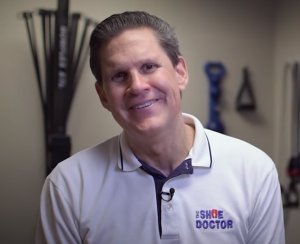
With over 20 years of experience, Russell blends precision technology with hands-on craftsmanship to design orthotics that go beyond comfort. They help improve biomechanics, reduce injury risk, and support better performance over time. Through our partnership with the Spine and Injury Medical Center in San Jose, we also address posture and gait to support full-body balance and recovery.
If you’re training or competing in the South Bay Area, schedule your free consultation today. Let The Shoe Doctor help you move with strength, control, and confidence every time you train or compete.
Disclaimer
The materials available on this website are for informational and entertainment purposes only and are not intended to provide medical advice. You should contact your doctor for advice concerning any particular issue or problem. You should not act or refrain from acting based on any content included in this site without seeking medical or other professional advice. The information presented on this website may not reflect the most current medical developments. No action should be taken in reliance on the information contained on this website, and we disclaim all liability for actions taken or not taken based on any or all of the contents of this site to the fullest extent permitted by law.