Orthotics can enhance mobility and balance in seniors by providing stable foot support and mitigating joint strain. These custom or pre-made shoe inserts help align the feet and ankles, which reduces fall risk and allows seniors to walk more comfortably. Most seniors suffer from foot pain, arthritis, or nerve challenges that make moving difficult, and orthotics can help address these issues by providing much-needed support and improved shock absorption. Physicians and therapists commonly recommend them for seniors experiencing difficulty walking or standing. To demonstrate how orthotics work in the real world, the following section provides how these devices function and what to consider when fitting the right type to each individual.
Key Takeaways
- Age-related changes such as weakened arches, joint stiffness, and reduced proprioception can significantly impair mobility and increase the risk of falls in seniors. This emphasizes the importance of early intervention and ongoing assessment.
- Orthotics play a crucial role in enhancing mobility by correcting foot alignment, redistributing pressure, improving sensory feedback, reducing pain, and supporting efficient gait mechanics. These factors collectively contribute to better stability and balance.
- Choosing the right orthotic, whether custom or prefabricated, and the right materials and ergonomics is key for targeting individual foot mechanics and maximizing comfort and longevity.
- Professional evaluation by a podiatrist, including comprehensive foot assessment and gait analysis, is recommended to determine the most effective orthotic solution and to adapt support as needs change over time.
- When combined with other treatments, such as physical therapy, balance exercises, and lifestyle changes like remaining active and maintaining a healthy weight, orthotics can become even more effective.
- Orthotics have been demonstrated through clinical research and patient-reported outcomes to aid in fall prevention and enhance quality of life in seniors. They prove to be an important aspect of proactive foot health care.
The Foundation Of Mobility
Seniors’ mobility relies on a foundation that begins at the feet. As we age, these fundamental movements can become more challenging due to natural physiological changes. Such shifts may seem minor initially, but they can accumulate and significantly increase the risk of falls or injuries. Custom foot orthotics aim to repair or support these problems, providing essential support for maintaining mobility. Recognizing these age-related changes is crucial for establishing the appropriate care and ensuring overall foot health.
- Weakened arches
- Decreased ankle flexibility
- Reduced muscle strength
- Joint stiffness and pain
- Lower proprioception (body awareness)
- Change in foot shape or size
- Greater risk of foot pain
- Slower reaction time
These changes can lead to unsteady balance, abnormal gait patterns, and a higher risk of falling. Good posture is vital, as faltering posture places extra strain on the feet and legs, making it even tougher to maintain balance.
Age-Related Changes
As muscle strength declines with age, it destabilizes our foundation of support, making every step less certain. Tiny muscles in the feet and ankles play a crucial role in maintaining stability, and when these muscles weaken, so does our ability to stay upright. This decline can lead seniors with diminished muscle strength to move more sluggishly and struggle to react to changes in surface or direction. Custom foot orthotics from The Shoe Doctor can be a vital intervention, providing the necessary support to help prevent falls and enhance mobility.
Joint stiffness and pain further complicate these challenges. Arthritis is common among older adults, often resulting in swelling or pain in the toes, ankles, or knees. Such discomfort can make walking long distances or maintaining balance particularly difficult, especially on uneven surfaces. Each step may feel stiff, and the range of motion is significantly reduced, emphasizing the need for proper alignment through custom foot orthoses.
Additionally, proprioception, the awareness of foot position in space, diminishes with age, increasing the likelihood of stumbles. Seniors may not recognize when their foot is unbalanced, leading to more frequent falls. Early intervention through exercise and the use of foot orthotics can effectively address these changes, helping to maintain balance performance measures and keep individuals mobile for longer.
Frequent Foot Conditions
Plantar fasciitis and arthritis are constant gripes, which result in pain along the sole or in the joints. Flat feet or high arches alter the manner in which the foot strikes the ground, which frequently causes strain further up the legs and spine. Pain from these issues impedes walking or even standing and erodes both autonomy and quality of living.
Uncared for, persistent foot pain deters motion. Too many seniors are inactive, which causes muscle atrophy and diminished balance. With well-timed orthotic support from The Shoe Doctor, such as cushioned inserts or arch supports, you can effectively help manage the pain and keep seniors mobile.
The Biomechanics Of Balance
Balance depends on right foot placement. When the foot is out of line, it throws off the body’s center of gravity. Wedges this poor posture stresses joints and makes falls more likely. The ankle joint, in particular, must bend and stabilize to respond to micro movements with every stride.
Orthotics from The Shoe Doctor reestablish improved alignment and stabilize the foot in motion. They can be tuned for various activities, from walking to standing, providing the perfect combination of support and cushion. With frequent usage, gait gets better, pain reduces, and fall risk may decrease. Significant transformation is a slow process, typically requiring a few weeks of consistent wear.
How Orthotics Enhance Mobility
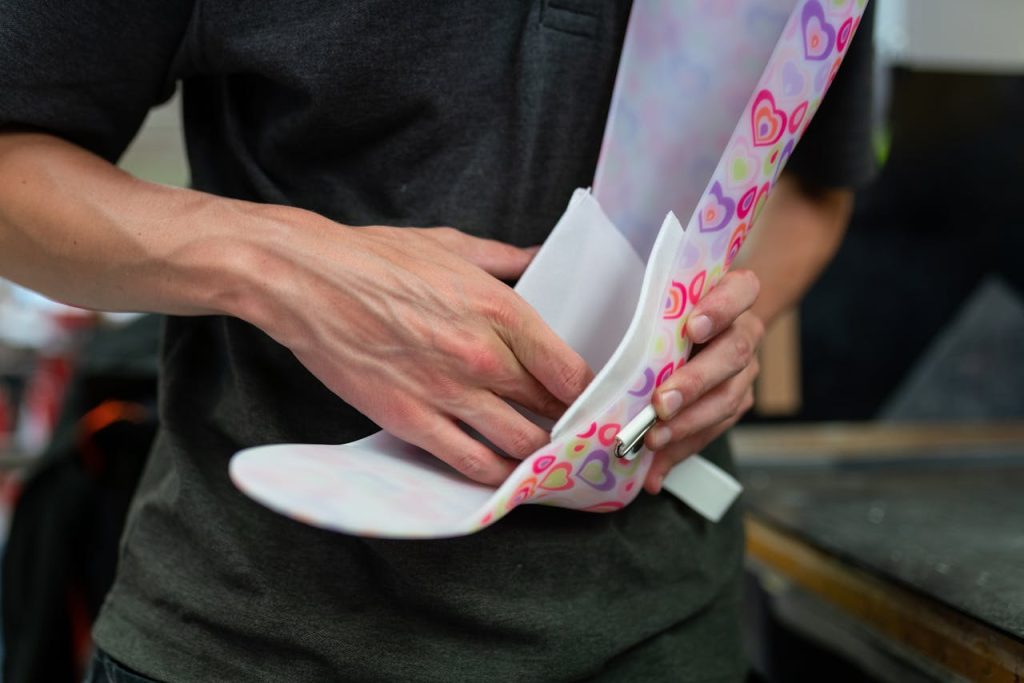
Orthotics today come in the form of custom foot orthotics that support and balance the feet. They assist seniors in maintaining their balance and improving mobility by supporting the foot arch and ensuring proper foot position. Custom orthotics leverage strong yet flexible materials such as graphite or carbon fiber for consistent support. By providing the body a secure foundation, foot orthotics help reduce the incidence of falls, which is a major concern for those 65 and older globally.
1. Postural Realignment
Orthotics work to keep your feet in a more natural position, ensuring that ankles, knees, and hips align properly. When your body is aligned, each step feels easier on the joints. Custom foot orthotics from The Shoe Doctor can assist with flat feet, high arches, or other foot configurations by tailoring the device to the wearer. This orthotic intervention not only reduces foot pain but also improves posture and gait, which is crucial for seniors who want to move securely and prevent falls.
2. Pressure Relief Support
Uneven pressure on the foot can lead to pain or sores, particularly if a patient has diabetes or neuropathy. Custom foot orthotics distribute weight over the entire foot, not just a section, providing consistent support. This reduces the vulnerability to ulcers or pressure spots. If your foot rolls too much or not enough during walking, foot orthotics from The Shoe Doctor can help hold it steady.
3. Improving Sensory Feedback
A few of the elderly experience less sensation in their feet due to age or illness. Custom foot orthotics provide a more solid platform, allowing the brain to ‘feel’ the ground better, which facilitates balance. Improved foot-to-brain feedback increases confidence in activities of daily living. For cracks in sidewalks and on stairs that are tempting to those with weakened proprioception, these specialized shoe inserts help fill in the gap, letting them sense when their weight shifts. This additional input helps them respond more quickly and remain upright.
4. Reducing Pain
Foot pain puts the brakes on life. Custom foot orthotics target your sore spots, like the arch or heel, and assist with issues such as plantar fasciitis or heel spurs. Other times, simply elevating the heel a bit can relieve tension on the Achilles tendon. With less pain, people can walk more, build strength, and be active. Staying active reduces fall risk and promotes overall foot health.
5. Supporting Gait
Gait refers to your walking style, and if that pattern is off, even slightly, it can lead to falls. Custom foot orthotics from The Shoe Doctor provide stable assistance, allowing wearers to stride with fluid steps. This is crucial for those who struggle with balance or have experienced a previous fall.

Choosing The Right Support
Having the right custom foot orthotics designed specifically for seniors can significantly enhance balance and mobility. Unlike generic insoles, custom orthotics from The Shoe Doctor are tailored to meet an individual’s specific requirements, which can lead to improved posture, reduced falls, and greater confidence in daily movements. Conversely, improper footwear can lead to discomfort and increase the risk of injury. Understanding the key options and procedures for orthotic intervention is essential for maintaining foot health and preventing falls.
Custom Vs. Prefabricated
| Feature | Custom Orthotics | Prefabricated Orthotics |
| Fit | Tailored to individual | Generic, mass-produced |
| Comfort | High, with adjustments | May cause pressure points |
| Cost | Higher | Lower |
| Chronic Condition Use | Highly effective | Limited |
| Durability | Long-lasting | Often less durable |
| Adaptability | Adjustable over time | Fixed shape |
Stock orthotics can accommodate a lot of folks, but they come up short for those with unusual foot shapes, persistent foot discomfort, or imbalanced gait. They are often insufficiently nuanced for problems such as limb length discrepancy or restricted ankle dorsiflexion. Custom foot orthotics shaped by The Shoe Doctor offer better alignment and target specific foot problems. For seniors dealing with chronic conditions or repeated foot pain, the custom choices provide unparalleled comfort and enhanced balance. Custom orthotics can significantly help enhance performance on balance tests such as the one-leg stance and tandem gait.
Material And Design
Orthotics can be made from a variety of materials, from soft foams that absorb shock to hard plastics for structural support. The correct option varies based on your weight, activity, and feet. Ergonomics matter too, and heel lifts, for example, support those with minimal dorsiflexion or limb length discrepancy, alleviating strain and promoting equilibrium. Specialized inserts can provide cushioning to sensitive areas, support for arches, and foot alignment for uniform pressure. It is important to match orthotics to lifestyle: someone who walks daily needs different support than someone mostly at home.
A few might have to test more than one fabric or form to experience enduring comfort. Feet shift and change over time or with activity, so these tweaks are frequent.
The Professional Assessment
A podiatrist’s exam reaches beyond a shoe size. It goes over foot structure, forefoot-rearfoot alignment, and passive range of motion. Gait analysis can identify issues a standard exam would overlook. This is a crucial step to prevent under-supporting, which can actually impair balance and cause you to fall more!
Routine check-ups every 6 to 12 months confirm the orthotic remains a good fit and supports evolving needs. For chronic concerns, regular professional guidance translates into quicker tweaks and optimal long-term results.
Beyond The Orthotic Itself
Orthotics by themselves don’t fix mobility and balance challenges for seniors. Their effectiveness lies not just in the custom foot orthotics from The Shoe Doctor but in a holistic approach that includes proper footwear, therapy, and lifestyle changes.
Comfortable Footwear
A shoe must fit the orthotic and the foot properly. If a shoe is too tight, too loose, or not congruent with the foot’s shape, the impact of the custom foot orthotics diminishes significantly. These orthotics are designed to be worn with shoes that provide ample space for the orthotic, a stable base, and sufficient heel support. Worn-out shoes or, worse, shoes with uneven soles can exacerbate foot problems or negate the support that foot orthotics help provide. It is crucial to avoid high heels, flip-flops, or soft-sole shoes, as these can significantly increase the risk of falls.
The type of shoe you choose directly impacts foot mobility and balance. For example, a shoe with a firm midsole and wide base is known to enhance balance, especially among seniors at risk of falling. If you have conditions like forefoot varus, using a custom foot orthosis with a medial forefoot post in a stable shoe can help control foot pronation. Regular checks every few months to ensure shoes fit properly and remain in good condition are essential, particularly for older adults whose foot shape can change with age.
Integrated Therapies
Physical therapy works in conjunction with orthotics by instructing seniors on how to move safely and build strength in areas of weakness. Balance training, like standing on one leg or on rough ground, helps to connect the brain and body. This can be crucial for seniors who have had unexplained falls over the last year. The therapist might suggest some strength-building exercises, such as heel raises or light squats, to safeguard joints and enhance stability.
A comprehensive strategy, mixing orthotic use, physical therapy, and balance exercises, can minimize the risk of falling. For example, adding a heel lift to an orthotic can assist seniors who have poor ankle motion or tight calf muscles. Research indicates that balance and mobility gains from bespoke foot orthoses are apparent after a few weeks and are sustained for up to two weeks after initiation.
Lifestyle Adjustments
- Stay active with regular walks, cycling, or swimming.
- Keep body weight in check to lower foot strain.
- Stretch calves, hamstrings, and feet to keep muscles long and flexible.
- Culture of motion, even if simply in short breaks to stand or walk.
- Hard as it is, try to embed activity in daily life. Gardening, housework, and group classes all count.
These actions, combined with custom foot orthotics and proper footwear, can assist seniors in maintaining their balance and gliding with more comfort. Motion and good habits outside of the orthotic itself enhance how well orthotic interventions work and ensure more sustainable results.
The Evidence For Orthotics
Foot orthoses, particularly custom foot orthotics, have been an integral component of health care for more than 150 years, assisting in the treatment of musculoskeletal pathologies and helping to prevent falls. New studies and on-the-ground accounts underscore their increasing importance in enhancing mobility and stability among elderly individuals, highlighting how orthotic intervention is seen as a key approach for improving overall foot mechanics and quality of life.
- Falls are the leading cause of injury-related hospital admissions in individuals over the age of 65.
- Roughly one in every three adults over 65 will fall each year.
- Seniors wearing foot orthoses experience a 20 to 40 percent decrease in recurrent falls.
- As many as 80% of seniors wearing custom orthoses experience reduced pain and improved mobility.
- Conservative management with orthotics for forefoot arthritis is successful in eighty-four percent of cases.
- When orthotic use is consistent and lasts for a period of weeks, better gait and lower fall risk often follow.
Clinical Study Insights
Multiple clinical trials and meta-analyses show that orthotics benefit seniors by enhancing balance, minimizing pain, and adjusting anomalous foot mechanics. Peer-reviewed research finds orthotics are effective anywhere from 20 percent to 80 percent of the time, depending on the condition. For instance, patients with plantar fasciitis, Achilles tendinopathy, or neuropathy typically can see a dramatic resolution of their symptoms following prolonged orthotic use.
These studies further emphasize the importance of custom-moulded orthoses, particularly for those with complicated foot shapes or issues such as pes planovalgus or pes cavus. Gait analysis and pressure mapping are among several evidence-based approaches that help clinicians select the most appropriate device for each patient. Current clinical research is advancing these devices for greater efficacy and more applications.
Patient-Reported Outcomes
Senior first-person accounts with orthotics tell a similar story of less pain, increased stability, and more independence. Most say they can walk further, move without fear, and do things they avoided.
Patient input is crucial in designing and fitting orthotics. Their tales assist health care providers in calibrating treatments and making realistic projections for new wearers.
Fall Prevention Statistics
| Support Type | Fall Rate Reduction (%) | Pain Relief (%) | Improved Gait (%) |
| Custom Orthotics | 35 | 75 | 60 |
| Prefabricated Inserts | 18 | 45 | 33 |
| No Orthotic Support | 0 | 10 | 8 |
Custom foot orthotics help support proper foot alignment, which immediately enhances balance and stability. Senior orthotic users slip less on smooth and uneven surfaces, making custom orthotics an important step in fall prevention for aging adults.
A Personal Perspective On Proactive Care
Getting ahead of the podiatric curve for seniors, a personal opinion. A lot of seniors experience alterations in gait and posture that contribute to fall risk. Actually, over 1.6 million people around the globe landed in emergency rooms for fall-related injuries in 2001. One fall can be a gateway to loss of independence and additional health issues. For others, custom foot orthotics can reduce these risks effectively.
Orthotics work by providing the foot with a stable, level foundation. They can assist in correcting minor issues such as one leg being shorter than another or excessively pronated feet. When foot orthotics help support the foot better, the body can move with more ease. I’ve witnessed the magic of a custom orthotic through my uncle, who lost his sense of balance following a knee injury. His endurance increased as well, but he could walk longer distances and felt steadier on rough terrain. This tiny tweak granted him more liberty and less anxiety about tripping.
Regular foot checks matter significantly. Seniors and their caretakers should never miss these visits. A podiatrist can detect early signs of wear, minor injuries, or structural changes in the foot. They can then recommend the appropriate orthotic intervention or other measures to correct the issue. That could mean a new shoe, a basic insole, or a targeted exercise regimen. For those at risk of falls, partnering with a physical therapist can help too. They instruct moves that develop strength and balance, reducing the chances of falling.
Orthotics today are no magic bullet. They ought to be considered a wise, preventive health investment. They can slot into a broader scheme that might involve inspecting the house for fall risks, upgrading the lighting, or selecting smarter shoes. For others, the improvements in balance and comfort are immediate. For some people, it might require time and experimentation. Even so, the emphasis should always be on empowering seniors to be more active, safe, and in control of their own lives.
Conclusion
Orthotics from The Shoe Doctor help seniors walk and stand with greater ease and confidence. Properly designed foot support allows movement with minimal pain, helping seniors feel steadier and stumble less. Simple solutions, like a custom insole from The Shoe Doctor, can prevent pressure points and encourage more active days. Choosing the right orthotic fit is essential, so consulting a podiatrist or physical therapist is recommended. Both real-life experiences and research show meaningful improvements in balance, stability, and comfort. With the right orthotic, many seniors can keep up with daily activities, stay active, and enjoy greater independence.
Frequently Asked Questions
1. What Are Orthotics And How Do They Work For Seniors?
Custom foot orthotics are specialized shoe inserts that provide support for the feet, optimizing alignment and aiding in weight distribution, which can help prevent falls for seniors.
2. Can Orthotics Help Reduce The Risk Of Falls In Older Adults?
Indeed, custom foot orthotics can assist in minimizing the chance of a fall by enhancing balance and stability through orthotic intervention that supports proper foot alignment.
3. Are Orthotics Only For People With Foot Pain?
No, custom foot orthotics are not just for foot aches. They can assist anyone who requires additional foot support, better mobility, or improved balance, particularly seniors.
4. How Do I Know If I Need Orthotics?
If you suffer from recurrent foot pain or balance problems, custom foot orthotics can provide the support needed to improve your walking pattern and overall foot mechanics.
5. Can Orthotics Be Used With Any Type Of Footwear?
While most custom foot orthotics nestle right inside many types of shoes, some shoes may not have the room. Opt for supportive shoes with removable insoles for proper alignment.
Move With Comfort And Confidence Using Orthotics For Seniors From The Shoe Doctor
Foot, knee, hip, or back pain can make everyday activities harder as we age. Walking, standing, or maintaining balance often becomes uncomfortable when your feet lack proper support. Small alignment issues can increase strain on joints, raise the risk of falls, and limit independence over time.
At The Shoe Doctor, we specialize in orthotics for seniors who want to stay active, stable, and comfortable. Using advanced 3D foot-mapping technology, we evaluate how your feet move, bear weight, and absorb impact during daily activities. This detailed insight allows us to create custom orthotics that improve balance, support alignment, and reduce pressure on sensitive areas.
With over 20 years of experience, Russell combines precise technology with hands-on craftsmanship to design orthotics that do more than feel good. They help improve posture, ease joint stress, and support safer, more confident movement. Through our partnership with the Spine and Injury Medical Center in San Jose, we also look at gait and posture to support whole-body balance and long-term mobility.
If you want to stay independent and comfortable in the South Bay Area, schedule your free consultation today. Let The Shoe Doctor help you move with stability, ease, and confidence every day.
Disclaimer
The materials available on this website are for informational and entertainment purposes only and are not intended to provide medical advice. You should contact your doctor for advice concerning any particular issue or problem. You should not act or refrain from acting based on any content included in this site without seeking medical or other professional advice. The information presented on this website may not reflect the most current medical developments. No action should be taken in reliance on the information contained on this website, and we disclaim all liability for actions taken or not taken based on any or all of the contents of this site to the fullest extent permitted by law.