They help with arthritis in the feet by providing support, relieving pain, and making it easier to walk. A lot of foot arthritis sufferers rely on orthotic insoles from The Shoe Doctor, either custom or store-bought, to align foot bones and reduce pressure on achy areas. Doctors and therapists recommend orthotics to delay joint wear and assist people in getting around during the day. Materials such as soft foam or firm plastic can be used, according to individual requirements. Studies demonstrate that orthotics reduce inflammation and aid in balance. Some folks find plain inserts do the trick, while others require custom designs. To understand where orthotics come into play and what to expect, the next few sections will discuss types, applications, and what the science says.
Key Takeaways
- Both osteoarthritis and rheumatoid arthritis in the feet can lead to significant discomfort, inflammation, and decreased movement, affecting millions of people globally.
- Orthotics do work with arthritis of the feet, providing structural support, improved alignment, pressure redistribution, and cushioning of joints to reduce pain and improve foot function.
- Depending on the foot, a prefabricated or custom-molded orthotic from The Shoe Doctor may be best for comfort and support.
- Combined with proper footwear, physical therapy, exercise, and other adjunct therapies, this holistic approach to foot health can enhance the impact of each intervention.
- The key is to manage expectations because relief with orthotics is usually incremental, and they may need continued tweaking to optimize results.
- Regular evaluation, maintenance, and professional follow-up of orthotic devices are essential for ensuring long-term effectiveness and continued foot health for individuals managing arthritis.
The Arthritis Footprint
Arthritis Footprint is a common form of arthritis located in the feet, a chronic condition impacting the joints, comfort, and mobility. Almost 50% of adults with foot arthritis over 60 experience constant joint pain, swelling, and stiffness. This affliction can turn simple actions like walking, standing, or even selecting therapeutic footwear into a difficult and painful ordeal. The two most common types of arthritis that affect the feet are osteoarthritis and rheumatoid arthritis, each presenting unique causes, symptoms, and implications for mobility and quality of life, particularly concerning foot ailments.
Osteoarthritis
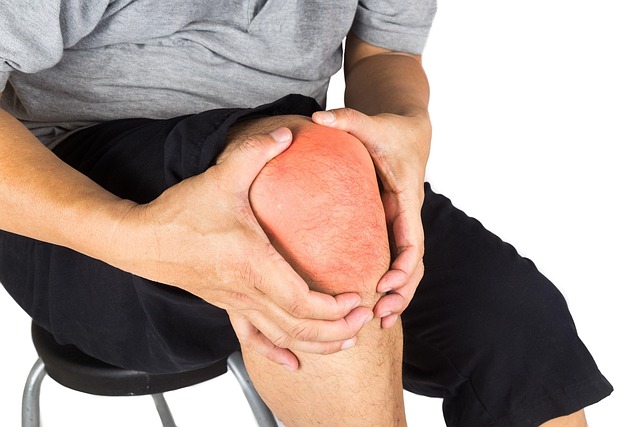
Osteoarthritis occurs when the cartilage in the joints begins to degrade, particularly affecting the big toe, midfoot, and ankle, leading to pain during movement and decreased shock absorption. Weight-bearing activities like walking, jogging, and standing for long periods can aggravate symptoms, especially as cartilage wears thin. Age and genetics significantly contribute to the development of osteoarthritis, but your shoe history and repetitive stress also play a role. For example, women who wore high-heeled or unsupportive shoes as young adults often experience more foot discomfort later in life, with long-term high-heel use increasing the risk of midfoot OA. The connection between knee osteoarthritis and foot arthritis highlights the importance of early interventions, such as using foot orthotics from The Shoe Doctor, to maintain lower limb joint health.
| Symptoms | Causes | Treatment Options |
| Pain, stiffness, swelling | Cartilage degeneration, age, genetics | Pain relief, physical therapy, The Shoe Doctor orthotics, exercise, surgery |
| Reduced range of motion | Poor footwear, repetitive joint use | The Shoe Doctor orthotics, exercise, surgery |
Rheumatoid Arthritis
Rheumatoid arthritis is an autoimmune disease that causes ongoing inflammation of the joint linings, leading to substantial tissue and bone destruction in the feet. This destruction results in pain, swelling, and warmth involving multiple joints simultaneously. Because RA is a systemic disease, its influence extends beyond the feet, often resulting in fatigue and impacting other organs. Over 85% of RA sufferers experience painful feet or ankles, with more than 50% having symptoms within a year of diagnosis. When left unchecked, RA can lead to deformities such as bunions, claw toes, and collapsed arches, making regular shoe wear painful or unwearable. Many people perceive orthopedic shoes as cumbersome or unfashionable. With a solid treatment plan, mixing medication, physical therapy, and utilizing custom foot orthotics from The Shoe Doctor, you can alleviate pain and halt the progression of joint destruction. Long-term intervention is crucial: regular use of custom orthotics has been shown to decrease foot discomfort by 20% and foot disability by 30% over 30 months.
How Do Orthotics Help Arthritis?
Orthotics are shoe inserts utilized to aid those with foot arthritis and other foot ailments. They tackle foot structure, alignment, weight distribution, and pain, key elements! Custom orthotics from The Shoe Doctor, created with 3D scans, provide support that matches each individual’s specific foot structure and walking pattern. Studies indicate that orthotics work effectively to decrease pain in patients with rheumatoid arthritis, osteoarthritis, and various foot disorders.
1. Realigning Structure
First, foot orthotics help correct foot posture. When the foot’s bones and joints aren’t aligned properly, additional stress is placed on arthritic joints, increasing pain. Ways custom orthotics assist by altering how the foot sits, helping bones to stack better and joints to move with less strain. With improved alignment, your walk becomes more fluid, and the joints aren’t subjected to asymmetrical forces. Enhanced walking and movement ensue, making daily chores less uncomfortable. With custom-made orthotics, practitioners can make adjustments as needed based on each person’s anatomy, leading to a more effective solution over time.
2. Cushioning Joints
Cushioning insoles, often considered a key component of foot orthotics, are constructed to reduce shock from walking or standing. This shock absorption decreases the amount of force traveling through the foot and up the leg, which helps ease pain for arthritis sufferers, particularly those dealing with foot arthritis. The materials, typically gel, foam, or soft plastics, are chosen for their impact-softening properties, allowing wearers to use the inserts longer and remain more active while preventing additional foot ailments.
3. Foot Pressure Cushion
Orthotics work by redistributing how weight lies on the foot, effectively alleviating pressure from sore areas. By distributing pressure across the sole footbeds, they protect vulnerable zones such as the ball of the foot or heel, which is particularly crucial for those with foot arthritis or bunions. This pressure redistribution can significantly reduce the risk of ulcers and other skin problems common in arthritis symptoms. Routine checks help ensure the orthotic is functioning as intended and allow for fine-tuning.
4. Enhancing Balance
Orthotics work effectively for arthritis by providing essential arch support and stability to the foot and ankle, thus stabilizing every step. This additional support helps reduce the risk of falls, allowing individuals with knee osteoarthritis to move more confidently and engage in activities without fear of harm. With the right therapeutic footwear, ambulation feels secure and comfortable.
5. Pain Relief Support
Orthotics address pain locations by providing targeted assistance where it is required. By altering these forces on the foot, they help mitigate pain associated with arthritis. Most notably, many patients say that they require less pain medication since initiating orthotics. There is a psychological boost when pain abates, but people feel more empowered and less constrained by their condition. Tracking pain over time helps indicate how well the orthotics are working and when they are due for replacement.
Key Benefits Of Orthotics In Arthritis:
- Reduce foot pain and need for pain medication.
- Correct foot alignment and posture
- Even out the weight and pressure on the foot
- Improve stability and lower fall risk.
- Offer cushioning and shock absorption for joint relief.
- Support lasting changes that may slow arthritis progression.
Finding Your Orthotic
Therefore, when it comes to selecting your orthotic for foot arthritis, it’s a matter of tradeoffs. Each type of foot orthosis has its own costs, benefits, and limitations. Comfort and fit are essential, as is the ability to customize when necessary, especially with ways custom orthotics can address specific foot problems.
The Prefabricated
Prefabs, or store-bought/OTC inserts, are easy to access and readily available. These products provide immediate relief for many people and are a godsend if you need a quick fix or want to test the foot orthotics waters before taking the custom plunge. Pre-made orthotics are available in different shapes, sizes, and levels of support, including cushioned insoles, arch supports, or targeted heel cups. This range enables consumers to select one that best fits their foot and ache location, particularly when dealing with foot ailments like heel pain.
As a rule of thumb, prefabricated orthotics are best for acute or mild cases. They are cost-effective, with prices typically ranging from about $15 to $80 per pair, making them an accessible choice for most budgets. While these orthotics might feel comfortable initially, they often fall short on the exact fit needed for long-term or complicated foot issues, such as foot arthritis. They can break down in one to two years of regular wear, making them less reliable for chronic conditions.
For some users, these inserts don’t provide enough correction or support for more advanced symptoms. Eventually, lack of fit could result in persistent discomfort, particularly if your foot shape or gait changes. Pre-fabs come with a few adjustment choices as well, so if the pain continues, it’s generally time to switch to custom options that can better address specific foot problems.
Custom-Fit
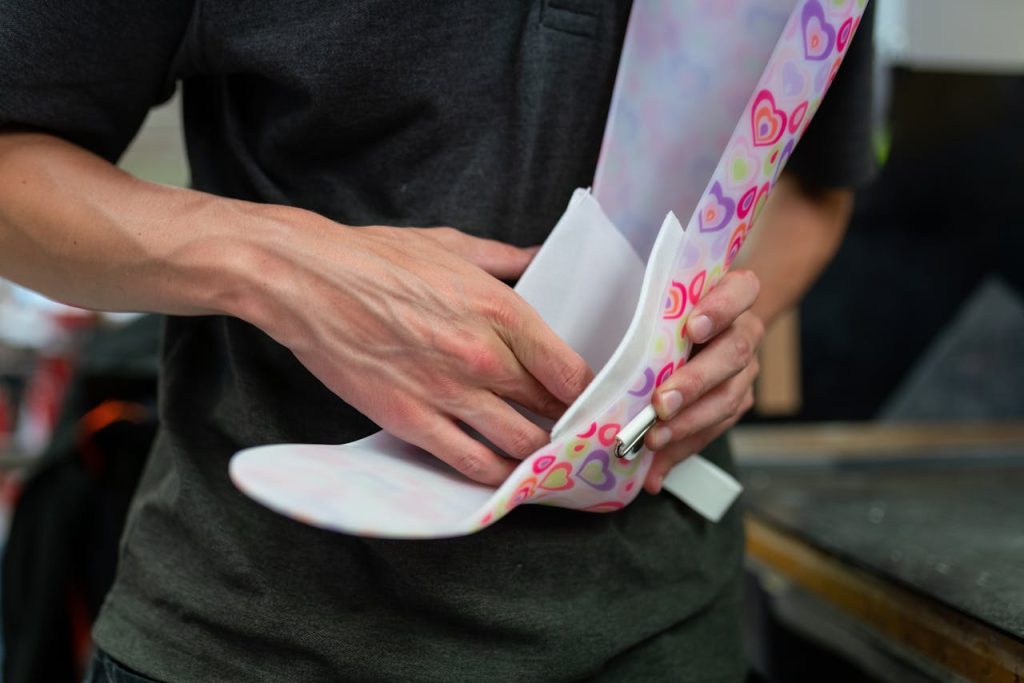
Custom-molded orthotics, designed to address foot ailments like foot arthritis, are tailored to the individual’s unique foot shape and biomechanics. The process begins with a detailed evaluation by a professional to identify the underlying causes of symptoms, followed by creating a 3-D model of the feet. These orthotics are then built from raw materials, offering precise support and alignment correction. This bespoke approach results in better comfort and a snug fit, which is critical for people with chronic arthritis or structural abnormalities, particularly those experiencing foot discomfort.
Custom orthotics require an investment, costing anywhere from $200 to $800 a pair. They last longer, sometimes up to five years, and can be adjusted as symptoms or needs evolve. For instance, if pain persists beyond the normal break-in period, which is generally two to three weeks, corrections can be implemented. Once you choose your orthotic, the adaptation process requires slowly ramping up wear time, from very short sessions toward all-day use. Custom orthotics are particularly useful if your arthritis waxes and wanes or gets worse, offering effective foot orthotics solutions. The periodic modifications keep the support optimal.
These orthotics aren’t a once-and-done type of solution. Continued evaluations make sure it still fits changing needs, providing more enduring pain relief and superior long-term results than off-the-shelf inserts.
- Cushioned Over-The-Counter Insoles (USD $15-$40): Soft, mass-produced, temporary comfort and limited support.
- Prefabricated Arch Supports (USD $30-$80): Moderate alignment help, suitable for mild pain or trial use.
- Semi-Custom Orthotics (USD $100-$200): Based on standard templates, they provide a better fit than over-the-counter options but are not fully custom.
- Custom-Molded Orthotics (USD $200-$800): Individually crafted, durable, and best for long-term and complex needs.
The Holistic Approach
A holistic approach to foot arthritis combines foot orthotics with other treatments, emphasizing healing the entire individual rather than just the illness. This method considers not only physical health but also emotional and spiritual well-being. While the holistic approach may face criticism for overlooking evidence-based therapies, extensive research shows the benefits of holistic practices, such as meditation, in enhancing both mental and physical health. Many people report improved pain management and reduced stress when they incorporate these methods. When combined with other self-care measures, orthotics work effectively to provide superior outcomes for various foot ailments.
Foot Support Shoes
Selecting the proper shoes is just as important as foot orthotics. Shoes need to be comfortable, supportive of the arch, and provide adequate padding. A wide toe box and a stable-soled shoe help reduce pressure on painful joints, especially for those experiencing foot arthritis. High heels, pointed toes, and thin soles aggravate arthritis symptoms and should be avoided. Even better, therapeutic footwear, imagine soft, elasticized uppers and generous depth, can offer pain relief. Sometimes, ways custom orthotics or semi-custom shoes are required to accommodate both the foot and orthotic insert, a consideration for those with severe deformity or edema.
Adjunct Therapies
Starting orthotics in conjunction with other therapies helps build foot strength and ease pain. Physical therapy enhances muscle equilibrium and maintains joint mobility. Massage can dissolve stiff tissue, stimulate circulation, and reduce pain. Acupuncture, not mainstream everywhere, is used by some to numb pain associated with arthritis. Exercise, particularly low-impact varieties like swimming or cycling, maintains foot strength and mobility.
Other Therapies That Support Orthotic Use:
- Hydrotherapy for gentle joint movement
- Yoga or Tai Chi to improve balance and flexibility
- Mindfulness meditation to manage pain and stress
- Heat or cold packs for symptom relief
Habit Adjustments
Tiny shifts every day can significantly improve foot health and simplify walking. Maintaining a healthy weight is crucial to preventing excess strain on your joints, particularly for those with foot arthritis. Incorporating anti-inflammatory staples like fish, greens, and berries into your diet can also help.
Regular low-impact activities, such as walking, cycling, and water aerobics, not only keep you strong and functional but also support proper foot loading during movement. Remember to balance rest with activity to avoid overexertion.
A checklist for healthy foot habits is essential for managing foot ailments and ensuring long-term wellness. Consider footwear interventions like orthotic insoles to enhance comfort and stability while walking.
- Inspect feet daily for changes.
- Trim nails straight across
- Wear breathable socks
- Avoid going barefoot on hard surfaces.
Managing Expectations
Arthritis in the feet, including conditions like foot arthritis and midfoot OA, can be assisted with orthotics, but results and time frames vary from patient to patient. Few experience immediate success. Custom orthotics can sometimes take weeks or even a few months before you start seeing real improvements. Clinical research demonstrates that the time to achieve relief from pain or improved movement varies among patients. Some folks even continue to wear their inserts for years, while others may not be as lucky. Custom pairs tend to perform better than off-the-shelf insoles, which may provide temporary relief but are not engineered for long-term foot health. A multitude with RA and lower extremity OA have said that orthotics work to diminish their pain, and patience and check-ups will be paramount for lasting success.
Adjustment Period
The initial days or weeks with new orthotics can feel strange. Your body requires a period to adjust to the fresh support and alignment, particularly if you’re accustomed to other footwear or minimal support. There can be mild soreness, aching, or pressure in the beginning, but these are healthy signs of adaptation.
If any stabbing pain, blistering, or lingering discomfort occurs, that could indicate the necessity for an orthotic adjustment. Keeping tabs on daily comfort and sharing any changes with your clinician can help optimize fit and support.
Most of us require patience in this stage. Consistent, brief wear during the initial stages, extending time day by day, can allow the body to acclimate. Monitor your feet’s condition and seek assistance if symptoms do not abate after a few weeks.
Potential Limitations
Orthotics can’t cure all foot ailments or stop arthritis symptoms all by themselves. They promote improved biomechanics and can even slow disease progression, making them effective in managing conditions like foot arthritis. Combined with other treatments such as physical therapy or medicine, they generally yield the best results.
Some individuals derive more advantage from foot orthotics than others based on arthritis type and severity, gait, and activity level. Things change, and results evolve, so stay on top of your foot health and be prepared to redesign your orthotic solutions.
Even when orthotics work, they need to be incorporated into a long-term foot health plan. Custom inserts should last for approximately five years, but as feet change, they may need to be adjusted for optimal support and comfort.
Professional Guidance
Collaborating with a podiatrist or orthopedic specialist assists in pairing the appropriate orthotic to your requirements. A professional foot exam can identify problems such as bunions, high arches, or plantar fasciitis that custom orthotics can assist with.
Frequent check-ins with your provider keep things on target. As arthritis or other foot conditions evolve, the orthotic design or fit might have to change as well.
Your orthotics professional’s input ensures they remain effective and safe in daily life. It pays big dividends over the long term.
Long-Term Orthotic Care
Long-term orthotic care in arthritis is more than just sticking inserts into shoes. It requires a strategy that includes regular check-ups, vigilant monitoring of the condition of the orthotic, and rigorous foot hygiene. Custom-designed foot orthotics used daily over 30 months can reduce foot pain by around 20 percent and foot disability by 30 percent. For hallux valgus, long-term orthotic care might reduce three-year rates by as much as 73 percent. Still, the effect depends on how well the orthotic fits and the frequency of use, since even robust evidence is not unequivocal. A Cochrane review provides merely silver-level evidence for custom inserts in rheumatoid arthritis, and other studies have found mixed support.
To access these advantages, patients need to establish a consistent schedule of visits and replacement. This includes visiting a specialist about once a year to ensure the orthotic continues to function properly. Custom inserts sometimes have a good five-year lifespan with tender loving care, but the daily pounding and morphing feet due to arthritis can eventually render them less than effective as well. It is key to look out for symptoms that new orthotics are required, such as new discomfort, increased swelling, or thinned-down areas on the insert. Hallux valgus risk falls most if the orthotic is worn as long as the foot shape requires, not just until it wears out.
Wear and tear doesn’t just mean cracks or holes. Even slight variations in shape, lost cushioning, or a loose fit can indicate the orthotic is not providing the proper support. For RA patients, studies indicate that six weeks of usage for six combined hours per day begins to have an effect. Long-term orthotic care, such as improved gait and reduced pain, only occurs if the device remains in good condition and is used as instructed. While many folks experience resistance or discomfort with these inserts, just be sure to make sure shoes and orthotics fit well and feel okay for daily life, especially when considering specific shoe choices for foot ailments.
Good foot care has to accompany orthotic use. Feet should be maintained free of dirt, dryness, and monitored for blisters, sores, or skin changes. Bad hygiene or neglecting minor issues can exacerbate pain or disability, even with the best insert. Orthotic care is not a one-and-done fix but a long-term part of managing foot arthritis. The individuals who see the best results are those who keep on top of foot health, regular checkups, and timely replacement of their foot orthotics.
Conclusion
Orthotics can make a distinct difference for many sufferers of arthritis in their feet. They assist in reducing pain, stabilizing unstable joints, and distributing weight to decrease pressure points. Fit is more important than brand or style. Custom orthotics mold to your foot and daily activities. They assist with off-the-shelf options, but they may not work for tricky cases. To treat feet, combine orthotics with good shoes, motion, and a strong treatment plan. There is no magic bullet, but consistent wearing and monitoring with your care team yields results over the long haul. For anyone still doubtful, consult a foot specialist and go with what works best. Spread the word or ask away below, and let’s support one another in striding forward.
Frequently Asked Questions
1. Do Orthotics Reduce Foot Pain From Arthritis?
Yes, foot orthotics can help alleviate pain by providing foot support and enhancing alignment, relieving stress on arthritic joints.
2. Are Orthotics Suitable For All Types Of Foot Arthritis?
Orthotics, such as custom orthotics and therapeutic footwear, are worn by many experiencing foot arthritis. Consulting a healthcare professional can help find the ideal type.
3. Can I Use Over-The-Counter Orthotics For Arthritis?
Do foot orthotics help with arthritis symptoms in your feet? They are tailored to your specific needs.
4. How Long Does It Take To Feel Relief From Orthotics?
Most experience relief from foot discomfort in a matter of weeks, as regular use of foot orthotics is the secret to success.
5. Do Orthotics Prevent Arthritis From Getting Worse?
While orthotics don’t cure arthritis symptoms, they can help slow progression by optimizing foot function and decreasing joint stress.
Move With Comfort And Confidence Using Orthotics For Seniors From The Shoe Doctor
Foot, knee, hip, or back pain can make everyday activities harder as we age. Walking, standing, or maintaining balance often becomes uncomfortable when your feet lack proper support. Small alignment issues can increase strain on joints, raise the risk of falls, and limit independence over time.
At The Shoe Doctor, we specialize in orthotics for seniors who want to stay active, stable, and comfortable. Using advanced 3D foot-mapping technology, we evaluate how your feet move, bear weight, and absorb impact during daily activities. This detailed insight allows us to create custom orthotics that improve balance, support alignment, and reduce pressure on sensitive areas.
With over 20 years of experience, Russell combines precise technology with hands-on craftsmanship to design orthotics that do more than feel good. They help improve posture, ease joint stress, and support safer, more confident movement. Through our partnership with the Spine and Injury Medical Center in San Jose, we also look at gait and posture to support whole-body balance and long-term mobility.
If you want to stay independent and comfortable in the South Bay Area, schedule your free consultation today. Let The Shoe Doctor help you move with stability, ease, and confidence every day.
Disclaimer
The materials available on this website are for informational and entertainment purposes only and are not intended to provide medical advice. You should contact your doctor for advice concerning any particular issue or problem. You should not act or refrain from acting based on any content included in this site without seeking medical or other professional advice. The information presented on this website may not reflect the most current medical developments. No action should be taken in reliance on the information contained on this website, and we disclaim all liability for actions taken or not taken based on any or all of the contents of this site to the fullest extent permitted by law.