
When should seniors replace their orthotics for optimal results? Worn-out orthotics can lose their shape and support, potentially leading to foot pain and making walking more difficult. Other indicators, such as increased pains, new pressure spots, or shifts in shoe fit, can reveal when it’s time for a fresh pair. For people with health issues such as diabetes, it’s wise to check orthotics more frequently to prevent sores or falls. Routine appointments from a podiatrist keep track of wear and maintain health. Timing seniors’ orthotics replacements optimizes comfort, maintains fluid motion, and reduces injury risk. The following sections illustrate obvious signs that replacement is due and provide maintenance tips.
Key Takeaways
- Check your orthotics for visible damage or wear, like cracks, warping, or compressed cushioning, which are obvious signs that it’s time for a new pair.
- Pay attention to the pulse of pain. Either returning or new pain in your feet, ankles, knees, or hips indicates that your orthotics are no longer providing effective support.
- Think about changes to your body, like weight changes, aging, or new medical conditions. These can all affect the fit and effectiveness of your orthotics.
- Regularly consult with a trusted healthcare provider, such as a podiatrist or pedorthist, to make sure your orthotics remain in good supporting shape and receive personalized advice for replacement or refurbishment.
- Remember that whether custom or prefabricated, orthotics usually last anywhere from one to three years. Heavy use or elevated activity levels can make them wear out even sooner.
- Keep your orthotics in tip-top shape with proper cleaning, storage, and timely professional checkups to not only extend their life but also maintain your overall foot health, stability, and comfort!
Key Replacement Indicators
For seniors, knowing when to replace custom foot orthotics matters for comfort, mobility, and injury prevention. Signs of wear or pain often come before visible damage. Even when orthotics look intact, support can weaken over time, particularly if they are not suited to the individual’s wear pattern. Custom orthotics usually last one to five years, while over-the-counter options may need changing every six to twelve months. Experts recommend a thorough evaluation at least every two to five years, with a new scan after three years if needed. Here are the main indicators.
- Visible cracks, rips, or warping on the orthotic surface
- Cover shows wear, thinning, or peeling.
- Pain returns or grows in the feet, knees, or hips.
- Body changes (weight, aging, health) affect fit.
- New discomfort, pressure points, or walking issues arise.
- A professional suggests replacement after evaluation.
1. Physical Damage
Key replacement indicators may appear minor, but they can erode the framework and foundation. Surface damage tends to show up first on the cover, particularly in high wear areas beneath the heel or ball of the foot.
Cushioning material can compact or degrade. When the pad feels thin or hard, comfort and shock absorption tend to plummet. Warping or bending can occur, contributing to misalignment and discomfort. Pay attention to uneven wear, such as one side thinning faster, as this means the orthotic is no longer balanced.
2. Returning Pain
Recurring pain is generally an indicator that the orthotics aren’t working well. If your feet start hurting after you stand or walk, or if your knee or hip joints begin to ache once more, monitor your orthotics.
Observe pain with daily activities. If pain returns after years of relief, it’s time for a check-up. Track your pain patterns to assist in detecting if the orthotics are the culprit.
3. Body Changes
Major weight fluctuations can significantly change your foot mechanics and pressure points, necessitating regular visits to a foot doctor for proper assessment. Aging alters the gliding motion of the feet, often rendering old orthotics obsolete, while conditions like diabetes or arthritis may require custom foot orthotics adjustments for optimal ankle care and comfort.
High activity levels, such as starting a new walking regimen, can lead to quicker wear on shoe insoles. Therefore, it’s crucial to retest the fit of your orthotics after any major lifestyle or health changes to ensure they continue to provide the necessary orthopedic support.
4. New Discomfort
If new pain or pressure spots arise, orthotics may no longer fit properly. Look for blisters, numbness, or tingling. These are signs that the support is off.
Changes to your walk, like limping or shuffling, can be connected to worn-out orthotics. Don’t neglect minor problems because they’ll only become more severe if left unfixed.
5. The Professional Advice
It’s essential to visit a podiatrist every couple of years or sooner if you sense shifts in your foot mechanics. During your appointment, they can test support, check the wear pattern, and recommend new custom orthotics if needed. Often, a pedorthist will scan your feet to confirm the fit of your current orthotics remains correct.
If you’re experiencing ongoing foot pain or other severe foot concerns, inform your provider. They might adjust your orthotic replacement intervals for optimum effect, ensuring your insoles provide the necessary orthopedic support.
The Lifespan Expectancy
Custom foot orthotics aren’t a one-time purchase, as their lifespan varies based on material, user habits, and environment. Generally, custom orthotics have a lifespan of one to three years, but durable insoles made from hard plastics can extend this out to five years. Soft plastics or foams tend to require yearly replacement. Because of their construction, prefabricated insoles usually wear out faster and should be replaced every six to twelve months. Jogging or prolonged standing can accelerate this timeline, especially in hot or humid climates, leading to ongoing foot pain if not addressed.
| Orthotic Type | Material | Lifespan (Years) | Notes |
| Custom – Hard | Hard plastic | 3-5 | Most durable, less flexible |
| Custom – Soft | Foam, soft plastic | 1-2 | More comfortable, wears fast |
| Prefabricated | Mixed synthetics | 0.5-1 | Least durable |
Material Counts
The stuffing in an orthotic defines its lifespan and effectiveness, especially when considering the importance of custom foot orthotics for various foot conditions. Hard plastics like polypropylene can stand the test of life, sometimes lasting up to five years. They provide firm reinforcement but don’t flex much. In contrast, soft plastics and foams, such as EVA or polyurethane, have a luxurious tactile quality but degrade more quickly, sometimes in as little as twelve months. Progress in material science has ushered in blends that marry durability and comfort, but compromises linger. Environmental factors play a significant role, but moisture and heat can warp or weaken any orthotic, particularly the softer ones. For some seniors, a regular orthotics maintenance checkup at The Shoe Doctor allows you to identify if the current gear still suits their lifestyle.
Specialty Vs. Standardized
Custom orthotics are specifically crafted to fit the unique shape of your feet and address your particular requirements, especially when dealing with various foot conditions. They often target biomechanical problems that standard insoles simply cannot address. This focus on fit can significantly enhance comfort for seniors, improve posture, and alleviate pain. While custom orthotics may come with a higher price tag, their durability and potential insurance coverage make them a wise investment over time. In contrast, off-the-shelf orthotics, although more affordable and accessible, are designed for the generic foot and tend to wear out faster. Regular orthotics maintenance checkups at The Shoe Doctor are essential, as indicators like new aches or pain signal that any orthotic, custom or not, needs evaluation or replacement.
Your Lifestyle’s Impact
How frequently seniors require new orthotics, such as custom foot orthotics, depends on more than the wear and tear or age of the product. Lifestyle, habits, and physical transformations all factor in. Understanding these variables helps determine when a replacement is necessary for optimal performance, ensuring comfort and overall health in foot care.
Activity Level
- How many hours per day do you wear your orthotics?
- Type of activity: walking, running, standing, or mixed routines.
- Frequency and intensity of use, including sports or exercise.
- Whether you alternate between multiple pairs to reduce wear.
- What surface are you walking or running on, for example, concrete, grass, or carpet?
- Quality and durability of your current orthotic materials.
People who are on their feet more than eight hours a day generally require new orthotics every one to two years, especially if they experience ongoing foot pain or have unique feet. Runners or intense exercisers might see cracking, support loss, and visible wear far sooner, particularly if they go through just one pair of custom foot orthotics. For a part-time orthotic user or a less demanding senior, the lifespan can be two or three years. Daily users might get a maximum of five years. Regular orthotics maintenance checkups at The Shoe Doctor aid in observing discomfort, pressure points, or shifts in stability, which are obvious indications that your orthotics are overdue.
Weight Fluctuation
Body weight fluctuations can significantly impact the fit of your orthotics, especially if you are using custom foot orthotics from a podiatrist. Weight gain tends to add more stress on your arches and joints, which can wear down the cushioning or arch supports in your orthotics. Shedding pounds can lead to saggy orthotics that don’t offer sufficient support anymore, resulting in irritation or even sliding in your footwear. It’s smart to monitor significant weight fluctuation, as this typically indicates your orthotics require a regular orthotics maintenance checkup by a healthcare pro. Here’s where adjustments or a new set of prescription orthotics can make a big difference in comfort and effectiveness.
Footwear Choices
Shoes play a crucial role in the effectiveness of custom foot orthotics. Bad-fitting shoes can lead to a quicker breakdown of your orthotics. When you wear the right shoes, they help ensure that your orthotics last longer and keep your feet healthy. It’s important to review your shoe wardrobe for compatibility with your orthotics. Certain styles, such as narrow dress shoes or sandals, often lack the necessary support for your insoles. Shoes featuring removable insoles or deep heel cups provide the best fit. By turning your shoes inside out and examining the wear patterns, you can identify signs that your orthotics aren’t adequately supported. Regular orthotics maintenance checkups at The Shoe Doctor, including cleaning and proper storage, can significantly enhance their longevity.
The Unseen Consequences
Orthotics past their prime can create issues that aren’t always immediately obvious, especially for seniors. Neglecting small indications of wear or a lack of support can lead to a significant change in overall health. When support falls by about 15%, it can subtly begin a domino effect that cascades through the entire body, leading to ongoing foot pain. Material fatigue, pressure points under the heel and forefoot, and small weight gains can all hasten their breakdown. For instance, durable insoles like EVA orthotics can wear out in under 2 years of heavy use, leaving feet exposed and aching.
Postural Shifts
Older bodies count even more on regular assistance to maintain good form. When orthotics wear out, feet do not sit on the ground the same way, causing subtle changes that grow into larger postural shifts over time. This can express itself as new pains in your back, neck, or hips, as the body seeks to compensate for misalignment. Many seniors find that the ache they assumed had disappeared begins to return, the ‘painful ghost,’ as it has been dubbed. These shifts can be insidious and only observed by monitoring for fresh aches or a shift in ease of standing tall.
Regular checking with a clinician or podiatrist can nab these shifts early. Even a slight misalignment caused by tired orthotics can trigger pain elsewhere, such as in the lower back or knees.
Balance Risk
Old or worn orthotics usually translate to less grip and less balance. Older adults with inflexible or crushed orthotics can feel wobbly on their feet. Falls are more probable, particularly on stairs or uneven terrain. It’s a bigger risk if you gain weight or increase your activity, both of which put more pressure on the inserts.
Observing for new slips or stumbles, or a sensation of unsteadiness, can assist in indicating when it’s time for a shift. Fall prevention habits, such as using handrails or avoiding slick floors, can reduce risk, but they can’t substitute for robust, dependable orthotic assistance.
Joint Strain
Joints in your knees and hips absorb additional pressure when orthotics lose their shape or rigidity. When the foundation falters, such as in the back, feet, neck, or knees, the body makes up for it by placing strain somewhere else. This can result in swelling, soreness, or chronic pain that persists after activity. Typically, individuals experience joint pain upon waking or after a long walk.
Pain or stiffness in these joints should send the orthotics back to the drawing board. Refreshing joint inserts, along with soft joint exercises and stretching, can keep the joints healthy. Keeping an eye on how your feet feel and inspecting your orthotics for obvious wear can prevent minor issues from becoming chronic.
Refurbish Or Replace?
Orthotic devices, including custom foot orthotics, are crucial for foot health, particularly among seniors. Whether it is time to refurbish or replace orthotics depends on several factors: their condition, your comfort, and professional recommendation. Regular visits for an orthotics review appointment are essential, as orthotics should be reviewed every 2 to 5 years, but parts might require care much earlier.
The Assessment
Begin with a routine evaluation. Search for obvious indicators of aging, such as top cover thinning, cracking, or loss of support. The soft cover tends to be the first thing to go and should be replaced every 6 to 12 months. If the underlying shell is still good, a quick refurb can get your orthotic some additional mileage.
Use a checklist: check for flattened cushioning, worn edges, and a change in how your shoes fit. If you experience new pain or less support, record this. Record any discomfort, pressure points, or new aches. This helps you monitor if the device continues to suit your needs.
Plan a checkup with a podiatrist or orthotist every couple of years. They can identify problems you overlook, conduct tests for foot alignment, and suggest modifications or replacements as appropriate. Little ones might require them more frequently than older siblings or adults with replacements, as their feet develop rapidly.
The Cost-Benefit
Refurbish or replace? Refurbishing generally runs $60 to $130 if the shell is still good, which is a lot less than replacement. Replacement is frequently advised every 3 to 5 years for adults, and earlier for active individuals or those with orthotics exhibiting significant wear.
Consider the lifetime worth. It may be an investment to buy high-end orthotics, but better support can result in fewer foot problems and foot pain. That saves you money and trouble down the road. A lot of replacing gets expensive, although a lot of refurbishing keeps costs low if the base is still sturdy.
If your orthotics are over 2 years old and you notice signs of breakdown or if your comfort has shifted, consider replacement. Always check with a professional to ensure your solution is right for your present health concerns and wallet.
| Criteria | Refurbish | Replace |
| Cost | $60-$130 | Much higher |
| Frequency | 6-12 months | 3-5 years (adults) |
| Scope | Top cover/components | Entire device |
| Suitability | Shell intact | Shell damaged/major change |
| Outcome | Restored comfort, extends life | Full reset |
Maximizing Orthotic Life
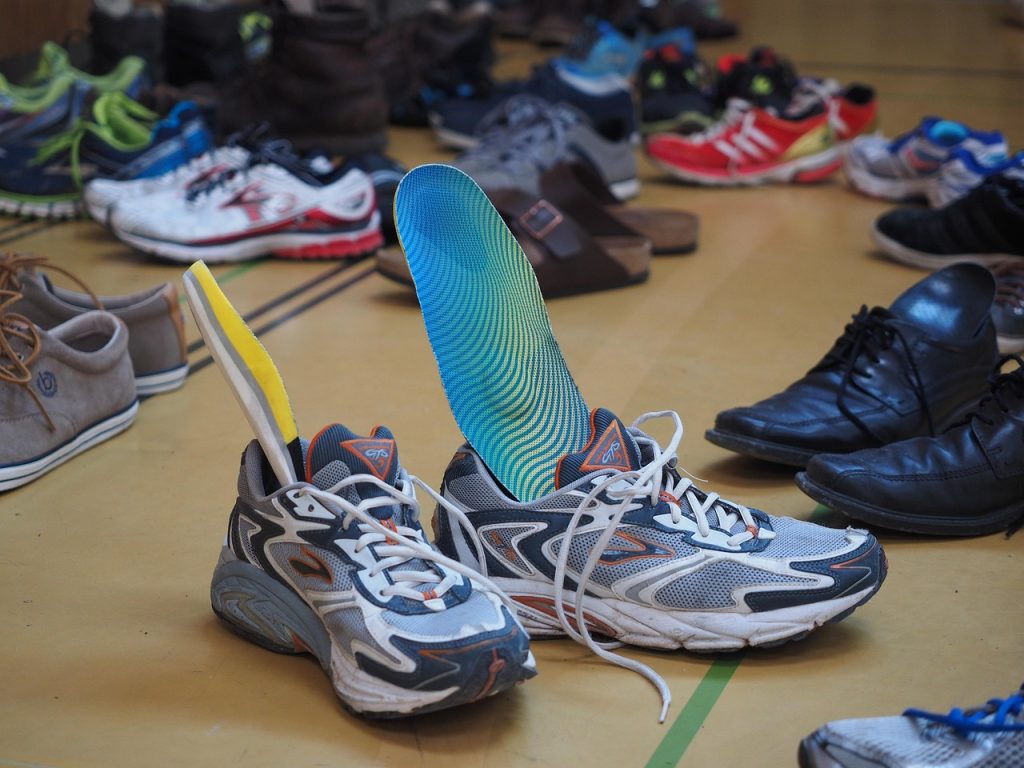
Orthotics are essential for maintaining your mobility and overall foot health for years when proper foot care is prioritized. A finely crafted orthotic, molded for every footfall and tailored to each patient’s unique feet, can retain its magic for a decade or more. The longevity of custom foot orthotics varies based on the type, material, and daily wear pattern. Typically constructed of carbon fiber or other strong materials, custom orthotics last longer than store-bought shoe inserts. Although pricier, these durable insoles resist daily strain better, particularly for active elders. EVA orthotics, soft and cushioned, feel nice underfoot but may collapse after 18 to 24 months of heavy use. Most orthotics average somewhere in the 1 to 5 year range for useful life, though that number shifts depending on care and how much walking or standing is done.
Implement A Routine Maintenance Schedule To Extend The Life Of Your Orthotics.
Regular inspections and maintenance are crucial for overall health, especially when it comes to caring for your orthotics. A good practice is to review your custom foot orthotics with your podiatrist every week for wear patterns. Warping, cracks, or signs of damage indicate that the device is nearing the end of its life. If you notice these changes, it’s time to consider having them checked or replaced. Swapping between two pairs allows the material to rebound, thus extending the longevity of both pairs.
Store Your Orthotics Properly To Prevent Damage And Maintain Their Shape.
To maintain the good condition of your orthotics, they should be dried and kept out of direct sunlight. Heat can bend or warp the material, while dampness can break down the layers or cause mold. When you remove your shoe insoles from your shoes, lay them flat on a clean, dry shelf to ensure proper foot care.
Regularly Clean Your Orthotics To Prevent Odors And Maintain Hygiene.
Wipe down orthotics with a damp cloth weekly. For a deeper clean, mild soap and water do the trick. Just be sure to air dry completely before use. Sanitized orthotics reduce bacteria and odors.
Schedule Annual Checkups With A Podiatrist To Ensure Your Orthotics Continue To Meet Your Needs.
At a minimum, adults should schedule an annual orthotics checkup to address any potential fit issues or gait changes. Regular visits with a podiatrist can help catch small problems before they lead to ongoing foot pain.
Conclusion
To keep feet strong and pain-free, seniors should get their orthotics checked regularly at The Shoe Doctor. Check for cracks, bent edges, or lost shape. They usually last around a year, but heavy use or a lot of miles on foot can burn through them quicker. Small aches or a new limp can mean it’s time for new inserts. Even with care, foam wears thin and plastic flexes. A good podiatrist can assist in selecting the best fit or determining if repairs will suffice. New orthotics assist balance and reduce fall risk. Keep an eye on your comfort or support. To keep moving comfortably, make a note to check your orthotics every few months and consult your care team if something feels wrong.
Frequently Asked Questions
1. How Often Should Seniors Replace Their Orthotics?
When should seniors replace their orthotics, such as custom foot orthotics, for maximum benefit? It depends on usage, comfort, and wear pattern. Regular check-ups ensure optimal support and overall foot care.
2. What Are Common Signs That Orthotics Need Replacing?
Main indications of needing new orthotics include diminished padding, obvious fissures, irritation, or escalating foot pain, making regular visits to a foot doctor essential for ongoing foot care.
3. How Does Lifestyle Affect Orthotic Lifespan?
Fast-active lives could wear down orthotics more quickly. If you walk a lot, exercise, or wear them in multiple pairs of shoes, they may lose their effectiveness earlier. Check wear and comfort frequently.
4. Can Worn-Out Orthotics Cause Health Issues?
Old orthotics can cause insufficient support, additional pain, or new joint issues, making regular orthotics maintenance checkups essential. Replacing orthotics at just the right time preserves overall health and keeps these problems at bay.
5. Is It Better To Refurbish Or Replace Orthotics?
Refurbishing shoe insoles can assist if small fixes are required for various foot conditions. Once the support is lost, full replacement is often safer and more effective for seniors.
Move With Comfort And Confidence Using Orthotics For Seniors From The Shoe Doctor
Foot, knee, hip, or back pain can make everyday activities harder as we age. Walking, standing, or maintaining balance often becomes uncomfortable when your feet lack proper support. Small alignment issues can increase strain on joints, raise the risk of falls, and limit independence over time.
At The Shoe Doctor, we specialize in orthotics for seniors who want to stay active, stable, and comfortable. Using advanced 3D foot-mapping technology, we evaluate how your feet move, bear weight, and absorb impact during daily activities. This detailed insight allows us to create custom orthotics that improve balance, support alignment, and reduce pressure on sensitive areas.
With over 20 years of experience, Russell combines precise technology with hands-on craftsmanship to design orthotics that do more than feel good. They help improve posture, ease joint stress, and support safer, more confident movement. Through our partnership with the Spine and Injury Medical Center in San Jose, we also look at gait and posture to support whole-body balance and long-term mobility.
If you want to stay independent and comfortable in the South Bay Area, schedule your free consultation today. Let The Shoe Doctor help you move with stability, ease, and confidence every day.
Disclaimer
The materials available on this website are for informational and entertainment purposes only and are not intended to provide medical advice. You should contact your doctor for advice concerning any particular issue or problem. You should not act or refrain from acting based on any content included in this site without seeking medical or other professional advice. The information presented on this website may not reflect the most current medical developments. No action should be taken in reliance on the information contained on this website, and we disclaim all liability for actions taken or not taken based on any or all of the contents of this site to the fullest extent permitted by law.