
Gel insoles provide soft padding underneath your feet and can relieve light foot soreness during casual strolls or extended periods of standing. For most people, sliding gel insoles into shoes adds comfort and can assist with weary feet. If you experience chronic pain, have high arches, or foot conditions like plantar fasciitis, basic gel pads won’t cut it. Custom orthotics provide a fit tailored to your foot’s motion, delivering support where you require it. Choosing between gel insoles and custom orthotics comes down to your needs, pain, and lifestyle. Knowing what each option does helps you in selecting the appropriate support for your feet. The main body disassembles these options and advantages.
Key Takeaways
- Gel insoles can help alleviate minor foot fatigue, so they’re fine for occasional or short-term use.
- Custom orthotics provide personalized support that corrects root foot mechanics, making them necessary for long-term ailments, structural abnormalities, or intense physical activity.
- Gel insoles alone might not provide sufficient arch support or lasting pain relief if you suffer from chronic or complex foot issues.
- While custom orthotics are a pricier investment up front, they are typically more cost-effective in the long run, as they last longer and can prevent additional health problems.
- Picking the correct insole for your particular need can save you from unnecessary pain, discomfort, or costly treatments down the road.
- If you’re not sure which is right for you, they can help you ensure your feet are in their best shape.
Understanding Gel Insoles
Gel insoles, often found in sporting goods stores or drugstores, have become the quick-fix solution for weary, aching feet. Touted for comfort, they can significantly reduce foot pain and fatigue during long days on your feet. Compared to slender foam or minimal inserts, gel insoles provide extra cushioning, softening every step. Their accessibility makes them a popular choice for anyone seeking immediate relief from persistent foot problems.
The Promise
Brands sell gel insoles as quick cures for foot pain, often marketed as comfort insoles that enhance comfort, provide shock absorption, and support your soles all day long. Many people grab them on the fly since they fit easily into just about any shoe. The soft gel dissipates pressure throughout your foot, making it ideal for long shifts on your feet or a stroll through the city. If your foot pain is mild or intermittent, gel insoles can provide that quick relief you crave, but for persistent foot problems, custom insoles may be a more effective solution. Daily use can alleviate soreness, but the relief is fleeting for the majority.
The Reality
Gel insoles aren’t meant to cure deep-seated podiatric issues, especially for those with persistent foot problems like flat foot or plantar fasciitis. For such conditions, custom orthotics are fabricated for your specific foot anatomy and walking pattern, making them a more effective option for difficult situations. All feet are different, and while gel insoles may provide some comfort, they rarely offer substantial arch support. If you require additional stability or have high arches, you might find that gel insoles come up short, providing only minimal pain relief.
The Lifespan
It turns out that gel insoles wear down. On average, they’ll last you around 4 to 6 months with daily use. The gel can thin, and the surface can flatten, so you sense less support.
- Look for any apparent cracks, splits, or thinning in the gel.
- Pay attention if your feet feel sore again after use. This may indicate the insoles are tired.
- Smell for odors that don’t go away after cleaning.
- Replace if you observe that the shape does not rebound after pressing it with a finger.
Swapping out gel insoles every few months is a cumulative cost. Instead, custom orthotics come with a higher upfront cost, but they last much longer, often making them more cost-effective for chronic problems.
Deconstructing Custom Orthotics
Custom orthotics are little medical miracles molded to your feet, engineered to your specific requirements. Unlike generic gel insoles, which come in standard sizes and shapes, custom insoles are based on your unique biomechanics, gait, and pain. Prefabs might call themselves orthotics, but only real custom orthotics have the journey and the materials that sometimes last three to five years, providing the right support for overall foot health.
The Process
Custom orthotics begin with a fitting. It includes in-depth evaluations and measurements, frequently performed by a podiatrist or experienced clinician. Certain clinics employ foot molds, 3D scanning, or pressure-mapping technology to take your foot shape and walking style.
- Medical history review and pain assessment
- Foot examination and alignment check
- Gait analysis using video or sensor technology
- Foot molds, impression boxes, or 3D scanning, depending on how the orthotics are modeled.
- Custom device fabrication based on results
- Fitting the orthotics and making initial adjustments
Gait analysis is important because it illustrates how you move when walking or running, identifying problems that don’t always manifest in a static exam. This step allows the clinician to design orthotics that truly fit your gait. Once fitted, follow-up visits are crucial. Modifications could be necessary as your feet acclimate or if the orthotics induce surprise aches, such as overcompensation with excessive arch support.
The Purpose
Custom orthotics seek to provide support and pain relief where you need it. They assist with long-standing issues such as plantar fasciitis, flat feet, or heel pain. Aligning your feet can help you walk with less pain and balance better.
The long-term benefits extend beyond foot comfort. Custom orthotics can reduce the potential for knee, hip, or back pain by spreading out pressure. They can help keep small problems from becoming long-term injuries. Some folks discover that OTC inserts do the trick for mild symptoms, but severe or persistent pain frequently requires a tailored solution.
The Materials
They use materials such as graphite, medical-grade EVA, or thermoplastics. These decisions affect both your level of support and the durability of the orthotics. Rigid materials, such as carbon fiber, provide strong support for structural issues, whereas softer foams buffer pressure points for comfort.
Material selection impacts durability. Premium materials last for years, while the cheaper ones tend to wear down faster. Innovations in orthotic materials mean they can be lighter, thinner, or more breathable, making them easier to wear on a day-to-day basis.
Gel Insoles or Custom Orthotics?
Selecting the right foot support starts with recognizing your feet’s unique biomechanics and the function of various solutions, such as custom insoles and orthotic insoles. This understanding helps address either short-term pain or persistent foot problems, as outlined in the table below.
Condition | Gel Insoles | Custom Orthotics |
Mild fatigue | Often enough | Not always needed |
Flat feet | Minimal help | Better, tailored fit |
Plantar fasciitis | Short-term ease | Long-term fix |
Overpronation/supination | Rarely help | Strong support |
Sports injuries | Cushion only | Precise correction |
1. Biomechanical Function
Custom orthotics, such as moldable insoles, are specifically shaped for your foot, fitting your unique biomechanics and pressure points. This tailored support corrects issues like flat feet or high arches, which standard insoles cannot address. Unlike gel insoles that merely provide cushioning, custom orthotics deliver durable, consistent arch support, ensuring your body aligns properly and your foot functions optimally with each stride. If you’re looking for effective pain relief orthotics, custom options truly assist in correcting foot mechanics. For anyone seeking lasting overall foot health, the right support is essential.
2. Symptom vs. Source
Gel insoles may hide pain from standing or walking, but don’t cure the underlying issues. Custom orthotics go deeper by addressing problems like fallen arches or joint strain, providing long-lasting relief. Relying on gel insoles can lead you to overlook serious foot mechanics issues. By targeting the root cause, orthotic insoles can prevent pain from returning, ensuring better overall foot health.
3. Durability & Material
Gel insoles wear out fast, and after a few months, the gel can compress and flatten, leading to persistent foot problems. In contrast, custom insoles employ harder materials that last for years, providing better arch support and ultimately saving you money on replacements.
4. Professional Demands
Hours of standing or walking can be brutal on your feet, especially for those in demanding jobs like healthcare, retail, or construction. Custom insoles offer specialized support designed for individuals who are always on the move. If your job requires constant mobility, investing in custom orthotics can help prevent soreness or injury. A foot care pro can assist you in finding the right support for your work.
5. Long-Term Value
Custom orthotics, while more expensive up front, can save you from larger medical expenses down the road by providing essential arch support insoles. They could reduce your risk for persistent foot problems, leading to less pain and fewer doctor visits tomorrow. Investing in custom insoles today ensures long-lasting comfort and could save you money in the long run.
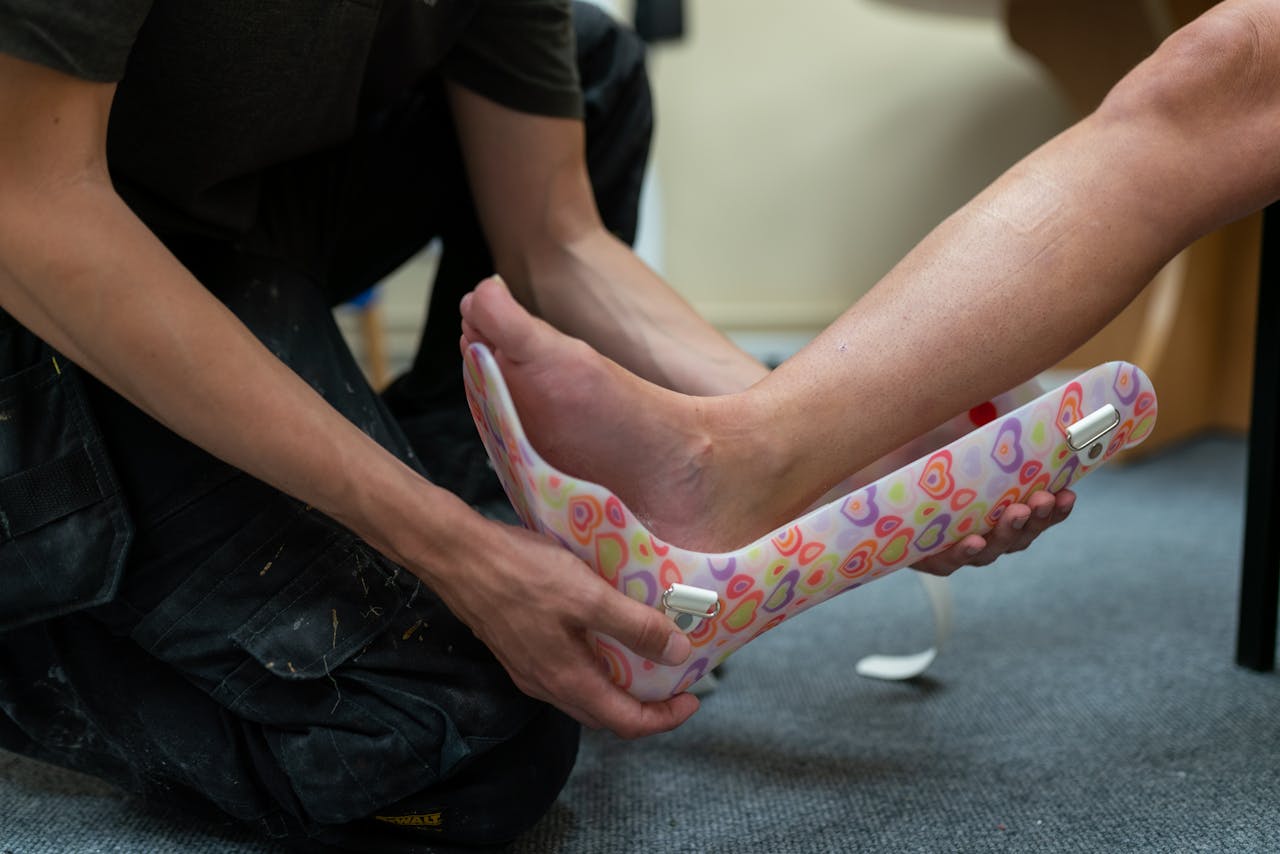
When Gel Insoles Suffice
For mild, occasional foot discomfort, gel insoles can be a handy tool. These custom insoles cushion your feet and can dampen impact from standing or walking if you don’t have serious foot mechanics issues. For lots of people, gel insoles are a no-hassle method to handle minor aches or proactively nip new issues in the bud.
Minor Fatigue
Gel insoles are great for alleviating light achiness after a long day on hard floors or pounding the pavement for hours. If you have slight heel pain or flat feet, the added cushion could help dampen each step and relieve the sting in your heels or arches. This can make a real difference for those folks who just suffer from foot fatigue occasionally, not daily.
For those with professions that require extended standing, such as retail and educators, gel insoles may provide just enough relief without breaking for a custom solution. Soft gel cushions absorb shock, making them a pragmatic choice for those with minor, transient pains. Still, it’s wise to monitor your footwear welfare. Continued discomfort, even if low-level, is often indicative of something more serious and potentially needing a different strategy.
Occasional Use
Special events, quick trips, or parties – these are moments when gel insoles rock. You receive bonus comfort for a couple of hours without having to change shoe size or fit. If you need relief for a wedding, a work event, or travel days, gel insoles slide in and out of different shoes with minimal hassle.
Their flexibility is a major advantage. You can transfer them from a sneaker to a flat to a dress shoe. Even if you don’t wear them every day, gel insoles whenever you walk a lot or take a flight can keep soreness from flaring up. While these are short-term benefits, they keep you on your feet and feeling good when it matters most.
Budget Constraints
Gel insoles are typically a great deal cheaper than custom orthotics. For a lot of people, price is a huge consideration, particularly if insurance doesn’t cover custom. Gel insoles allow you to get relief without a large up-front investment or appointment waiting.
Gel insoles provide immediate support, which is great if you’re not prepared to invest in a more expensive, permanent fix. It’s important to consider if the lower price satisfies your requirements for foot health in the long term.
When Custom Orthotics Are Essential
Custom orthotics, especially moldable insoles, come in when cheap gel insoles just don’t cut it. They’re not merely a comfort upgrade; they’re a medical solution for the right needs, particularly when pain relief orthotics or structural changes make generic options insufficient.
Chronic Conditions
Such as when you have plantar fasciitis, heel spurs, or Achilles tendonitis. These conditions usually require more than generic insoles. Custom orthotics provide you with personalized support precisely where your foot requires it. This provides pain relief and prevents your symptoms from spreading.
Chronic pain can persist for years if left unattended. Custom orthotics help disrupt this cycle by distributing pressure away from painful areas and providing you with all-day support. For diabetics or those with poor circulation, custom orthotics prevent ulcers and nerve pain before it begins.
When you’ve gone the route of store-bought insoles and continue to ache, it’s a signal that your feet need a more specific strategy.
Structural Issues
Flat feet, high arches, bunions, and other structural issues require more than basic cushioning. Custom orthotics mold to your foot’s unique shape, correct alignment, and reduce pressure on trouble spots.
Occasionally, your pain isn’t about comfort. Underneath, it’s about bones and joints that aren’t in proper alignment. With a proper fitting, orthotics can help halt overpronation or supination, frequent culprits of stubborn foot and even knee pain.
Not addressing these problems can cause them to turn into larger issues. A specialist can catch imbalances you didn’t know you had and support you.
High-Impact Roles
If your job or sport has you standing for long shifts, or if jumps and sprints are part of your daily routine, your feet are under more stress than usual. Custom orthotics provide you with additional shock absorption and support.
Custom orthotics can reduce injuries and fatigue for athletes, runners, warehouse workers, and nurses. They keep you on your feet and push you to do more by giving your feet what they crave most: activity-matched support.
Proactive Health
You don’t have to wait until it hurts to pamper your feet. When Custom Orthotics Are Essential. Using custom orthotics early can help you avoid problems as you get older or if you have a family history of foot issues.
Routine foot screenings and custom orthotics before you’re hurting can prevent small issues from becoming major. Over the years, that has you moving with less pain and fewer setbacks.
The Hidden Cost of a Mismatch
Choosing the right insole or orthotic isn’t merely about comfort; it significantly affects your overall foot health, mobility, and budget. When you insert an insole or orthotic that doesn’t match your unique biomechanics, it’s akin to throwing a wrench into the works. This mismatch can lead to more than just sore feet at the end of a long day; it can result in new pains such as knee pain, hip pain, and even lower back pain instead of the relief you seek. For example, if your orthotic overcorrects your step, it can worsen conditions like plantar fasciitis or lead to ankle sprains.
Many people are tempted to think that a gel insole is a magic bullet. However, when an insole fails to align with your foot mechanics, the discomfort can build up over weeks or months. You may find that every step, every hour spent on your feet, or even sitting, becomes painful. For some, this results in deep-seated issues that require more than just downtime to resolve. A poor fit can lead to a prolonged ‘breaking-in’ period, where you might need to wear the new arch support insoles only for a few hours each day, gradually increasing as your body adjusts. This can be both uncomfortable and disruptive to your daily routine.
The implications of a poor fit extend beyond physical discomfort; there are financial aspects to consider as well. Custom insoles can set you back as much as $1000 a pair, and if they don’t fit correctly, you’ll find yourself needing frequent adjustments or replacements. Each visit to a specialist or clinic adds more time and money to your expenses. Some studies indicate that custom orthotics may not be more effective than OTC insoles for specific types of foot pain. You may end up spending a lot for little or no benefit if the fit or style isn’t suitable for your needs.
To make a well-informed choice, think beyond short-term discomfort and focus on your long-term wellness. Take a moment to evaluate your specific requirements, consult a proactive podiatry expert if necessary, and consider what type of insole or orthotic best suits your body and lifestyle.
Conclusion
Gel insoles provide quick comfort to aching feet. They fit most shoes, and they cost less. If you’re suffering from foot pain from hours on your feet at work or seeking extra comfort for walks, gel insoles do the trick. Custom orthotics mold to your feet and address hard-to-treat foot problems, such as flat arches or old injuries. They last way longer and provide actual support for activities such as running or standing all day long. It depends on your needs. Looking for a pick-me-up for everyday comfort? Try gel insoles. Require assistance for discomfort or specific foot requirements? Choose custom orthotics. Go ahead and test them both, if you like, and see which feels better. Your feet will love you for it. Consult a foot doctor for additional assistance.
Frequently Asked Questions
Are gel insoles good enough for everyday comfort?
Yes, gel insoles can provide additional cushioning and comfort for everyday wear, but for serious foot mechanics issues, custom insoles may be necessary to address specific foot problems.
What is the main difference between gel insoles and custom orthotics?
Gel insoles provide general cushioning and support, while custom insoles are crafted specifically for your feet, accommodating your unique biomechanics and medical needs for optimal benefit.
When should you consider switching from gel insoles to custom orthotics?
If you have persistent pain, foot deformities, or a medical condition such as flat feet, consider custom insoles. These orthotic insoles are designed to support your unique biomechanics and enhance overall foot health.
Can you use gel insoles if you have plantar fasciitis?
For long-term relief from plantar fasciitis, custom insoles and orthotic insoles are essential!
Are custom orthotics worth the extra cost?
Gel insoles provide excellent cushioning, but if you experience persistent foot problems, consult a podiatrist about custom orthotics. These arch support insoles can enhance your overall foot health and comfort long-term.
Will wearing the wrong insole or orthotic make your pain worse?
Yes, using the wrong insole or orthotic can lead to increased pain, discomfort, or even new issues; for effective pain relief orthotics, consider custom insoles.
How do you know if you need custom orthotics?
If you have chronic foot, knee, or back pain and standard insoles don’t help, you may need custom insoles. A healthcare professional can evaluate your unique biomechanics and suggest the optimal choice.
Stay Comfortable and Pain-Free With Custom Orthotics for Workers on Their Feet All Day From The Shoe Doctor
If foot, knee, or back pain is wearing you down at work, your footwear support may be part of the problem. Standing or walking all day puts constant stress on your feet and joints. Small alignment issues can accumulate quickly, leading to fatigue, soreness, and chronic pain by the end of every shift. Without proper support, each step adds strain that your body never really gets a break from.
At The Shoe Doctor, we specialize in helping workers who spend long hours on their feet stay comfortable and supported. Using advanced 3D foot-mapping technology, we analyze how your feet stand, move, and bear weight throughout the day. That data enables us to design custom orthotics that enhance stability, correct alignment, and reduce pressure in high-stress areas, regardless of your industry, including healthcare, retail, hospitality, construction, or education.
With over 20 years of experience, Russell combines precise technology with hands-on craftsmanship to create orthotics that do more than cushion your feet. They help reduce fatigue, lower injury risk, and support your body through long shifts over time. Through our partnership with the Spine & Injury Medical Center in San Jose, we also look at posture and gait to support full-body balance and long-term relief.
If you work on your feet in the South Bay Area, schedule your free consultation today. Let The Shoe Doctor help you get through every shift with less pain and more energy.
Disclaimer
The materials available on this website are for informational and entertainment purposes only and are not intended to provide medical advice. You should contact your doctor for advice concerning any particular issue or problem. You should not act or refrain from acting based on any content included in this site without seeking medical or other professional advice. The information presented on this website may not reflect the most current medical developments. No action should be taken in reliance on the information contained on this website, and we disclaim all liability for actions taken or not taken based on any or all of the contents of this site to the fullest extent permitted by law.