Orthotics for seniors are custom shoe insoles or supports designed to alleviate foot pain, relieve joint strain, and improve balance that can accompany the aging process. Orthotics for seniors. Many seniors report that orthotics provide daily relief by alleviating pressure on their feet, knees, and hips. Whether you have diabetes, arthritis, or an old injury, orthotics for seniors can mean greater comfort and improved mobility with the right fit. Typically, orthotics use soft or firm materials, contoured to the foot, which assist in halting common ailments such as bunions or calluses from advancing. Physicians or podiatrists typically recommend these supports after a complete examination. The appropriate orthotic varies based on an individual’s gait, health requirements, and footwear. The following sections discuss how to select and utilize orthotics.
Key Takeaways
- Orthotics for seniors can make an impactful difference in senior mobility by addressing biomechanical imbalances that contribute to foot pain and gait instability.
- By helping combat common senior foot issues like arthritis, diabetes, flat feet, and plantar fasciitis, the right orthotics encourage increased comfort, mobility, and foot health in the elderly.
- Custom-made versus off-the-shelf orthotics for seniors Orthotics need to be selected carefully, with an emphasis on material and fit with the supportive shoe to reap the maximum benefit.
- Custom-made and good-quality shoes continue to be a must in complementing orthotics. Shoes provide sufficient support, proper fit, and non-slip properties to help reduce injury risks even more.
- By enhancing alignment and posture, the orthotic advantage transcends the foot and can assist in easing knee, hip and back pain.
- Routine check-ins, progressive wear-in periods, dedicated upkeep, and replacement when necessary are key to continuing impact and lasting mobility gains for seniors benefiting from orthotics.
How Orthotics Improve Senior Mobility
How Custom Orthotics Enhance Senior Mobility tackles the posture, pressure, and movement problems that plague most seniors, particularly as their walking patterns and stability shift with age. With continued use, prescription foot orthotics help them experience significant increases in comfort and fall risk reduction, which is a major issue for senior citizens.
1. Correcting Alignment
Orthotics, including custom foot orthotics, alter foot alignment, assisting the entire body in remaining aligned. Proper alignment reduces the chance of stress on the knees, hips, and spine. More often than not, senior citizens suffer from flat feet, bunions, or arch collapse pain. Foot orthotics help to reset the foot and align the body, promoting a stable, natural gait that reduces the risk of injuries due to missteps. Over the long term, that alignment can reduce chronic pain, helping movement throughout the day glide more fluidly.
2. Redistributing Pressure
One of the key functions of orthotics is to distribute pressure throughout the foot. As we get older, these common sources of pain, like the heel or ball, can degrade. Specialized insoles target these locations, decreasing pain and assisting in supporting balanced weight. For seniors with plantar fasciitis or arthritis, this shift can prevent piercing pains and keep them standing longer. Pressure relief improves balance, too, because no one location experiences excess strain.
By distributing weight, orthotics prevent sores and relieve swelling. This is valuable for those who stand a lot. A properly fitted device can make walking less exhausting.
3. Enhancing Stability
Orthotics provide additional support, essential for seniors who may feel wobbly. This added traction reduces slips, particularly on slick indoor surfaces. With a more stable step leading the way, orthotics can help correct the gait quirks that creep in during people’s 60s or 70s, and even earlier for some.
Confidence comes from feeling stable. When seniors trust their footing, they step more, stay active, and dodge the downward spiral of post-fall frailty.
4. Absorbing Shock
Soft padding embedded in custom orthotics absorbs the impact of every step, providing necessary support for seniors who stand or walk frequently. With reduced shock, joints, particularly knees and hips, experience less impact, leading to decreased pain from everyday motion. This is crucial for those dealing with foot discomfort or arthritic joints, promoting better foot care needs.
5. Improving Sensation
Orthotics assist in increasing feedback from the feet so the brain knows where each step falls. For senior citizens with nerve loss or diabetic foot disease, this extra sense helps detect changes and prevent wounds. Custom foot orthotics can encourage good circulation, keeping feet healthier and reducing the likelihood of ulcers.
Addressing Common Foot Conditions
As we age, foot problems such as plantar fasciitis, arthritis, and diabetes become common, potentially restricting movement and affecting overall well-being. These issues often manifest as pain, swelling, or difficulty walking. With early detection and proper treatment, small concerns can be managed effectively. Custom orthotics, particularly those tailored to the individual’s specific foot issues, focus on alleviating discomfort by providing essential support, padding, and improved posture. Podiatrists play a crucial role in identifying pain sources, selecting the right orthotic devices, and educating patients about their foot care needs.
The Arthritis
Arthritis in your feet frequently results in inflamed joints, causing walking discomfort and reduced mobility. Custom foot orthotics help relieve stress from painful areas and position the foot to alleviate strain on injured joints. This arrangement reduces pain and prevents joints from becoming more rigid. Stable, quality orthotic devices can make everyday motion more secure and fluid, allowing patients to maintain an active lifestyle, which is critical for joint health. Routine visits to a podiatrist ensure that foot care needs are fine-tuned when needs evolve.
The Diabetes
Diabetics are at an increased risk of foot ulcers, infections, and nerve damage caused by poor circulation and elevated blood sugar. Custom foot orthotics constructed with additional cushioning and smooth edges assist in shielding the skin and reducing the risk of ulcers. Good support circulates blood through the feet, which is key for recovery. Daily foot checks and shoes that fit well can prevent minor foot issues from becoming serious. Podiatrists recommend the optimal orthotic style, demonstrating how it integrates into a comprehensive diabetic foot care strategy.
The Flat Feet
Flat feet are notorious for causing pain from standing or walking and tend to be associated with overpronation, which is the rolling in of the foot. Custom foot orthotics with integrated arch support assist in distributing weight and maintaining the shape of the foot. This minimizes stress on muscles and joints, effectively eliminating pain. Most people require prescription orthotics, as foot shapes differ. These orthotic devices enhance balance and stabilize motion, which is an important factor for senior citizens who sometimes already struggle with balance. Extra attention to the selection of the appropriate footwear goes a long way.
The Plantar Fasciitis
Plantar fasciitis causes stabbing heel pain, particularly in the morning or after prolonged standing. Custom foot orthotics with rigid heel cups and added cushioning can alleviate the tension in the plantar fascia. By supporting the arch and controlling foot motion, these orthotic devices prevent the plantar fascia from becoming overstretched. Wearing shoes that provide adequate support and frequently replacing worn-out insoles can help prevent the pain from recurring. Foot care education, such as proper stretching and therapeutic footwear, aids in providing long-term relief.
Choosing Your Orthotic Solution
Selecting your orthotic solution is crucial for senior citizens, who should begin by evaluating their foot care needs, considering aspects such as daily activities, any underlying health issues, and the type of physical activities they engage in. Consulting a foot specialist or podiatrist is essential, especially since foot discomfort is not normal and can escalate into more serious health problems if ignored. Custom foot orthotics can help alleviate not only foot pain but also knee and back discomfort, making this choice even more significant. Orthotic devices encompass three types: those that change foot function, those that protect the foot for pain relief, and those that do both.
Custom-Made
Custom orthotics are designed to fit the precise form and requirements of every individual foot, making them a medical necessity for many. This custom fit aids in treating unique ailments, including plantar fasciitis, arthritis, or deformities that store-bought insoles cannot address. For senior citizens suffering from chronic foot-related issues or who require exact realignment, custom foot orthotics can significantly enhance balance and mobility. These orthotics typically employ stiffer materials for support but can be cushioned for comfort. Investing in custom solutions offers long-term benefits, such as durability and enhanced support as growing feet shift with age. While expensive, these orthotic devices may require updating every two years to remain effective.
Off-The-Shelf
Premade or off-the-shelf orthotics are convenient and less expensive than custom orthotics. They’re good if you have mild foot discomfort or just need some speedy pain relief, like temporary heel pain or arch support. Selecting the right size and contour is crucial, and an ill fit can exacerbate symptoms. Not all brands and models fit the same, so it’s essential to consider the specific foot issues of senior citizens. For those without special needs, off-the-shelf options provide an inexpensive, instant solution for their foot care needs.
Material Matters
Selecting custom orthotics crafted from the proper materials is significant for both comfort and longevity. Softer foams are excellent cushioning materials but tend to break down quickly, whereas firmer plastics provide better support and wear longer. It’s all about shock absorption for active seniors, whether you walk all the time or stand for hours, particularly if you have tender joints. Breathable materials scrub heat and moisture, promoting foot health. Material selection is a matter of taste, and some like the more flexible, soft feel, while others require functional orthotics for stability.
The Overlooked Role Of Footwear
The underestimated impact of shoes extends beyond daily mobility, but it directly affects the effectiveness of custom orthotics. Poor-fitting shoes can undermine the advantages of prescription orthotics, leading to injuries and falls. Proper footwear design, fit, and features are crucial for both mobility and safety, especially for senior citizens and diabetic patients.
Proper Fit
Shoes must fit properly to prevent pain, blisters, and long-term foot injuries, especially for senior citizens. As people age, their feet may shift in shape and size, making it essential to measure both feet regularly. Relying solely on your old shoe size can lead to issues, but poor-fitting shoes can cause hallux valgus and worsen musculoskeletal pain, increasing the risk of falls and injuries. Even a minor fit mismatch can lead to foot discomfort that discourages walking or exercise.
Testing shoes with custom foot orthotics is vital, ensuring there’s enough space for the insert and your foot. Aim for ample toe room, about a thumb’s width between your longest toe and the shoe’s tip, while the heel should fit snugly to provide necessary support and minimize slippage within the shoe.
Supportive Features
Support in shoes isn’t simply a comfort issue, but it’s a stability and fatigue issue. Arch-supported cushioned shoes take a lot of the wasteful overhead pressure off your legs and back, making long walks or standing up less fatiguing. Well-adjustable straps or laces help you get a secure fit that can adjust as your foot swells and contracts during the day.
Details such as non-slip soles are crucial, considering falls are among the top causes of injury among seniors. Senior shoes tend to have wider soles, lower heels, and superior traction, which reduce the risk of slips, trips, and falls. Footwear plays an overlooked role.
Shoe Type
Choosing the appropriate shoe for the activity makes a difference. Athletic shoes for walking or working out provide the greatest support and shock absorption for daily activity. There are even dress shoes made to accommodate orthotic inserts. In warm weather, sandals with arch support and heel straps lock the foot in place and remain breathable.
As opposed to one pair for everything, wearing shoes appropriate to each activity protects against weariness and foot wounds. Design features such as sole material and heel height consistently influence balance, plantar pressure, and overall mobility among older adults in particular.
Beyond The Feet: Systemic Benefits
Healthy feet are inextricably linked to how the body moves and feels as a whole. What begins in the feet frequently ripples up to the knees, hips, and back. Custom foot orthotics, which have been used in medicine for over 150 years, do more than alleviate foot pain, and they help optimize your entire musculoskeletal system. More than just comfort centered on the feet, proper alignment and support can reduce strain, enhance posture, and aid in injury prevention throughout the body, especially for senior citizens.
Knee Pain
Orthotic devices, such as custom foot orthotics, simply spread out weight more evenly across your foot, which helps reduce knee stress. When foot mechanics are off, such as in cases of flat feet or high arches, the knee picks up the slack, leading to pain or even joint damage over the long term. For senior citizens, an out-of-step can exacerbate arthritis or lead to falls. Orthoses, including specialized shoe inserts, can be customized to divert pressure away from painful areas, making every step easier on your knees. Research demonstrates that carbon graphite shoe inserts can reduce plantar pressure by approximately seventy-five percent, and consequently reduce knee impact. Regular visits to a podiatrist are essential to monitor changes and detect foot issues at an early stage.
Hip Discomfort
Good foot support, particularly from custom orthotics, can help maintain the natural alignment of the hips. When feet are unsupported, the body adjusts, potentially twisting the hips and leading to pain. Orthotic devices help restore balance with every step, particularly valuable for those suffering from persistent hip pain or structural shifts due to aging. The benefits extend beyond the feet: good foot posture promotes a smoother, more balanced walk, which reduces stress on the hips. Pairing an orthotic with hip strengthening and stability exercises can provide even greater results, lowering fall risk and supporting fluid mobility.
Back Strain
Back pain, for example, can begin with bad feet. Less obvious but even more exciting, changes in how the feet strike the ground may cascade up the body, changing posture all the way up the spine. For instance, in plantar fasciitis or pes planovalgus, custom foot orthotics do more than prevent pain under the feet, and also provide necessary support to realign the body and reduce back discomfort. By combining supportive shoes with prescription orthotics, you maintain better spinal alignment and reduce muscle tension. Exercise, maintained consistently, promotes spinal health by strengthening core and back muscles. Quite often, foot orthotics help as one element of a larger strategy to address connective tissue issues, arthritis, or even nerve disorders impacting the foot and back.
Maximizing Orthotic Effectiveness
Custom foot orthotics provide seniors with an opportunity to enhance their mobility, balance, and comfort. To maximize the benefits of orthotics, you must select the right ones, wean into them, care for them, and replace them on time.
Professional Consultation
A podiatrist can tailor custom foot orthotics to an individual’s foot shape and needs, which is crucial because conditions like forefoot varus or restricted dorsiflexion require different characteristics. For instance, a medial forefoot post can control foot pronation in forefoot varus, while a heel lift assists in cases of limited dorsiflexion and a short triceps surae. Personalized suggestions lead to better-fitting, more effective foot orthotics, addressing specific foot issues. Routine visits allow experts to monitor foot health and optimize as necessary. By considering their tips, senior citizens receive the necessary support that caters to their shifting needs and minimizes the possibility of a fall.
Gradual Adaptation
Approximately half will experience some initial discomfort when using custom orthotics. It’s good to wear new orthotic devices for just a few hours, maybe an hour or two, then ramp up over a week or two. This gradual approach allows the feet to get used to the new support and can increase one-leg stance time and postural stability, particularly in senior citizens with poor balance or a fall history. Listening to pain or other red flags is smart, as slow adaptation creates comfort and confidence in the orthotic.
Regular Maintenance
Maintaining custom orthotics is vital for hygiene and optimal performance. Senior citizens need to check for cracks, worn or misshapen spots, every few weeks, as these diminish the benefits. As feet shift in shape with age or health, minor tweaks or refits can be necessary to maintain proper footwear. Recording shifts in balance or comfort directs future check-ups and ensures that foot orthotics help stay working as designed.
Replacement Timeline
Orthotics don’t last indefinitely, and after intense wear or signs of thinning or broken edges, it might be time for a new pair, typically every 12 to 18 months. Pain, poor balance, or the return of old symptoms can indicate the need for new custom orthotics. Routine re-evaluations help ensure up-to-date corrections, which keep senior citizens active and reduce fall risk, especially when combined with exercise or balance training.
Conclusion
Orthotics transform the way seniors move on a daily basis. They relieve foot pain, reinforce weak areas, and maintain balanced strides. Good orthotics prevent minor aches from becoming major issues like knee or back pain. The right shoes go a long way toward this too. They provide each step with a solid foundation and assist orthotics in their effectiveness. A podiatrist or foot expert can help find the best fit. Everyone’s needs are a little different, so individual attention is key. To maximize orthotics, inspect your feet regularly and seek assistance if something seems amiss. Eager to join in or have your own tale to tell? Join the discussion below and get folks stepping free with The Shoe Doctor!
Frequently Asked Questions
1. What Are Orthotics And How Do They Help Seniors?
Custom foot orthotics are essential for seniors, as they aid foot alignment, reduce discomfort, and enhance stability, providing necessary support for safer and more comfortable walking.
2. Which Foot Conditions In Seniors Benefit Most From Orthotics?
Arthritis, plantar fasciitis, bunions, and flat feet often respond favorably to custom foot orthotics. These orthotic devices help alleviate pain and support weak or misaligned feet.
3. How Do I Choose The Right Orthotic For A Senior?
See a doctor to determine if you need custom orthotics or pre-made orthotics based on your specific foot issues, lifestyle, and medical condition.
4. Can Orthotics Improve Balance And Reduce Fall Risk?
Yes, custom orthotics can help with balance by promoting proper foot alignment, which is essential for reducing the risk of falls, a major issue for senior citizens.
5. Should Seniors Wear Special Shoes With Orthotics?
Yes, having supportive, comfortable shoes that fit well is essential for custom foot orthotics. Shoes with removable insoles and adequate room are ideal for orthotic devices.
Move With Comfort And Confidence Using Orthotics For Seniors From The Shoe Doctor
Foot, knee, hip, or back pain can make everyday activities harder as we age. Walking, standing, or maintaining balance often becomes uncomfortable when your feet lack proper support. Small alignment issues can increase strain on joints, raise the risk of falls, and limit independence over time.
At The Shoe Doctor, we specialize in orthotics for seniors who want to stay active, stable, and comfortable. Using advanced 3D foot-mapping technology, we evaluate how your feet move, bear weight, and absorb impact during daily activities. This detailed insight allows us to create custom orthotics that improve balance, support alignment, and reduce pressure on sensitive areas.
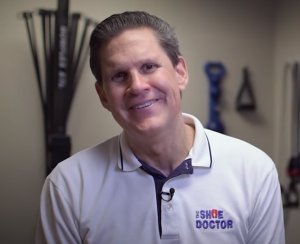
With over 20 years of experience, Russell combines precise technology with hands-on craftsmanship to design orthotics that do more than feel good. They help improve posture, ease joint stress, and support safer, more confident movement. Through our partnership with the Spine and Injury Medical Center in San Jose, we also look at gait and posture to support whole-body balance and long-term mobility.
If you want to stay independent and comfortable in the South Bay Area, schedule your free consultation today. Let The Shoe Doctor help you move with stability, ease, and confidence every day.
Disclaimer
The materials available on this website are for informational and entertainment purposes only and are not intended to provide medical advice. You should contact your doctor for advice concerning any particular issue or problem. You should not act or refrain from acting based on any content included in this site without seeking medical or other professional advice. The information presented on this website may not reflect the most current medical developments. No action should be taken in reliance on the information contained on this website, and we disclaim all liability for actions taken or not taken based on any or all of the contents of this site to the fullest extent permitted by law.