In terms of foot care, it’s important for people with diabetes because decreased blood flow and neuropathy frequently result in sores and delayed healing. With custom orthotic inserts or shoes from The Shoe Doctor, seniors can reduce pain, protect their feet from abrasions, and prevent the development of ulcers or infections. The right daily orthotic wear can reduce chances of causing problems for seniors’ feet. For seniors, selecting the appropriate type of orthotic translates to increased comfort and reduced issues with ambulation or equilibrium. In the following section, we’ll discuss types of orthotics and where they fit in your routine.
Key Takeaways
- Diabetics face serious foot complications as a result of nerve damage, circulation issues, and deformities, so prevention is important.
- Orthotic devices from The Shoe Doctor can reduce the risk of ulcers or injuries by helping to offload pressure, increase stability, correct imbalances, absorb shock, and accommodate swelling.
- Selecting between pre-made inserts and custom-crafted orthotics should be grounded in your specific health requirements and expert advice to provide the best support and comfort.
- Frequent visits to your doctor, a podiatrist, and a diabetes educator should be a part of your regular routine to track your foot health and adjust orthotic interventions as your condition evolves.
- Choosing the right footwear and performing daily foot inspections can help maximize the effectiveness of orthotics and catch issues early.
- New developments, including smart insoles and 3D-printed orthotics, provide exciting potential for customized and efficient diabetic foot care across the globe.
The Diabetic Foot Challenge
The ‘diabetic foot challenge’ is the persistent battle numerous diabetic individuals encounter to maintain good foot health. Neuropathy and compromised blood flow are prevalent, impeding wound closure and increasing infection risk. Custom orthotics from The Shoe Doctor, such as adapted footwear, can be an essential part of managing diabetes by distributing pressure and providing additional support. Routine foot checks with your provider are important to identify any changes to foot shape or gait. Orthotics need to be carefully selected and fitted and should be inspected for wear every 1 to 2 years.
Common Foot Deformities Seen In Diabetes:
- Claw toes
- Hammer toe
- Bunions
- Diabetic Charcot foot
- Inappropriately high or flat arches
The Nerve Damage
Diabetic neuropathy may cause pins and needles, pain, or numbness in the feet, leading to various foot conditions. A lot of folks may not even feel a minor cut, blister, or sore, which could go unnoticed and fester into a diabetic foot ulcer. Sometimes, the only indication is persistent soreness or strange foot pain, which can indicate underlying nerve issues. Routine foot exams, conducted both at home and by a professional, serve to catch these problems while they are still in their early stages before they become severe.
Poor Circulation
Because diabetes impedes circulation, foot health can be significantly compromised, leading to slow healing of foot wounds. Feet may feel cold or show pale or bluish discoloration, indicating poor circulation. These subtle changes can signal serious danger regarding wound healing, including the risk of developing a diabetic foot ulcer. Exercise and diet can boost circulation for most people, and diabetic patients should consult their healthcare providers for medical or vascular options when necessary.
Foot Deformities
Diabetes can, over time, alter foot structure, resulting in visible deformities such as bunions or high arches. These deformities can shift pressure to different places, increasing the risk of diabetic foot ulcers. Any change in contour, even mild, should be examined by a podiatrist. Custom orthotics from The Shoe Doctor, specifically designed for diabetic patients, can assist in alleviating pressure and providing optimal foot health.
Ulceration Risk
Foot ulcers in diabetes can begin from something as small as a scrape or a blister and can rapidly become limb-threatening if not controlled. It’s crucial to check your feet every day for cuts, redness, or swelling. A solid foot care regimen that includes proper footwear, such as diabetic shoes and right custom orthotics, involves mild cleaning, moisturizing, and well-fitted shoes. Educating caregivers with this knowledge allows them to detect early indicators and identify when it’s necessary to contact a doctor.
How Orthotics Prevent Complications
Orthotics play a crucial role in managing diabetes, particularly for diabetic patients, as they provide essential support for foot health. By offering targeted mechanical support and pressure redistribution, proper footwear can prevent diabetic foot ulcers and reduce the risk of complications that may lead to amputations. Additionally, custom orthotics and adapted footwear significantly enhance mobility and overall foot health.
1. Redistribute Pressure
Orthotics, including custom insoles, tend to disperse weight more evenly on the foot, thereby enhancing overall foot health. This aids in minimizing high-pressure areas that may develop into diabetic foot ulcers, particularly in elderly diabetics. These specialized shoe inserts consider unique foot contours and pressure points, reducing the risk for ulcer recurrence to around 20 percent, versus 50 percent in unmodified shoes. Periodic foot checks and device adjustments ensure that pressure is controlled as the foot changes over time.
2. Enhance Stability
Stability is often reduced with diabetes management due to nerve damage and changes in foot structure, leading to various foot conditions. Orthotics with heel cups and arch supports, such as functional orthotics, add extra stability, which helps prevent falls, a major concern for older adults. Evaluating how a diabetic individual walks can show where more proper foot support is needed. Sometimes, a removable walking brace adds another layer of balance, making daily activities safer.
3. Correct Alignment
Your custom orthotics help prevent various foot conditions from occurring. Proper foot support ensures less strain on the joints and muscles, enhancing foot health and alleviating fatigue. Regular reviews and fitting updates maintain the benefits of good foot health.
4. Absorb Shock
Orthotics constructed with shock-absorbing materials buffer every step, promoting good foot health and alleviating pain for diabetic patients. Rocker soles can assist in making walking smoother, particularly for those with rigid joints or pain, which is crucial for managing diabetes and preventing diabetic foot ulcers. If fatigue or discomfort returns, the orthotic should be adjusted or replaced.
5. Accommodate Swelling
Diabetic patients often experience foot swelling, making it essential to adapt footwear throughout the day. Utilizing functional orthotics or external shoe modifications can help maintain a comfortable fit and minimize pressure sores. Monitoring changes in foot size and investing in proper footwear is crucial for overall foot health, ensuring safety and comfort for managing diabetes.
Selecting The Right Support
Choosing the appropriate orthotic support is not a generic procedure, particularly for elderly diabetic patients. The objective is to reduce plantar pressure by at least 30 percent or under 200 kPa, decreasing the risk of diabetic foot ulcers and associated foot pathologies. While off-the-shelf inserts and bespoke molded devices can both assist, the selection is dependent on foot mechanics, health issues, and lifestyle. Fancy shoes? Always try them on in the afternoon when feet are swollen to ensure proper footwear and fewer pressure points.
Prefabricated Inserts
Prefabricated inserts, or off-the-shelf orthotics, are the most common and easily accessible options for managing foot health. Their chief benefit is fast relief for low-level foot pain and minor deformities, making them particularly useful for diabetic patients. For most, these inserts offer sufficient arch support to aid with general pain or fatigue, especially for flat-footed or mild-pronating feet. Ethylene-vinyl acetate foam, for example, is both soft and springy, while semi-rigid support designs assist in distributing pressure effectively.
They’re not indestructible and will wear out under intensive usage. Certain products may provide basic cushioning but lack fit customization, meaning pressure sores and discomfort can still be an issue. They’re not created equal, and less expensive options can compress quickly or simply not offer the right support for specific foot issues.
If you don’t have any major foot deformities, prefabs will be your best bet. They serve as a practical starting point, but for those with diabetic foot ulcers or other severe foot problems, they are not a long-term solution for high-risk cases. It’s essential to consider proper footwear and possibly explore custom orthotics for better outcomes.
Custom-Molded Devices
Custom-molded orthotics are constructed from a mold of the foot, conforming to every contour. They’re intended for anyone with difficult foot anatomy, severe neuropathy, or conditions such as Charcot arthropathy. Providing a more exact fit, these devices offload pressure in a smarter way, minimizing the incidence of recurrent ulcers. The recurrence drops to near 20% with custom shoes, versus nearly 50% without modification.
It usually takes some adjustment. As a user, watch for discomfort or shifting pressure points and collaborate with podiatrists for regular follow-up. Material selection is key. Composites of cushioned and semi-rigid layers can provide both support and comfort, while flares or heel lifts can tackle certain gait or stability concerns.
Medical Evaluation
Podiatrists are invaluable when it comes to selection and fitting. They check for deformities, neuropathy, and circulation issues, which help determine the appropriate support. Your regular appointments with the foot specialist can help monitor changes to your foot structure or skin, so orthotics can be updated in a timely manner.
Talking about your health needs makes sure your device fits both the comfort and safety bill. Experts can suggest new materials or design adjustments as technology advances, and their expertise is crucial for people who have a history of ulcers or extreme deformity.
Expert advice prevents errors and gets the most out of orthotics.
Beyond The Insole
Treating diabetic foot pathology involves more than just using foot orthotics, but it requires sensible shoe choices and proper footwear for diabetic patients. Regular foot checks and cooperation with your care team are essential for managing diabetes and enhancing overall foot health among diabetic seniors.
The Right Shoe
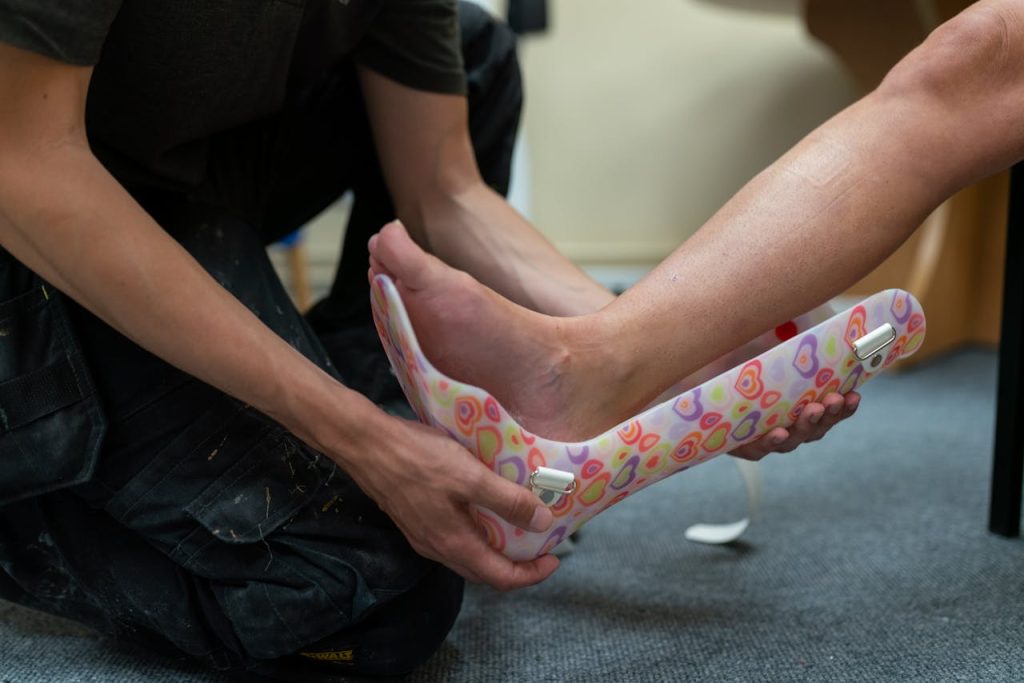
Shoe choice is the bedrock for successful orthotic wear, especially in managing diabetes. Shoes must be deep and wide enough to accommodate devices like the Arizona ankle-foot orthosis that rises above the ankle and below the toes. Tight shoes or high heels, particularly those above 5 cm, concentrate excessive pressure toward the forefoot, increasing the likelihood of diabetic foot ulcers. Shoes with padded soles, ethylene vinyl acetate flares, and mesh keep pressure spread out, promoting good foot health by ensuring feet remain ventilated and dry. A heel-to-toe rocker sole can significantly decrease peak plantar pressure, ideally by 30% or to below 200 kPa. Footwear experts can recommend adjustable components, such as flexible heels for patients needing plantar flexion, and ensure compatibility with walking braces, including pneumatic walkers or conformer walking boots.
Daily Foot Checks
It is imperative to implement a key habit of conducting daily foot checks to catch cuts, blisters, or color changes as early as possible, especially for diabetic patients. Seniors need to inspect every nook and cranny, even between toes, as this is crucial for maintaining good foot health. Caregivers should understand how to observe for early warning signs such as swelling or abnormal redness, as these can indicate potential foot problems. Recording minor variations, such as a fresh blister or dark spot, assists in monitoring advancement and signals healthcare providers about likely issues. As dry, clean feet rarely become infected, proper foot support and hygiene need to be included in day-to-day practices. When you act early, you can prevent small problems from becoming big problems.
Your Healthcare Team
A good care team involves podiatrists, diabetes educators, and occasionally orthopedists to ensure proper foot health for diabetic patients. Above all, open communication helps combat worries about new pain, swelling, or changes in foot shape. Together, the team can craft a plan that encompasses the use of orthotics from The Shoe Doctor, including specialized shoe inserts, shoe selections, and daily care. Routine follow-up appointments enable tracking of pressure relief, device fit, and new symptoms, so diabetes management can be modified as needs evolve.
The Future Of Foot Care
Foot care is moving rapidly, especially in the realm of diabetic feet. New tools and smart systems are transforming the way we assist diabetic patients with various foot conditions. The demand for improved foot health is increasing globally, and innovations are making diabetes management more intelligent, personalized, and convenient.
- 3D printing is used for custom orthotics and insoles
- Smart insoles that track pressure and temperature changes
- Next generation lattice and porous materials for featherlight and more breathable insoles.
- Finite element analysis and CAD are used to design and test devices.
- Wearable devices with real-time feedback and monitoring
- Personalized foot care plans using patient data
- Machine learning for early detection and treatment
- New materials for better comfort, support, and sustainability
Smart Insoles
Smart insoles play a crucial role in monitoring foot health with sensors that track foot pressure and temperature throughout the day. They provide real-time alerts to notify wearers if pressure increases or heat builds up, which can signal the onset of a diabetic foot ulcer. Some insoles even connect with smartphone apps, making it easy to monitor walking patterns and detect shifts in gait. These apps are invaluable for diabetic patients and their doctors, as they help spot potential issues early on.
Abnormal walking can elevate risks, especially for older adults managing diabetes. Intelligent insoles assist in early detection of concerns, allowing physicians to modify treatment plans effectively. This proactive approach not only decreases ulcer formation but also enhances overall foot health. Ultimately, smart insoles may lead to reduced hospital stays and lower healthcare costs by identifying risks before they escalate.
3D Printing
3D printing allows clinics to produce custom orthotics quickly. It can pair insoles to each individual foot shape, regardless of quirkiness. This results in more comfort and optimized pressure offloading, which is crucial for diabetics. The future of foot care is custom orthotics with 3D printing, ready in days, not weeks.
With finite element analysis and CAD, orthotics can be tested before printing, so the fit and support are spot on. New printing processes result in lighter, more breathable insoles. This simplifies daily wear for seniors. Clinics across the globe are beginning to adopt these tools to reach even more people more quickly.
Advanced Materials
New materials make orthotics softer and longer-lasting. Others utilize porous structures that maintain feet cool and dry. Others employ foams that mold individually to each foot. Materials science is driving alternatives that distribute pressure and reduce the risk of sores.
Tests reveal that a few of these new materials outlast the old ones. They mop up easier, which is great for seniors. The experts are always seeking the next breakthrough, like insole layers that combat bacteria or recycle components.
Understanding Potential Risks
Orthotics made and used correctly can help seniors with diabetes reduce their risk of foot issues. When used incorrectly or not monitored on schedule, they can cause more damage than benefit. If not used properly, they have the potential to cause sores, skin breakdown, or even new ulcers. Foot ulcers are an enormous concern for diabetic individuals. They return quite a bit, as in ‘50 percent’ return, if folks walk in shoes without making the required adjustments. With good shoes and custom orthotics, the rate falls to around 20%. Shoe choice is critical. It’s better to purchase shoes in the afternoon, when feet tend to be more swollen, for an accurate fit.
The table below sums up the main risks tied to poor orthotic use:
| Potential Risk | Description |
| Ulcer Development | Pressure points, friction, or misfit can lead to new foot ulcers. |
| Skin Breakdown | Orthotics that rub or pinch may break the skin, raising infection risk. |
| Poor Pressure Redistribution | Ill-fit devices may not lower pressure where it matters, leading to tissue damage. |
| Increased Edema | Bad design or material can trap fluid, causing swelling that makes things worse. |
| Joint Instability | Lack of proper support might make foot joints less stable, raising fall or injury risk. |
| Delayed Healing | Missed follow-up visits may mean small problems are not caught early, slowing wound healing. |
For diabetics, regular checks are critical. Feet shift as we age, but orthotics that used to fit may no longer fit later on. A focus in diabetic foot care is to reduce pressure at vulnerable locations to 30% or under 200 kPa. When orthotics do their job, they distribute pressure, reduce inflammation, and maintain joint stability. These interventions prevent ulcers and arrest Charcot arthropathy joint destruction, a frequently seen yet poorly understood complication.
Skipping foot care has tangible expenses. Diabetic foot ulcers are the number one cause of non-traumatic limb loss. The worldwide annual incidence of diabetic foot ulcers in diabetics is roughly 2 to 5 percent, and the lifetime risk is up to 20 percent. In tools such as the Wagner scale, this risk is tracked based on nerve loss, shape changes, and past ulcers.
Conclusion
Orthotics from The Shoe Doctor give seniors with diabetes a powerful way to protect their feet. They help reduce pressure on sore areas, relieve discomfort, and support wound healing. With the right custom fit and professional guidance, seniors can move with greater confidence and fewer concerns about blisters or injuries. A podiatrist can assess feet, recommend the best insoles, and catch small issues before they become serious. Pairing orthotics with well-fitted shoes, clean socks, and daily foot checks adds an extra layer of protection. With advancing technology, like smart insoles and innovative cushioning materials, seniors can maintain healthier, more active lives. Staying informed and following a personalized foot care plan with your care team ensures the best long-term results.
Frequently Asked Questions
1. How Do Orthotics Help Seniors With Diabetes Avoid Foot Complications?
Orthotics, including specialized shoe inserts and accommodative orthotics, offer support and padding, helping to relieve pressure points, align feet properly, and avoid diabetic foot ulcers.
2. Are Custom Orthotics Better Than Over-The-Counter Options For Seniors With Diabetes?
Custom orthotics, essential for managing diabetes, are frequently recommended as they provide superior support and protection for diabetic feet compared to generic store-bought versions.
3. Can Orthotics Prevent Diabetic Foot Ulcers?
Can foot orthotics help seniors with diabetes manage their foot health and avoid complications? They distribute pressure and reduce friction, protecting tender skin and preventing diabetic foot ulcers.
4. What Features Should Seniors With Diabetes Look For In Orthotics?
Seek orthotics that provide proper foot support with soft, moisture-wicking materials and additional padding to ensure good foot health and avoid injury.
5. How Often Should Orthotics Be Replaced For Optimal Protection?
Orthotics, including specialized shoe inserts, should be checked every 6 to 12 months to ensure proper foot support and overall foot health.
Move With Comfort And Confidence Using Orthotics For Seniors From The Shoe Doctor
Foot, knee, hip, or back pain can make everyday activities harder as we age. Walking, standing, or maintaining balance often becomes uncomfortable when your feet lack proper support. Small alignment issues can increase strain on joints, raise the risk of falls, and limit independence over time.
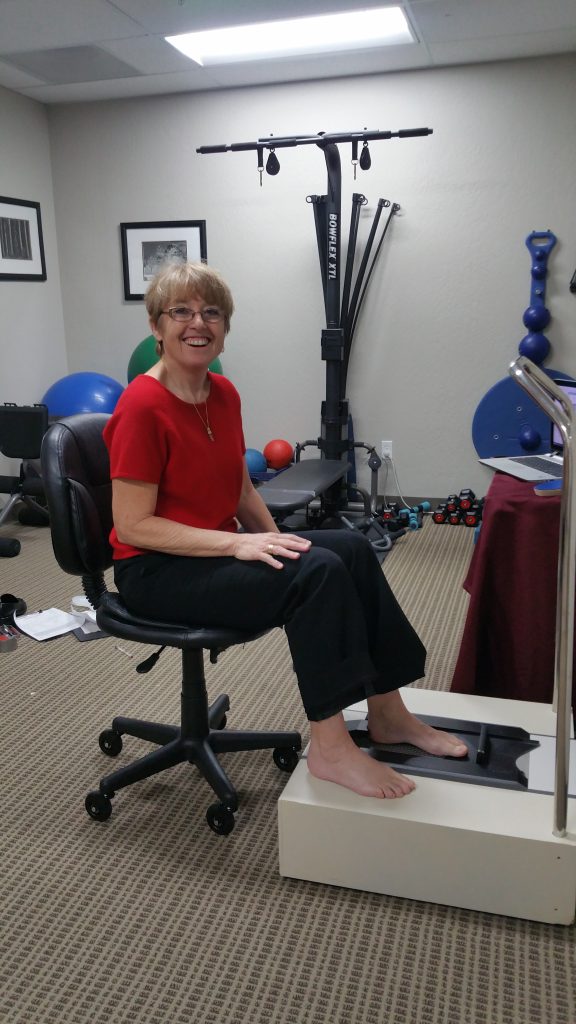
At The Shoe Doctor, we specialize in orthotics for seniors who want to stay active, stable, and comfortable. Using advanced 3D foot-mapping technology, we evaluate how your feet move, bear weight, and absorb impact during daily activities. This detailed insight allows us to create custom orthotics that improve balance, support alignment, and reduce pressure on sensitive areas.
With over 20 years of experience, Russell combines precise technology with hands-on craftsmanship to design orthotics that do more than feel good. They help improve posture, ease joint stress, and support safer, more confident movement. Through our partnership with the Spine and Injury Medical Center in San Jose, we also look at gait and posture to support whole-body balance and long-term mobility.
If you want to stay independent and comfortable in the South Bay Area, schedule your free consultation today. Let The Shoe Doctor help you move with stability, ease, and confidence every day.
Disclaimer
The materials available on this website are for informational and entertainment purposes only and are not intended to provide medical advice. You should contact your doctor for advice concerning any particular issue or problem. You should not act or refrain from acting based on any content included in this site without seeking medical or other professional advice. The information presented on this website may not reflect the most current medical developments. No action should be taken in reliance on the information contained on this website, and we disclaim all liability for actions taken or not taken based on any or all of the contents of this site to the fullest extent permitted by law.