Orthotics can help decrease your risk of work injuries. You receive support for your feet, ankles, and legs, which can potentially help minimize discomfort and tension during extended periods of standing or walking. We’re all familiar with orthotics to relieve pressure, correct posture, and align joints. For work that involves standing, walking, or heavy lifting, orthotics could help you stay balanced and delay fatigue. Research indicates that orthotics, when fit properly, can lower the incidence of falls and repetitive use injuries. You’ll notice less soreness by the end of your shift. Want to know how orthotics work and what to keep in mind? Read the next sections.
Key Takeaways
- Orthotics can help reduce the risk of workplace injuries by correcting foot misalignments and supporting proper posture, which can benefit your entire body.
- Custom orthotics provide more precise support and relief than generic insoles, particularly if you have abnormal foot types or persistent foot conditions.
- Well-fitted orthotics can help prevent common injuries like stress fractures, calluses, or slips and falls by evenly distributing pressure, absorbing shock, and improving stability.
- Orthotics can reduce fatigue and pain when standing or engaging in physical activity for hours. This allows you to sustain energy and focus on the job.
- Industries with physically taxing positions, such as healthcare, retail, and manufacturing, stand to gain the most from emphasizing foot health with orthotics.
- Seeing a healthcare professional for a proper evaluation guarantees you choose the appropriate orthotic, providing superior long-term outcomes and enhanced workplace safety.
Understanding Orthotic Intervention
Orthotic intervention is the use of devices to support, align, or optimize foot and ankle function. Custom orthotics, tailored for your unique foot shape, can significantly aid in addressing targeted issues such as plantar fasciitis or high arches, enhancing athletic performance and overall foot health. These devices help control postural flexible deformities, relieve discomfort, and improve mobility. Orthotics further reduce the burden your ankle endures, particularly with moulded ankle-foot orthoses (AFOs) and Arizona braces. There are two main types of foot orthoses: those that fit special foot shapes, such as a plantarflexed first metatarsal in a mild cavus foot, and more general options for everyday use. In this case, orthotic care for neuropathic foot problems typically involves joint immobilization, unweighting, or soft, accommodating supports. Orthotics are useful for conditions such as Achilles tendinopathy, with the appropriate device varying based on whether the condition is insertional or non-insertional.
- Can ease pain from foot conditions
- Improve how your foot moves and feels
- Support and align your body for better posture
- Lower risk of overuse and workplace injuries
- Fit many medical needs, from mild to severe cases
- Assist you in walking or standing more comfortably day to day.
- Reduce pressure on sore or weak spots
- Can be tailored for chronic nerve or muscle problems
Custom vs. Generic
Custom orthotics are special because they fit the precise morphology and requirements of your foot. They cooperate with your foot’s individual arch, width, and pressure points. It begins with a precise evaluation, typically through digital scans or molds of your foot. This guarantees the appliance is tailored correctly and provides optimal support. Generic insoles provide one-size-fits-all support. They can assist with minor aches and pains, but frequently don’t provide the support necessary for ongoing or chronic problems. With custom orthotics, you’re more likely to experience sustained relief, reduced injuries, and improved comfort. They are pricier in the short term.
Feature | Custom Orthotics | Generic Insoles |
Fit | Made for your foot only | Standard sizes |
Support | High targets problem areas | Basic, general |
Cost | Higher (USD 250–500) | Lower (USD 10–50) |
| Longevity | 2 to 5 years | 6 to 12 months | | Premium for | Chronic or complex | Minor, short-term pain |
The Biomechanical Link
Orthotics treat your body’s issues indirectly by directing your foot and ankle to help your body move in a more fluid, balanced manner. Improved foot alignment enhances overall foot health, which can do wonders for your knees, hips, and even your back. When you have proper foot support, you’re less likely to experience muscle or joint overcompensation, thereby reducing your risk for aches and pains. This is especially important for athletes or professionals requiring prolonged standing or walking. Orthotic devices, such as the Charcot restraint orthotic walker (CROW), can provide comprehensive support to the foot, ankle, and calf, which is crucial for conditions like Charcot joint or chronic ulcers. By maintaining your foot in a neutral position, effective orthotics not only relieve current pain but can also prevent new issues from developing.
How Orthotics Prevent Workplace Injuries
Here’s how orthotics can keep you working safely and happily, particularly if your career requires you to be on your feet or on the go all day. These specialized orthotics support your feet, relieve pain, and reduce the toll long shifts take on you, ultimately enhancing your overall foot health. Orthotics aren’t just for hurting feet; they’re an effective way to prevent bigger injuries from creeping up your body.
1. Correcting Misalignment
Orthotics play a crucial role in correcting bad foot alignment, especially for individuals who experience chronic foot issues. When your foot rolls in or out too far while walking, it can strain your knees, hips, and back, increasing the risk of injuries such as shin splints or Achilles tendonitis. This is particularly common in work environments where employees stand or walk for extended periods, like healthcare or factory settings. By providing proper foot support, orthotics enhance overall foot health, allowing you to stand tall and walk with improved posture, ultimately blocking injuries and ensuring maximum benefit for your feet.
2. Distributing Pressure
Orthotics distribute your weight evenly across your entire foot, providing proper foot support that helps prevent pressure from accumulating in a single area. This support helps stave off blisters, calluses, or even ulcers, which frequently arise from poorly fitting shoes or standing for too long. By ensuring proper alignment, your feet aren’t as sore come the end of the day, and this full support decreases your risk for stress fractures, particularly if you work in demanding environments or walk long hours at your job.
3. Absorbing Shock
Orthotics function like a sponge, absorbing the impact whenever your foot strikes the floor. This is why materials such as gel or foam are prevalent in effective orthotics. If you’re on your feet all day or lifting heavy things, proper foot support will help you experience reduced pain in your feet and joints. Quality shock absorption can prevent long-lasting problems like plantar fasciitis and keep chronic conditions from sidelining you.
4. Enhancing Stability
Orthotics provide you with a stable foundation, crucial for equilibrium and proper foot support. With enhanced support, you’re less likely to slip, trip, or fall, a major workplace injury culprit across the globe. This additional support is essential for athletic performance and for those who have had previous ankle injuries or engaged in crowded or rapid environments. When you feel sure on your feet, you can move with confidence and stay safe.
5. Reducing Fatigue
With proper arch support from effective orthotics, such as orthotic insoles, you can combat foot and leg fatigue. When your feet are tired, your entire body feels the impact, affecting your overall foot health and workplace productivity. Orthotics keep your energy high, enabling you to endure long shifts without feeling drained, leading to improved comfort and happiness at work.
Industries That Benefit Most
Foot health has a big impact on how safe you are at work, no matter where you live or what kind of job you do. There are lots of industries that really take a toll on your feet, and this can cause pain and injury if you don’t have the proper foot support. If you’re in healthcare or retail, you may find yourself standing for hours on end on unforgiving, hard floors, which can take a toll on your feet. Orthotic insoles can assist by providing supplemental support and shock absorption to prevent everyday ailments like plantar fasciitis and shin splints before they take root. That’s the case for those who work on their feet at hectic stores, airports, or warehouses.
If your work is more active, such as in construction or manufacturing, you likely experience this kind of foot stress day after day. All that heavy lifting, bending, and moving on hard ground takes its toll. Foot pain is more than an inconvenience; it’s an injury in waiting, an injury that can become so serious it sidelines you from work. Effective orthotics provide the support and cushioning you require to reduce the chance of foot and leg injuries. This is especially true for those with big, bulky work shoes, like those in the military or police. Orthotics make these shoes even more comfortable and safer for long shifts.
Industries that demand long hours on your feet, excessive walking, or even just plain awkward shoe styles, ahem, hotels, restaurants, and salons, can benefit significantly from orthotic utilization. Repetitive tasks, like assembly line work or carpeting, place stress on the same areas repeatedly. Orthotics assist in distributing that force, so you experience less discomfort and decrease your likelihood of harm.
Here are some examples of industries where orthotics can make a difference:
- Healthcare (nurses, doctors, aides)
- Retail (cashiers, shelf stockers, managers)
- Construction (laborers, electricians, plumbers)
- Manufacturing (assembly line workers, plant operators)
- Food service (chefs, cooks, waitstaff)
- Military and law enforcement
- Hospitality (hotel staff, cleaners)
- Transportation (airport ground crew, delivery drivers)
Beyond the Foot: Systemic Impact
Your feet are generally the beginning of the way your entire body moves and feels. Poor foot alignment can cause a domino effect of issues, impacting not only your feet but also your knees, hips, and back. Most work boots, particularly steel toecaps, induce or exacerbate chronic foot issues in over 90% of individuals, including dry skin, calluses, blisters, and pain. Orthotic insoles are more than a cure for aching feet; they transform your entire system, aid in joint health, and can boost your daily mood.
Postural Improvements
Orthotics help align your feet, which can alter your posture and gait. When your feet are off, so are your spine and your hips, and they compensate, resulting in sore backs and tired muscles. Fixing foot alignment, orthotics support your spine’s natural curve and relieve stress from your lower back. You may experience less pain and more comfort, particularly if you stand or walk a lot at your job.
Orthotics for better posture can be long-lasting as well. Most users are stunned to find their balance, stance, and even gait improve with time, preventing new aches and strains.
Kinetic Chain Benefits
The kinetic chain is how your body moves in concert, from your feet to your head. When one link is weak, say your feet, the rest of the chain works harder. Beyond your feet, orthotics alter how weight is distributed through your legs, which can reduce the chance of injury to your ankles, knees, and hips.
Custom orthotics support not only the foot but the entire lower body in fluid motion. They can reduce additional impact and stress in your stride, particularly if your profession has you standing or strutting across unforgiving tiles. By repairing foot problems, you might perform better in athletics or even in mundane activities, with fewer strain-related injuries associated with suboptimal motion.
Cognitive Function
It’s hard to concentrate on your job when you’re in physical pain, such as sore feet. Research indicates that more than 60% of employees experience generalized foot pain, which can divert your attention, slow you down, and damage output.
With your feet at ease, your mind is at peace. Orthotics can increase comfort, which keeps you crisp, focused, and responsive at work. Minor repairs in your footwear have the potential to make a huge difference in your mental and physical performance at work.
Implementing Orthotics in the Workplace
Workplace injuries connected to foot pain and discomfort are prevalent, affecting 3 out of 4 people at some point. Effective orthotics can address these problems, particularly for those who stand or walk all day. By wearing the right orthotic insoles, you can reduce daily pain, enhance comfort, and help maintain workplace productivity. For maximum benefit, you have to begin with a plan tailored to your unique foot shape and specific foot issues.
Professional Assessment
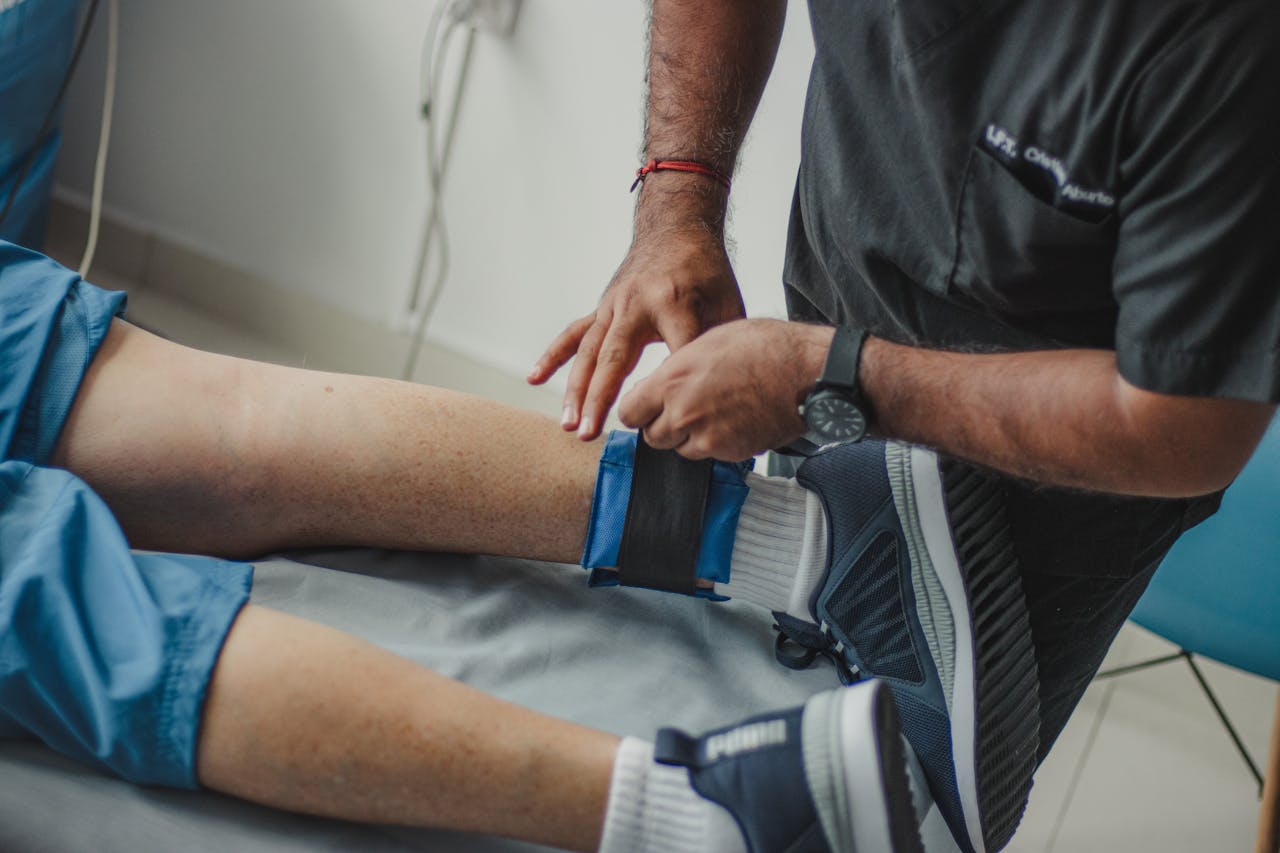
A doctor’s visit is the initial step to ensure proper foot support and identify any foot problems before selecting any orthotic inserts. A podiatrist or foot specialist can conduct tests, examine your feet, and analyze your work environment. They can determine if you require support for flat feet, assistance with high arches, or additional cushioning for pressure points. This isn’t a one-size-fits-all approach; a complete check leads to a personalized plan. Once your needs are defined, they can pair you with customized orthotics or off-the-shelf options that fit your unique foot shape and work requirements.
Proper Integration
Once you get a proper evaluation, here is how to introduce customized orthotics into your workday. Begin by putting orthotic insoles in shoes that already provide good support and padding. Employees should learn information and tips on using orthotics correctly, that is, when to wear them and how to recognize signs of an ill fit. A slow start helps; you can wear orthotics for short lengths of time and then gradually increase time as you get used to them. Ensure shoes fit properly with orthotics inside and test for any pain or rubbing. If you are on your feet a lot, stretch your feet and legs and take breaks to relieve pressure. Cushioned footwear and proper foot support keep you going from assignment to assignment and meeting to meeting, pain-free.
Measuring Success
To see if the effective orthotics work, observe a few things. First, monitor whether foot pain decreases and if employees can do more without feeling fatigued. Observe differences in sick days and see if they feel more comfortable at work. Gather feedback — ask workers how they feel as they use orthotic inserts. Check in frequently to see whether they require adjustments or new fittings. This way, you stay ahead of their comfort and keep injury risk down.
The Hidden Costs of Inaction
With proper foot support ignored at work, actual expenses pile up for you and your workplace. Neglecting minor aches or passing up on early assistance can compound over time. Foot pain isn’t trivial; it can slow you down and hold you back from being productive, inhibiting your range of motion as well. Left untreated, foot aches can become chronic, causing discomfort with simple activities like walking, standing, or even completing some tasks. This might translate to lost work or an inability to participate in your activities outside of work.
When foot problems go untreated, you stand to lose more than just sore feet. Issues such as bunions, arthritis, or plantar fasciitis can escalate quickly, affecting your overall foot health. These are not just minor aches; they can alter your posture or gait, applying additional strain on your knees, hips, and back. Consequently, you could begin to experience shin or knee pain or even lower back issues. Eventually, these issues can hinder your performance and disrupt your life and work.
Disregarding foot health implies you may experience higher injury rates on the job. Slips, falls, or strains are more common when your feet ache or don’t receive adequate support. This can result in more sick days, more doctor visits, and even expensive treatments. These costs compound not only for you but for your employer. When you can’t keep up at work because of pain or injury, everyone suffers.
There’s a mental component to this. Chronic pain or restricted mobility creates stress, anxiety, and diminished quality of life. By delaying seeking assistance, you risk requiring more complicated and expensive care down the road. The more you wait, the greater the risk and the greater the bill.
Cost Type | Untreated Foot Issues (USD) | Orthotic Solutions (USD) |
Doctor visits (annual avg) | 700–1200 | 100–300 |
Lost work days | 1000–1500 | 0–50 |
Long-term care/therapy | 3000+ | 0 |
Total (per year) | 4700+ | 100–350 |
Conclusion
Work can take a toll on your body. Little measures like orthotics can help keep you safe. With proper support, your feet remain stable, and your knees, hips, and back align as they should. Many folks in careers that require long days on their feet or heavy lifting experience actual benefits from quality orthotics. You reduce pain and decrease your injury risk. Less downtime keeps you moving and feeling great, day after day. Give a pair that’s right for you a whirl. Discuss with a podiatrist or have your workplace assist in implementing a program. You’ve earned comfort that endures. Take control of your workday wellness.
Frequently Asked Questions
Can orthotics really help reduce workplace injuries?
Yes, orthotics can reduce workplace injuries by providing proper foot support, which decreases your risk of strains and sprains during extended work days.
Who should consider using orthotics at work?
If you stand for hours, work on hard surfaces, or experience heel pain, orthotic insoles are worth considering. They provide proper foot support, maximizing athletic performance and preventing future foot problems.
Which industries benefit most from orthotics?
Healthcare, manufacturing, construction, hospitality, and retail all benefit the most from proper foot support. These occupations frequently involve extended periods on your feet or repetitive manual labor, increasing the risk of chronic foot issues.
Can orthotics help with back and knee pain at work?
Yes, effective orthotics can alleviate back and knee pain by correcting your posture and providing proper foot support, dispersing your weight to reduce stress on your spine and joints as you work.
Do orthotics require a prescription?
While some brands offer over-the-counter orthotic inserts, prescription orthotics are essential for athletes and individuals with complex foot issues to ensure proper foot support.
How often should you replace your orthotics?
You should change your orthotic insoles every 1 to 2 years or sooner if you experience wear, loss of proper foot support, or increased pain. Frequent replacement provides ongoing protection and support on the job.
What are the risks of not using orthotics in demanding jobs?
Without proper foot support from orthotic insoles, you are at risk of chronic pain and injuries like plantar fasciitis, which can significantly decrease your athletic performance and productivity.
Stay Comfortable and Pain-Free With Custom Orthotics for Workers on Their Feet All Day From The Shoe Doctor
If foot, knee, or back pain is wearing you down at work, your footwear support may be part of the problem. Standing or walking all day puts constant stress on your feet and joints. Small alignment issues can accumulate quickly, leading to fatigue, soreness, and chronic pain by the end of every shift. Without proper support, each step adds strain that your body never really gets a break from.
At The Shoe Doctor, we specialize in helping workers who spend long hours on their feet stay comfortable and supported. Using advanced 3D foot-mapping technology, we analyze how your feet stand, move, and bear weight throughout the day. That data enables us to design custom orthotics that enhance stability, correct alignment, and reduce pressure in high-stress areas, regardless of your industry, including healthcare, retail, hospitality, construction, or education.
With over 20 years of experience, Russell combines precise technology with hands-on craftsmanship to create orthotics that do more than cushion your feet. They help reduce fatigue, lower injury risk, and support your body through long shifts over time. Through our partnership with the Spine & Injury Medical Center in San Jose, we also look at posture and gait to support full-body balance and long-term relief.
If you work on your feet in the South Bay Area, schedule your free consultation today. Let The Shoe Doctor help you get through every shift with less pain and more energy.
Disclaimer
The materials available on this website are for informational and entertainment purposes only and are not intended to provide medical advice. You should contact your doctor for advice concerning any particular issue or problem. You should not act or refrain from acting based on any content included in this site without seeking medical or other professional advice. The information presented on this website may not reflect the most current medical developments. No action should be taken in reliance on the information contained on this website, and we disclaim all liability for actions taken or not taken based on any or all of the contents of this site to the fullest extent permitted by law.