Do orthotics help recovery after injury? A lot of folks wear orthotics post foot, ankle, or knee injury to reduce pain and aid the body in healing. Physicians frequently recommend custom orthotics for individuals with persistent muscular or joint discomfort. These inserts go inside shoes and help distribute weight more evenly.
Orthotics and recovery from injury. While not directly related to injury, some research shows that custom orthotics can help people walk with less pain and get back to normal steps sooner. They help prevent new injuries by maintaining your feet in the correct position. To demonstrate how orthotics contribute to recuperation, this post discusses their mechanism, potential beneficiaries, and the anticipated experience of employing them.
Key Takeaways
- Orthotics offer crucial support through foot correction, pressure redistribution, and shock absorption. All of these support effective injury recovery.
- Medical-grade and customized orthotics provide increased advantages compared to their generic counterparts by catering to specific biomechanical requirements and improving comfort and recovery results.
- When combined with physical therapy, proper footwear and activity modification, orthotics can be an important part of rehabilitation and injury prevention.
- Early intervention and professional evaluation guarantee the right orthotics are chosen for the unique medical need, minimizing the potential for extended pain or improper support.
- A slow transition is required as the body adjusts to new orthotics, and routine interaction with medical providers aids in maximizing fit and operation.
- Regular follow-ups and personalized rehab plans help maximize orthotics long-term benefits, supporting safe return to activity and sustained foot health.
How Orthotics Aid Recovery
Orthotics are crucial to recovery after sports injuries, as they provide targeted support to the foot and lower limb. Whether custom or prefabricated, these orthotics devices are designed to combat biomechanical deficits, alleviate stresses on injured tissues, and assist in re-establishing proper movement patterns. Through alignment, pressure distribution, and shock absorption, orthotics facilitate recovery and optimize daily function for individuals from all walks of life.
1. Correcting Alignment
Orthotics play a crucial role in aligning your foot and ankle, which can significantly enhance your posture and gait. Maintaining correct alignment helps protect against sports injuries and promotes efficient movement of the legs, lowering the chance of further strain or injury. When the feet and ankles are properly positioned, the body’s natural movement patterns work more effectively, reducing discomfort and supporting a smoother recovery process. For those recovering from a central nerve injury or footdrop, ankle-foot orthotics provide the right support, enabling easier and safer movement.
2. Redistributing Pressure
One major way orthotics assist with recovery is that they distribute your weight across the entire foot. That prevents excess pressure from accumulating in a single location, which can exacerbate old injuries. If you suffer from arch, Achilles, or plantar pain, a little extra heel height from orthotics will go a long way to helping you recover. Custom orthotics hone in on these pressure points, so you are more at ease walking, working, or playing sports.
Custom-made orthotics, such as semi-rigid graphite or carbon fiber inserts, can assist even further by providing support exactly where it’s required. That’s great for us foot-challenged folk who spend a lot of time on our feet or have special foot shapes.
3. Impact Reduction
Orthotics absorb that impact at each step, reducing the pounding that reaches your joints whenever you walk or run. This is crucial for anyone with sports injuries, like stress fractures, since your tissues need time to heal. Good shock absorption is the best way to prevent new ankle injuries from developing. Like a good mattress for foot bashing, functional orthotics use impact soaking materials so you get less pain and more support as you recover.
4. Improving Feedback
Orthotics can enhance the communication between your feet and your brain, especially for athletes recovering from sports injuries. By providing enhanced sensory feedback, they assist with balance and coordination, which is crucial during rehabilitation or returning to play. This feedback gets you moving correctly and can significantly decrease your chances of falling or injuring yourself again. Whether you’re recovering from a stroke or a peripheral nerve injury, orthotics can help you relearn to move safely and regain confidence.
5. Controlling Motion
Certain sports injuries require more management. Orthotics can assist with plantar fasciitis, shin splints, stress fractures, and tendinopathies by holding the foot in place and preventing dangerous movements. A knee-ankle orthotic or hip-knee-ankle-foot orthotic supports more than just the foot, it helps control how the entire leg moves. This type of control is crucial for patients with chronic conditions, post-surgery, or nerve injury.
What Injuries Benefit Most
Orthotics play a crucial role in treating sports injuries and lower limb injuries by altering the flow of forces through the foot, alleviating ankle pain and promoting healing. They are not just for support, they prevent re-injury, reduce pain, and make life feel less exhausting. Orthotics can help with a variety of ailments, from simple heel pain to nerve or joint issues.
Plantar Fascia Inflammation
Orthotics assist with sports injuries by providing rigid arch support, which can relieve the heel of some strain and support the bones most impacted by this injury. This support brings injured tissue back, making it crucial for athletes dealing with ankle injuries. Orthotics reduce the impact that strikes the foot with each step, resulting in less pain and swelling when you are active. Good foot mechanics are key for healing, as orthotics guide the foot into a better position, preventing tissue from being pulled or strained. As individuals recover, orthotics can facilitate a gradual increase in activity, smoothing the rehabilitation process and minimizing slips.
Bone Stress Injuries
Stress fractures are small cracks in the bone that typically require less agitation to mend. Custom orthotics solutions supply soft padding and proper form to support the foot, reducing stress on the fracture and aiding in pain relief. By alleviating the pressure on the injured bone, orthotics help to prevent the injury from deteriorating. They enhance the entire foot’s function, ensuring that other regions do not become overburdened. A tailored treatment plan can be developed around these supports, aligning recovery with the person’s specific needs.
Tendinopathies
With tendon injuries, custom orthotics solutions pad and align the foot, allowing the inflamed tendon to experience less tension with every step. This aids tissue repair and keeps discomfort low, which is essential for athletes. Improved foot function reduces swelling and flare-ups, keeping individuals mobile and active, making them vital in any rehabilitation plan.
Shin Guards
Shin splints often require more than just rest. Sports injuries like shin splints can benefit from orthotics, which provide support to the muscles and joints of the lower leg, alleviating pain and assisting the body in recovering quicker. By correcting minor podiatric flaws that lead to shin splints, orthotics help disperse forces during a run or walk, decreasing the chance of new pain. Athletes can continue training with less risk of dropout due to symptoms.
Custom Vs Pre-made Orthotics
Custom orthotics provide essential support for various foot issues by conforming to a person’s precise foot contours, which is particularly beneficial for those suffering from sports injuries. This tailored fit aids in treating hard-to-manage conditions like bunions, Morton’s neuroma, and Achilles tendonitis. While pre-made orthotics may assist with mild cases, they often fall short in offering the necessary relief for intricate foot problems. A proper fit ensures optimal function, leading to faster healing and reduced aggravation. For individuals with more complex needs, such as severe sports injuries or significant limb weakness, specialty devices like knee-ankle or hip-knee-ankle-foot orthotics provide comprehensive support beyond just the foot.
Custom Vs. Pre-Made
We’ve already covered that orthotics are not one-size-fits all. The design process begins with a detailed foot impression, casting, 3D scanning, or pressure mapping, ensuring the support corresponds with the individual’s unique foot shape and gait. Custom orthotics, usually constructed from semi-accommodative materials, balance the need for shock absorption with stability, which is crucial for comfort and healing. For active athletes with certain medical conditions, such as plantar fasciitis, flat feet, or chronic ankle injuries, custom orthotics tackle the underlying problem instead of just relieving symptoms. They last for years with good care, making them a solid long-term choice.
The Custom Fit
Off-the-shelf orthotics have downsides. They frequently fall short for individuals with extraordinary foot shapes or complicated wounds. For example, pre-made inserts do not take into consideration arch height or foot width, which can leave support gaps and be painful. This can hinder healing or even exacerbate an injury.
Generic options offer short-term pain relief and especially for a mild ache after extended hours standing or walking. Many athletes find that off-the-shelf orthotics only mask discomfort without truly addressing underlying issues. Custom orthotics do come with a bigger initial sticker price, but their longevity and customized support can reduce medical expenses down the line and accelerate recovery. Ill-fitting orthotics can provide insufficient support resulting in increased recovery time and additional doctor visits.
The Generic Option
Custom orthotics can accelerate healing following injury by providing support precisely where necessary. For instance, runners with chronic knee pain may respond well to custom inserts that alter the distribution of weight across the foot. Both custom and pre-made orthoses can assist in pain and movement, such as with plantar heel pain. Studies have found neither to be consistently better.
Pre-made orthoses serve great for easy cases, like general foot tiredness. For more aggressive or chronic issues, custom orthotics usually deliver superior results and greater satisfaction. It depends on the individual, the severity of the symptoms, and your budget.
Recovery Impact
Orthotics are most effective when they’re a component of a more comprehensive recovery strategy for sports injuries. Physical therapy and orthotics together can enhance healing, as therapy strengthens the muscles and orthotics steers the foot, especially for athletes dealing with ankle injuries. Proper shoes count, orthotics can’t fix bad shoes.
An Integrated Recovery Tool
Orthotics serve as an integrated recovery tool for an acute musculoskeletal injury, particularly in cases of ankle injuries. These devices are no longer mere orthotic crutches, they collaborate with therapy, footwear, and activity modifications to help active athletes get back on their feet. They are used for a swath of ailments, including arthritis, neuropathy, and even Achilles tendinopathy. Orthotics such as hinged AFOs, SMOs, and the CROW walker are just a few integrated recovery tools that provide support and stability. With more than 150 years in clinics, orthotics have been shown to reduce pain and enhance mobility, even in hard-to-treat conditions like plantar fascia deterioration, which sees an 89% success rate.
With Physical Therapy
A smart recovery plan always involves the PR of a physical therapist. When therapists and orthotists collaborate, they can design a customized plan that directly targets the specific needs of athletes recovering from sports-related injuries. For instance, a patient with an ankle injury could benefit from using a molded calf lacer AFO while engaging in physical therapy exercises that include stretches and balance workouts directed by their therapist. This collaboration aids in monitoring advancement and making swift adjustments should ankle pain or relapse occur, ensuring the orthotics device supports rather than hinders recovery.
With Proper Footwear
Shoe selection is a huge component of orthotic hygiene, especially for those recovering from sports injuries. Good fitting athletic shoes with orthotic inserts keep the foot secure and supported, which is essential for effective rehabilitation. Shoes must be deep enough for custom insoles or multi-layered orthoses and rigid enough not to let the shoe bend in all the wrong regions. If a patient wears shoes that are too soft or shallow, the orthotic can lose its impact, hindering recovery. Education is crucial, and patients educated on what to look for in a shoe are much less likely to make mistakes that jeopardize their recovery.
With Activity Modification
Altering when and how to move is still as critical as the equipment, especially for athletes recovering from sports injuries. Training plans must align with the rehabilitation phase to ensure proper support and avoid setbacks. Activities like spinning or swimming are great as they maintain strength without taxing the healing region. Athletes and patients need to know when to rest and when to push harder, and this awareness grows with help from therapists and custom orthotics solutions. By beginning with brief sessions and incrementally adding either duration or intensity, you give your body the chance to adapt, reducing the risk of persistent problems.
Key Moments and Customization
When you time things right, it makes a difference in managing sports injuries. Early orthotic use frequently forestalls larger issues down the road. A professional evaluation by a podiatrist is crucial to selecting the right orthotics type and fit. Custom options, like depth inlay shoes or variable-density inserts, make the device fit the needs and comfort of each individual. The initial weeks might require close monitoring for pressure sores, ankle pain, or alterations in gait so the device can be adjusted optimally. Material decisions and design details, such as hard plastics or flexible foams, alter the effectiveness of the orthotic for each affliction.
The Right Time
Deciding when to use orthotics after a sports injury is not always straightforward. The timing depends on the type and severity of the injury, symptoms, and personal health goals. Custom orthotics are often introduced when ankle pain or instability in the foot, heel, or ankle persists or when conditions like plantar fasciitis, footdrop, or nerve injuries, such as those after a stroke, affect normal movement. Evaluating the need for orthotics early can prevent further complications and speed up recovery. Assessments performed by skilled podiatrists, using tools such as computerized foot analysis, help ensure accurate measurements and a good fit. Comprehensive evaluations that include medical history, symptom review, and physical assessment are vital to identify all underlying foot deformities, ensuring orthotics are tailored to the individual’s orthopedic needs.
Expert Evaluation
When foot pain appears, seeking help from a healthcare provider right away is key to addressing potential sports injuries. Ignoring symptoms can allow problems to grow, sometimes leading to long-term mobility issues. Proactive orthotic use helps manage new injuries, supports better healing, and may prevent secondary issues. Early warning signs, such as pain in the arch, Achilles tendon, or plantar fascia, should prompt an evaluation. Patients should learn to spot these signs so that custom orthotics solutions can be considered at the right time. Regular check-ups are important, ensuring the orthotics still fit well and provide the needed support as the foot changes during healing.
Early Intervention
Once you have custom orthotics solutions, your body requires some time to adjust for comfort and functionality. At first, a little soreness or grumpiness is OK. Wearing orthotics for brief periods and gradually increasing wear allows your feet to adapt, especially if you are an active athlete. Continue to monitor for persistent pain and discuss it with your doctors, as you may need a little tweaking or a change in design for the best results.
The Adjustment Period
New orthotics may initially cause some mild pain as the muscles and joints adapt, particularly for those dealing with ankle injuries or recovering from severe sports injury. If pain or muscle fatigue persists, it may indicate that the prescription requires modification to avoid becoming ineffective. Tracking muscle adaptation and strength is crucial, especially during rehabilitation from central nerve insults or foot drop. Any side effects, such as skin irritation or altered gait patterns, should be communicated to providers for optimal orthotic care.
Potential Considerations
Orthotics can be significant in recovery post-injury, especially for athletes dealing with sports injuries like ankle injuries. They lend assistance in pain relief and proper support, but comfort, fit, muscle response, and ongoing evaluation are crucial elements in the rehabilitation process.
Initial Discomfort
Discomfort is common when first using orthotics, as the body needs time to adjust. This can feel like soreness or mild pain in the feet or ankles, which may be exacerbated by underlying sports injuries. It’s important to note that some discomfort is normal, but sharp pain, numbness, or blisters point to a poor fit. Misfitted orthotics might worsen symptoms or even lead to new issues, particularly for athletes who are prone to ankle injuries. Runners, for example, may find that their comfort scores improve with the right orthotics, but a bad fit can increase the risk of running-related injuries, especially in the lower limbs. Poorly prescribed orthotic devices, without proper assessment, can limit recovery or cause setbacks. Regular monitoring is key. If pain persists or worsens, reach out to a healthcare provider. Follow-ups let professionals reassess how well the orthotics are working and allow changes as the body heals, which is crucial for athletes and casual runners alike, given that running-related injuries often lead to missed training or competition.
Incorrect Prescription
Orthotics must fit the user to effectively address specific foot issues. If they don’t, recovery from sports injuries can stall. Foot-supporting muscles require time to acclimate to the new support, which can take days or weeks. Muscle strengthening and balancing exercises are crucial, especially for active athletes, as this could translate to targeted stretching and strength exercises to avoid fresh injuries. It’s important to monitor for improvement or regression when using orthotics and modify accordingly to ensure proper support and pain relief. If muscles remain weak or pain doesn’t subside, consult a medical expert.
Muscle Adaptation
Orthotics can help people recover from ankle injuries and foot issues, especially for those who run frequently. Custom orthotics, crafted for your specific foot shape and running style, provide superior comfort and support compared to generic alternatives. Some athletes actually run faster with orthotics and experience fewer sports injuries. Active individuals should consider orthotics as a vital option for recovery, and expert guidance is crucial to select the appropriate variety and implement necessary modifications during rehabilitation.
Final Remarks
Do orthotics help with recovery after injury? They provide feet and legs firm assistance, control motion, and relieve discomfort for lots of folks. A runner with a sore heel, a nurse with tired arches, or a sprain can all see gains from the right fit. Custom pieces are best-fitting, but even off-the-shelf ones help certain people. The key is matching the choice to the need and consulting with a care team. That’s where adding orthotics to rehab provides real, tangible assistance. To maximize your recovery, be vocal, seek guidance, and believe in the process. Tell us your story or leave your questions in the comments below! Your journey can inspire us all to take a step forward.
Frequently Asked Questions
1. Do Orthotics Help Speed Up Recovery After An Injury?
Yes, custom orthotics can help support the foot and align the body, alleviating pain from sports injuries and potentially accelerating rehabilitation.
2. What Types Of Injuries Benefit Most From Orthotics?
Orthotics are frequently beneficial for sports injuries such as plantar fasciitis, Achilles tendinitis, and ankle injuries, aiding in recovery from ankle sprains.
3. Are Custom Orthotics Better Than Pre-Made Ones For Recovery?
Custom orthotics are tailored to your specific foot issues and needs, offering enhanced support and comfort compared to pre-made options, especially beneficial during rehabilitation from sports injuries.
4. When Should Someone Start Using Orthotics After An Injury?
Once the swelling and pain from sports injuries subside, orthotics can provide proper support. A healthcare provider can recommend the optimal timing based on your specific foot issues.
5. Can Orthotics Prevent Future Injuries?
Yes, by properly aligning the foot and distributing pressure, custom orthotics solutions can help keep sports injuries from recurring.
Train Harder And Perform Better With Custom Orthotics For Athletes From The Shoe Doctor
If foot, knee, or back pain is slowing you down, your footwear support may be holding you back. For athletes, even small alignment issues can lead to overuse injuries, reduced performance, and longer recovery times. Without proper support, every run, jump, or lift puts extra strain on your joints and muscles.
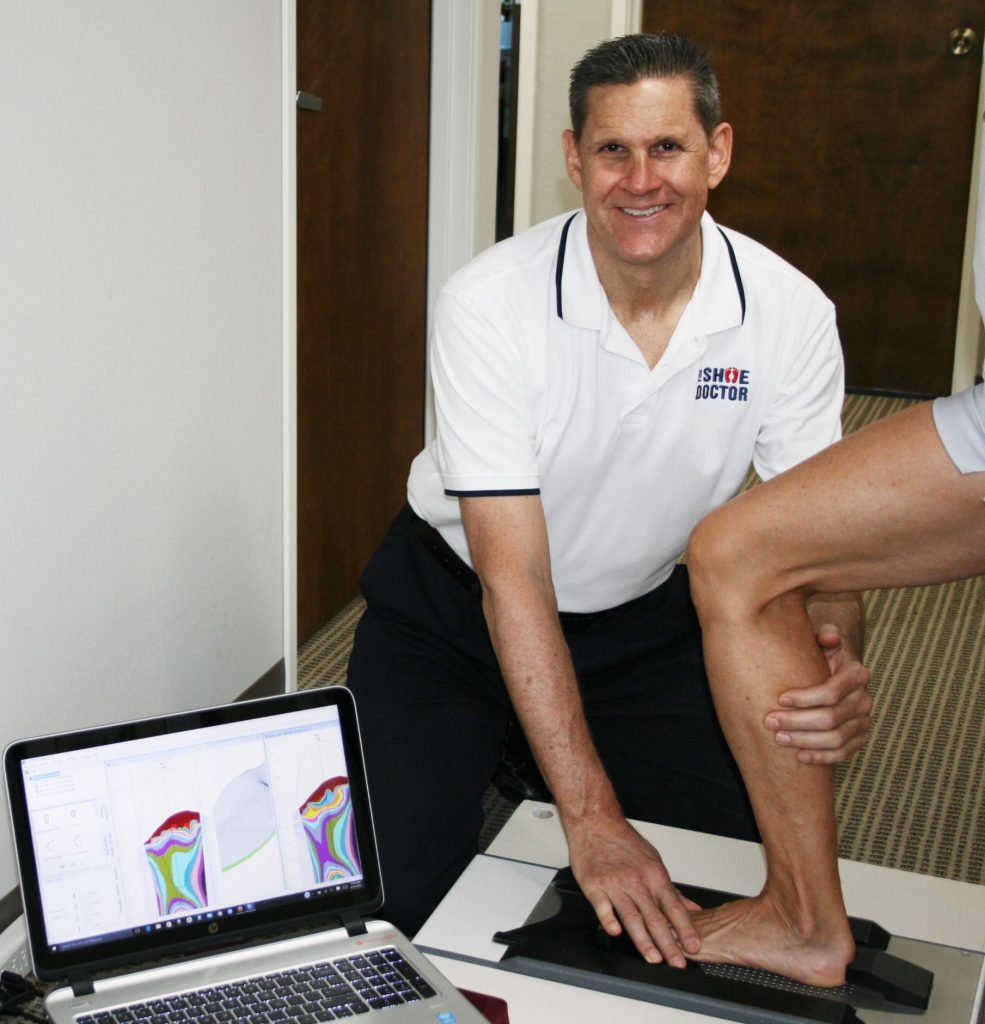
At The Shoe Doctor, we specialize in orthotics for athletes who want to move stronger and stay injury-free. Using advanced 3D foot-mapping technology, we analyze how your feet move, strike, and absorb impact during activity. This detailed data allows us to create custom orthotics that improve stability, enhance alignment, and support efficient movement across a wide range of sports.
With over 20 years of experience, Russell blends precision technology with hands-on craftsmanship to design orthotics that go beyond comfort. They help improve biomechanics, reduce injury risk, and support better performance over time. Through our partnership with the Spine and Injury Medical Center in San Jose, we also address posture and gait to support full-body balance and recovery.
If you’re training or competing in the South Bay Area, schedule your free consultation today. Let The Shoe Doctor help you move with strength, control, and confidence every time you train or compete.
Disclaimer
The materials available on this website are for informational and entertainment purposes only and are not intended to provide medical advice. You should contact your doctor for advice concerning any particular issue or problem. You should not act or refrain from acting based on any content included in this site without seeking medical or other professional advice. The information presented on this website may not reflect the most current medical developments. No action should be taken in reliance on the information contained on this website, and we disclaim all liability for actions taken or not taken based on any or all of the contents of this site to the fullest extent permitted by law.