They have the potential to significantly ease chronic heel pain by modifying the way the foot strikes the ground and providing consistent support to the heel and arch. Custom orthotics usually work because, when fitted to match the shape of the user’s feet, these inserts help distribute weight and pressure more evenly, reducing strain on sore spots like the plantar fascia. By supporting the foot in better alignment, custom orthotics can prevent subtle motions that frequently trigger inflammation or pain. Many of us rely on them for chronic heel pain from plantar fasciitis or flat feet. For those with professions that require extended periods of standing, custom orthotics can translate into reduced discomfort and enhanced comfort. Then, the mechanics of custom orthotics are explained.
Key Takeaways
- Personalized custom orthotics are made to correct underlying problems in your feet, helping you prevent pain and move more easily.
- Orthotics help minimize strain on sensitive areas by redistributing pressure, supporting arches, and cushioning impact, which alleviates both immediate pain and the risk of further damage.
- The precise fit and durability of custom orthotics offer advantages over generic insoles, providing longer-lasting relief and better adaptation to individual foot shape and anatomy.
- Getting effective orthotics means a proper evaluation, digital scanning, precise fitting, and a step-by-step break-in process, all under the guidance of an experienced podiatrist.
- Complementary treatments, such as appropriate footwear, lifestyle modifications, and consistent follow-ups, are key to maximizing the impact of orthotics and encouraging sustainable foot health.
- Orthotics are one part of a multi-faceted treatment approach. Realistic expectations and continued partnership with providers are important for long-term relief and best results.
Understanding Your Heel Pain
Heel pain is a common cause of foot discomfort worldwide, affecting people of all ages and lifestyles. Although the underlying causes vary, most involve excessive or abnormal forces on the heel bone and surrounding tissue. Seeking custom foot orthotics is essential for proper support and alignment. Early diagnosis and treatment are essential to prevent long-term pain and complications, leading to better foot function and ultimately helping you achieve lasting relief.
The Root Cause
Abnormal foot mechanics, such as poor foot alignment or uneven weight distribution, frequently lay the groundwork for heel pain. When the foot rolls inward excessively, overpronation overloads the heel components. Flat feet and high arches disrupt the normal shock absorption, leaving the heel susceptible to damage. For example, flat-footed individuals are more susceptible to plantar fasciitis, while those with high arches are prone to stress fractures and Achilles tendinitis injuries. Seeking custom foot orthotics can significantly improve foot function and alleviate these issues.
The wrong shoes can exacerbate these problems. Shoes that provide little support or cushioning don’t absorb impact well, particularly on hard floors or during extended shifts. Here’s the deal with your heel pain: it’s part and parcel of being retail, healthcare, or manufacturing personnel. Runners and athletes who wear old shoes are more susceptible to ongoing heel pain, which can be addressed with the right orthotics for their foot type.
Lifestyle factors count, too. Prolonged standing or regular running puts added stress on your heel and can bring about or exacerbate plantar fasciitis, heel spurs, or bursitis. Overuse from abrupt changes to exercise is another risk. Tarsal tunnel syndrome, which is nerve compression, can give you heel pain, especially if you have a repetitive motion lifestyle. Consulting with The Shoe Doctor can help identify the root causes of your discomfort and provide effective solutions.
The Common Symptoms
- Sharp or stabbing pain, particularly with the first steps in the morning.
- Aching or tenderness on the sole or back of the heel.
- Swelling, redness, or warmth in the heel area
- Stiffness that eases with gentle movement
- Pain worsening with prolonged standing, walking, or running
Symptoms usually run a fairly predictable course. Pain is typically worse when rising from bed or after long rests and may diminish once the foot warms up. As activity ramps up during the day, pain may resurface, particularly following prolonged or intense wear. This cycle can throw off any sort of regular schedule.
Early warnings such as slight soreness or intermittent stiffness must not be overlooked. Early action prevents simple problems from becoming chronic. If left untreated, symptoms can affect your daily life. It becomes painful to walk, exercise, or even stand during everyday activities. Over time, this can lead to compensatory movements and put strain on other joints.
The Long-Term Impact
If you’re dealing with brittle heel pain, that usually leads to scaled-back activity. This decrease in activity affects your overall fitness and health, leading to weight gain or reduced cardiovascular endurance. Others inadvertently create a limp to alleviate pain, which can place undue strain on the knees, hips, or lower back.
Persistent pain takes a toll on mental health. It can cause frustration, poor sleep, or anxiety about future injury. Social and work life may suffer. Delaying treatment risks more complex problems. Early intervention, such as professional evaluation and custom orthotics, can help restore mobility and prevent lasting damage.
How Custom Orthotics Work
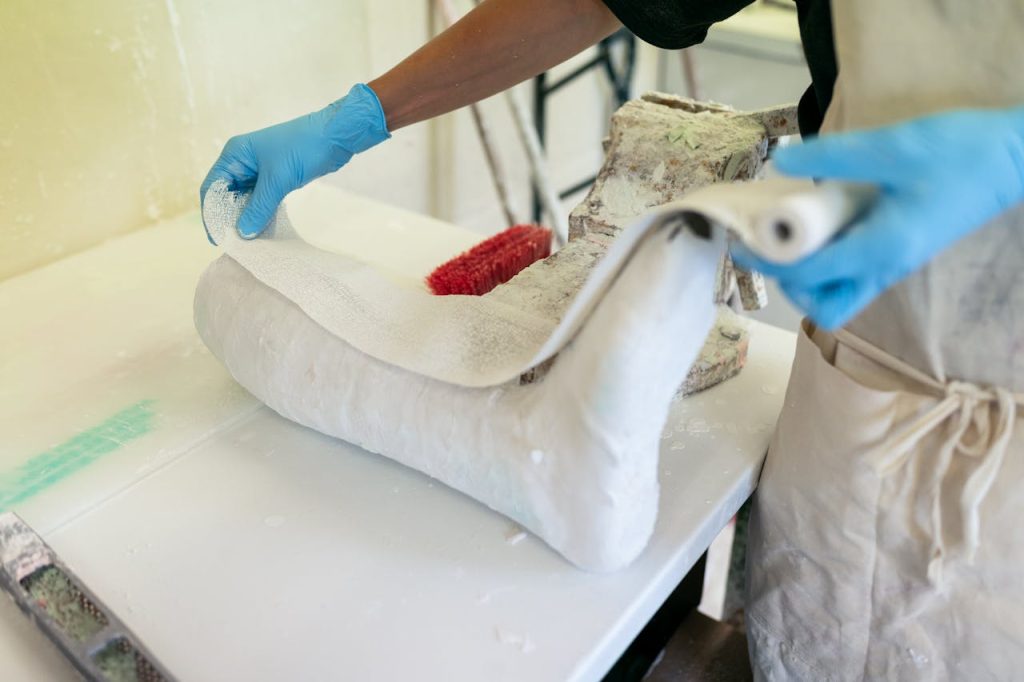
Custom foot orthotics are medical devices molded for each individual’s foot type. They work to correct foot mechanics and provide pain relief from chronic heel pain. Crafted by a foot specialist, each orthotic addresses the user’s unique foot structure, whether it involves flat feet or abnormal pronation. The goal is to stabilize, realign, and absorb impact from the foot, supporting better foot function with less discomfort. According to clinical studies, custom orthotics may reduce heel pain and enhance function for patients with foot and ankle disorders.
1. Correcting Alignment
Custom foot orthotics are vital for restoring healthier foot alignment. When your heel or arch rolls in or out excessively, these orthotics can help guide the foot into a more natural position, greatly enhancing foot function. This realignment lessens stress and strain, especially on the heel and ankle, resulting in better support and comfort while walking. For those suffering from conditions such as plantar fasciitis or bunions, it translates to effective pain relief on a day-to-day basis. It is crucial to consult a Syracuse podiatry specialist to obtain a prescription for a custom device tailored to your unique foot structure and walking pattern.
2. Redistributing Pressure
Orthotics, such as custom foot orthotics, remove weight from painful areas and distribute it over the foot, aiding in pain relief that intensifies when standing or walking. For instance, a patient with heel spurs or plantar fasciitis experiences less force on the sensitive spot. This pressure distribution can help prevent injury, lessen stress on delicate tissues, and enhance foot function.
3. Supporting Arches
Arch support helps prevent the foot from tiring out, and custom foot orthotics can be made for flat feet or high arches to provide optimal support. Quality arch support enhances foot function and prevents overuse injuries, while for plantar fasciitis, these orthotics help maintain proper foot alignment, reducing morning pain.
4. Cushioning Impact
Cushioning absorbs the shock when your heel hits the ground, offering essential pain relief for those with foot pain. Materials of excellence in the custom foot orthotics cushion every step and reduce the likelihood of bruises or stress fractures. Anyone who has to stand or walk for hours on end knows you ache a lot less when your feet are adequately cushioned, leading to improved foot function.
5. Controlling Motion
Orthotics, particularly custom foot orthotics, restrict excessive motion like overpronation, which keeps the foot stable and prevents ankle problems or chronic strain. Athletes use motion control for improved foot function, enhancing balance and quickness, while others seek pain relief and fewer injuries.
Custom Versus Store-Bought
Custom foot orthotics and store-bought insoles serve different purposes in relieving heel pain. Both are useful, and the level of support and effectiveness can vary greatly depending on individual foot type and unique foot structure.
| Feature | Custom Orthotics | Store-Bought Insoles |
| Fit | Tailored to individual foot structure | One-size-fits-most |
| Support | Precise, based on foot analysis | Generic, limited |
| Material | High-quality, durable | Foam, gel, or basic plastic |
| Lifespan | 2-5 years (with care) | 3-12 months |
| Cost (USD) | $400-$600 | ~$30 |
| Pain Relief | High, especially for chronic conditions | Mild to moderate fatigue |
| Risk of Overcorrection | Low | Moderate to high |
The Generic Fit
Store-bought insoles, typically sold in pharmacies or shoe stores, don’t treat unique foot shapes or complicated biomechanical problems. They’re designed for the generic human, which can be great for twinges from standing too long or new shoe issues.
For persistent heel pain, one-size-fits-most solutions can come up short. They can’t be adjusted to you personally, so the pressure is not dispersed in a manner that relieves your source of pain. Some users might even feel worse, as the insoles could shift the load or cause overcorrection, leading to issues like lateral ankle sprains or worsened plantar fasciitis.
Personalized care is crucial for chronic issues. Store-bought solutions, beyond a few weeks, seldom work if the pain is ongoing.
The Precise Solution
They begin with a comprehensive foot exam that includes foot molds, gait analysis, or even 3D scans. It results in a fit that aligns with your contours, arch height, and gait.
3D scanning and computer modeling have made achieving a perfect fit easier. That level of specificity means pain points receive the appropriate attention. For chronic heel pain, this means pressure is offloaded from the sore spot, which accelerates healing and adjusts your gait.
They also evolve. As your foot changes or pain fluctuates, your orthotics can be adjusted to keep pace, which can’t be said for off-the-shelf insoles.
The Durability Difference
| Durability | Custom Orthotics | Store-Bought Insoles |
| Lifespan | 2-5 years | 3-12 months |
Custom orthotics are made from stiff materials that keep their shape. That’s why they last for years if you properly care for them.
The initial cost is greater, but not having to replace them as often makes them more economical in the long run. With proper cleaning and care, and not exposing them to heat or moisture, they can last. Store-bought ones rot a lot quicker, so you have to buy them more.
The Journey To Relief
Custom orthotics deliver real relief for chronic heel pain by solving the source, not covering up the symptoms. The route to relief includes clinical knowledge, sophisticated technology, and meticulous tweaking. Every step in the process is critical to make certain the final orthotic suits your individual needs and lifestyle.
Steps In Obtaining Custom Orthotics:
- Book a first consultation with a reputable foot expert or podiatrist.
- Have a comprehensive evaluation with a physical examination and gait analysis.
- Share medical history and describe symptoms to inform diagnosis.
- Use digital scanning technology to capture your feet’ precise contours.
- Review scan data and biomechanics to design personalized orthotics.
- Come in for a fitting to test comfort and make adjustments.
- Test orthotics in different footwear to optimize support.
- Follow a reasonable break-in schedule as advised by your podiatrist.
- Follow-up visits monitor your progress and allow for ongoing adjustments.
Your Initial Evaluation
On this initial visit, the podiatrist looks at your feet and observes your gait and pain history. Discussing your symptoms, daily routines, and past injuries helps the specialist find the cause of heel pain. A thorough evaluation should still rule out plantar fasciitis, flat feet, or alignment issues.
The test is a crucial part. It guides the treatment and ensures the correct orthotic is chosen for you. Our specialist podiatrists use this data to determine the causes of your heel pain and prescribe the best treatment.
The Digital Scan
A digital scan involves standing with each foot on a scanner that precisely maps the surface. It reveals even slight differences in foot shape, arch height, or pressure points. The tech assists in creating orthotics that mold to your feet.
Digital scans can reveal hidden biomechanical issues, such as overpronation or asymmetrical loading. This information ensures that the orthotic provides exactly the right support in the right areas, making the device both effective and comfortable.
The Fitting Process
In the fitting, we put the custom orthotic in your shoe and see how it feels when you stand and walk. The podiatrist can tweak the device. Others experiment with orthotics in their athletic, dress, or casual shoes, whatever they’re wearing, to guarantee support all day, every day.
The podiatrist’s advice during fitting is key. They aid in detecting pressure points, soreness, or support voids. This practical focus ensures the orthotic performs in everyday life.
The Adaptation Period
The first days with new orthotics require patience. Your feet and muscles are relearning to walk with more support. Wearing them for a few hours daily at first helps prevent soreness. Gradually, you can wear them longer according to your podiatrist’s recommendations.
Adhering to the advice accelerates adjustment. Most experience improved comfort and function within a few weeks. Weekly check-ins monitor progress and adjust as necessary.
Beyond The Orthotic
Chronic heel pain seldom eases with custom foot orthotics alone. A holistic approach, pairing foot orthotics with proper footwear, lifestyle changes, and regular care, delivers optimal support and long-term benefits. All of these elements contribute in their own way to help individuals stay comfortable, avoid injury, and promote better foot function over the long term.
Comfortable Shoe Options
- Deep heel cups for stability and shock absorption
- Removable insoles to fit custom orthotics
- Cushioned midsoles to reduce heel pressure
- Stiff soles to limit excessive foot motion
- Adequate width and toe room to prevent crowding
- Non-slip outsoles for secure footing
Supportive shoes complement custom foot orthotics by offering a stable base, reducing plantar fascia stress, and ensuring proper foot alignment. For instance, combining foot orthotics with athletic sneakers can allow plantar fasciitis sufferers to walk and run for extended periods with reduced pain. Slip on a nasty pair of flats or busted tennis shoes, and the magic of orthotics comes undone, resulting in more pain and potential injury. Beyond the orthotics, choosing shoes designed for your foot type, such as motion-control shoes for overpronators, increases the benefits and helps prevent muscle fatigue for people who stand a lot.
Lifestyle Adjustments
- Opt for low-impact activities such as cycling or swimming to reduce heel strain.
- Stretch your calves and plantar fascia daily to keep the tissues flexible.
- Build foot strength with toe curls and towel scrunches
- Use supportive mats if standing for long hours
- Monitor body weight to relieve pressure on the feet
Stretching keeps the Achilles tendon and plantar fascia from becoming too tight, which can alleviate pain and reduce the risk of future injury. Beyond the custom foot orthotics, regular movement and strength work help to improve your balance and generate a more stable foundation for each step. Maintaining a lean weight minimizes foot stress, which is key if you suffer from arthritis or bunions. Knowing how you use your feet each day, for example, long walks on hard floors, allows you to make lifestyle choices that protect your unique foot structure.
Proper Maintenance
Custom foot orthotics typically last about two to five years, but their effectiveness largely depends on your activity level and care. Regular washing and drying are essential to prevent odor and rubbing. It’s recommended to see a foot specialist at least once a year to confirm that your orthotics fit well and offer enough support, especially for those who are on their feet for long periods. If you own various types of shoes, such as work boots, running shoes, or sports sneakers, having multiple pairs can significantly improve comfort and prolong the life of your orthotics.
Are Orthotics A Cure?
Many people think that custom foot orthotics cure foot pain, but this view downplays what orthotics actually do. These devices offer support and heel cushioning, easing tension for conditions like Plantar Fasciitis, Achilles Tendinitis, and heel spurs. Research shows that foot orthotics work best when part of a complete treatment plan, not just as a quick fix. Particularly when tailored to each individual’s unique foot structure, orthotics can aid in pain relief. A good result often requires continued treatment, defined objectives, and frequent consultations with a podiatry solutions specialist.
Managing Expectations
Orthotics can alleviate pain but can take weeks or months. Relief can come gradually, particularly with chronic heel pain. Some individuals experience improved comfort or reduced soreness within days, while others require time as their body adjusts. No device works immediately for everybody.
Patience and consistent wear are important. Throwing in a day or two here and there, or wearing orthotics only when pain flares, can stall or even reverse your progress. Realistic goals help keep frustration in check. Tracking changes and discussing them with a podiatrist allows the plan to be adjusted if necessary.
Open, honest talks with your care team make a big difference. If pain persists or new symptoms arise, report them immediately. This ensures that your treatment remains targeted and personalized.
A Piece Of The Puzzle
While custom orthotics treat heel pain by correcting alignment and alleviating pressure, they represent only one aspect of treatment. Getting to the root, like tight calves or bad shoes, is key. This guards against the pain returning.
Physical therapy, stretches, and strength training add to the benefits of orthotics. For example, with Achilles tendinitis, a slight heel lift in the orthotic alleviates tension and can restore range of motion over time.
It only works when all these steps come together to treat chronic heel pain. Orthotics are not a cure.
Potential Side Effects
Some experience initial kinkiness when using orthotics. This typically diminishes after a brief period of acclimation. Sometimes aches or sore spots develop as the body adjusts to changes in foot posture.
It’s crucial to monitor for fresh pain or skin irritation. Most side effects are fleeting, but brushing them off can lead to bigger issues. Quick feedback to a podiatrist lets them adjust the fit or recommend other modifications.
Some individuals are great, but if the pain persists or worsens, discontinue the orthotics and get assistance. Good follow-up prevents little glitches from becoming big setbacks.
Final Remarks
Custom orthotics provide actual heel pain support by molding to your feet. They distribute weight, reduce pressure, and allow you to move with reduced pain. Simple things like wearing the right shoes and stretching every day, combined with orthotics, help keep pain to a minimum. Over-the-counter insoles may assist a bit, but they lack the specialized fit and support you receive from a custom set. For those who want to walk, run, or simply stand with less pain, custom orthotics really do make a difference. Pain doesn’t need to slow you down. Post your own experience or questions below, and there’s nothing like real talk to help everyone get solutions that work.
Frequently Asked Questions
1. What Are Custom Orthotics?
Custom foot orthotics are specialized shoe inserts designed specifically for your unique foot structure. Crafted by medical specialists, they provide optimal support and alleviate foot pain.
2. How Do Custom Orthotics Help With Chronic Heel Pain?
Custom foot orthotics provide optimal support for the heel and arch, helping to improve foot alignment and alleviate pain from common heel issues like plantar fasciitis.
3. Are Custom Orthotics Better Than Store-Bought Insoles?
Indeed, custom foot orthotics are tailored to your unique foot structure and medical concerns. Over-the-counter insoles are generic and won’t necessarily address the underlying issues causing your heel pain.
4. How Long Does It Take To Feel Relief From Custom Orthotics?
Most experience some pain relief within weeks, and you could still enjoy the full benefits of custom foot orthotics after wearing them consistently for one to two months.
5. Do I Need A Prescription For Custom Orthotics?
Yep, you generally need a prescription from an orthopedic specialist. They can examine your feet and suggest the right orthotics for pain relief.
Find Real Relief With Expert Heel Pain Solutions From The Shoe Doctor
Heel pain can make every step frustrating. Whether it’s sharp pain in the morning, discomfort after standing all day, or ongoing irritation that won’t go away, it can start to affect how you move, work, and live. Left untreated, heel pain often gets worse and can lead to bigger issues with your knees, hips, and back.
At The Shoe Doctor, we focus on identifying the true cause of your heel pain and creating a solution that actually works. Using advanced 3D foot-mapping technology, we analyze how your feet function, where pressure builds, and what’s causing the strain. From there, we design custom orthotics that reduce impact, support your arch, and take pressure off the heel so you can move comfortably again.
With over 20 years of experience, Russell combines precise technology with hands-on expertise to deliver heel pain solutions that go beyond temporary relief. Our approach helps correct alignment, improve movement, and prevent the pain from coming back. Through our partnership with the Spine and Injury Medical Center in San Jose, we also evaluate gait and posture to support full-body recovery and long-term results.
If heel pain is slowing you down, now’s the time to fix it. Schedule your free consultation today, and let The Shoe Doctor help you get back to walking comfortably and confidently.
Disclaimer
The materials available on this website are for informational and entertainment purposes only and are not intended to provide medical advice. You should contact your doctor for advice concerning any particular issue or problem. You should not act or refrain from acting based on any content included in this site without seeking medical or other professional advice. The information presented on this website may not reflect the most current medical developments. No action should be taken in reliance on the information contained on this website, and we disclaim all liability for actions taken or not taken based on any or all of the contents of this site to the fullest extent permitted by law.