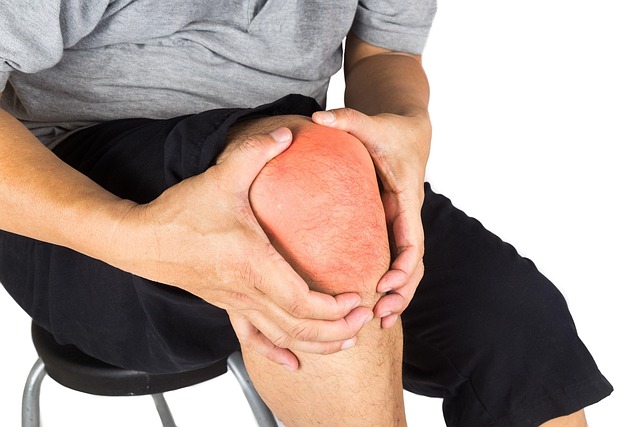
The most common foot problems with aging include bunions, hammertoes, plantar fasciitis, and thick or brittle nails. Older adults tend to experience dry or cracked skin, calluses, and corns as well. Swelling and poor blood flow in the feet can slow healing and exacerbate chronic pain. Flat feet and changes in foot shape are common as joints weaken. Nerve damage from diabetes or other health concerns can cause numbness or tingling. Poor shoe fit or lack of motion compounds these issues as you age. To understand how each problem alters daily life and how to detect its early signs, the following sections detail symptoms and care advice. Useful information and actionable advice underpin lifelong foot health.
Key Takeaways
- Aging feet commonly experience reduced cushioning, skin thinning, stiffer joints, and slower circulation. These factors contribute to discomfort and increase the risk of injury.
- Choosing well-cushioned, supportive shoes and custom orthotics from The Shoe Doctor can help to reduce pain and shield against impact while stabilizing balance with everyday activities.
- Be sure to have your feet checked regularly, practice daily inspections, and maintain proper hygiene to catch issues early, prevent infections, and promote foot health.
- Gentle movement exercises and low-impact activities maintain joint flexibility, strength, and cardiovascular function, and reduce foot and ankle pain.
- By identifying and treating structural changes, skin and nail problems, and circulation or nerve issues early, you can avoid potential complications and preserve mobility and independence.
- Routine professional evaluations and addressing lingering symptoms early are critical for handling chronic foot disorders and maintaining long-term health and quality of life.
Why Feet Change With Age
As we age, our feet undergo significant changes, leading to various foot problems that can impact our daily lives. Years of walking and standing contribute to the decline of resilience in our feet, making senior foot care essential for maintaining healthy feet and preventing chronic conditions that affect mobility.
Less Cushioning
The fat pads that cushion the heel and ball of the foot gradually wear away over the years. When these pads shrink, bones and joints absorb more of the impact from walking or standing. That causes each step to pound harder on the body and can create lingering soreness.
Lost padding pain is common for those who stand for long hours or walk on hard surfaces. Seniors often experience their shoe size shifting as well, as feet tend to spread with age. Less shock absorption leads to discomfort that can pop up during simple routines.
- Footwear with memory foam insoles
- Shoes with gel or air-cushioned soles
- Athletic shoes built for shock absorption
- Orthopedic sandals with thick midsoles
- Custom-made insoles or inserts from The Shoe Doctor for extra padding
Shoes with shock-absorbing materials and cushioned midsoles may help minimize pain and protect foot health.
Skin Thinning
As we get older, the skin on our feet becomes thinner, drier, and more fragile. This makes it easy for cracks, blisters, and minor cuts to develop. These injuries take longer to heal and increase the risk of infections. Moisturizing your feet daily is an easy habit that helps keep skin more supple and less prone to cracking.
It’s smart to check your toenails frequently. Thin skin can cause ingrown nails and nail issues that take a long time to heal from. Good foot hygiene, including washing and drying carefully, reduces the risk of infection and maintains healthier skin.
Stiffer Joints
Joints in the feet and ankles stiffen with age, which shrinks the range of motion. This stiffness can make walking, bending, or standing tougher. Simple, daily stretches can keep some of that lost flexibility at bay. For persistent pain, a podiatrist at The Shoe Doctor can provide interventions to keep your feet moving better.
Low-impact activities, such as swimming or cycling, are great options for maintaining joint health without added stress.
Circulation Slows
When circulation to the feet falls, it can lead to numbness, tingling, or cold toes. Being active keeps the blood flowing. You should be on the lookout for symptoms of poor circulation, like slow-healing sores, which are signs of conditions like peripheral artery disease.
Compression socks are one simple way to increase circulation and reduce puffiness.
Common Aging Foot Problems
Aging feet have specific issues caused by decades of use, natural skin transformations, and structural attrition. About a third of those over 65 experience chronic foot pain and discomfort, which makes getting around more difficult. Common foot problems cover everything from skin issues to nerve changes.
The table below summarizes some of the most common problems and their descriptions.
| Problem | Description |
| Flat feet | Arch collapses, foot flattens, affecting balance and gait |
| Bunions | Bony bump forms at base of big toe, causing pain |
| Hammertoe | Toes bend abnormally, usually second, third, or fourth toe |
| Plantar fasciitis | Heel pain, worse with first steps in the morning |
| Achilles tendinitis | Pain and stiffness above the heel or in the back of the leg |
| Calluses and corns | Thickened skin from friction or pressure |
| Fungal infections | Nails or skin become discolored, thick, and brittle |
| Neuropathy | Numbness, tingling, or pain due to nerve damage |
| Bone spurs | Bony growths from long-term stress |
| Ulcers | Open wounds, often slow to heal, linked with poor circulation |
1. Structural Shifts
Common structural shifts are flat feet and bunions, both of which become more probable with age and less stable to walk on. Hammertoe impacts the smaller digits, resulting in noticeable deformity and discomfort. Plantar fasciitis and Achilles tendinitis happen more frequently as tendons become less flexible with age.
These alterations interfere with foot function and gait, rendering activities more challenging. A professional evaluation at The Shoe Doctor can identify structural issues and recommend solutions. Orthotics, such as custom insoles or toe splints, can help support foot structure and ease pain.
2. Cushioning Loss
As we age, fat pads on the soles thin out, making bones and joints less protected. This loss of natural padding can often be excruciatingly painful, particularly when strolling on hard ground.
Custom insoles from The Shoe Doctor and well-padded shoes restore some comfort. Checking pain levels can help you track if these solutions are working.
3. Skin And Nail Issues
Seniors see dry, thin skin that cracks easily and results in calluses and corns. Fungal nail infections are common. Nails can become thick and brittle. Ingrown toenails and thickened nails show up more with age.
Daily care, such as washing with warm water, mild soap, and regular trimming, reduces risk. Fresh, dry socks and spacious shoes help reduce friction and pressure. Treatments range from antifungals to cautious clipping by a podiatrist at The Shoe Doctor.
4. Nerve And Circulation Problems
Nerve damage (neuropathy) causes numbness or stabbing pain, particularly in diabetics. Bad circulation can cause ulcers and infections that heal slowly.
Catching nerve and circulation issues early on is crucial. Adjustments such as increased exercise, smoking cessation, or dietary improvement can assist blood circulation and nerve wellness.
5. Inflammatory Conditions
Arthritis causes your foot joints to become swollen, stiff, and painful. Bone spurs can develop after years of pressure or inflammation.
Treatments could consist of physical therapy, anti-inflammatories, or custom orthotics from The Shoe Doctor. Being active and following good medical advice changes everything.
The Ripple Effect Of Neglect
Neglecting your feet can trigger a domino effect with repercussions far beyond your soles. As we age, the likelihood of specific foot problems such as pain, neuropathy, and deformity increases, impacting not only the individual but also their loved ones and communities. If left untreated, small foot issues can spiral into larger foot care issues that affect your balance, mobility, emotional state, and yes, even independence. The consequences are worldwide, permeating all facets of living, and studies indicate that neglect decreases life quality, activity levels, and healthcare burdens internationally.
Balance And Falls
Foot problems are a major factor in balance. Conditions like bunions, hammertoes, or loss of sensation due to neuropathy can unbalance your gait and steadiness, increasing the risk of falling. Research shows that older adults with foot pain or deformity take shorter, slower steps and have a greater chance of requiring a cane or walker. It’s not just their confidence, it’s their safety both at home and on the street. Others are compelled to curtail their activity, which only further undermines their musculature and equilibrium.
Strength training, simple balance drills, and stretching can assist. Regular checkups at The Shoe Doctor help spot early changes. These appointments can identify issues before they cause a fall. Walking sticks or orthotics can provide additional support while still encouraging the individual to remain active. Continual evaluation is important because you want to know how things are going and steer course corrections.
Reduced Activity
Sore feet are the death knell to getting around. Even mild pain can make you cancel walks, workouts, or get-togethers. This decrease in activity can cause muscle loss, weight gain, and even heart problems.
Low-impact activities like swimming, cycling, or mild yoga enable individuals to maintain their fitness without exacerbating their foot pain. Discovering activities you enjoy, such as dancing, gardening, or tai chi, keeps motivation up and motions flowing. Monitoring daily steps or active minutes may assist in detecting early shifts and encourage timely intervention when activity declines.
Overall Well-Being
Toe health connects to the brain and societal well-being. Chronic pain can induce stress, anxiety, or depression. About: The Second-Order Consequences of Neglected Mobility
A whole-body approach is best. A neglected foot ulcer can cause great harm to the entire body. Keeping social by seeing friends, joining groups, and volunteering lifts spirits and keeps individuals active.
Proactive Foot Care Strategies
Proactive foot care is the key to healthy aging and minimizing the risk of common foot problems, especially for elderly people. By developing straightforward but powerful habits, you’ll spot early warning signs of specific foot problems, make smart shoe selections, and stay comfortable and mobile long into your golden years.
- Check feet every day for any changes, such as cuts, bumps, swelling, or color changes.
- Wash and dry feet thoroughly, including between toes.
- Apply moisturizer, especially to heels, to prevent cracks.
- Trim toenails straight across, avoid cutting too short.
- Put on clean, moisture-wicking socks. Alternate shoes to avoid moisture accumulation.
- Select supportive, cushioned shoes that fit well.
- Stretch and move your feet daily to keep joints flexible.
- Apply sunscreen to exposed areas.
- Record changes and discuss them with a healthcare provider.
Daily Inspection
Daily inspection is the cornerstone of proper foot care, especially for elderly people facing common foot problems. Identifying cuts, blisters, or swelling early can help stop small issues from ballooning into serious complications like chronic conditions. I either use a mirror or enlist assistance to make sure I don’t leave any spot out, especially the soles and in-between toes. Documenting any alterations, such as redness, swelling, or sores, establishes a valuable record that can be communicated to clinicians for personalized treatment. Establishing this as a habit, much in the same way we brush our teeth, ingrains routine foot care by second nature and enhances long-term results.
Proper Hygiene
Maintaining healthy feet is essential to prevent infections or skin issues. By washing and drying your feet thoroughly each day, you’re stopping sweat, dirt, and bacteria from building up, which can lead to foot problems like fungal infections. Regular foot inspections and moisturizing your heels can prevent cracking and other common foot problems. Additionally, frequent nail clipping helps maintain nail health and avoid specific foot problems such as ingrown toenails.
Smart Footwear
- Supportive walking shoes offer stability and cushioning for daily wear.
- Ortho-ready shoes enable you to insert custom insoles for extra support and alignment.
- Shoes with wide toe boxes lead to less pressure and a lower chance of bunions or calluses.
- Slip-resistant soles help prevent falls on various surfaces.
To ensure healthy feet, avoid tight-fitting, high-heeled, and unsupported shoes. Go shoe shopping in the afternoon since aging feet tend to swell throughout the day. Weather-appropriate shoes and rotating pairs are also vital for proper foot care.
Gentle Movement
Easy motion keeps your feet robust and flexible, which is essential for senior foot care. By stretching each day, you can maintain joint flexibility and avoid stiffness upon waking or after prolonged sitting. Low-impact exercises, such as brisk walks and water aerobics, protect your joints while improving cardiovascular health. Balance exercises enhance coordination and lower fall risk. For those grappling with specific foot problems or mobility issues, tailored regimens can address unique situations effectively.
The Role Of Custom Orthotics
Custom orthotics are custom-built shoe inserts designed for your specific foot anatomy and health concerns, particularly beneficial for senior foot care. They seek to bring balance, comfort, and address unique issues associated with ageing feet, such as chronic conditions like arthritis. Orthotics can be customized for a variety of issues, including forefoot varus or poor postural stability, and can include heel lifts or medial forefoot posts to provide localized support.
| Type | Benefits | Example |
| Functional | Corrects abnormal motion, supports arch | Medial forefoot post for pronation |
| Accommodative | Cushions pressure points, adds comfort | Soft inserts for bunions |
| Heel Lift | Improves balance, limits dorsiflexion issues | Added to address talocrural joint |
| Pressure-Relief Pads | Reduces stress on sensitive areas | Metatarsal pads for calluses |
Restoring Support
As our aged feet lose natural fat pads over time, they experience less cushioning, which can lead to various foot problems. Custom orthotics can effectively address this issue by restoring some of that lost shock absorption, essential for those who spend long days on their feet. For individuals with chronic conditions such as diabetes, the added support from orthotics helps prevent pressure ulcers and skin breakdown, making daily ambulation more secure. It’s crucial to have the fit of your orthotics checked periodically, as an ill-fitting orthotic can lead to pain or even new foot problems, particularly as feet change with age.
For optimal results, a professional should fit the orthotic. This ensures accurate alignment and maximum effectiveness. Orthotics should be worn every day in all shoes, not just your athletic footwear, for all-day support.
Relieving Pressure
A lot of older individuals will experience pressure and pain in locations such as the forefoot or heel. Custom orthotics shift the weight from these pressure hotspots. For instance, pressure-relief pads can cushion blows to calluses or metatarsalgia. In one study, approximately 50% of new orthotic users experienced some initial discomfort that typically subsides as the foot adjusts.
Orthotics, when paired with roomy, supportive shoes, are crucial. Pain tracking is important so it can be determined whether the orthotics are doing their job and if any adjustment is necessary.
Improving Stability
Stability is always an issue in aging, particularly if you’ve had previous ‘mystery’ falls. Custom orthotics can assist by correcting pronation and providing a more stable base for ambulation. Research reveals enhanced one-leg stance scores and better postural control in users with forefoot varus or balance deficits. Adding a heel lift can assist when the ankle range of motion is reduced.
A bit sore initially, but daily wear for a few hours per day promotes improved equilibrium. Evaluation of gait pattern and regular follow-up maintains ongoing stability and security.
When To See A Professional
Old feet require special attention, particularly in the realm of senior foot care. Routine checks and acting early can prevent minor issues from escalating and help keep feet in tip-top shape. Most people don’t consult a foot doctor until they’re in pain or can’t walk comfortably, but integrating foot health into regular health checkups is savvy. Schedule routine foot exams with a podiatrist to identify potential early indicators of issues, such as diabetic foot ulcers, fungal infections, or structural changes. These checks are especially important for those with chronic conditions like diabetes or reduced circulation who are at increased risk of foot complications. Inspect your own feet every day for any changes in color, touch, or warmth. If you notice anything unusual or if persistent foot pain hasn’t subsided in three weeks, schedule a visit.
Foot pain is not a normal symptom of aging, and it can indicate a foot problem that needs addressing. If pain returns or intensifies, it’s time to see a professional. This is crucial if pain prevents you from functioning throughout the day or interferes with sleep. Symptoms like swelling, stiffness, or any change in the way your feet look or move must not be overlooked. Small changes, such as toes that curl (hammertoes) or bumps at the base of the big toe (bunions), can alter your gait and worsen if left untreated. If you’ve had specific foot problems or injuries in the past, it’s a good idea to get a check-up to monitor old issues and receive guidance on caring for your feet now.
If you have a health problem that impacts your feet, such as diabetes, nerve damage, or circulation issues, visit a podiatrist more frequently. These problems can inhibit the ability to sense minor cuts or sores, which can develop into bigger issues down the road. Numbness, tingling, or weak muscles in the feet are indicators that you require professional assistance. A doctor can assist you with managing chronic foot issues, teach you good foot care habits, and provide personalized guidance. Regular foot inspections can prevent little problems from becoming big ones, keeping you walking and your life moving forward.
Conclusion
Feet naturally change as we age, and minor issues can quickly develop into serious problems if left unaddressed. Bunions, thick nails, dry skin, and lost padding are among the most common concerns. Foot pain can slow you down and even affect your gait. Simple daily habits, such as washing your feet, wearing properly fitted shoes, and regular inspections, make a significant difference. Custom orthotics from The Shoe Doctor can provide essential support and relief. If you notice pain, swelling, or sores, consult a podiatrist promptly. Staying proactive and aware keeps your feet strong, healthy, and mobile at every age. Your steps matter and make foot care a habit that lasts a lifetime.
Frequently Asked Questions
1. What Causes Foot Problems As People Age?
As you age, skin, joint, and circulation changes occur, leading to specific foot problems. The foot structure and tissue changes with age decrease flexibility and padding, increasing the feet’s susceptibility to chronic conditions and painful foot problems.
2. What Are The Most Common Foot Problems In Older Adults?
Among the most common foot problems for elderly people are bunions, hammertoes, corns, calluses, dry skin, and diminished arch support, with specific foot problems like neuropathy becoming more prevalent with ageing.
3. How Can Neglecting Foot Health Affect Overall Well-Being?
Ignoring proper foot care can lead to persistent foot pain, balance issues, and an increased risk of falls, ultimately compromising independence and quality of life for elderly people.
4. How Can Older Adults Prevent Foot Problems?
Routine foot checks, along with proper foot care such as well-fitting shoes and moisturizing, can prevent specific foot problems and maintain healthy feet, especially for elderly people.
5. What Are Custom Orthotics, And How Do They Help?
Custom orthotics are unique shoe inserts that provide essential support and cushioning, assisting elderly people with ageing feet and specific foot problems.
Move With Comfort And Confidence Using Orthotics For Seniors From The Shoe Doctor
Foot, knee, hip, or back pain can make everyday activities harder as we age. Walking, standing, or maintaining balance often becomes uncomfortable when your feet lack proper support. Small alignment issues can increase strain on joints, raise the risk of falls, and limit independence over time.
At The Shoe Doctor, we specialize in orthotics for seniors who want to stay active, stable, and comfortable. Using advanced 3D foot-mapping technology, we evaluate how your feet move, bear weight, and absorb impact during daily activities. This detailed insight allows us to create custom orthotics that improve balance, support alignment, and reduce pressure on sensitive areas.
With over 20 years of experience, Russell combines precise technology with hands-on craftsmanship to design orthotics that do more than feel good. They help improve posture, ease joint stress, and support safer, more confident movement. Through our partnership with the Spine and Injury Medical Center in San Jose, we also look at gait and posture to support whole-body balance and long-term mobility.
If you want to stay independent and comfortable in the South Bay Area, schedule your free consultation today. Let The Shoe Doctor help you move with stability, ease, and confidence every day.
Disclaimer
The materials available on this website are for informational and entertainment purposes only and are not intended to provide medical advice. You should contact your doctor for advice concerning any particular issue or problem. You should not act or refrain from acting based on any content included in this site without seeking medical or other professional advice. The information presented on this website may not reflect the most current medical developments. No action should be taken in reliance on the information contained on this website, and we disclaim all liability for actions taken or not taken based on any or all of the contents of this site to the fullest extent permitted by law.