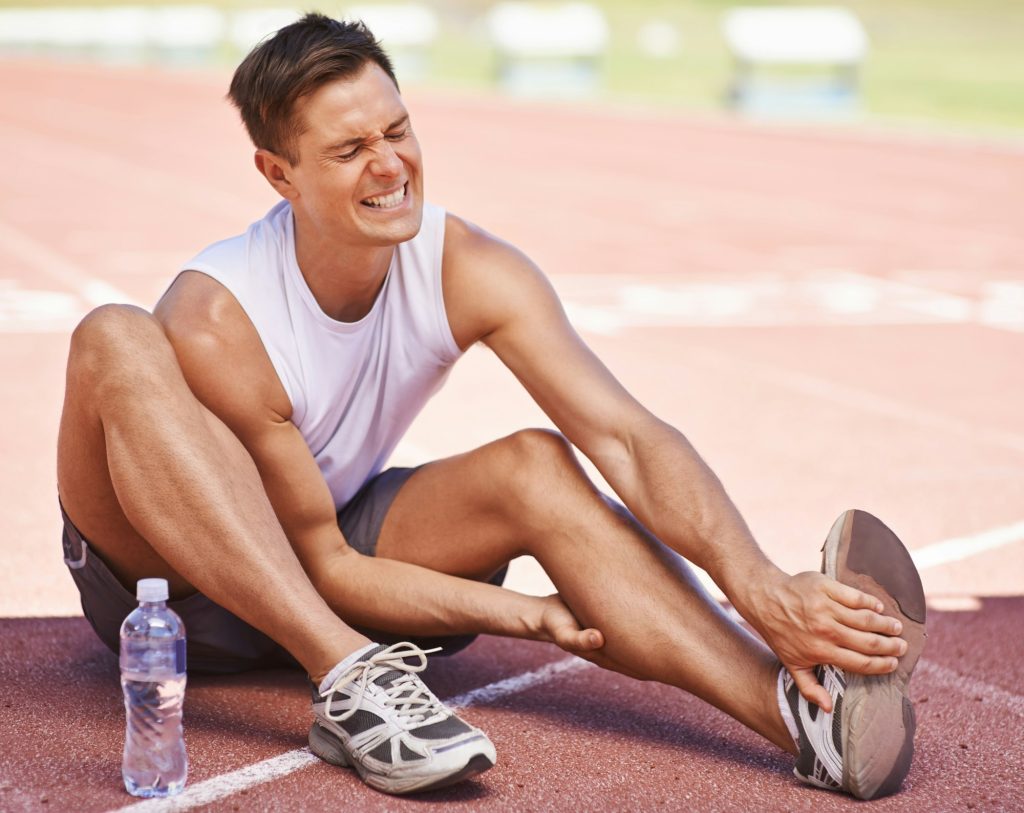
By improving foot stability and movement control, custom orthotics help protect athletes from injuries involving the feet, ankles, knees, and lower legs. Flat feet, plantar fasciitis, shin splints, and Achilles tendon pain are the top things custom orthotics help stop by providing improved foot support and maintaining body alignment. By reducing joint strain and distributing weight more effectively, custom orthotics prevent overuse injuries. Athletes with a history of injuries or abnormal foot geology commonly rely on custom orthotics from The Shoe Doctor to reduce risk. Constructed to match the shape of each foot, custom orthotics provide support where it is needed most, keeping people mobile and protected. In the subsequent sections, discover how custom orthotics function and identify the sports in which they are most beneficial.
Key Takeaways
- Custom orthotics from The Shoe Doctor are made to support each athlete’s individual foot structure, address incorrect foot mechanics, and prevent injury.
- By correcting biomechanical inefficiencies, custom orthotics optimize alignment and pressure distribution, reducing the likelihood of prevalent injuries including plantar fasciitis, shin splints, and stress fractures.
- Enhanced shock absorption shields the joints and tendons from high-impact forces. This makes custom orthotics an excellent injury prevention tool for runners and court athletes.
- Stability and alignment from orthotics promote better movement, less strain on muscles and joints, and recovery from old injuries.
- Sport-specific, custom solutions provide more effective prevention than generic insoles, underscoring the value of professional evaluation and design by expert sports podiatrists at The Shoe Doctor.
- By maintaining proper foot mechanics with custom orthotics, you support the entire kinetic chain from your feet all the way to your shoulders, leading to better posture, enhanced athletic performance, and long-term injury prevention for athletes of all backgrounds.
Understanding Custom Orthotics
Custom orthotics are footbeds crafted specifically to mold to each individual’s unique foot structure. These orthotic devices provide support and assist in correct foot movement, making them invaluable for athletes who exert their feet in sports. They do more than make you feel better, they attempt to keep the foot and ankle in the proper alignment, which can significantly reduce the chance of injury. Unlike conventional insoles, custom orthotics from The Shoe Doctor employ a precise mold of the foot, using plaster or other techniques, so that each insert conforms to the individual’s curves. This design allows the orthotic to support the specific demands of the athlete, whether it is soccer, long-distance running, or other high-impact sports.
Custom orthotics work by correcting improper foot mechanics that can lead to injuries. Most athletes are unaware that they may have underlying foot abnormalities such as overpronation or supination, which frequently results in heel, knee, or even lower back pain. For example, an overpronator may develop shin splints or runner’s knee. By supporting the foot in a more optimal position and distributing weight more evenly, custom orthotics reduce stress on the Achilles, plantar fascia, and joints. This can decrease your risk of developing common foot injuries like plantar fasciitis or Achilles tendinitis. Two main kinds of orthotics exist: functional types, which work to fix foot motion, and accommodative types, which aim to cushion and ease pressure areas.
Anything more than a minor correction often requires the expertise of a sports podiatrist. Specialists at The Shoe Doctor analyze an athlete’s foot movements, scan for pressure points, and confirm that the orthotic fits and functions properly. They use information from foot molds, gait analysis, and occasionally pressure mapping. If you’re new to custom orthotics, there’s an adjustment period, which could occasionally stretch to a month. At this point, consistent wear is important to allow the body to adjust. Over time, custom orthotics can help stave off injuries such as shin splints and runner’s knee by increasing shock absorption and reinforcing the foot’s natural architecture.
How Orthotics Prevent Sports Injuries
Custom orthotics play a vital role in sports injury prevention by addressing biomechanical inefficiencies, promoting proper alignment, and supporting optimal movement patterns. These orthotic devices from The Shoe Doctor, designed for the unique foot structure of each athlete, serve as tools for injury prevention and enhanced athletic performance. Orthotics offer focused benefits that cascade up from the foot through your kinetic chain, which includes your joints, tendons, and muscles.
1. Correcting Imbalances
Custom orthotics, specifically designed to address biomechanical issues, are often the culprits behind injuries such as runner’s knee, shin splints, and Achilles tendonitis. By cradling and supporting the arch and heel, they help align the feet, which alleviates the strain placed on muscles and joints during rigorous sports. Athletes with unique foot structures, like flat feet or high arches, generally suffer from poor balance or instability. Customized orthotics from The Shoe Doctor offer them a stable base, significantly enhancing their balance and stability. Smart motion is key to sidestepping overuse injuries, and proper footwear combined with orthotic solutions provides that smart motion, warding off chronic tendinitis and stress fractures.
2. Distributing Pressure
Orthotics provide shock absorption to your feet, reducing impact forces and minimizing the potential for injury. This even distribution is crucial in avoiding stress fractures and other conditions such as plantar fasciitis or Morton’s neuroma. They alleviate pain by providing sensitive areas with padding and are particularly useful for athletes, including basketball players and distance runners, who frequently encounter foot pain during extended training sessions. Athletes with a history of repetitive foot-related injuries often experience increased comfort and performance with customized orthotics from The Shoe Doctor.
3. Absorbing Shock
Shock absorption is critical in high-impact sports, and the use of customized orthotics with high-tech cushioning materials significantly helps absorb and disperse forces that would otherwise batter the joints and tendons. This reduces the risk of joint pain, tendonitis, and acute injuries, particularly for runners and court athletes who benefit from fewer shin splints and overuse injuries. Enhanced shock absorption not only improves athletic performance but also allows athletes to train harder with less pain.
4. Improving Alignment
Proper foot positioning reinforces full-body posture and minimizes excess strain on the lower body. The use of customized orthotics from The Shoe Doctor can aid in achieving proper alignment, which reduces the likelihood of chronic injuries associated with abnormal gait patterns. These patterns frequently result in strains, sprains, and even fractures over time, while aligned feet lead to better efficiency and enhanced athletic performance in high-impact sports.
5. Promoting Joint Stability
Stability is key when athletes cut, and customized orthotics from The Shoe Doctor lock the foot in place, preventing the rolling or slipping that causes ankle sprains. For the previously injured athlete, these orthotic devices provide reassurance and help restore confidence in their movements. By providing more stability, orthotics enhance athletic performance and reduce both traumatic injuries and chronic ones, especially when playing soccer, basketball, tennis, or other high-impact sports.
Common Injuries Orthotics Address
Understanding the sports injuries linked to foot health is crucial for athletes at every level. By addressing the underlying foot conditions that lead to injuries with customized orthotics, you can reduce the likelihood of long-term pain and enhance athletic performance, particularly since up to 77% of individuals experience foot pain at some point. The following numbered list highlights why tackling foot issues early is important.
- Prevents repetitive stress injuries, such as plantar fasciitis and Achilles tendinitis, by distributing weight more evenly.
- Minimizes the risk of chronic pain and repetitive injuries that can cut athletic careers short.
- Hands improve alignment and reduce the risk for ailments like bunions and Morton’s neuroma.
- Allows for expedited recovery of current injuries and allows athletes to get back in the game faster.
- Assists with diabetic foot care and reduces complications for diabetics.
The Plantar Fasciitis
Plantar fasciitis is inflammation of the thick band along the bottom of the foot, leading to stabbing heel pain that makes it hard to stand, walk, or train. Customized orthotics provide the arch with enhanced support, reducing tension on the plantar fascia and alleviating pain. Proper footwear with good arch support is crucial for treating flares and preventing them from returning. For athletes, these orthotic devices accelerate rehabilitation and allow them to return to play with a reduced risk of sports injury.
Shin Pain Syndrome
They are common in runners and sports with lots of jumping, often leading to foot health issues such as pain along the shinbone, typically from overuse or improper technique. Customized orthotics redistribute force on the leg, lightening the burden and keeping injury at bay. By correcting how your foot lands and moves, orthotic devices address one underlying cause of shin splints, preventing and treating foot pain before it becomes a chronic problem.
The Achilles Tendonitis
Achilles tendonitis, often caused by chronic strain or improper foot mechanics, can sideline athletes and diminish their athletic performance. Customized orthotics provide essential support to the heel and arch, significantly reducing tendon strain. By correcting the movement of the foot, these orthotic devices prevent excessive weight from pivoting forward, allowing the tendon to rest and decreasing the likelihood of re-injury for those returning to exercise.
The Runner’s Knee
Runner’s knee is frequently associated with misaligned feet, leading to pain around the kneecap, particularly after long runs. Customized orthotics help by bringing the foot and knee into better alignment, enhancing athletic performance. Proper footwear and orthotic devices increase knee stability, which assists when running and playing other sports.
The Stress Fractures
Stress fractures occur when bones encounter repetitive impact, which is prevalent in many sports. Customized orthotics, designed to absorb some of this shock, help lessen the strain on bones and support proper foot health. Proper foot alignment is crucial to stave off such injuries and can aid in healing existing fractures by relieving pressure from the painful area.
Personalized Fit Benefits
Custom orthotics function by molding to the athlete’s unique foot structure, providing support that generic insoles can’t measure up to. This precise fit aligns the feet and ankle, distributing pressure more evenly and reducing strain on the knees, hips, and lower back. This alignment is crucial for sports where repeated impact and rapid movement shifts add additional strain to joints and soft tissue. Once the foot lands well, the rest of the body falls in line. Custom orthotics help maintain this alignment, preventing minor imbalances from escalating into major injuries. Unlike conventional insoles, which are produced in common sizes and forms, customized orthotics are constructed following an in-depth evaluation by a sports podiatrist. This evaluation typically incorporates a gait analysis and breakdown of the athlete’s movement patterns, ensuring the end result complements both the foot and the game.
A major motivation for many athletes choosing custom orthotics is to avoid or delay surgery and other invasive interventions. By fixing improper foot mechanics, the orthotic device can eliminate the source of pain. For instance, they can prevent plantar fasciitis or Achilles tendinitis from flaring up. They govern a lot of movement, which aids in avoiding injuries such as shin splints and runner’s knee. Shock absorption is an added benefit as well. These customized orthotics help soften each step, a godsend in high-impact sports like basketball or running. By dissipating the impact from jumping or sprinting, they significantly reduce the potential for overuse injuries.
There are two main types: functional, which guide the way the foot moves, and accommodative, which add cushion and ease pain from standing or walking. Both can literally be a matter of comfort and weariness. Regular use is important, particularly during the initial month while the feet adjust to the new support. This getting-used-to-it phase is typical and definitely worth it for long-term comfort and injury prevention.
| Benefit | Custom Orthotics | Generic Insoles |
| Biomechanical alignment | Yes | No |
| Injury prevention | Yes | Limited |
| Pressure distribution | Yes | Partial |
| Shock absorption | Yes | Basic |
| Long-term comfort | Yes | Limited |
| Professional assessment | Yes | No |
| Adaptability to sport | Yes | No |
Sport-Specific Orthotic Design
Custom orthotics can be molded to the unique foot structure of each sport. It’s not a cookie-cutter design, rather, it is based on how the foot moves in different sports. Runners require shock absorption and heel support, while soccer players need lateral stability and traction for rapid movements. These athletic performance insoles are designed to help the athlete move optimally, reduce pain, and minimize the risk of injury.
| Sport | Key Movements | Orthotic Features | Injury Prevention Examples |
| Running | Straight line, impact | Cushioning, arch and heel support | Shin splints, plantar fasciitis, runner’s knee |
| Soccer | Lateral cuts, sprints | Medial/lateral support, forefoot padding | Turf toe, ankle sprains, plantar fasciitis |
| Basketball | Jumps, pivots, sprints | Forefoot cushion, arch support | Achilles tendinitis, metatarsal stress, knee pain |
| Tennis | Quick stops, side-shifts | Shock absorb, stability | Achilles issues, ankle sprains, shin splints |
| Hiking | Uneven terrain, long walks | Rigid support, deep heel cup | Plantar fasciitis, foot fatigue, ankle injuries |
Each sport places different stresses on the foot, and orthotics function by balancing that force with proper support. Take running, for instance. The primary task is to absorb impact and prevent arch collapse, which helps prevent injuries such as shin splints or heel pain. In soccer, the foot twists and turns quickly, so the insoles have rigid sides to prevent excessive rolling, effectively reducing sprains. Sports played on hard or uneven terrain, such as hiking or basketball, utilize thick soles that prevent the foot from impacting the ground too forcefully, thereby reducing the risk for stress fractures or tendon pain.
Making orthotics for sports is a precise process. Experienced sports podiatrists conduct thorough examinations to assess foot movement patterns, arch shape, and ankle alignment. Sometimes they take plaster molds for a perfect fit, ensuring that the orthotic device fits the foot and the sport. A new pair can take as long as a month for an athlete’s feet to acclimate to the swap. By wearing them daily, it helps your muscles and joints adjust so the support feels natural over time.
The Kinetic Chain Connection
The kinetic chain is the concept that the body functions as a connected unit and each segment is linked and moves in unison. In sports, this is vital: how the foot moves can change how the knee, hip, and back behave. If one link in this chain is out of line, like if the foot rolls too much inward or outward, it can set off trouble higher up. This is why athletes obsess over minutiae such as foot control and balance because they understand that a minor bug at the base can infect the entire system.
Foot mechanics play a crucial role in the function of the kinetic chain. When running or jumping, the foot strike transmits shock and force up the legs and into the body. If the foot is stable and glides properly, the kinetic chain operates with less stress. If the foot collapses inward (overpronation) or tips outward (supination), joints above it, like the knees or hips, can twist or shift in problematic ways. Over time, this can lead to issues such as shin splints, Achilles tendon pain, or even lower back problems, highlighting the importance of maintaining proper foot health and biomechanics.
Making sure the kinetic chain stays in line is important for both injury control and peak performance. When joints and muscles work in unison in the proper form, athletes expend less energy and sustain less damage. Bad habits, such as favoring one side or landing oddly, can place excessive strain on an area. This predisposes you to an overuse injury, particularly when you’re training hard or playing a sport that requires sudden maneuvers and changes of direction.
Customized orthotics provide a solution by offering extra support to the arch and heel, which helps align the foot and lower leg. For athletes, these orthotic devices relieve stress on the Achilles tendon and facilitate the foot’s natural heel-to-toe roll. This enhancement can make running and jumping feel more natural while reducing injury risks. Additionally, orthotics improve balance and stability, providing a solid foundation for the rest of the body to function optimally. By alleviating strain with each step, they empower athletes to train harder and recover more effectively.
Final Remarks
Custom orthotics from The Shoe Doctor step in to prevent a wide range of sports injuries. They provide a solid foundation for your feet, correct joint biomechanics, and reduce stress on muscles. Runners frequently avoid shin pain and heel pain thanks to a proper fit. Soccer and tennis players receive targeted support for knee and ankle issues. These inserts mold to the shape of each foot, making every movement more secure. Enhanced balance helps prevent falls and sharp twisting motions that can damage joints. For the best results, always consult a professional at The Shoe Doctor who understands both sports and foot health. Want to Learn More or Share Your Experience? Have insights of your own? Share your thoughts in the comments or browse our blog for additional expert advice and practical tips.
Frequently Asked Questions
1. What Sports Injuries Can Custom Orthotics Help Prevent?
Custom orthotics prescribed by sports podiatrists may help protect athletes from frequent injuries, including plantar fasciitis and knee discomfort, by improving foot positioning and reducing strain throughout the muscles and joints.
2. How Do Custom Orthotics Improve Athletic Performance?
Custom orthotics and performance insoles enhance stability, absorb impact forces, and support efficient foot movement, allowing athletes to move more comfortably while reducing fatigue and injury risk.
3. Are Custom Orthotics Better Than Standard Insoles For Injury Prevention?
Yes. Custom orthotics, designed to fit an individual’s unique foot structure and biomechanics, provide focused support that enhances athletic performance and offers more effective injury prevention than generic insoles.
4. Can Custom Orthotics Help With Knee And Hip Injuries In Sports?
Yes. By correcting foot alignment with customized orthotics, podiatry associates can support the kinetic chain, alleviating strain on knees and hips while preventing injury.
5. How Do Custom Orthotics Support The Kinetic Chain?
By properly aligning the feet, custom orthotics help create better balance throughout the body, supporting smoother movement patterns and improved overall athletic performance. By ensuring proper support, custom orthotics ease the strain on your ankles, knees, hips, and back, supporting the entire kinetic chain and helping to prevent injuries.
Train Harder And Perform Better With Custom Orthotics For Athletes From The Shoe Doctor
If foot, knee, or back pain is slowing you down, your footwear support may be holding you back. For athletes, even small alignment issues can lead to overuse injuries, reduced performance, and longer recovery times. Without proper support, every run, jump, or lift puts extra strain on your joints and muscles.
At The Shoe Doctor, we specialize in orthotics for athletes who want to move stronger and stay injury-free. Using advanced 3D foot-mapping technology, we analyze how your feet move, strike, and absorb impact during activity. This detailed data allows us to create custom orthotics that improve stability, enhance alignment, and support efficient movement across a wide range of sports.
With over 20 years of experience, Russell blends precision technology with hands-on craftsmanship to design orthotics that go beyond comfort. They help improve biomechanics, reduce injury risk, and support better performance over time. Through our partnership with the Spine and Injury Medical Center in San Jose, we also address posture and gait to support full-body balance and recovery.
If you’re training or competing in the South Bay Area, schedule your free consultation today. Let The Shoe Doctor help you move with strength, control, and confidence every time you train or compete.
Disclaimer
The materials available on this website are for informational and entertainment purposes only and are not intended to provide medical advice. You should contact your doctor for advice concerning any particular issue or problem. You should not act or refrain from acting based on any content included in this site without seeking medical or other professional advice. The information presented on this website may not reflect the most current medical developments. No action should be taken in reliance on the information contained on this website, and we disclaim all liability for actions taken or not taken based on any or all of the contents of this site to the fullest extent permitted by law.