The Best way to relieve foot pain without medication means simple, easy solutions like rest, ice, and stretches. A lot of folks say that cool water soaks, wearing supportive shoes, or putting soft inserts in shoes can help soothe soreness. A good foot massage or rolling the arch over a firm ball loosens those tight spots and provides quick relief. It is also important to keep weight off your feet by sitting or elevating them, as this will help with swelling and pain. Others reach for compression socks or wraps for additional support, particularly after an extended day on their feet. Knowing when to apply which of these steps simplifies the process of discovering what fits your everyday life. The following paragraphs describe how to apply each technique for optimal effect.
Key Takeaways
- By catching types of foot pain early and providing timely care, you can reduce the likelihood of developing complications that persist for years.
- A little stretching, strength, and massage go a long way in soothing foot pain without turning to meds.
- Choosing well-fitted, supportive shoes and using orthotics from The Shoe Doctor when appropriate are basics for keeping your feet happy and avoiding pain flares.
- These simple at-home therapies, temperature therapy, and mindful movement practices can provide effective relief and support overall well-being.
- Being proactive in weight management and activity pacing minimizes stress to the feet. This allows people of all ages to move more comfortably through their day.
- If pain continues with home care, seeing a professional guarantees proper diagnosis and treatment options that are appropriate and supported by evidence.
Understand Your Foot Pain
There are many causes of foot pain, including conditions like plantar fasciitis pain, and it can significantly influence daily life. Understanding what kind of pain you have, it helps you figure out how to relieve it with proper footwear or natural remedies. These are the most common types: arch pain, heel pain, ball-of-foot pain, and toe pain. Each has its own signs, symptoms, and causes, ranging from overuse and bad shoes to medical conditions like arthritis or infections. Age is important, but feet change and lose support with time. Early attention is critical to prevent more serious issues later.
Arch Pain
Arch pain typically stems from flat feet, overuse, or standing for extended periods. Flat feet occur when the arch is lower than normal, so the foot doesn’t absorb shock as well. Overuse injuries are typical for runners or those who walk a lot on the job.
Stretching Exercises Help By:
- Increasing blood circulation to the arch.
- Loosening up the muscles and tendons.
- Relieving stress on the plantar fascia.
- Minimizing injury risk.
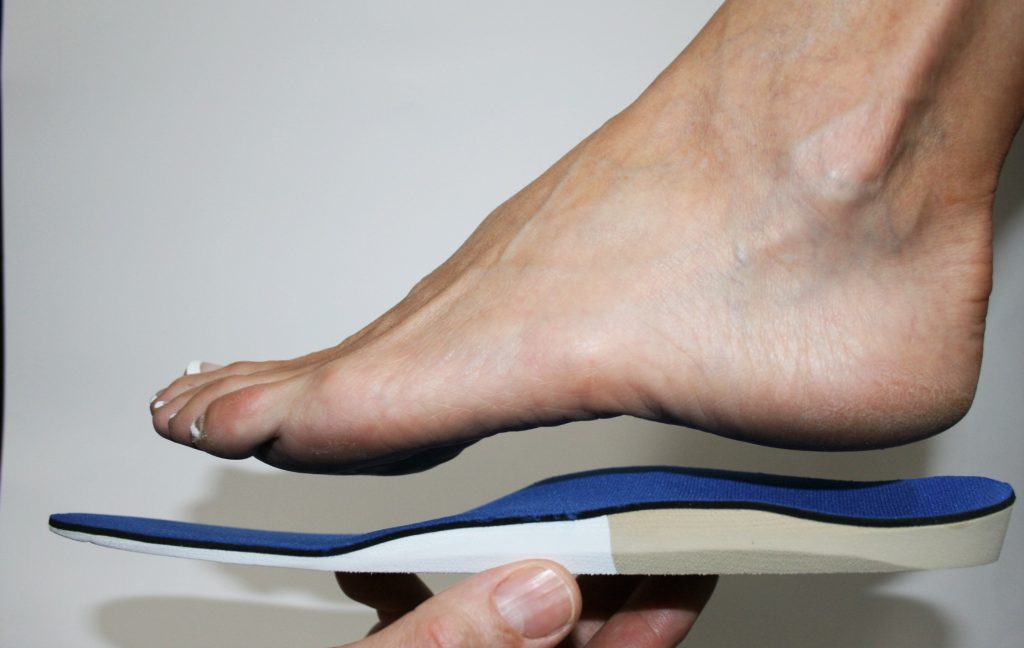
Footwear with good arch support is crucial. These shoes distribute pressure evenly and hold your foot in a natural position. For others, custom orthotics from The Shoe Doctor are the way to go. Orthotics are specially crafted for your foot and provide consistent support where you need it most.
Heel Pain
Plantar fasciitis and heel spurs are the number one causes of heel pain. Plantar fasciitis occurs when the fascia under your foot becomes inflamed, typically presenting as stabbing pain with those initial morning steps. Heel spurs are bony growths that can exacerbate the pain.
Stretching your calves keeps the Achilles tendon lax and prevents heel tightness. Ice packs reduce swelling and provide immediate, temporary pain relief. Supportive shoes with a cushioned heel cup are a savvy choice, particularly if your day involves a lot of time on your feet.
Ball-Of-Foot Pain
Are you suffering from pain in the ball of your foot caused by high heels or unpadded shoes? It probably will if you stand or walk a lot. Toe curls and foot exercises assist in strengthening the foot muscles, so you’re less likely to experience soreness.
Cushioned insoles from The Shoe Doctor absorb some of the impact on the ball of your foot. It’s helpful to review your gait. If your gait places excess weight on the front of your foot, it can cause pain.
Toe Pain
Toe pain can be caused by bunions, arthritis, or tight-fitting shoes. Bunions push your big toe into the others, so your shoes hurt. Arthritis makes joints stiff and causes toe swelling.
Regular toe stretches keep the joints loose and help you move more fluidly. Shoes with a wide toe box allow your toes to spread out, which alleviates congestion and discomfort. Toe separators are an easy way to spread toes and feel good, particularly when the day is done.
Why Use Orthotics?
Orthotics help manage foot pain by providing focused support and enhanced comfort for individuals with various foot problems, including plantar fasciitis pain and general foot discomfort. By correcting alignment and redistributing pressure, they absorb shock, making movement throughout your day less painful and more efficient, ultimately contributing to a proper foot care routine.
| Feature | Benefit | Type |
| Shock absorption | Eases pressure on joints | Prefabricated, Custom |
| Targeted arch support | Reduces strain on plantar fascia | Rigid, Semi-rigid |
| Cushioning | Lessens impact from walking or sports | Soft, Hybrid |
| Custom fit | Matches unique foot structure | Custom-made |
| Low-cost option | Accessible for most budgets | Prefabricated |
1. Discomfort Relief
For example, orthotics from The Shoe Doctor help alleviate pain in people suffering from plantar fasciitis or Achilles tendonitis by adding support and shock absorption. Whether prefabricated or custom, orthotic devices can make walking less painful within weeks. Others wear them for arch or forefoot pain.
They can be soft for cushioning, rigid for control, or a hybrid. The correct type depends on the foot issue. For example, plantar fasciitis patients respond well to hard arch support.
Every day, every day, that’s the magic for consistent relief. Pop orthotics in work shoes, gym shoes, or even slippers to prevent pain from returning. Monitor your pain daily to measure how much the orthotics assist you and make modifications if necessary.
2. Better Balance
Orthotics enhance balance by stabilizing the foot and ankle, assisting in the avoidance of slips and falls. This is important for those with unstable gait or weak foot muscles, particularly older adults or athletes.
Incorporate balance drills, such as standing on one foot or heel-to-toe walking, into your protocol. These easy exercises work well with orthotics.
Biomechanical issues like overpronation can cause instability. Orthotics correct these problems and stabilize every step.
Have your orthotics checked twice a year by The Shoe Doctor to ensure they still fit and function as expected. This maintains your stability in the long run.
3. Improved Mobility
With orthotics, most individuals walk longer distances and with less pain. The support from the device helps your foot move more smoothly, making stairs, long walks, or sports easier.
When combined with foot exercises such as toe curls and ankle rotations, orthotics strengthen your muscles and hasten your gains.
As your feet get stronger and pain decreases, you may find you can participate in more activities. This surge of activity is crucial for good health.
Go slow when adding in new routines. Build time or distance slowly to prevent relapses.
4. The Proactive Care
Orthotics are smart for long-term foot care, not just pain relief. They prevent future injuries by maintaining the foot in good condition.
Schedule regular checkups with The Shoe Doctor to fine-tune orthotics as your needs evolve. This keeps them functional and comfortable.
Learn more about keeping feet healthy, like choosing good shoes and frequently stretching. This keeps you in the game longer.
Get the word out about orthotics if you have achy feet or stand for hours.
5. Foundation Support
Orthotics serve as a foundation for your entire body. They distribute weight, absorb impact, and provide optimal support to arches. Good support can alleviate pain in the knees, hips, or back that results from poor foot alignment.
Leg or back pain often begins in the feet. Support at the foot of the body can do wonders.
Wear orthotics in every shoe you wear during the day. This maintains the benefits and prevents new pain.
Choose The Right Footwear
Wearing the right footwear is a crucial component of coping with and preventing foot pain, including common foot problems like plantar fasciitis and achilles tendonitis. Quality supportive footwear not only provides comfort but also protects against typical foot issues, ultimately leading to healthier feet and reduced discomfort.
Shoe Fit
Begin by measuring your feet annually. They change with time, age, or even weight. This step prevents you from playing the guessing game and confirms your actual size is up to date.
When fitting for shoes, verify that your toes can wiggle and that the shoe is not rubbing on any part of your foot. Aim for a close heel and midfoot fit, but there should be no pinching or tight spots. Shoes with pressure points can cause blisters, irritation, or longer-term injuries.
Not sure about fit? The Shoe Doctor performs professional fittings using a combination of measurement and observation to suggest the most suitable size and style for you.
Shoe Design
Select shoes designed for your primary pursuits. Running shoes have different support and cushioning than shoes for walking or standing all day. Individuals with flat feet can find relief in footwear that features hard arch support and a hard sole, as this helps to reduce stress on the joints and arches. A stiff heel counter can help reduce Achilles strain, while a modest heel of 10 to 12 millimeters alleviates tension on the plantar fascia.
Fashion shoes, particularly heels and narrow designs, can exacerbate foot pain as time passes. Instead, look for shoes recommended by The Shoe Doctor that are known for quality, comfort, and support. Choose functional and fashionable options.
Shoe Life
Shoes wear out even if you think they look alright on the outside. Their internal cushioning can collapse anytime after 480 to 800 kilometers (300 to 500 miles). Old shoes offer less support, increasing the danger of aches and injuries. Check the soles for uneven wear. This is a good clue that it is time to switch.
Alternating a few pairs of shoes allows each one to bounce back between runs and last longer. Follow the care instructions from The Shoe Doctor to maintain them. Going barefoot around the house may feel natural, but it puts extra strain on the arches and joints, so it’s smart to wear some supportive shoes indoors if you have foot pain.
Simple At-Home Therapies
So, what’s the best way to treat foot pain at home? By combining stretching exercises, supportive footwear, and massage techniques, the majority of us can take control of common foot problems, optimize foot health, and stave off future discomfort.
Foot Stretching
Daily stretching alleviates pain and loosens foot muscles. Effective routines include:
- Toe Curls: Sit with feet flat, curl your toes slowly, hold for five seconds, then relax. Do it ten times.
- Heel Raises: Stand and slowly lift your heels off the ground, balancing on your toes, then lower them. Do three sets of ten.
- Calf Stretches: Stand facing a wall, place your hands on the wall, step one foot back, and press the heel down. Hold for 20 seconds per leg.
- Yoga: Poses such as Downward Dog or Mountain Pose can stretch the calves, arches, and toes simultaneously, increasing both flexibility and strength.
Stretching can be communal. Bring the family on board and make it a daily ritual that everyone enjoys. You have to stick with it. Relief can take weeks, so patience counts.
Strengthening
Building foot strength reduces the risk of future discomfort and pain. Begin with basic motions such as towel scrunches, using your toes to scrunch a towel toward you, and graduate to resistance band exercises to strengthen your arch. Incorporating regular stretching and foot care tips can enhance your routine. Try picking up small objects with your toes to work deeper muscles, and track your progress with a journal or app to stay motivated and see results over time.
Relaxing Massage
Self-massage is a great way to relieve tension and promote relaxation, especially for those experiencing sore feet after long days. Employ both hands to knead aching spots or roll a ball under the arch, which can provide significant relief for foot discomfort. Massage balls or rollers can add targeted pressure and can be stored under your desk for quick relief. Nothing keeps it simple like a frozen bottle of water rolled under your foot to provide cold therapy and a massage at the same time. Make foot care a routine and share these techniques with your family at home so that everyone can enjoy the benefits.
Temperature Therapy
Temperature therapy provides quick relief and supports healing.
- Ice Packs: Apply for 5 to 15 minutes to reduce swelling and numb pain.
- Warm Water Soaks: Add Epsom salts to ease sore muscles and lower swelling.
- Frozen Water Bottles: Roll under the foot for combined cold and massage effects.
- Alternate shoes daily to prevent pain from worn soles.
Apply heat and cold therapy on a regular basis for optimal healing. If pain does not improve in two weeks, get medical advice.
The Mind-Body Connection
Mental health and foot health are intimately connected, particularly when considering proper footwear and its impact on overall well-being. This mind-body connection is encompassed by the psychoneuroendocrine-immune (PNEI) network, which explains how our thoughts, stress, and emotions influence not only pain but also symptoms and healing. Studies indicate that stress and anxiety affect the immune system, heart health, and even pain perception. The mind-body connection isn’t new, but contemporary research shows that interventions focused on mental stillness, such as mindfulness or stress relief, actually alleviate chronic pain, including plantar fasciitis pain, by altering neural activity and promoting relaxation. Personal stories often echo this: people notice that foot pain lessens when relaxed but worsens when stressed.
Mindful Movement
Mindful walking means being aware of your every step, the landing of your feet, and the shifting of your posture. This practice, in addition to helping your gait, can prevent ingrained habits that lead to common foot problems such as sore feet and chronic pain. By emphasizing relaxation during everyday activities, you eliminate muscle tension and keep undue stress off your feet, promoting a proper foot care routine. Basic breathing patterns, such as slow and deep breaths, can maintain a calm mind and keep muscles loose, providing significant relief from discomfort. Mindfulness during any movement has been shown to alleviate chronic pain and foster a sense of control and wellness.
Weight Management
Maintaining a healthy weight is critical for your feet, as it helps prevent common foot problems. Engaging in regular exercise, whether swimming or biking, promotes weight management and enhances circulation, which aids your feet. Additionally, incorporating proper footwear can significantly decrease stress on your foot joints. Watch for shifts in weight and modify activity if necessary to prevent overwhelming your feet. When family comes along for healthy habits, it develops a support structure and makes sustainable change easier.
Activity Pacing
Foot fatigue can be avoided with planned activities and breaks, while proper footwear plays a crucial role in ensuring foot comfort. Paying attention to your body and making adjustments based on foot discomfort can prevent minor aches and pains from escalating into serious, chronic issues. Rest days are essential, allowing your feet to recover and heal. By spreading the word about pacing to others, you’ll contribute significantly to nurturing a culture of self-care.
When To Seek Help
Foot pain is often alleviated at home with rest, ice, gentle stretching, or simple footwear modifications. Knowing when to peek beyond home care and request professional assistance is critical. Certain foot problems indicate more serious issues requiring more than simple remedies. Here’s a table that lists clear signs and symptoms when you should think about seeing a doctor:
| Symptom or Sign | What It Means |
| Pain lasts more than 5 days | Home care is not enough, see a specialist |
| Pain gets worse, not better | Possible deeper problem, needs evaluation |
| Swelling, redness, warmth | Signs of inflammation or infection |
| Trouble bearing weight | Can mean injury, fracture, or joint issue |
| Numbness or tingling | May point to nerve or blood flow problems |
| Changes in skin color/temp | Possible poor blood supply or infection |
| Fever, pus or open wound | Urgent signs of infection |
| Pain stops daily activities | Function is limited, needs professional care |
If the pain persists or worsens beyond five days, even with rest, ice, or stretching, it’s time to schedule a visit. Don’t hold out for improvement if you can’t walk, work, or function day-to-day. Swelling, warmth, or redness may indicate inflammation or infection. If you notice pus, develop a fever, or your skin begins to appear blue or white, consult your doctor immediately. Numbness or tingling could be nerve trouble. This is not a symptom to brush off. These problems might require scans, blood tests, or other examinations to discover what is ailing them.
Getting the right diagnosis from a podiatrist or general doctor is important. Only a medical pro can detect issues like fractures, gout, or nerve damage that home care can’t address. Recurrent or persistent foot pain shouldn’t be overlooked. Intervening early can prevent minor problems from becoming chronic. If pain is preventing you from walking, running, or standing, contact us.
Conclusion
To relieve foot pain, start with the basics. Choose well-fitting shoes with proper support and consider soft insoles or custom orthotics from The Shoe Doctor if your arches need extra care. Stretch regularly at home and give your feet time to rest. Warm soaks or cold packs can help reduce swelling and soothe discomfort. Pay attention to your feet’s movements, pain often tells you what your body needs.
If discomfort persists or worsens, consult a physician or foot care professional. You know your body best, and small, consistent steps make a big difference. For more guidance, explore additional tips and stories from others tackling foot pain. Keep it simple, and your feet will thank you.
Frequently Asked Questions
1. What Are Some Common Causes Of Foot Pain?
Foot pain can arise from various causes, including overuse, improper footwear, injury, or conditions like plantar fasciitis. Understanding the source of your foot discomfort can help you identify effective remedies for achieving real relief.
2. How Do Orthotics Help Relieve Foot Pain?
Orthotics support and align your feet, offering remedies for common foot problems. They can offload pressure from tender areas, providing real relief without medication.
3. What Should I Look For In Footwear To Prevent Foot Pain?
Choose supportive footwear with quality arch support, padding, and sufficient toe room to alleviate foot discomfort and prevent future discomfort.
4. Are There Effective At-Home Therapies For Foot Pain?
Resting, elevating your feet, using cold packs, and performing light stretching exercises can provide significant relief from common foot problems.
5. Can Stress Or Emotions Make Foot Pain Worse?
Stress and emotional tension can increase pain sensitivity, making proper footwear and regular stretching crucial for maintaining healthy feet.
Move With Comfort And Confidence Using Orthotics For Seniors From The Shoe Doctor
Foot, knee, hip, or back pain can make everyday activities harder as we age. Walking, standing, or maintaining balance often becomes uncomfortable when your feet lack proper support. Small alignment issues can increase strain on joints, raise the risk of falls, and limit independence over time.
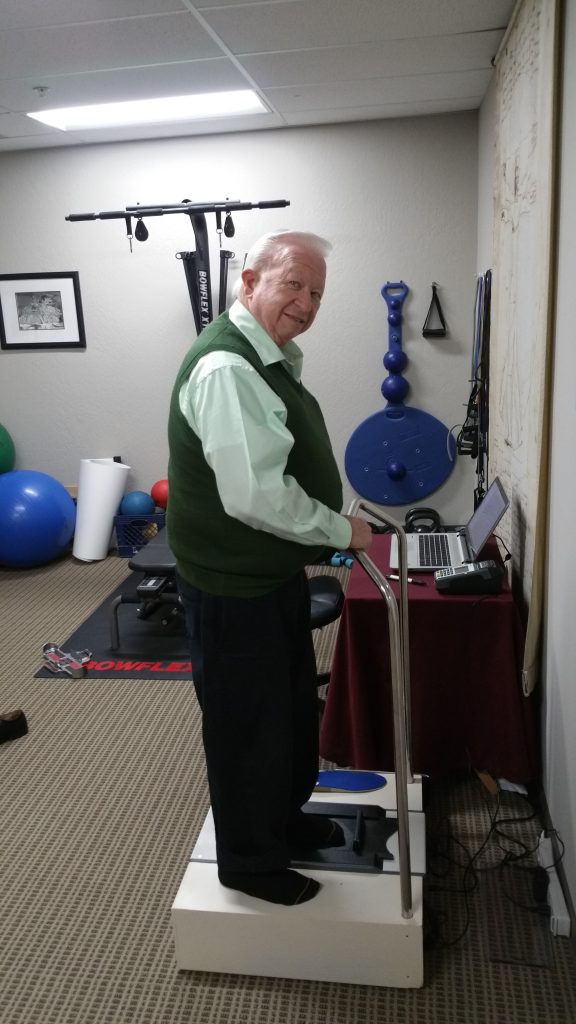
At The Shoe Doctor, we specialize in orthotics for seniors who want to stay active, stable, and comfortable. Using advanced 3D foot-mapping technology, we evaluate how your feet move, bear weight, and absorb impact during daily activities. This detailed insight allows us to create custom orthotics that improve balance, support alignment, and reduce pressure on sensitive areas.
With over 20 years of experience, Russell combines precise technology with hands-on craftsmanship to design orthotics that do more than feel good. They help improve posture, ease joint stress, and support safer, more confident movement. Through our partnership with the Spine and Injury Medical Center in San Jose, we also look at gait and posture to support whole-body balance and long-term mobility.
If you want to stay independent and comfortable in the South Bay Area, schedule your free consultation today. Let The Shoe Doctor help you move with stability, ease, and confidence every day.
Disclaimer
The materials available on this website are for informational and entertainment purposes only and are not intended to provide medical advice. You should contact your doctor for advice concerning any particular issue or problem. You should not act or refrain from acting based on any content included in this site without seeking medical or other professional advice. The information presented on this website may not reflect the most current medical developments. No action should be taken in reliance on the information contained on this website, and we disclaim all liability for actions taken or not taken based on any or all of the contents of this site to the fullest extent permitted by law.