Custom orthotics are the best long-term treatment for plantar fasciitis. A lot of podiatrists recommend these inserts to provide support and relieve pain by correcting foot alignment. For those struggling with persistent heel pain, custom orthotics can help distribute body weight and reduce tension on the plantar fascia. Research indicates that while custom orthotics may outperform basic insoles, the outcome varies depending on your foot and lifestyle. Not everyone with plantar fasciitis requires custom orthotics, and many improve with relatively easy modifications such as superior footwear or targeted stretches. To choose the optimal strategy, it’s useful to understand how custom orthotics function and what alternatives are available. The following sections detail these facts.
Key Takeaways
- While custom orthotics can provide targeted biomechanical correction and alleviate pain in plantar fasciitis, their optimal role as a long-term treatment varies by individual foot anatomy. See a good podiatrist for an evaluation first before you opt for orthotics.
- Clinical trials and meta-evidence demonstrate that custom orthotics benefit certain patient populations, particularly those who have experienced symptoms for a prolonged period of time and have biomechanically complex feet. Ongoing treatment typically entails a combination of therapies, not just orthotics.
- If they’re properly designed and fitted — crafted through advanced digital scanning and molding technologies — orthotics can offer long-term support and comfort and minimize recurrence when paired with continued care and exercise.
- Orthotics alone without strengthening, footwear advice, and lifestyle changes can cause weakness or hide biomechanical issues. A holistic treatment plan is key for lasting results.
- The long-term cost-effectiveness of such orthotics must be measured against constant recurring payments for other therapies while taking into account the overall health benefits and lessened potential for future complications.
- Ongoing follow-up, communication with providers, and periodic evaluation of orthotic fit and efficacy are required to optimize results and accommodate any discomfort or evolving needs over time.
The Biomechanics Of Pain
Plantar fasciitis is characterized by stabbing heel pain, particularly with the first footfall of the morning or after extended periods of inactivity. Knowing the role foot biomechanics plays explains why this pain pattern occurs and why it becomes chronic for so many. The plantar fascia, a thick band of tissue, carries much of the foot’s load. Issues with its structure, tension, or alignment can spark chronic pain and injury.
- Your plantar fascia is the shock-absorbing tissue supporting the foot arch and distributing weight with every step you take.
- Too much or repetitive stress creates microtears and inflammation, which causes the signature morning pain.
- Foot misalignment, overpronation, or supination, exaggerates forces on the fascia and intensifies pain.
- Chronic problems are frequently connected to daily habits, extra pounds, and bad shoes.
The Fascia
The plantar fascia is a fibrous band stretching from the heel bone to the toes, which forms the base of the foot’s arch. It controls the mechanical forces of ambulation, jogging, and posture. When inflamed, the fascia becomes sensitive and can generate pain that radiates along the sole, especially at the heel. Eventually, repetitive strain from long hours on the feet, athletic activity, or the wrong shoes causes chronic inflammation. Daily pain and tenderness make easy movement challenging. Regular fascia care, such as stretching and supportive shoes, is crucial to avoid chronic problems.
The Arch
Arch type has a direct role in plantar fasciitis. Flat feet or high arched feet alter the way pressure is distributed across the foot. Both extremes can add strain to the fascia. High arches tend not to absorb shock, and flat feet put extra tension on the tissue. Arch support, either through shoes or orthotics, redistributes pressure and aids in lessening heel pain. Unsupportive footwear, such as thin-soled shoes or trashed trainers, can exacerbate pain and impede recovery. Choosing shoes with stiff midsoles and a correct fit helps support the arch and reduces the daily strain on the fascia.
The Correction
- Custom orthotics target abnormal foot mechanics, align the arch, and cushion the heel.
- Stretching: Focus on calf muscles and the plantar fascia to reduce tension.
- Strengthening: Exercises for the foot and ankle improve support and stability.
- Footwear: Choose shoes with firm arch support and ample cushioning.
With orthotics, pain is frequently reduced by 50–80% within months. By fortifying your muscles with simple exercises, like toe curls and balance drills, you’re establishing a buffer. Physical therapy helps direct recovery, taking aim at your gait and flexibility. The majority improve within three to six months, with more than 90% resolving with these methods.
Are Custom Orthotics The Best Long-Term Solution?
Custom orthotics are commonly recommended for plantar fasciitis because they can address the underlying mechanical problems in the foot, providing more than just immediate symptom relief. A lot of folks are curious if these contraptions are the best long-term solution. The table below compares custom orthotics to OTCs, illustrating major differences in support, durability, and patient outcomes.
Feature | Custom Orthotics | Over-the-Counter Insoles |
Fit & Design | Tailored, based on foot scan | Generic, standard sizes |
Durability | 2–5 years | 2–6 months |
Support | High, targets biomechanics | Moderate, compresses fast |
Cost | High upfront | Low upfront |
Pain Relief Effectiveness | Often long-term | Short-term |
Need for Expert Input | Yes (podiatrist) | No |
The Evidence
As clinical studies demonstrate, custom orthotics are effective in reducing heel pain for many plantar fasciitis patients. Peer-reviewed research frequently finds that patients experience less pain and improved function in everyday life after using custom orthotics, particularly when used in conjunction with other care. Systematic reviews support them as well, but observe that not everyone gains equally. Patient stories show real progress, but results may differ.
I care about evidence-based care. Not every patient has the same results, so careful evaluation is important.
The Alternatives
PT and targeted stretching still top the list of non-surgical treatments. Supportive shoes can assist, but don’t always address the biomechanical underlying causes. Do night splints and steroid shots take care of it?
Others combine these approaches with orthotics for optimal results.
The Recurrence
Symptoms tend to return once root causes persist. Continued foot care, such as consistent stretching and getting shoes that fit properly, aids in reducing flare-ups. Custom orthotics are a good long-term solution, but if you discontinue them too soon or neglect regular care, the problem may reappear. Lifestyle tweaks, like weight control and activity modifications, help.
The Ideal Candidate
Custom orthotics work best for those with abnormal foot shape or movement issues. A podiatrist’s exam determines whether you need orthotics. Those with flat feet, high arches, or who pound their feet the most could receive the most help. Active individuals or those who stand a lot tend to experience improvement.
The Cost-Effectiveness
Custom orthotics are more expensive initially, but they can reduce long-term costs by reducing pain and preventing additional intervention. Fewer doctor visits and fewer new insoles can really add up. Investing in good foot health supports overall well-being and limits lost work days.
The Custom Creation Process
Custom orthotics begin with a precise process that merges clinical knowledge, technology, and thoughtful design. Every stage, from evaluation to fit, molds the end product to suit the wearer’s distinct foot anatomy and gait. Custom orthotics aren’t just any old insole; they’re medical devices engineered to fit your exact needs and give you a level of support that off-the-shelf inserts can’t compete with.
Your Assessment
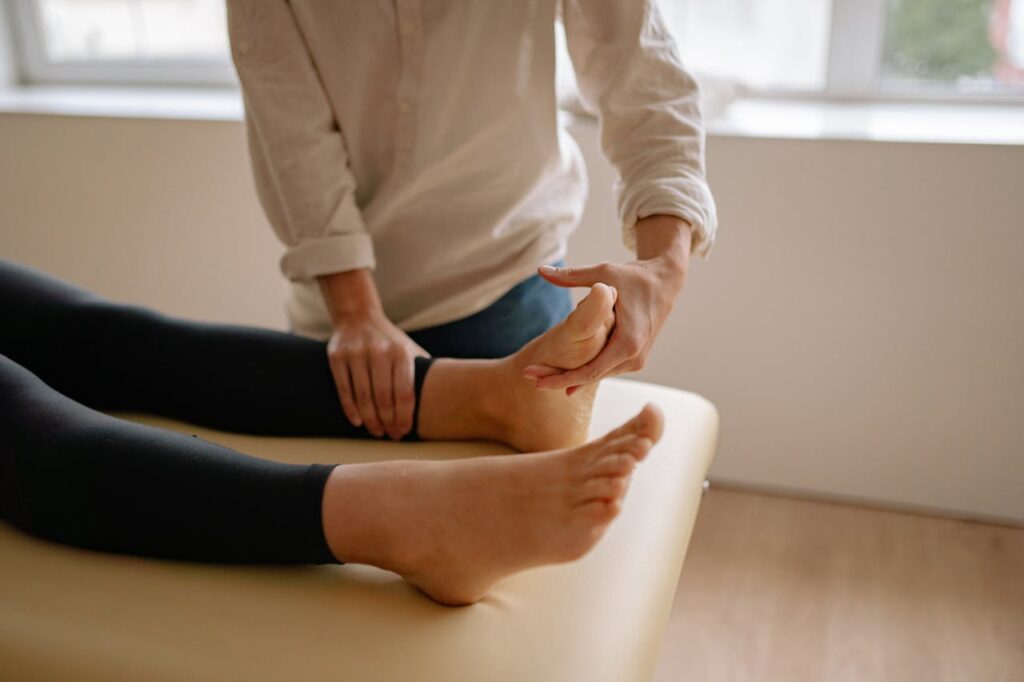
An in-depth foot analysis is step one and the most critical. Experienced podiatrists examine the anatomy of your foot, ankle, and lower leg. They look for things like flat feet, high arches, or abnormal gait patterns. A biomechanical analysis usually uses digital foot scanners to capture subtle nuances of walking or standing. These digital scans provide precise measurements, so no subtlety is lost.
Here, clinicians think about lifestyle. For instance, a daily runner will require a different orthotic than someone who stands in one place for hours on end. This yields a specific prescription, which type of orthotic, what materials, and modifications. This script directs subsequent steps and acts as the template for the result.
Your Mold
Molding is performed either by taking a plaster cast or through a digital scan. Plaster casting employs wet bandages that solidify to the foot’s form, whereas digital scanning utilizes high-tech cameras to construct a three-dimensional model. These digital techniques are more rapid and less error-prone. Either methodology seeks to preserve each form of the foot. They hang on to the mold or scan for a day or so before forwarding it to a magic lab.
In our lab, we use materials such as polyamide powders, premium polyamides, or high-tech plastics that are selected for strength, flexibility, and comfort. Technicians then adhere to the prescription and trim or shape the orthotics with traditional craftsman tools. Durability is key, with plenty of orthotics lasting five years or more with good maintenance.
Your Fitting
After manufacturing, the orthotics are fitted. This visit verifies comfort and support. Small tweaks are made according to feedback and the way the foot moves. Taking them for a test run in different shoes is crucial because even small shifts in shoe shape can impact the fit.
Orthotics are not an immediate fix. They require adaptation. Users should wear them only for short periods initially, gradually scaling up use as the feet acclimate. A proper break-in staves off pain and guarantees the orthotics deliver lasting relief.
Beyond The Device
Curing plantar fasciitis extends well past custom orthotics. Sustained foot health requires a complete strategy that combines equipment, routines, and self-care. Depending exclusively on a single treatment can create holes in recovery and threaten pain resurgence. A hands-off lifestyle overhaul delivers better results for anyone wishing for pain cessation that endures.
A Holistic Plan
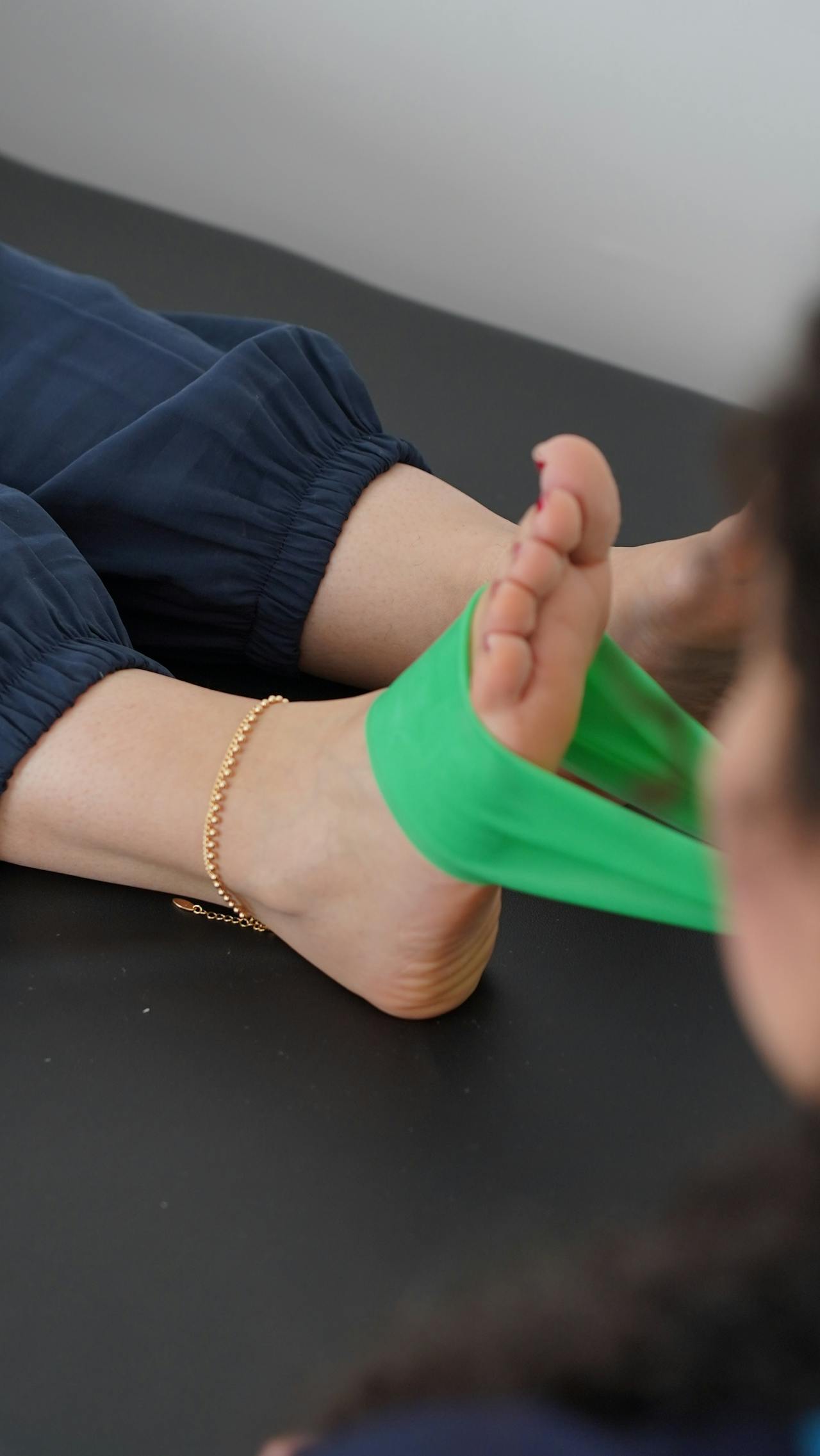
A good plantar fasciitis treatment plan does more than address symptoms. It incorporates lifestyle change, daily activity, and stress management into treatment. These quick exercises — toe curls, calf raises, and gentle stretches — build foot and calf strength, easing pressure on your plantar fascia. They are movements that prevent pain from coming back and promote recovery in the long run.
What you eat counts as well. Anti-inflammatory diets packed with leafy greens, nuts, berries, and fish can help quell pain and inflammation. Mindfulness, breathing exercises, and regular sleep all contribute to recovery, reducing stress that can exacerbate chronic pain. I know that for those hard days, these easy routine hacks can sometimes be the saving grace.
Proper Footwear
- Great shoes offer strong arch support, cushioned soles, and a spacious toe box.
- Firm heel counters help keep feet stable.
- Flexible forefoot allows natural motion.
- Breathable materials cut down heat and moisture.
For running or walking, tread within deep heel cups and shock-absorbing soles. If you’re on your feet all day, choose shoes with added padding and traction. Flat feet might require motion-control shoes, while high arches may fare better with additional cushioning. Ditch unsupportive shoes like flip-flops or beat-up sneakers because they increase pain risk. Check shoes fit frequently and make sure to replace them when wear signs manifest.
Lifestyle Adjustments
- Stand and walk frequently. Don’t just sit at a desk.
- Utilize footrests, reposition chairs, and alternate activities to reduce tension.
- Maintain a healthy weight to reduce stress on feet and joints.
- Get moving with swimming, biking, or yoga to develop consistent and powerful feet.
Little day-to-day switches guard feet — even if you’ve got an active or sedentary lifestyle. Even basic movements, such as stretching after prolonged inactivity, can alleviate the acute pain that frequently presents in the morning.
Potential Long-Term Risks
Custom orthotics for plantar fasciitis hold the promise of support that’s tailor-made to your specific needs. Long-term use comes with its own risks. Advanced users, particularly those in data-driven or technical fields, will want to factor in how orthotics impact muscle strength, comfort, and overall biomechanics. Exploring these risks keeps users aware and on their toes.
Dependency
Orthotics can potentially cause foot muscles to become weaker over time. Your body adapts fast. If your foot arch gets external support all the time, it does less work. This can weaken natural strength and suppleness, potentially increasing the long-term injury risk. Most podiatrists recommend that patients supplement orthotics with frequent foot and lower leg exercises, such as calf stretches and toe curls, to maintain muscle strength.
Any long-term orthotic users should request regular check-ins with their practitioner. These visits assist in determining if the orthotic is still necessary or if a different treatment plan is preferable. Others might experience feet becoming reliant and difficult to walk without them. Knowing that the body will adjust with a program of stretching and strengthening, dependence can usually be minimized.
Discomfort
Orthotics that don’t fit right can do more damage than good. If custom orthotics are not properly molded, wearers might feel blisters, pressure points, or fresh aches. This pain is not uncommon, as the orthotics buying procedure, often requiring more than 30 days and over $200 per pair, doesn’t promise a flawless fit. Sometimes, that extra heel height alters a shoe’s fit, leading to additional problems.
Honest communication is key. Any pain or discomfort must be reported to the provider immediately. You might need to make adjustments or find different inserts or even switch to a different brand. Over-the-counter insoles tend to disintegrate fast, but even custom orthotics need regular inspections to maintain comfort.
Masking Issues
Orthotics typically cover up, instead of addressing, underlying biomechanical issues. Without a good evaluation, the true source of the pain, a weak tendon or poor gait, may not get treated. If you want relief to last, you have to address all of the contributing factors, including your footwear, activity level, and muscle imbalances.
Studies demonstrate that custom orthotics and prefab inserts can perform similarly, which begs the question of their need in the majority of cases. A balanced approach, combining therapy, exercise, and orthotics, works best for most individuals.
My Professional Perspective
Custom orthotics, based on real patient experience, have provided significant relief to many with plantar fasciitis. These things are constructed from high-grade plastics or composites that simply don’t break down. In the majority of clinical trials, users experience a 50 percent or greater reduction in pain. Most notice an improvement within six to eight weeks of consistent usage. It isn’t a magic cure-all. Outcomes vary depending on foot morphology, pain intensity, and other measures the patient takes to aid recovery.
The process of crafting custom orthotics has evolved significantly over the last ten years. Contemporary labs employ three-dimensional foot scans and digital design to customize the fit with more precision. The old plaster molds have nearly disappeared. Newer materials, such as carbon fiber or flexible polymers, can be molded to each foot’s requirements. Every pair can assist with the foot’s pronation or the arch’s descent with every stride. Nonetheless, these modifications cause the process to cost more, ranging from $200 to $600 a pair. For most, that’s a hefty purchase, but these inserts can last anywhere from two to five years if cared for. In my experience, most individuals require a new set only after extensive wear or major shifts in body mass.
As no two plantar fasciitis cases are alike, a one-size approach does not work. The process to get custom orthotics is careful: a full foot check, a scan or mold, and then a fitting. Adaptations are in agreement, of course, as feet shift over time. Most patients need to wear the orthotics for a couple of hours initially and then increase the time over two weeks. When utilized correctly and combined with foot stretches, shoe recommendations, and, if necessary, pain shots, the outcomes improve. Hands-on is the secret. Folks who care about follow-up and attempt to figure out what works for them recover more quickly and remain recovered longer.
Conclusion
Custom orthotics can provide relief from heel pain for a lot of individuals suffering from plantar fasciitis. They support the foot, relieve pressure from painful areas, and assist in correcting your gait. They don’t solve the underlying issue for everyone. Others need additional treatment like stretches, strengthening exercises, or smarter footwear. Risks can accumulate if you rely only on the device, so check in with your care team periodically. For actual relief, combine proper support with smart habits. Stay ahead with new research and consult a specialist if pain persists or worsens. To stay ahead of foot pain, keep learning and contact the assistance that fits your needs.
Frequently Asked Questions
1. What Are Custom Orthotics?
Custom orthotics are tailor-made to meet your feet’s specific needs. They seek to alleviate pressure and correct foot alignment for individuals suffering from ailments such as plantar fasciitis.
2. Do Custom Orthotics Cure Plantar Fasciitis?
Custom orthotics don’t cure plantar fasciitis. They assist in symptom control by supporting and alleviating tension on the plantar fascia and encouraging comfort during activities of daily life.
3. Are Custom Orthotics Better Than Over-The-Counter Insoles?
Custom orthotics provide a custom fit and specific support as opposed to generic insoles. They tend to work better for the long haul, although you never know.
4. Can I Wear Custom Orthotics All Day?
Sure, most people can wear them all day. You want to slowly break them in and follow your doc’s orders for the best results.
5. What Are The Potential Risks Of Long-Term Use Of Custom Orthotics?
Long-term use of custom orthotics can lead to dependence on the device or alterations in natural foot mechanics. This should be monitored regularly by a healthcare professional to avoid negative consequences.
6. Are There Other Treatments For Plantar Fasciitis Besides Orthotics?
Yes, other treatments such as stretching exercises, physical therapy, proper footwear, rest, and even medical procedures are effective. Typically, a mix of approaches yields the most favorable outcome.
7. How Long Do Custom Orthotics Last?
Custom orthotics generally have a lifespan of 1 to 5 years, varying with materials used and extent of wear. Regular check-ups ensure they still function properly.
Move With Comfort And Confidence Using Orthotics For Seniors From The Shoe Doctor
Foot, knee, hip, or back pain can make everyday activities harder as we age. Walking, standing, or maintaining balance often becomes uncomfortable when your feet lack proper support. Small alignment issues can increase strain on joints, raise the risk of falls, and limit independence over time.
At The Shoe Doctor, we specialize in orthotics for seniors who want to stay active, stable, and comfortable. Using advanced 3D foot-mapping technology, we evaluate how your feet move, bear weight, and absorb impact during daily activities. This detailed insight allows us to create custom orthotics that improve balance, support alignment, and reduce pressure on sensitive areas.
With over 20 years of experience, Russell combines precise technology with hands-on craftsmanship to design orthotics that do more than feel good. They help improve posture, ease joint stress, and support safer, more confident movement. Through our partnership with the Spine and Injury Medical Center in San Jose, we also look at gait and posture to support whole-body balance and long-term mobility.
If you want to stay independent and comfortable in the South Bay Area, schedule your free consultation today. Let The Shoe Doctor help you move with stability, ease, and confidence every day.
Disclaimer
The materials available on this website are for informational and entertainment purposes only and are not intended to provide medical advice. You should contact your doctor for advice concerning any particular issue or problem. You should not act or refrain from acting based on any content included in this site without seeking medical or other professional advice. The information presented on this website may not reflect the most current medical developments. No action should be taken in reliance on the information contained on this website, and we disclaim all liability for actions taken or not taken based on any or all of the contents of this site to the fullest extent permitted by law.