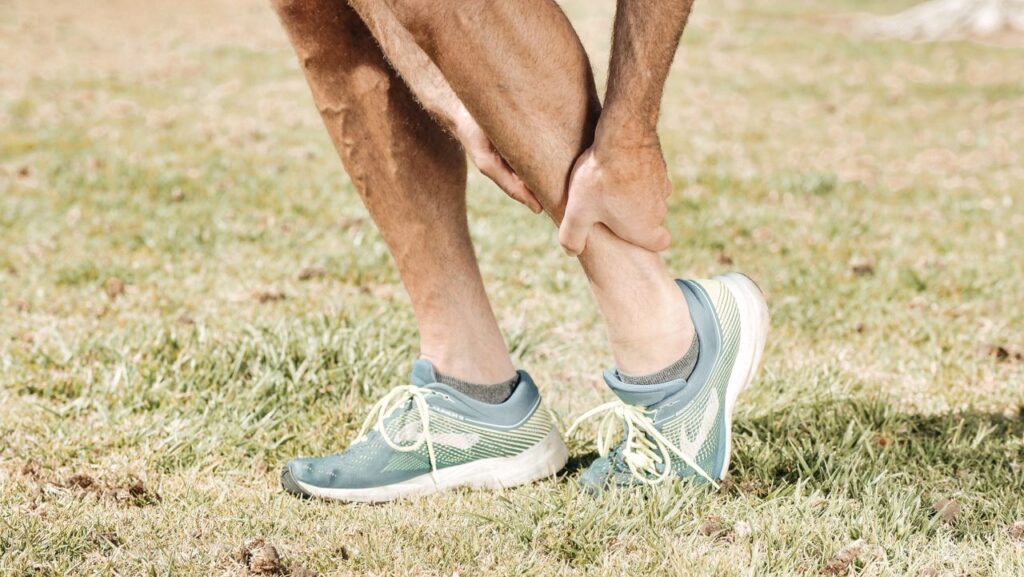
That first step out of bed can feel surprisingly severe when you have plantar fasciitis. You may go to sleep with a manageable ache, wake up believing your foot has rested, and then feel a sharp or stabbing pain under the heel as soon as it touches the floor. After several minutes of walking, the pain may ease. Unfortunately, it can return after sitting at a desk, driving, or spending a long period off your feet. It may also build again after a full day of standing, walking, or exercising.
This pattern can seem contradictory. If rest is supposed to help an injury, why does the foot hurt most after resting? The answer involves the plantar fascia, the calf and ankle, the way tissues respond to inactivity, and the sudden load placed on the foot when standing. Overnight, the foot usually relaxes into a pointed position. The plantar fascia and nearby calf structures are no longer being lengthened by normal walking. When you stand in the morning, those tissues must suddenly tolerate body weight and stretch as the arch flattens slightly. An already sensitive attachment near the heel can react with intense pain.
Orthotics may help by changing how pressure and force travel through the foot. A suitable insert can support the arch, cushion the heel, improve contact between the foot and shoe, and reduce strain during standing and walking. However, orthotics are not interchangeable, and they do not address every factor that contributes to plantar heel pain. Some people do well with an appropriate prefabricated insert. Others benefit from a custom device designed around their anatomy, footwear, activity, and examination findings. Still others need a different treatment because their pain is not actually caused by plantar fasciitis.
This article explains why plantar fasciitis often causes severe morning pain, how orthotics may help, when custom devices may be worth considering, and why inserts tend to work best alongside stretching, progressive strengthening, activity modification, and supportive footwear. It is educational and is not a substitute for an individual diagnosis or treatment plan.
Key Takeaways
- Plantar fasciitis commonly causes pain under the heel that is worst during the first steps after sleep or prolonged rest.
- Overnight inactivity, a relaxed or pointed ankle position, tissue sensitivity, and the sudden return of body weight all contribute to morning pain.
- Feeling better after a few minutes of walking does not necessarily mean the underlying problem has been resolved; movement can temporarily make the tissues feel less stiff.
- Orthotics may help redistribute pressure, support the arch, cushion the heel, and reduce repeated strain on the plantar fascia.
- Research suggests custom orthoses can provide short-term pain relief for some patients, but long-term benefits and effects on disability are less certain.
- Custom orthotics are not automatically better for everyone. A well-selected prefabricated insert may be a reasonable starting point in many cases.
- Orthotics generally work best as one part of a treatment program that may include plantar-fascia and calf stretching, strengthening, load management, appropriate shoes, and professional guidance.
- Heel pain can have other causes, including stress fracture, nerve irritation, Achilles tendon problems, arthritis, or heel-pad disorders. Severe, unusual, worsening, or persistent pain warrants evaluation.
Why Plantar Fasciitis Hurts So Much in the Morning
The Foot Is Relatively Inactive Overnight
While you sleep, your foot is not moving through the repeated ankle and toe motions that occur during walking. The plantar fascia, calf muscles, and Achilles tendon spend hours without the normal cycle of loading and lengthening. Many people sleep with the ankle slightly pointed downward because blankets, mattress position, and relaxed muscles allow the toes to drift away from the shin.
That position can leave the calf–Achilles–plantar system feeling shortened or stiff when you wake. It does not mean the fascia literally shrinks overnight. Rather, an irritated tissue and the structures connected to it may be less prepared for a sudden stretch and load after prolonged stillness.
The First Step Creates an Abrupt Change in Load
Lying in bed places very little body weight through the sole. Standing changes that instantly. The heel contacts the floor, the ankle moves, the arch responds to load, and the plantar fascia must help control the foot. If the tissue near the heel is sensitive, that rapid transition can trigger a sharp pain signal.
The intensity is partly about contrast. The foot goes from hours of minimal load to supporting much of the body’s weight in a moment. A tissue that tolerates gradual movement may react strongly to that abrupt demand. Similar pain can occur after sitting through a long meeting, a car trip, or a movie. Clinicians often call this “first-step pain” or “post-static dyskinesia”—pain following a period of inactivity.
Irritated Tissue Is More Sensitive to Stretch and Compression
The plantar fascia experiences both tension and compression near the heel. When the foot accepts weight, the arch changes shape and the fascia is tensioned. At the same time, the underside of the heel presses against the ground and shoe. If the area is sensitized, even a normal amount of deformation may feel painful.
Pain sensitivity is influenced by more than visible tissue damage. Sleep, stress, activity changes, overall health, and the nervous system’s protective response can alter how threatening a load feels. That does not make the pain imaginary. It explains why pain intensity does not always correspond neatly to what an X-ray or scan shows.
Why Walking May Temporarily Make It Feel Better
After several careful steps, the ankle and toes begin moving through a greater range. Muscles become active, temperature and circulation increase, and the tissues experience progressively repeated loading. Many people then notice that the stabbing sensation settles into a milder ache.
This improvement is useful, but it can be misleading. It does not necessarily mean the condition has healed within five minutes. The foot has simply become less stiff and more tolerant of the current activity. If you then spend hours standing, walk much farther than usual, or perform a demanding workout, cumulative load can cause the pain to build again.
Why Morning Pain Can Persist for Weeks or Months
Plantar fasciitis often develops through a mismatch between load and capacity. A person may suddenly increase walking or running, begin working on a hard surface, change footwear, gain body weight, or return to activity after time off. Tight or limited ankle movement may add demand. Foot shape, muscle strength, recovery, and other health conditions can also affect tolerance.
If the same provoking load continues each day, the fascia may not get the right balance of protection and progressive rehabilitation. Complete rest is not always the answer because prolonged inactivity can reduce capacity. The goal is usually to reduce excessive strain while gradually helping the foot tolerate normal loads again.
What Makes Plantar Fasciitis More Likely?
Rapid Changes in Activity
A sudden increase in distance, speed, hills, standing time, or workout frequency can exceed the tissue’s current capacity. The change does not need to involve athletics. Starting a retail job, traveling on foot, moving house, or taking up daily walks can be enough.
Footwear and Hard Surfaces
Shoes that are worn out, unsupportive, poorly fitted, or inappropriate for the activity may contribute to symptoms. Barefoot walking on hard floors can also be uncomfortable during a painful phase. This does not mean everyone needs rigid shoes forever; it means footwear should match the person’s current needs and the demands of the activity.
Calf Tightness and Limited Ankle Motion
If the ankle cannot move comfortably as the body travels over the foot, compensations may increase stress elsewhere. A tight calf or limited upward ankle movement may increase demand on the heel and plantar structures. Stretching can be useful when it targets an actual limitation and is performed at a tolerable intensity.
Body Weight and Occupational Demands
Higher body weight can increase the load each step places on the foot, while occupations involving long periods of standing or walking provide fewer opportunities for recovery. Weight is only one factor and should be discussed without blame. A practical treatment plan focuses on manageable changes and symptom relief rather than judgment.
Foot Mechanics
Both lower and higher arches can be associated with plantar fasciitis. A low arch may undergo more motion during loading, while a high or relatively rigid arch may distribute pressure less effectively. Neither foot type automatically causes pain. The issue is how the individual foot functions inside a particular shoe during real activities.
Can Orthotics Help Plantar Fasciitis?
The Short Answer
Yes, orthotics can help some people with plantar fasciitis, particularly by reducing pain during standing and walking. They are best viewed as tools that alter load, improve comfort, and create a better environment for recovery. They do not “heal” every case by themselves, permanently rebuild an arch, or guarantee that symptoms will not return.
A 2023 systematic review and meta-analysis of randomized controlled trials found moderate-certainty evidence that customized orthoses reduced short-term pain compared with control, while the long-term effects and effects on disability remained uncertain. That is encouraging but not a promise that every person needs or will respond to a custom device.
How Orthotics May Reduce Strain
An orthotic sits between the foot and shoe, changing the interface through which ground forces are transmitted. Depending on its shape and material, it may:
- support part of the arch;
- spread pressure across a larger area;
- cushion the heel;
- reduce excessive or poorly tolerated foot motion;
- improve stability inside the shoe;
- modify the timing or magnitude of forces during walking; and
- make daily activity comfortable enough to continue rehabilitation.
The goal is not always to hold the foot in a theoretically perfect position. Human feet naturally move. A useful orthotic provides an appropriate amount of support without creating new pressure points, restricting the foot unnecessarily, or making the shoe unstable.
Why Orthotics May Help Morning Pain Indirectly
Orthotics are usually worn during the day, not while sleeping. Therefore, they do not directly prevent the overnight position that contributes to first-step pain. Their benefit is indirect: by reducing aggravating load during the previous day and supporting the foot during the first steps, they may make the tissue less reactive over time.
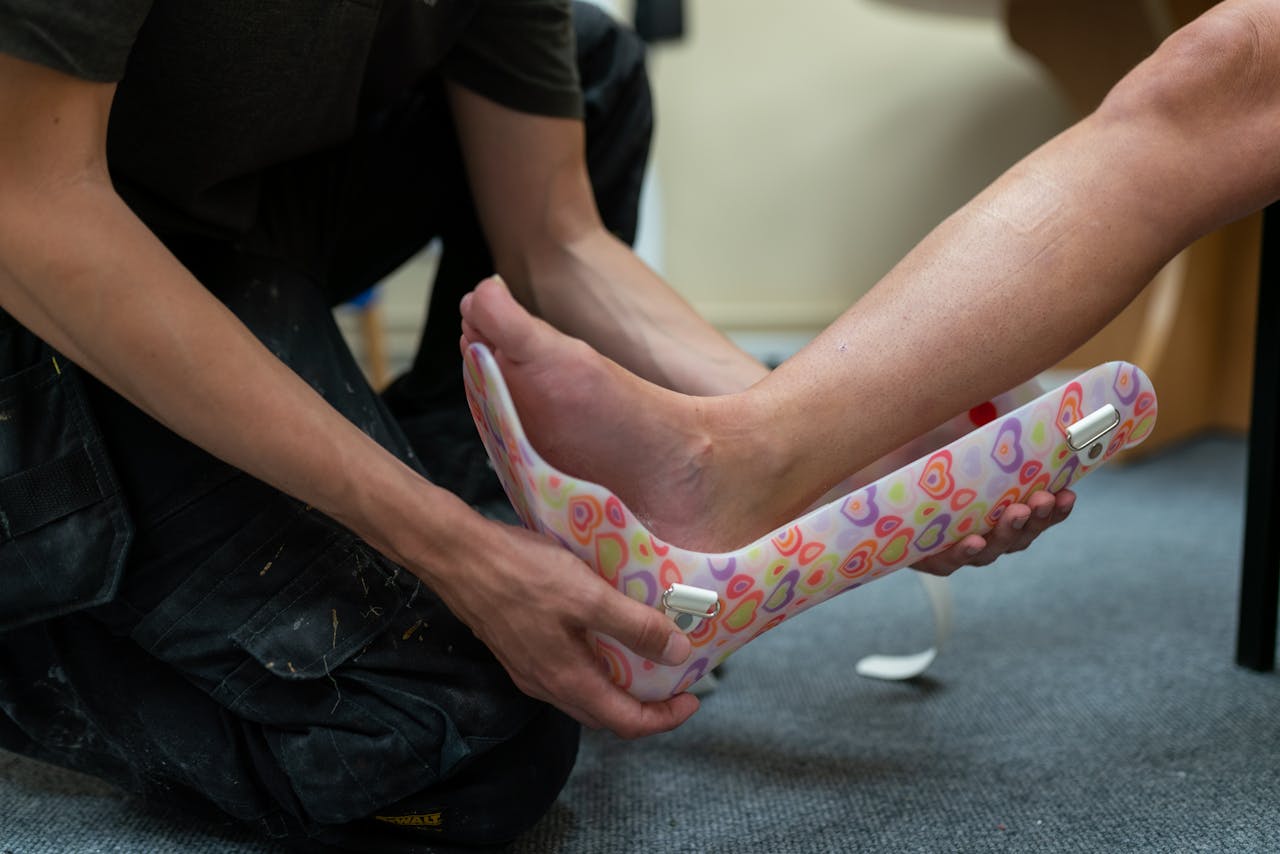
For morning-specific symptoms, a clinician may also recommend plantar-fascia stretching before standing, calf stretching, or a night splint in selected cases. A night splint holds the ankle and foot in a more lengthened position during sleep. It serves a different purpose from a daytime orthotic, and not everyone tolerates it comfortably.
Custom Orthotics Versus Over-the-Counter Inserts
What Prefabricated Inserts Offer
Over-the-counter, or prefabricated, inserts are produced in standard sizes and designs. They vary widely in arch contour, firmness, heel cushioning, and quality. A suitable prefabricated insert can be affordable, immediately available, and effective enough for many uncomplicated cases.
More expensive is not automatically better. The best insert is one that fits the shoe, feels comfortable, supports the foot appropriately, and helps the person perform necessary activities with less pain. Very soft gel may provide cushioning but little control. A very rigid arch may feel intolerable or shift pressure to another area. Selection matters more than marketing language.
What Makes a Custom Orthotic Different
A custom orthotic is prescribed after an assessment and manufactured from a model or digital representation of the foot. The design can be adjusted for foot structure, leg alignment, pressure patterns, body size, activity, shoe type, and associated conditions. Materials, posting, heel depth, arch height, and accommodations for tender areas can be individualized.
Custom devices may be particularly useful when a person has unusual anatomy, a major difference between feet, recurrent symptoms, significant biomechanical findings, difficulty fitting standard inserts, or another condition that complicates footwear and loading. They may also be considered when a reasonable trial of supportive shoes, exercises, and an appropriate prefabricated insert has not helped enough.
Are Custom Orthotics Always Better?
No. Research does not support the simple claim that custom devices are always superior to prefabricated inserts for every person with plantar fasciitis. Study results vary because orthotic designs, comparison treatments, follow-up periods, and patient populations differ. The 2023 review supports a short-term pain benefit from customized orthoses compared with control, but uncertainty remains about long-term outcomes.
Clinical value depends on fit, diagnosis, adherence, concurrent treatment, and the patient’s goals. Someone with recent mild symptoms may improve with a good shoe, a prefabricated insert, targeted exercises, and temporary activity changes. Someone with persistent symptoms and complex mechanics may justify the expense and precision of a custom device.
Cost and Practical Considerations
Custom orthotics cost more and may not be fully covered by insurance. They also require time for assessment, manufacture, fitting, and adjustment. Before purchasing, ask what the fee includes, whether follow-up modifications are covered, how long the device is expected to last, and which shoes can accommodate it.
Prefabricated inserts are easier to replace and may allow a person to test whether added support helps. However, repeatedly purchasing unsuitable inserts can also become expensive. A professional evaluation can prevent guesswork when symptoms are severe, atypical, or persistent.
What to Expect When You Start Wearing Orthotics
A Gradual Adjustment Period
An orthotic changes the way the foot contacts the shoe, so it may feel unfamiliar initially. Many clinicians recommend a gradual break-in period, beginning with limited wear and increasing as tolerated. The precise schedule should follow the prescriber’s instructions.
Mild awareness of pressure can occur, but an orthotic should not cause sharp pain, numbness, blisters, or progressive discomfort. Remove it and contact the clinician or supplier if it creates significant new symptoms. People with diabetes, neuropathy, poor circulation, fragile skin, or a history of ulcers require particular caution and professional monitoring.
The Shoe Is Part of the System
Even a well-designed orthotic may fail in a shoe that is too narrow, too shallow, badly worn, or unstable. Removable factory liners often create needed space. The heel should remain secure, the toes should not be compressed, and the insert should lie flat without rocking or curling.
Bring the shoes you use for work, exercise, and daily life to an orthotic appointment. One device may not fit every style. Dress shoes, work boots, athletic shoes, and casual footwear have different internal volumes and movement demands.
Monitor Function, Not Only Pain at Rest
Track practical outcomes: Are the first ten steps easier? Can you stand through a work period with fewer symptoms? Is your walking less guarded? Can you gradually resume exercise? A simple daily rating of morning pain, end-of-day pain, and activity can reveal trends more clearly than memory alone.
Improvement is rarely perfectly linear. A busy day may cause a temporary flare without erasing overall progress. The important pattern is whether pain and function improve across several weeks and whether recovery after activity becomes easier.
A Practical Morning Routine for Plantar Fasciitis
Before You Stand Up
Keep a supportive shoe or slipper near the bed. Before placing the foot on the floor, move the ankle gently up and down several times. Then perform a gentle plantar-fascia stretch by drawing the toes toward the shin. If prescribed, follow the specific stretch and repetition plan provided by your clinician.
During the First Few Steps
Avoid rushing. Put on supportive footwear and take shorter, controlled steps. Use a stable surface for balance if needed. An orthotic should already be seated correctly in the shoe; do not step on a folded or displaced insert.
After You Begin Moving
Notice whether symptoms ease, remain severe, or change in character. Sharp first-step pain that gradually settles can fit a common plantar-fasciitis pattern, but it is not diagnostic by itself. Record unusual swelling, redness, numbness, bruising, or inability to bear weight.
Throughout the Day
Repeat gentle preparation after long periods of sitting. Alternate demanding and lighter tasks. Wear supportive footwear consistently enough to judge whether it helps. Do not assume that a less painful morning means it is safe to double your walking or workout load immediately.
Common Orthotic Mistakes to Avoid
Buying by Arch Type Alone
Labels such as “flat-foot support” or “high-arch support” are oversimplifications. Two people with similar-looking arches may respond differently because of joint mobility, pressure sensitivity, strength, footwear, and activity. Comfort and function matter.
Choosing the Softest Insert Available
Cushioning can help, but a very soft insert may compress quickly or fail to provide enough support. Conversely, rigid support can aggravate a sensitive arch. The appropriate balance depends on the individual.
Wearing Orthotics in Worn-Out Shoes
An insert cannot fully compensate for a shoe with a collapsed midsole, unstable heel counter, or severely worn outsole. Evaluate the entire footwear system.
Expecting Immediate Cure
An orthotic can sometimes improve comfort quickly, but tissue recovery and restored activity tolerance take time. Continue the prescribed exercise and load-management plan. If there is no meaningful progress, reassessment is more useful than endlessly adding inserts.
Ignoring New Pain
Knee, hip, back, arch, or outer-foot pain that begins after using an orthotic may signal poor fit or an adjustment problem. New numbness, skin injury, or focal pressure requires prompt attention. Custom devices can often be modified rather than abandoned.
When Heel Pain May Not Be Plantar Fasciitis
Morning heel pain is strongly associated with plantar fasciitis, but it is not exclusive to it. A stress fracture may cause increasingly persistent pain and tenderness after a rise in impact activity. Nerve irritation can produce burning, tingling, numbness, or electric sensations. Achilles-related pain is usually felt at the back of the heel rather than directly underneath it. Arthritis, heel-pad problems, inflammatory disease, infection, and other conditions can also cause symptoms.
Seek urgent medical care after significant trauma, if you cannot bear weight, or if the foot is visibly deformed. Prompt assessment is also important for marked swelling, redness, warmth, fever, an open wound, rapidly worsening pain, or signs of impaired circulation.
Arrange a non-emergency evaluation if pain is severe, repeatedly returns, limits normal activities, or is not improving with reasonable self-care. Tingling or loss of sensation also warrants assessment. People with diabetes should seek professional advice for new foot pain because neuropathy, circulation problems, and skin injury can change both risk and treatment decisions.
How a Clinician Evaluates Plantar Heel Pain
History and Symptom Pattern
The clinician will ask where the pain occurs, when it began, which activities worsen it, and whether it is strongest during first steps. Recent changes in exercise, work, footwear, health, medication, and injury help shape the diagnosis.
Physical Examination
The examination may assess tenderness, ankle movement, foot structure, strength, walking pattern, sensation, circulation, and how symptoms respond to specific movements. The clinician may compare both feet and examine the ankle, calf, and lower limb.
Imaging When Needed
Plantar fasciitis is often diagnosed clinically, so imaging is not always required. X-rays or other tests may be used when the presentation is unusual, symptoms persist, trauma occurred, or another diagnosis must be excluded. A heel spur on an X-ray does not automatically prove that the spur is causing pain; heel spurs can be present without symptoms.
Choosing an Orthotic Based on the Findings
If an orthotic is appropriate, the clinician considers the location of pain, arch behavior, shoe type, occupational demands, sport, skin condition, and other diagnoses. A temporary pad, taping trial, or prefabricated insert may help predict whether mechanical support is useful before a custom device is ordered.
How Long Does Improvement Usually Take?
Recovery varies. Recent, mild symptoms may improve within weeks when the provoking load is adjusted early. Long-standing pain may take several months. Duration is affected by symptom severity, occupational demands, overall health, adherence, diagnosis, and how gradually activity is rebuilt.
Orthotics should be judged over an appropriate trial rather than a single morning, unless they cause harmful pressure or severe new pain. Some people notice early comfort; others improve gradually as the device, exercises, footwear, and activity plan work together.
Persistence should not mean repeating an ineffective plan indefinitely. If pain is not trending in the right direction, the diagnosis, fit of the orthotic, exercise dose, shoe choice, and daily load should be reviewed.
Conclusion
Plantar fasciitis often hurts most in the morning because the foot moves abruptly from hours of relative inactivity to full weight-bearing. The plantar fascia and connected calf–Achilles system may feel stiff after rest, and a sensitive attachment near the heel must suddenly stretch and help support the arch. The result can be intense first-step pain that gradually eases as the tissues warm and movement becomes more comfortable.
Orthotics can help by supporting the arch, cushioning the heel, improving pressure distribution, and reducing poorly tolerated strain during standing and walking. Evidence supports a potential short-term pain benefit from customized orthoses, but the response varies and long-term outcomes are less certain. A custom device is not automatically necessary or superior for every patient; an appropriate prefabricated insert may be enough for some people.
The strongest approach is usually comprehensive. Combine suitable footwear or orthotics with gentle plantar-fascia and calf stretching, progressive strengthening, sensible activity modification, and a gradual return to normal demands. If symptoms are severe, unusual, persistent, or associated with numbness, swelling, injury, diabetes, or inability to bear weight, seek professional evaluation. The correct diagnosis matters more than the insert, and the best orthotic is the one selected for the right problem, fitted to the right shoe, and used as part of a thoughtful recovery plan.
Frequently Asked Questions
Why is plantar fasciitis pain worse with the first step in the morning?
During sleep, the foot remains relatively still and often rests in a slightly pointed position. The plantar fascia, calf, and Achilles tendon are not moving through their usual walking range. When you stand, the arch and fascia suddenly accept body weight and stretch, provoking a sensitive area near the heel. Gentle movement often reduces the stiffness, which is why pain may ease after several steps.
Can orthotics completely cure plantar fasciitis?
Orthotics may reduce symptoms and mechanical strain, but they are not a guaranteed stand-alone cure. They work best alongside appropriate footwear, stretching, strengthening, activity management, and treatment of contributing factors. Symptoms can also return if activity rises faster than the foot’s capacity or if the diagnosis is incorrect.
Are custom orthotics better than store-bought inserts?
Not for everyone. Prefabricated inserts may provide adequate support and relief in many straightforward cases. Custom orthotics offer more design flexibility and may be worthwhile for unusual anatomy, complex mechanics, recurrent symptoms, significant differences between feet, or failure of simpler options. Fit, comfort, diagnosis, and the wider treatment plan are more important than the label alone.
How quickly should orthotics reduce morning heel pain?
Some people feel more comfortable within days, while others improve over several weeks. The device may require a gradual break-in period. Monitor morning pain, end-of-day pain, walking tolerance, and function. If symptoms worsen, new pain develops, or there is no meaningful progress after an appropriate trial, ask the prescribing clinician to reassess the fit and diagnosis.
Should I wear orthotics all day?
Follow the instructions provided with the device. Many people begin with shorter periods and increase wear gradually. Once adjusted, orthotics are commonly used during the activities that place the most load on the foot. Wearing them in poorly fitting shoes or continuing despite sharp pain, numbness, or skin irritation is not advisable.
Can I walk barefoot if I have plantar fasciitis?
Barefoot walking on hard surfaces can increase symptoms for some people, especially during a painful phase. Supportive indoor footwear may make first steps and daily movement more comfortable. As symptoms improve, whether barefoot activity can be reintroduced depends on individual tolerance and clinical guidance.
Do heel cups work the same way as orthotics?
Not exactly. Heel cups primarily cushion and contain the heel’s fat pad, while full-length or three-quarter orthotics can also support the arch and alter pressure across more of the foot. A heel cup may help certain people, but it may be insufficient when arch support or broader load redistribution is needed.
Can a night splint help morning plantar-fasciitis pain?
A night splint maintains the ankle and plantar fascia in a more lengthened position during sleep and may reduce morning pain for some people. It differs from a daytime orthotic. Comfort and adherence can be challenging, so a clinician can help determine whether it is appropriate and how it should fit.
What should I do before getting out of bed?
Gently move the ankle, then perform a tolerable plantar-fascia stretch by bringing the toes toward the shin. Put on supportive footwear before walking if possible. Avoid aggressive stretching or forcing through sharp pain. Ask a clinician for individualized instructions if you are unsure or have another foot or medical condition.
Is a heel spur causing the morning pain?
Not necessarily. Heel spurs may appear on X-rays in people with or without symptoms, and they are rarely the sole explanation for plantar heel pain. Treatment should focus on the clinical diagnosis and the factors contributing to tissue sensitivity, not merely the presence of a spur.