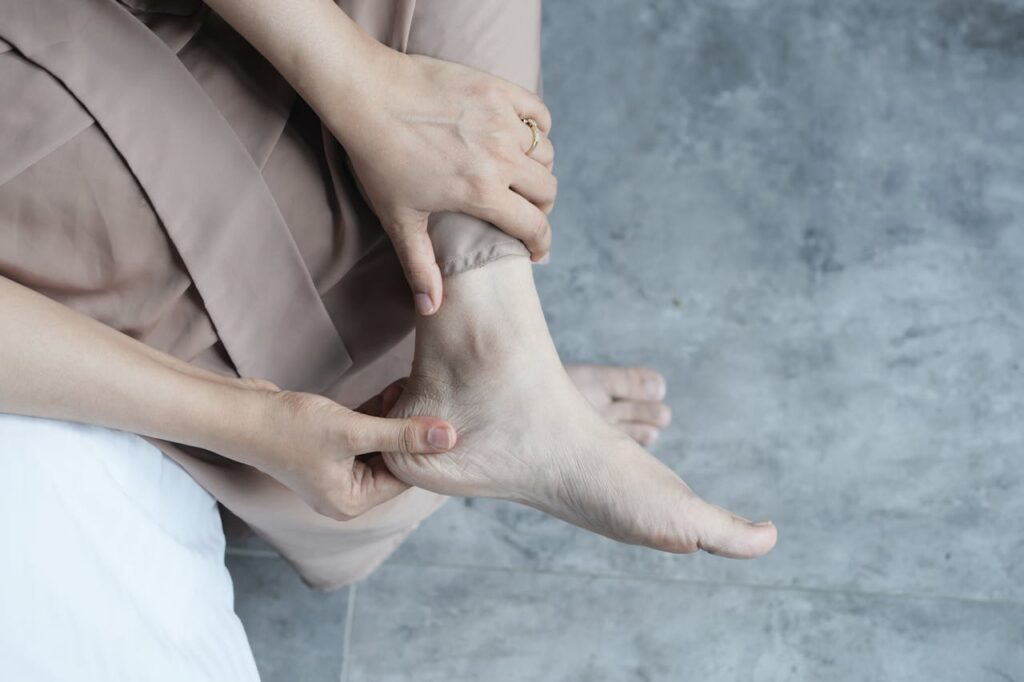
Plantar fasciitis begins when the tissue at the bottom of your foot, the plantar fascia, becomes strained or inflamed. Typical culprits are standing on your feet for hours, running, flat feet, or wearing unsupportive shoes. Overweight people or those who switch up their workout quickly can experience this pain. Many times, the pain returns because the tissue is not given adequate time to heal, or the same stress is repeated day after day. Sometimes, small tears build up in the tissue. Not correcting foot posture, not stretching, or wearing old shoes can make it stick around. To know why it keeps coming back, it helps to know how pavements and plantar care factors.
Key Takeaways
- Plantar fasciitis is caused by inflammation of the plantar fascia. The causes go far beyond overuse: biomechanical issues, your foot structure, daily habits, and even your shoes.
- It recurs when you neglect to address underlying biomechanical issues, insufficient healing, or compensatory movement patterns.
- Early and accurate diagnosis using patient history, physical examination, and occasionally imaging is essential to customize effective treatment plans and exclude other conditions.
- Treatment needs to be tailored and may involve self-care, physical therapy, orthotics, advanced therapies, and, in rare cases, surgery, all depending on the severity and cause.
- To prevent recurrence, you need new habits: regular stretching and strengthening, lifestyle audits, and continuous attention to your shoes to minimize stress and support the arches for the long haul.
- Readers can further reduce risk by opting for supportive shoes, maintaining a healthy weight, incorporating low-impact activities, and consulting experts when lingering pains arise.
What Is Plantar Fasciitis?
It is the most common cause of heel pain globally, affecting approximately two million individuals annually. It’s caused by sharp inflammation of the plantar fascia, a dense, connective-band-like structure that provides significant support for your foot’s arch. This inflammation is most commonly associated with micro-tearing of the fascia and not necessarily one specific injury or chance. We like to blame overuse for plantar fasciitis, but it can be a perfect storm of biomechanics, repetitive stress, and even basic activities. The pain is typically most severe with the first steps taken in the morning or following inactivity, but can re-emerge after standing or walking for long periods.
The Anatomy
The plantar fascia extends from the heel bone (calcaneus) to the toe bases. This tissue serves as both a shock absorber and an arch support, keeping the foot’s arch intact while moving and standing. Its elasticity enables it to stretch and contract with each step, distributing pressure throughout the foot.
The calcaneus is where the fascia is anchored. Each time the foot hits the ground, the heel bone and the plantar fascia collaborate to support the body’s weight. This intimate relationship is crucial for walking, running, or even just standing for extended durations.
Muscles and tendons, including the Achilles tendon, attach to the plantar fascia and affect its behavior. Any imbalance or tightness in these tissues can increase stress on the fascia, rendering it more susceptible to micro-tearing.
Understanding this anatomy is useful for targeting stretches, strengthening, and support in treatments. This detailed understanding is key to prevention and management.
The Sensation
A stabbing pain near the heel is the calling card of plantar fasciitis. Stiffness occurs particularly upon arising from rest or sleep. Pain can radiate along the bottom of the foot and may increase with activity.
Some experience the pain as being worse in the morning, while others experience it at the end of a long day. Such acute pain can make walking nearly impossible, whereas chronic symptoms typically subside but persist and impact mobility and comfort.
Acute pain is sharp and immediate and tends to immobilize quickly. Chronic pain is present, creating compensations in your gait or activity levels and making even mundane tasks harder. Symptoms vary, so treatment must be personalized.
The Misconceptions
Lots of people think plantar fasciitis impacts runners or athletes, but it is observed in people with all activity levels and foot shapes. It does not have to be an injury,y either, as basic habits or activity changes can trigger it.
Surgery isn’t the only answer. In fact, over 90% of instances get better with nonsurgical care such as relaxation, physical therapy, and orthotics.
It is manageable with diligent care and lifestyle adjustments such as stretching and proper footwear. Most people get better without surgery.
What Causes Plantar Fasciitis?
Plantar fasciitis begins with injury to the plantar fascia, a robust tissue that extends along the sole of your foot. Tension, stress, and micro-tears in this tissue accumulate. Several factors predispose these injuries. Awareness of them helps you reduce your risk and identify issues earlier.
Your Foot’s Structure
Flat feet and high arches both alter the mechanism of your foot during ambulation. Flat feet may cause the arch to collapse, putting too much stress on the fascia. High arches do the reverse, rendering the foot too inflexible and less capable of absorbing shock. Both ends of the spectrum alter weight distribution across your foot, which frequently results in pain. When your calf muscles are tight, they limit ankle mobility, which in turn pulls at the fascia harder. Shoes that don’t provide arch support allow your arch to collapse or roll, worsening the situation.
Your Daily Habits
Standing or walking on hard floors for long hours, as many workers do, loads the plantar fascia with stress. This is common in teaching, healthcare, or factory jobs. High-impact sports or abrupt bursts of activity, such as taking up running or dancing, stress the fascia and induce micro-tears. Rest, frequently switching positions, and incorporating low-impact activities such as swimming or biking, alleviate pressure on your feet.
Your Body’s Condition
Obesity puts extra pressure on your feet each time they strike the ground. Health conditions like diabetes and arthritis can weaken foot structures, increasing the risk. Muscle imbalances and weak foot or leg muscles make it more difficult for your body to hold up your arches. Older adults, particularly between 40 and 60, experience plantar fasciitis more, thanks in part to wear and less tissue elasticity.
Your Gear Choices
Supportive shoes go a long way. Good arch support and cushioning in your shoes help keep your foot in line and absorb impact. Worn-out, thin-soled, or flimsy shoes, like flip-flops, allow your foot to collapse and welcome pain. Custom orthotics or inserts can aid by bracing your arch and alleviating strain. Select activity-specific shoes to maintain the health of your feet.
Your Hidden Triggers
A quick spike in activity, a new fitness routine, or even an altered gait can trigger plantar fasciitis. Walking on uneven ground or having a bad posture exposes your feet to risk. Even if you catch the big issues, lots of us don’t notice small habits, like standing with uneven weight, that quietly build up to the problem. Paying attention to your movement and catching these little triggers early counts.
Why Does It Keep Returning?
Plantar fasciitis keeps returning because the underlying causes aren’t addressed. Nearly all treatments address pain. They experience return bouts of pain because issues such as bad foot mechanics, inadequate recovery, or inappropriate footwear aren’t resolved. The relationship between these causes is illustrated in the table below.
Reason | Pattern/Trend | Example |
Inadequate Recovery | Early return leads to re-injury | Running before full healing |
Poor Foot Mechanics | Biomechanics causes repeated strain | Flat feet, overpronation |
Insufficient Muscle Strength | Weak muscles can’t support an arch | Not stretching calf/foot |
Incomplete Treatment | Only symptoms treated | Pain gone, but the cause remains |
Inadequate Footwear | Lack of support | Old, worn-out shoes |
Underlying Conditions | Higher risk with diabetes/obesity | Chronic inflammation persists |
The Healing Paradox
Symptom relief can be like a green light to return to your sport, work, or normal routine, but the tissue could still be healing. A lot of people take rest or rehab exercises as soon as the pain drops, and that’s a recipe for re-injury. Even if pain subsides, inflammation inside the plantar fascia can persist, and this hidden swelling can ignite with excessive activity too early. A slow return to normal activity, step by step, is crucial. Following through with the entire course of treatment, even after you’re feeling better, helps you avoid recurrence. Patience is paramount in facilitating the appropriate healing and enduring results.
The Compensation Trap
When one part of the foot is in pain, the body compensates by shifting weight or altering gait. These alterations, such as limping or rolling the foot outward, can stress other joints and muscles, such as the knees or hips, causing fresh injuries. If these movement patterns aren’t corrected, the strain on the plantar fascia remains,s and the pain can radiate. Physical therapy can identify and address these habits. Awareness and correction of body mechanics are crucial to a complete recovery.
The Root Cause Neglect
If you ignore fundamental issues such as flat feet, overpronation, or weak muscles, the pain will continue to return. Just treating the pain, not the mechanics or risk factors, leaves the root problem lurking. Comprehensive screenings by medical professionals, such as gait analysis and strength testing, can identify these underlying sources. Custom orthotics, stretching, and strengthening can reduce the chances of an episode occurring again. Managing risk factors rewards long-term recovery.
How Is It Diagnosed?
Plantar fasciitis diagnosis is based on a combination of patient history, physical examination, and occasionally imaging. They begin by hearing the patient’s pain narrative, in particular, if it is sharp and worst on the first steps in the morning or when coming out of inactivity. The doctor inquires about daily life, like long days standing, running, or foot anatomy, as these are typical triggers. The majority of cases occur between the ages of 40 and 60, and this can help direct the doctor’s thinking. Although imaging, X-rays, or MRIs can be done, they are not routine unless other conditions are suspected.
The Physical Exam
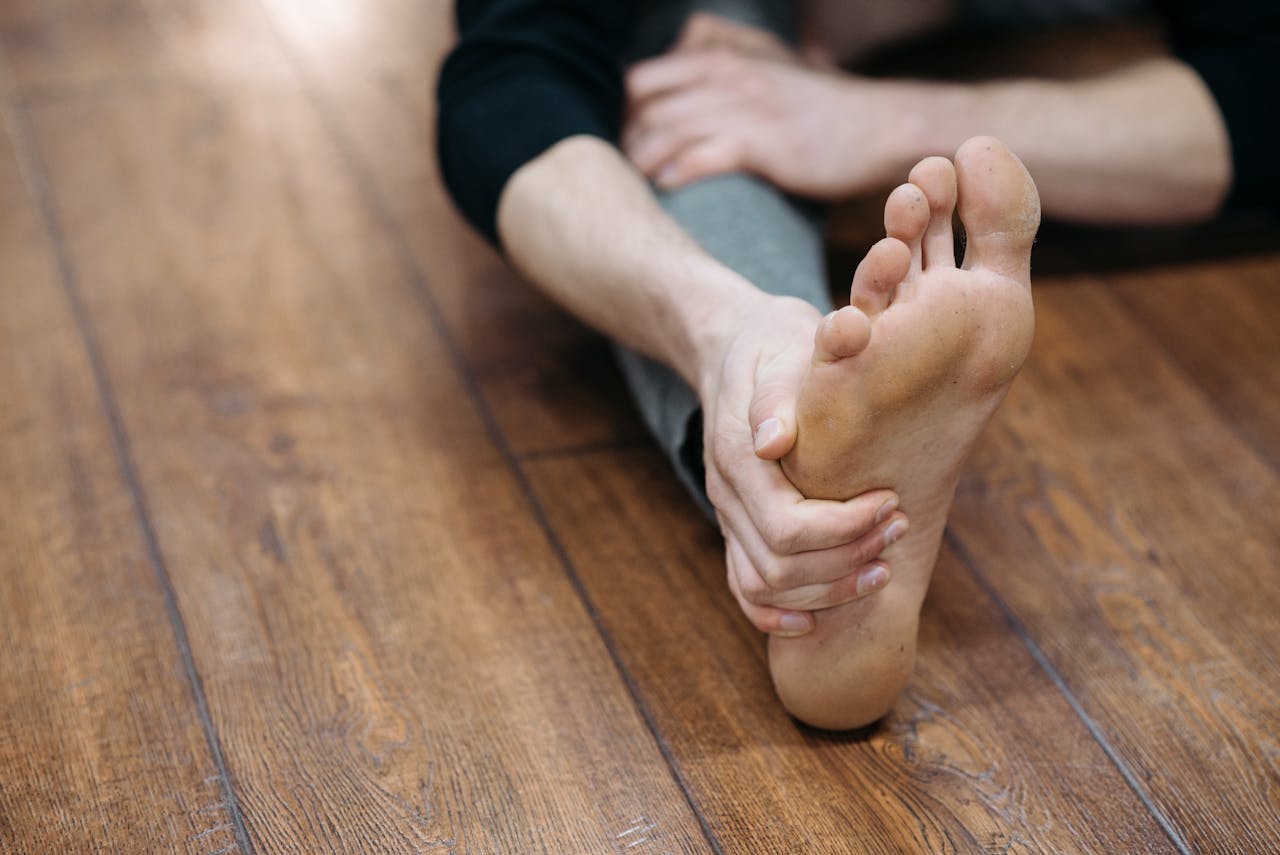
A typical plantar fasciitis physical exam, for example, starts with a careful inspection of the foot, looking for signs of swelling or redness. The doctor palpates along the bottom of the heel and arch for tenderness, paying special attention to the precise location where the pain is most severe. This aids in localizing the inflamed region of the plantar fascia. A crucial piece of the exam is listening to the patient’s description of their pain and seeing if it changes with motion, and watching the patient walk, called gait analysis.
Some physicians will flex the ankle and toes to get a sense of flexibility. They examine the Achilles tendon and calf muscles, as tightness there frequently adds additional stress to the plantar fascia. Range of motion in the foot and ankle should be tested to detect any stiffness. Each component of this physical exam helps exclude other issues, such as nerve problems or stress fractures.
How is it diagnosed? These findings inform more specific interventions like stretching tight calves or orthotics for flat feet.
The Imaging Question
Imaging is not always necessary for a plantar fasciitis diagnosis. The majority of cases are obvious from history and physical findings. When pain is searing, lasting for months, or outright refusing to subside, physicians may factor in X-rays to screen for heel spurs or eliminate fractures. If the etiology remains unclear or if symptoms indicate more serious damage, MRIs can reveal soft tissue inflammation or tears in the fascia.
These imaging results are viewed in conjunction with the clinical findings. This blend will ensure physicians don’t overlook other issues,s such as arthritis or nerve entrapment, and still diagnose plantar fasciitis.
What Are The Treatment Options?
Because plantar fasciitis can be stubborn, treatment may need to be a combination of strategies. It depends on your symptom severity, personal medical history, and underlying biomechanical issues. A customized strategy is essential to control and prevent relapse.
Treatment Option | Type | Purpose | Potential Effectiveness |
Rest, Ice, Stretching | Nonsurgical | Reduce pain, inflammation | High for mild-moderate cases |
Physical Therapy | Nonsurgical | Strengthen, stretch fascia/muscles | Consistently effective |
Orthotics, Night Splints | Nonsurgical | Support, alignment, stretch fascia | Effective for chronic symptoms |
Injections (corticosteroid/PRP) | Nonsurgical | Reduce inflammation, pain | Variable, short-term relief |
Shockwave Therapy | Nonsurgical | Stimulate healing, reduce pain | Good results in chronic cases |
Surgery (fascia release) | Surgical | Release tension, remove scar tissue | Reserved for refractory cases |
Foundational Care
- Rest and limit activities that worsen heel pain.
- Apply ice packs on the heel for 10 to 15 minutes, twice a day.
- Stretch the foot, calf, and Achilles tendon regularly.
- Wear supportive shoes with proper cushioning.
- Use orthotics or insoles for better foot alignment.
- Maintain a healthy body weight to minimize load on the fascia.
Good shoes and orthotics are important. Wearing shoes with good arch support and shock absorption aids in distributing pressure and reducing stress to the plantar fascia. Custom insoles can help correct abnormal gait and improve long-term outcomes.
Regular stretching and strengthening of the plantar fascia and surrounding muscles promotes healing and reduces the risk of pain return. These are combined with daily stretches along with night splints that keep the foot at a 90-degree angle to further promote tissue elasticity.
Weight really does matter. Less weight means less stress on the feet, which helps to break the vicious cycle of inflammation that keeps plantar fasciitis returning.
Advanced Therapies
- Extracorporeal shockwave therapy sends sound waves into tissue to speed up healing and reduce pain.
- Platelet-rich plasma (PRP) injections use the patient’s own blood to promote tissue repair.
- Corticosteroid injections: lower inflammation but offer short-term benefit.
- Physical therapy with ultrasound or deep tissue massage targets tight fascia and improves blood flow.
Physical therapy consists of manual techniques and therapeutic modalities. Ultrasound therapy and deep tissue massage can aid in breaking down scar tissue, relieve tension, and increase healing time.
Shockwave therapy is making headway. It’s noninvasive and effective, even in stubborn cases, alleviating pain by jumpstarting nature’s ability to heal.
New additions like radiofrequency nerve ablation can block pain signals and enhance the quality of life for chronic plantar fasciitis.
Surgical Recourse
Surgery is rarely necessary, as only approximately 5% necessitate it. Most people get better with alternative options. If surgery is required, partial plantar fascia release is the typical operation. It seeks to slice away a tiny portion of the fascia to release tension and eliminate scar tissue.
Surgery is reserved for only after 6 to 12 months of failed conservative care. Recovery is a process, and there is a risk of complications such as infection or nerve damage.
It’s important to go over all the pros and cons with an orthopedist. A detailed strategy tailored to the individual patient’s specific context optimizes the probability of success.
How To Prevent Recurrence?
Once you’ve beaten plantar fasciitis, keeping it from coming back requires a combination of specific routines, lifestyle tweaks, and continual self-monitoring. It’s far more important to dig into the underlying causes—tight muscles, bad shoes, overuse—than just masking symptoms. Early care, daily stretches, and the proper supporting gear are crucial for keeping nagging pain at bay. Below are practical strategies to reduce recurrence risk:
- PREVENTING RECURRENCE: Incorporate stretching and strengthening into everyday life to create resilience in your feet and lower legs.
- Evaluate shoes and custom orthotics on a regular basis, modifying both as activity level or foot structure changes.
- Pay attention to your body’s warning signs. Pain or tightness is your body’s way of telling you to rest, stretch, or get professional guidance.
- Make a clinic visit at the initial sign of pain for immediate treatment and to prevent chronic problems.
- For some continuous gentle stretching, use night splints if you stand or walk a lot during the day.
- Wear good shoes with good arch support and don’t overdo it.
- Conduct routine lifestyle audits such as weight, nutrition, and habits that may lead to reinjury.
Strategic Stretching
Targeted stretching routines that hone in on the calf muscles and plantar fascia help increase flexibility and reduce stress. Stretching pre- and post-activity, not just post-injury, is key. For instance, calf wall or towel stretches for the plantar fascia are simple to perform at home or at work. Night splints maintain the plantar fascia in a stretched position during sleep, which is particularly beneficial for individuals experiencing extended periods of standing.
Foam rollers or massage balls used with dedication can break up tissue adhesions and accelerate recovery. Making stretching a habit, not a reaction to pain, yields the best results.
Smart Strengthening
Foot strengthening exercises, like toe curls or marble pickups, cultivate intrinsic foot muscle support. Balancing this with flexible work keeps the plantar fascia from becoming overloaded. Low-impact activities, like cycling or swimming, keep you in shape without damaging your feet. Ramp up exercise intensity gradually. Sharp leaps in load or length typically ignite relapses.
Lifestyle Audits
A lifestyle audit means looking at work and daily patterns for risk factors: standing too long, repetitive movements, or shoes that don’t fit right. By simply checking your weight and making appropriate changes to your diet, you can reduce the burden on your feet. Professional assistance, such as a podiatrist’s evaluation, can uncover underlying problems and inform orthotic decisions.
Conclusion
Plantar fasciitis begins with micro-tears in the fascia on the bottom of your foot. Overdoing running, long walks on hard ground, or shoes with little support can trigger it. Skipping warm-ups, sudden changes in routine, or standing for hours can aggravate things. Although rest or new shoes may temporarily help, pain can sneak back if you return to old habits or overlook early symptoms. MDs employ a combination of exam and imaging to identify the issue. Stretching, ice, rest, and better shoes help a lot of people. To keep pain at bay, maintain smart habits and heed the warning signs. For more pointers or real-world stories, browse the rest of the blog or post your questions below.
Frequently Asked Questions
1. What Are The Main Causes Of Plantar Fasciitis?
Plantar fasciitis is a pain in your heel caused by inflammation of the plantar fascia, which occurs due to overuse, unsupportive shoes, tight calves, or rapid increases in activity. Obesity and standing for long periods can play a role.
2. Can Plantar Fasciitis Heal On Its Own?
Indeed, mild cases can respond to rest, stretching, and good shoes. Persistent pain deserves a visit to the doctor.
3. Why Does Plantar Fasciitis Keep Coming Back?
It keeps coming back if you don’t fix the things that cause it, like bad shoes or tight muscles. Skipping stretching or going back too fast to high-impact activities can cause recurrence.
4. Is Plantar Fasciitis Linked To Age?
Sure, plantar fasciitis is more common in 40 to 60-year-olds, but it can strike at any age, particularly if you are highly active.
5. What Activities Should I Avoid With Plantar Fasciitis?
Steer clear of exercises that excessively stress your feet, like running on hard surfaces, jumping, or standing for long durations, until your symptoms subside.
6. Are Certain Shoes Better For Plantar Fasciitis?
Indeed, shoes with good arch support, ample cushioning, and a stable sole alleviate stress on your feet and may prevent or reduce plantar fasciitis.
7. When Should I Seek Medical Help For Plantar Fasciitis?
If your pain persists for more than a few weeks, is getting worse, or is impacting your daily life, see a healthcare provider for a diagnosis and treatment.
Move With Comfort And Confidence Using Orthotics For Seniors From The Shoe Doctor
Foot, knee, hip, or back pain can make everyday activities harder as we age. Walking, standing, or maintaining balance often becomes uncomfortable when your feet lack proper support. Small alignment issues can increase strain on joints, raise the risk of falls, and limit independence over time.
At The Shoe Doctor, we specialize in orthotics for seniors who want to stay active, stable, and comfortable. Using advanced 3D foot-mapping technology, we evaluate how your feet move, bear weight, and absorb impact during daily activities. This detailed insight allows us to create custom orthotics that improve balance, support alignment, and reduce pressure on sensitive areas.
With over 20 years of experience, Russell combines precise technology with hands-on craftsmanship to design orthotics that do more than feel good. They help improve posture, ease joint stress, and support safer, more confident movement. Through our partnership with the Spine and Injury Medical Center in San Jose, we also look at gait and posture to support whole-body balance and long-term mobility.
If you want to stay independent and comfortable in the South Bay Area, schedule your free consultation today. Let The Shoe Doctor help you move with stability, ease, and confidence every day.
Disclaimer
The materials available on this website are for informational and entertainment purposes only and are not intended to provide medical advice. You should contact your doctor for advice concerning any particular issue or problem. You should not act or refrain from acting based on any content included in this site without seeking medical or other professional advice. The information presented on this website may not reflect the most current medical developments. No action should be taken in reliance on the information contained on this website, and we disclaim all liability for actions taken or not taken based on any or all of the contents of this site to the fullest extent permitted by law.