Arch collapse contributes to heel pain by placing increased strain on the plantar fascia, the fibrous tissue band that extends beneath the foot. As the arch collapses, the distribution of weight across the foot changes, placing additional stress on the heel. This pressure can cause swelling or microscopic tears in the soft tissue surrounding the heel. Typical symptoms include sore heels after long walks or standing, as well as pain when waking up in the morning. People with flat feet or weak arches may experience this pain more often. To help you understand how arch changes affect heel pain, the following sections will show what symptoms to watch for and what steps to take for relief.
Key Takeaways
- An arch collapse significantly alters foot mechanics, often increasing strain on the plantar fascia and leading to heel pain. Early intervention is critical to prevent long-term discomfort.
- Foot misalignment from arch collapse can overload tendons and pinch nerves. This can lead to inflammation, nerve pain, and chronic irritation surrounding the heel.
- Maintaining proper arch structure is crucial, and both supportive footwear and custom orthotics are essential in reducing excessive stress on the plantar fascia and heel bone.
- Consistent stretching, targeted exercises, and mindful activity adjustments will help strengthen your foot muscles, improve flexibility, and decrease pain during your day.
- Neglecting heel pain can lead to compensation that may burden your knees, hips, and lower back, so it’s crucial to treat the foot issues holistically to prevent your entire musculoskeletal system from hurting.
- Having a specialist or podiatrist evaluate symptoms that don’t improve or worsen ensures a proper diagnosis, personalized treatment, and the best chance for long-term relief and avoiding complications.
How Arch Collapse Causes Heel Pain
An arch collapse changes foot movement and weight distribution, which can cause complications such as arch pain and heel spurs. This shift puts additional strain on the heel and the tissues that maintain it, causing ongoing foot pain. As the arch falls, the weight is distributed unevenly, misaligning walking mechanics.
1. The Biomechanical Shift
The collapse of foot arches alters foot mechanics, leading to a less stable foot structure and a change in shape. When the arch collapses, it can result in flat feet or fallen arches, causing the foot to over-roll inward, a motion known as overpronation. This condition places additional strain on the inside of the foot and forces the heel bone out of its usual position. Every step forces the foot to twist and overstretch in unnatural ways, which can cause persistent foot pain. Supporting the arch is crucial for distributing pressure properly and protecting the heel from excessive strain, thereby preventing potential complications in the ankle and knee.
2. The Plantar Fascia Strain
When the arch collapses, it’s the plantar fascia that gets stretched too tight, leading to common foot arch problems. This thick band stretches from the heel to the toes and assists with arch support. When it’s stretched beyond its limits, tics and swelling can occur, resulting in plantar fasciitis, a painful condition characterized by stabbing pain under the heel, particularly upon arising in the morning. To assist the plantar fascia, it’s wise to wear supportive shoes or custom orthotics while strengthening foot muscles with easy exercises such as toe curls.
3. The Heel Bone Impact
An arch collapse can shift the heel bone out of its optimal position, leading to common foot arch problems. This new position can cause the tissue around the heel to swell and ache, potentially resulting in sharp heel pain. Preventing arch collapse with orthotics or properly selected shoes can keep the heel bone in line, thus avoiding further complications.
4. The Tendon Overload
When the arch collapses, tendons in the foot and ankle overexert. The Achilles tendon, which connects the calf to the heel, catches additional load. Over time, this can lead to Achilles tendonitis.
Stretching and wearing shoes with firm arch support can reduce strain and help tendons heal.
5. The Nerve Compression
An arch collapse can lead to heel spur pain, resulting in numbness, tingling, or sharp pain. Nerve compression can cause pain while walking, impacting foot health and lowering quality of life. Treating arch problems may include rest, ice, and sometimes orthotics to help ease pressure symptoms.
Recognizing The Symptoms
Heel pain is frequently the canary in the coal mine when it comes to foot arch problems. Identifying early symptoms allows you to begin treatment earlier and enjoy better results. For some, the pain doesn’t stay in the heel, but it can radiate to the arch, ankle, and even up to the shins, knees, hips, or lower back. Swelling along the inside of the ankle is another frequent symptom, particularly in PTTD, whereas pain under the heel and arch usually indicates plantar fasciitis. A symptom diary records exactly when the pain begins, what you were doing, and for how long, providing you and your clinicians with valuable insight. Understanding symptoms like pain after standing or walking for a few hours helps you identify causes and tailor treatments.
Beyond The Heel
Heel pain doesn’t happen in isolation from arch problems like arch collapse. Discomfort may radiate to the forefoot and toes, creating a domino effect as the body tries to compensate for inadequate arch support. Because of the complex network of muscles, tendons, and ligaments in our feet, a problem in one area can affect the entire foot structure, causing common foot conditions. For instance, others might begin to experience pain on the inside of the ankle or start limping as they adjust their gait. Toe-off may be difficult, particularly with plantar fasciitis. In this context, detailed foot evaluations that include physical examinations and targeted tests such as the Heel Walk Test or Heel Raise Test become essential, as they expose all involved areas and help distinguish between overlapping disorders.
Morning Discomfort
A hallmark of arch-related heel pain is its severity in the morning, often linked to common causes like foot arch problems. The first few steps out of bed are often accompanied by sharp or stabbing pain that subsides as the foot warms up and starts to move around. This discomfort occurs because the plantar fascia and supporting tendons tighten up during rest, becoming stiff. Gentle morning stretches before getting up can ease this initial stiffness, promoting better foot health and a smoother start to the day.
Activity-Related Pain
Exercise tends to bring out the worst of arch collapse symptoms. High-impact activities like running or jumping place additional pressure on compromised foot tissues. Pain can flare after long walks, standing, or sports. To reduce discomfort during activity, consider the following:
- Switch to low-impact exercises like swimming or cycling.
- Wear supportive footwear designed for arch support.
- Take frequent breaks to rest your feet.
- Use orthotic insoles to improve alignment.
- Monitor pain levels and stop if symptoms worsen.
By noticing these warning signs and making timely modifications, it is possible to avoid permanent harm.
The Domino Effect On Your Body
Arch collapse is a silent but powerful trigger for a domino effect throughout the body, leading to various foot arch issues. When the arches of the foot collapse and flatten, your movement is affected. This causes not only heel or sole pain but also a slow chain reaction impacting your joints, posture, and daily comfort. Long-term stress on unsupported arches can exacerbate arch issues, especially for those who are overweight or stand for extended periods. The resulting imbalance impacts not only the feet but also the knees, hips, and lower back.
Knee And Hip Strain
The domino effect on your body can lead to various foot conditions. Your knees tend to either rotate inward or outward in unnatural ways, which causes pain and tension. This misalignment can worsen foot arch issues, causing stress and fatigue even from walking or standing for extended periods.
The mechanics of this process are simple. Heel pain causes slight adjustments in stride and foot position, which gradually increase stress on the knee and hip joints. If ignored, these adjustments can lead to chronic joint pain or worse, injuries, including complications related to fallen arches.
Building up the muscles around your knees and hips through strength exercises can help support these joints. Basic bodyweight exercises such as squats, bridges, and step-ups work well. If you experience ongoing foot pain, working with a physical therapist or podiatrist ensures your joint health is monitored, and exercises are tailored to your needs. Regular check-ins help catch issues early.
Lower Back Issues
Heel pain and collapsed arches can alter how your body absorbs shock, putting additional stress on the lower back. Over the long term, this can cause chronic tension, soreness, or even nerve irritation.
There’s a strong link between your feet and spine. Poor foot mechanics can cause a pelvis tilt, which disrupts the alignment of your entire spine. This often leads to low back pain that can’t be fixed just by resting.
Stretching the hamstrings and lower back, along with core strengthening, helps relieve tension. Holistic care that includes your feet and back provides the best long-term relief.
Altered Walking Gait
An arch collapse frequently results in obvious alterations in gait. A flattened arch makes your foot roll inward, which changes the way you walk and can limit your movement. Gradually, this abnormal walk can radiate pain to the legs, hips, and back.
Gait analysis is a useful way to detect these changes. It provides information to guide suitable interventions, such as wearing supportive shoes or orthotics. Returning to a natural walk is key to relieving pain and preventing future problems.
What Worsens The Problem?
Arch collapse is a primary instigator of heel pain, yet foot arch problems can exacerbate the issue. All of these tend to work together, increasing the intensity and duration of the pain, which can lead to potential complications for those with flat feet.
| Factor | How It Worsens Heel Pain |
| Improper footwear | Reduces arch support, raises plantar fascia strain |
| Excess body weight | Increases load on arches and heel tissues |
| Prolonged standing/walking | Causes repetitive stress, irritates the plantar fascia |
| Hard surfaces | Adds pressure, worsens soft tissue stress |
| Lack of stretching | Reduces flexibility, raises risk of plantar fasciitis |
| High arches | Can overload the plantar fascia, causing chronic tension |
| Age (40-60) | Increases risk due to reduced tissue elasticity |
Daily Wear Shoe Options
| Supportive Shoe Feature | Benefit To Arch And Heel |
| Firm heel counter | Keeps heel stable, lessens arch strain |
| Adequate cushioning | Absorbs shock, lowers pressure on the heel |
| Arch support | Upholds foot shape, prevents further arch collapse |
| Proper fit | Reduces sliding, avoids extra foot stress |
Supportive shoes keep the foot arches in a healthy position, preventing issues like arch pain and foot arch problems caused by overstretching. plantar fascia. High heels and flat, unsupportive shoes can exacerbate these conditions, stressing the heel and causing ongoing foot pain on long days of walking or standing.
Body Weight
Being overweight means that your foot arches and heels must absorb extra impact with every step, which can worsen conditions like arch pain and heel pain, especially if the plantar fascia is already inflamed. Obesity is a known risk factor for foot arch issues and flat feet, so managing weight is essential. Building muscle and improving balance can support the arches and lower injury risk.
Daily Activities
Standing or walking for hours on hard floors can aggravate foot arch problems, particularly the plantar fascia and heel. Even small habits, like working long shifts or not stretching before workouts, can contribute to ongoing foot pain. Breaks, mats, and calf and foot stretching help ease arch pain, promoting long-term foot health.
Finding Lasting Relief
Lasting relief from heel pain associated with collapsed arches requires straightforward measures that address both the symptoms and the root cause of foot arch problems. There are many good options, including home management and quality foot care from experienced podiatrists, tailored to the person’s needs and lifestyle.
Foundational Support
It’s important to know that proper arch support is key to alleviating arch foot pain. When the foot arches fall, the heel takes more weight, pulling the plantar fascia and inflaming it. Custom orthotics match specific foot types and arch issues, leading to better alignment and less strain on the heel. These insoles can be created for specific problems, such as high arches or flat feet, providing support and cushioning. While off-the-shelf insoles provide some cushioning, they may not conform to individual foot shapes. For everyday relief, seek out shoes with strong soles and integrated support. Regular foot checks by experienced podiatrists catch new changes early and keep support up to date. Night splints, which stretch the plantar fascia and Achilles tendon during sleep, are useful for relieving tightness and pain.
Targeted Exercises
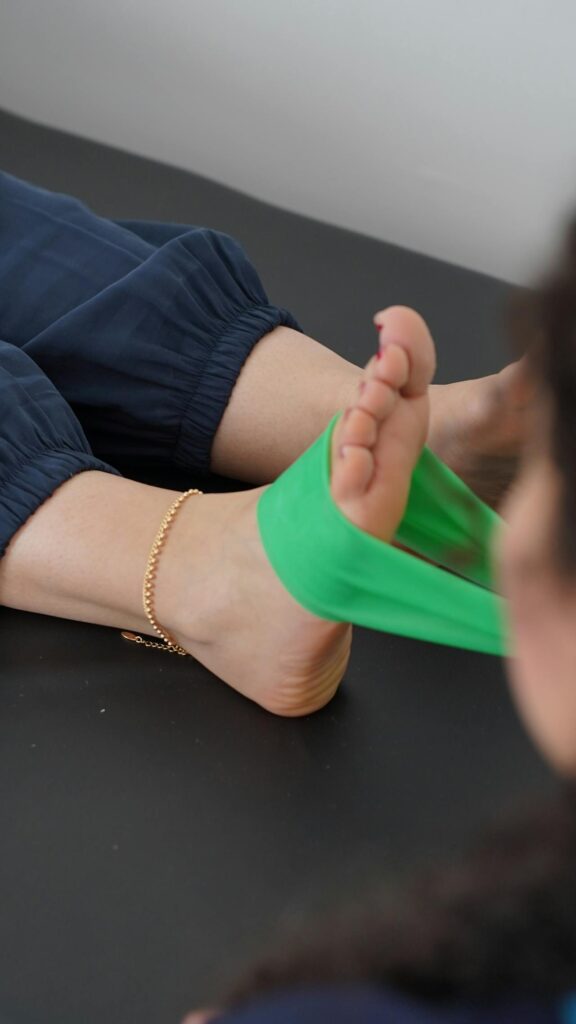
Building foot strength begins with simple steps to address foot arch problems. Calf stretches and rolling a cold bottle under your foot can loosen tight tissues. Plantar fascia stretches, such as standing on a step and lowering your heels, help reduce tension and relieve pain from plantar fasciitis and fallen arches. Toe curls and towel scrunches strengthen these small muscles, helping to stabilize that arch and reduce persistent foot pain. Perform these exercises each day for optimal results. Icing for 15 to 20 minutes post-workout reduces inflammation. Consistency is key, as doing a few minutes each day accomplishes more than a single long session once a week.
Professional Care Support
- Physical Therapy: A therapist creates a plan with hands-on care, stretching, and strength training. This accelerates recovery and trains correct movement.
- Podiatrist Care: Foot doctors offer custom treatment from orthotic devices to advice on limited mobility for 6 to 8 weeks when the pain is severe.
- Therapeutic Options: Massage and ultrasound therapy can reduce swelling and break up scar tissue for deeper relief.
- Advanced Treatments: In tough cases, OTC pain medicine helps. Sometimes injections or other medical steps are needed for stubborn pain.
When To See A Specialist
When foot arch issues start causing heel pain, knowing when to see a specialist is essential for getting the right treatment. Severe arch pain that doesn’t ease with rest or disrupts your daily activities is a key sign that professional care is necessary. Most of us feel tired or have sore feet after a long day, but this discomfort usually improves with rest or an over-the-counter pain reliever. If pain persists for days or new footwear fails to provide relief, it signals an underlying issue. Pain that disrupts your sleep or wakes you up in the morning is a tell-tale sign that it’s time to consult a specialist.
Timing is essential. Enduring foot pain can lead to complications. When swelling, redness, or warmth accompanies pain, it may indicate more than a simple strain and could signify a serious condition like inflammation or infection. Individuals who stand or walk for long periods, work or exercise on hard surfaces, or wear poor footwear are at an increased risk of developing collapsed arches and should remain vigilant. If you find yourself dropping activities you once enjoyed or canceling walks with friends due to foot problems, this lifestyle change warrants a visit to a specialist.
Consulting a podiatrist is the most effective way to obtain a definitive diagnosis and appropriate treatment for your foot condition. While foot pain is common, not all pain is created equal. A specialist can detect arch problems that might be missed, including plantar fasciitis, ligament tears, or nerve conditions linked to foot arch issues. They may use imaging, such as X-rays or ultrasound, and analyze your gait to pinpoint the source. Early intervention can lead to quicker recovery and a reduced risk of permanent damage. For instance, custom orthotics, physical therapy, or targeted exercises can be initiated sooner, helping to prevent pain from worsening and keeping you active.
Final Remarks
An arch collapse frequently initiates a cascade of pain that begins in your heel. An arch collapse causes heel pain because weak arches overextend and strain the tissues in your foot, which become sore and swollen. You may experience pain in the morning or after long walks. Left unchecked, this can extend aches to your knees and back. Easy moves such as improved footwear, stretching, or sometimes a visit to the podiatrist’s office can make a world of difference. Prompt action prevents progression. Your feet perform serious heavy lifting day in and day out, so give them the attention they deserve. Got heel pain that just won’t quit? Contact a specialist and control your foot destiny today.
Frequently Asked Questions
1. What Is Arch Collapse?
Arch collapse, often associated with flat feet or fallen arches, occurs when the foot’s arch flattens excessively, leading to additional strain on the heel and other areas.
2. How Does Arch Collapse Cause Heel Pain?
An arch collapse causes uneven weight distribution on the foot, often leading to arch pain and heel inflammation due to excessive stress.
3. What Are Common Symptoms Of Arch Collapse?
Typical symptoms of foot arch problems include flat feet, heel pain, swelling, and pain with prolonged standing or walking.
4. Can Arch Collapse Affect Other Parts Of The Body?
Yes, foot arch issues like arch collapse can change your posture and gait, which might cause knee, hip, or back pain over time.
5. What Increases The Risk Of Arch Collapse?
Factors such as obesity, aging, injury, or poor footwear can cause common foot arch problems such as arch collapse.
Find Real Relief With Expert Heel Pain Solutions From The Shoe Doctor
Heel pain can make every step frustrating. Whether it’s sharp pain in the morning, discomfort after standing all day, or ongoing irritation that won’t go away, it can start to affect how you move, work, and live. Left untreated, heel pain often gets worse and can lead to bigger issues with your knees, hips, and back.
At The Shoe Doctor, we focus on identifying the true cause of your heel pain and creating a solution that actually works. Using advanced 3D foot-mapping technology, we analyze how your feet function, where pressure builds, and what’s causing the strain. From there, we design custom orthotics that reduce impact, support your arch, and take pressure off the heel so you can move comfortably again.
With over 20 years of experience, Russell combines precise technology with hands-on expertise to deliver heel pain solutions that go beyond temporary relief. Our approach helps correct alignment, improve movement, and prevent the pain from coming back. Through our partnership with the Spine and Injury Medical Center in San Jose, we also evaluate gait and posture to support full-body recovery and long-term results.
If heel pain is slowing you down, now’s the time to fix it. Schedule your free consultation today, and let The Shoe Doctor help you get back to walking comfortably and confidently.
Disclaimer
The materials available on this website are for informational and entertainment purposes only and are not intended to provide medical advice. You should contact your doctor for advice concerning any particular issue or problem. You should not act or refrain from acting based on any content included in this site without seeking medical or other professional advice. The information presented on this website may not reflect the most current medical developments. No action should be taken in reliance on the information contained on this website, and we disclaim all liability for actions taken or not taken based on any or all of the contents of this site to the fullest extent permitted by law.