
Standing all day can trigger heel pain as extended time on your feet strains the tissues on the sole of your foot, particularly the plantar fascia. With each step, these tissues stretch and absorb your body weight, which can lead to micro-tears and inflammation. Hard floors, bad shoes, or minimal breaks exacerbate it, making the heel throb even more, particularly after extended shifts. Individuals in professions that require continuous standing, such as educators, sales associates, or laboratory technicians, frequently experience this pain. Heel pain can indicate conditions such as plantar fasciitis or heel spurs. To help you, the main text will show simple solutions, better shoe advice, and ways to lessen the stress in your legs.
Key Takeaways
- Standing all day causes heel pain because it subjects your heel to intense biomechanical and compressive stress, which frequently results in inflammation, muscle fatigue, and tissue damage that, if untreated, can culminate in chronic pain.
- Overloading the plantar fascia and muscle exhaustion are the key culprits behind heel pain, which is why targeted stretches and strengthening exercises can be effective preventative measures.
- Choosing the right shoes with sufficient arch support, padding, and a snug fit is crucial for mitigating heel pain and promoting foot health.
- Environmental factors such as hard flooring and job requirements raise the risk of heel pain. Ergonomic solutions and frequent breaks are advisable.
- For instant relief, cold therapy and targeted plantar fascia and calf stretches provide effective short-term pain relief and recovery.
- Hydration, balanced activity routines, and regular self-monitoring are crucial for identifying triggers, reducing overall stress, and maintaining long-term heel health for people regardless of location or occupation.
The Anatomy Of Standing Pain
If you stand for long hours, you are subjecting your feet to a continuous tug-of-war between two forces. The heel, as the principal point of contact, takes in much of this burden, which can lead to persistent heel discomfort, arch tightness, and muscle fatigue. Plantar fasciitis pain often results from a confluence of tissue overload, bad foot mechanics, and nerve irritation. The sections below dissect the primary mechanisms by which standing invokes soreness.
1. Plantar Fascia Overload
The plantar fascia is a thick band of tissue that runs from the heel to the toes, supporting the arch and absorbing shock. When overstressed, it can develop micro-tears, leading to inflammation known as plantar fasciitis pain. This often shows as stabbing pain when you take your first steps in the morning or after sitting. Repetitive strain can lead to heel spurs, which are bony growths that make the discomfort worse. Opting for arch support in your shoes and custom orthotics, along with daily stretching, can help minimize this load on your foot health. Footwear changes are crucial, as patients who wear orthotics the majority of the time experience significantly lower recurrence rates.
2. Muscle Exhaustion
Extended standing can lead to chronic heel pain as it exhausts the foot’s small muscles and the calves’ larger muscles. When tired, these muscles fail to support the arch and body weight, making the heel susceptible to discomfort. Maintaining calf strength and flexibility is crucial for foot health. Weak or tight calves can increase the risk of plantar fasciitis pain. Incorporating regular stretching and short breaks will help keep the muscles fresh and prevent long-term foot mechanics issues.
3. Biomechanical Stress
Foot structure, like flat feet or high arches, influences how heel pressure is distributed and can cause persistent heel pain. Poor foot mechanics may increase stress on the heel and surrounding soft tissues. For instance, flat feet can cause pain to radiate up the leg, while high arches can concentrate stress directly on the heel. Gait analysis is essential to catch these issues early, and custom orthotics can provide the necessary support and correct mechanics.
4. Compressive Forces
Your heel bone absorbs the most body weight while standing, making it susceptible to chronic heel pain. Heavier loads or hard floors can increase compressive forces, exacerbating heel discomfort and tissue strain. Cushioning from mats reduces ground force by as much as 30%, while supportive shoes and custom orthotics can significantly enhance foot health.
5. Nerve Irritation
Extended standing can aggravate foot nerves, leading to chronic heel pain, tingling, numbness, or burning sensations. Tarsal tunnel syndrome, which involves nerve compression around the ankle, is a common cause of this discomfort. Treatment may involve comprehensive heel pain treatments such as changing footwear, using custom orthotics, or engaging in targeted therapy.
Unmasking Your Heel Pain
Heel pain is not a one-size-fits-all problem, as it can manifest in various forms depending on your health, habits, and even the type of footwear you choose. Understanding the nature of your heel discomfort is crucial for seeking the appropriate treatment and preventing chronic heel pain. By learning to identify trends and monitor your pain, you will provide valuable information to a podiatrist and receive tailored guidance.
The Telltale Symptoms
Sharp pain beneath your heel, stiff first steps out of bed, and swelling that accumulates after long days all tell you that something’s amiss. Some experience a stabbing pain that diminishes with movement, while others suffer a persistent dull ache. That morning, heel stiffness likely indicates plantar fasciitis, which is a nuisance to any eternal stander.
If pain lasts longer than two or three weeks or disrupts your ability to walk, it’s time to see a specialist. Ignoring symptoms can exacerbate the issue, particularly if the pain interferes with daily life. A note of when and where you feel the pain, what shoes you wore, and which activities aggravate it is helpful to a podiatrist trying to pin down its cause.
Common Conditions
Plantar fasciitis is the most common offender, often leading to chronic heel pain characterized by discomfort on the bottom of the heel, especially painful during morning steps. Heel spurs, which are bony protrusions on the heel bone, can exacerbate heel discomfort, particularly after prolonged standing. Achilles tendonitis causes pain at the back of the heel and is frequently linked to poor footwear choices that lack adequate heel padding or arch support. Our focus spans from identifying the root cause of your heel pain to exploring comprehensive heel pain treatments, including exercises and custom orthotics.
Additional body weight increases stress on the plantar fascia, making it crucial to adopt strategies like shifting your weight every 90 seconds, stretching tight calf muscles, and using anti-fatigue mats. If home treatments and better shoes don’t alleviate the issue after a few weeks, consulting experienced podiatrists is essential for further evaluation and care.
| Condition | Symptoms | Treatment Options |
| Plantar Fasciitis | Heel pain, morning stiffness | Stretching, orthotics |
| Heel Spurs | Sharp localized pain | Cushioning, physical therapy |
| Achilles Tendonitis | Back heel pain, swelling | Rest and calf stretches |
Are You At Greater Risk?
Standing all day isn’t the same for everyone, as the risk for chronic heel pain can depend on various factors. Occupation, body mechanics, and environment play a crucial role in heightening the risk of ongoing heel discomfort, particularly related to conditions such as plantar fasciitis.
Your Occupation
Occupations that require you to be on your feet for extended periods of time, such as doctors, nurses, teachers, retail workers, restaurant staff, and factory workers, are more susceptible to developing chronic heel pain. In these industries, workers frequently stand on hard surfaces with minimal relief, leading to issues such as plantar fasciitis pain. This relentless demand ravages the heels, since standing still is harsher on your feet than walking or weight-shifting.
Shoes really do count in the office. Style-prioritized shoes, such as flats, high heels, or thin-soled dress or work shoes, typically don’t provide the necessary padding and support to shield you from heel discomfort. Work boots or shoes without proper arch support can worsen heel spur problems for those who wear them. Tweaking your environment can help. Anti-fatigue mats, regular breaks, and footwear changes can alleviate some of the burden. If your pain persists, visiting a podiatrist can identify remedies like orthotic insoles or custom shoes made for your specific work-related strain.
Your Body
Body weight is a culprit, as each kilogram (approximately 2.2 pounds) adds some four times that force to your feet while standing. In other words, even small weight gain can result in significantly more stress on the heel. Heavier individuals (higher BMIs) report increased symptoms. Physical fitness is important, and strong leg and foot muscles provide more support and serve as better shock absorbers, while inactivity leads to weakness and pain.
Foot structure counts. Flat feet, high arches, or even minor leg length discrepancies can increase your risk. These bony structures change how weight is distributed across the heel, leading to pain over time. Chronic illnesses, like diabetes or arthritis, increase the risk of foot pain and impede healing. Daily stretches and strengthening exercises for feet and calves are actionable measures that can minimize pain and support healthy mobility.
Your Environment
Work or home surfaces can make a difference. Standing for hours on hard surfaces like concrete, tile, or hardwood floors that provide no absorption places extra strain on the heel. These stiff surfaces exert more force on the feet, increasing the likelihood of pain and fatigue.
Ergonomic fixes can be easy. Anti-fatigue floor mats and padded insoles absorb some of the impact from hard floors. Switching to footwear with thicker, supportive soles or orthotics can assist. If you find yourself hurting more at home, try soft rugs or cushioned slippers to ease heel stress during everyday activities.
The Critical Role Of Footwear
Footwear decisions significantly impact foot health by affecting how your feet bear weight, absorb shock, and maintain stability during prolonged standing on hard floors. The right shoes can help stave off chronic heel pain, while poor choices can amplify foot fatigue and lead to persistent heel discomfort. Support, fit, and design are crucial for anyone who stands all day at the office, hospital, factory, or retail store.
What To Look For
Supportive shoes with strong arch support help relieve tension from the plantar fascia and Achilles tendon, decreasing the risk of heel soreness or injury. Cushioning takes the shock when you stand on concrete or tile, softening the jarring impact of each step. Task-specific shoes, like work boots or retail walking shoes, can better meet foot needs and reduce strain.
The heel counter, which cradles the back of the heel, should be stiff enough to hold the foot in place. A quality midsole keeps the arch propped down and stops the shoe from collapsing under your body weight. Removable insoles enable wearers to replace stock inserts with custom ones, providing additional arch support or cushioning as necessary.
| Footwear Feature | Impact On Heel Pain |
| Arch Support | Reduces stress on the plantar fascia, prevents pain |
| Cushioning | Absorbs shock, lessens impact on heels |
| Firm Heel Counter | Improves stability, supports the rearfoot |
| Removable Insole | Allows customization for better support |
What To Avoid
Flimsy shoes, such as flip-flops or beat-up tennis shoes, can leave your heel and arch vulnerable and cause you to overexert these areas. High heels raise the front of the foot and add pressure to the heel, which can lead to plantar fasciitis over time.
A bad fit, either too tight or too loose, can give you blisters or contort your foot, aggravating heel pain. Drugstore gels may seem like a quick fix, but they often lack sufficient arch support or compress too quickly, providing little real relief.
Immediate Relief Measures
Standing all day can cause chronic heel pain because of the high pressure on the heel, leading to discomfort that interrupts your routine. Immediate relief measures aim to reduce inflammation, encourage healthy movement, and target common issues like plantar fasciitis pain and tight calf muscles.
- Rock your weight from one foot to the other every few minutes. This minor adjustment can reduce stress on your heels and keep pain from accumulating.
- Anti-fatigue mats are important if you work or stand on a hard surface. These mats absorb pressure on your feet and reduce the tension on your heels.
- For immediate relief, take short breaks to sit, stretch, or walk. Taking a momentary break every half hour or so can refresh your feet and alleviate aches.
- Use well-supportive shoes with arch support and shock absorption. Stay away from flats or thinning soles because they don’t shield your heels.
- Elevate your feet against a wall or couch after a shift. Elevating your legs for five to ten minutes reduces swelling and restores comfort.
Simple Stretches
These immediate relief stretches specifically target the muscles that tighten after hours of standing. One simple calf stretch is to stand arm’s length from a wall, place your hands on it, and step one foot back, straightening it and pressing the heel down. Hold for 30 seconds, then reverse. This relaxes tightness and prevents the heel from pulling on the plantar fascia.
Heel raises, by lifting your heels off the ground for 10 reps, strengthen the muscles that support your arch. This can give you short-term relief and help develop resistance to future pain. Foot massages with your hands or a ball under the arch will ignite blood flow and relieve tension. Keeping up a daily stretching routine, even for just five minutes, can prevent recurring heel pain.
Cold Therapy
Ice the heel to decrease swelling and numb pain, especially after prolonged standing or walking, as this is crucial for managing chronic heel pain and preventing further inflammation.
- Wrap ice in a towel and gently press it on the heel for 15 minutes.
- Roll your foot with a frozen water bottle.
- Gel cold packs can contour to your heel for immediate relief.
- Never forget to test your skin to prevent cold burns or numbness.
Smart Modifications
Minor tweaks to your daily grind can slash triggers of chronic heel pain. Immediate relief measures include taking short walking breaks, even a quick lap around your workspace, to alleviate heel pressure. Stretching can also help: Stand up and check your posture, as distributing weight evenly reduces tension and helps with heel discomfort. Combined with supportive shoes and anti-fatigue mats, these habits create a healthier environment for your foot health.
Beyond The Obvious Stressors
Heel pain from standing all day isn’t always about the hours spent on your feet. Common causes like poor footwear and tight calf muscles can significantly affect how our feet respond to everyday stress. Hydration, surface, and even fidgeting contribute to the stress accumulating in your heel and tissues.
The Dehydration Link
Muscle cramps are more common in a body that is not well-hydrated, which can exacerbate chronic heel pain. Fluids assist muscles and soft tissues in functioning properly, keeping them loose and able to handle stress. If you’re on your feet for extended periods, particularly in hot environments, or if you’re very active, sweating can lead to both cramping and heel discomfort. Staying hydrated by keeping a water bottle nearby and sipping regularly, along with eating hydrating foods like cucumbers or oranges, can help rejuvenate your feet after a long day and reduce issues related to plantar fasciitis pain.
The Cumulative Effect
Your feet get pummeled, and it accumulates. Every step and every hour you stand puts stress on muscles, ligaments, and tendons, especially if you work on hard floors like concrete. Even minor everyday decisions, such as what shoes to wear, count. A day of standing here or there might not hurt, but over weeks or months, that stress can become chronic heel pain. Rotating shoes and orthotics can disrupt this cycle. People who wear orthotics most of the time experience significantly fewer episodes of recurring heel pain. Try these steps to balance your activity and rest:
- Change shoes every other day for better support.
- Take short sitting breaks when you can.
- Weigh yourself from one foot to the other frequently.
- Track your daily steps and note when pain starts.
Observing when the pain intensifies allows you to identify habits that may be exacerbating the situation. Compression socks reduce swelling and blood pooling, which makes those long days a bit more manageable.
The Stillness Myth
Others believe that standing still is preferable to moving, but this can lead to chronic heel pain. Being still for an extended period of time can actually exert additional pressure on the heel, which is often a common cause of heel discomfort. The foot is made for movement, not for posing for hours on end. When you stand still, blood flow slows, tissues tighten, and then the pain kicks in. Simple adjustments like stepping in place, stretching your calves and arches, or rocking from side to side can reduce pressure on any part of the foot. Both motion and stillness are essential for foot health. If the pain doesn’t subside within a few weeks, or if swelling lingers into the night, it might be time to consult experienced podiatrists.
Final Remarks
Standing all day is hard on your heels. Your feet absorb impact with each step, so long days on hard floors can cause pain. Bad shoes with flat, thin soles only exacerbate it. Those with flat feet or high arches or who are overweight tend to experience it sooner. Only you can tell, because nothing answers like acute, nagging pain that screams your heels need a break! Switching shoes, choosing soft mats, or interspersing short walks can provide your feet some respite. Your body is screaming to tell you to hear it and hurry. If that pain sticks around, it is time to check with a doc or foot pro. Want to maintain strong feet? Experiment with new habits and shoe styles, and bounce your own tips off the rest of the class.
Frequently Asked Questions
1. What Conditions Can Cause Heel Pain From Standing?
Typical culprits of chronic heel pain include plantar fasciitis, Achilles tendinitis, and heel spurs, often triggered by prolonged standing or poor footwear.
2. How Can Footwear Impact Heel Pain?
Worn-out or unsupportive shoes can cause chronic heel pain, while proper footwear with quality cushioning and arch support can help prevent heel discomfort.
3. Who Is Most At Risk For Heel Pain When Standing?
You’re more likely to experience chronic heel pain if you have flat feet, high arches, or a profession that requires prolonged standing, which can lead to persistent heel discomfort.
4. What Immediate Steps Can Relieve Heel Pain After Standing?
Give your feet a break, ice them, and gently stretch your calves and heels to effectively ease chronic heel pain and inflammation.
5. Should I See A Doctor For Heel Pain From Standing?
If chronic heel pain persists, worsens, or impedes your daily life, see a podiatrist for an accurate diagnosis and treatment plan.
Find Real Relief With Expert Heel Pain Solutions From The Shoe Doctor
Heel pain can make every step frustrating. Whether it’s sharp pain in the morning, discomfort after standing all day, or ongoing irritation that won’t go away, it can start to affect how you move, work, and live. Left untreated, heel pain often gets worse and can lead to bigger issues with your knees, hips, and back.
At The Shoe Doctor, we focus on identifying the true cause of your heel pain and creating a solution that actually works. Using advanced 3D foot-mapping technology, we analyze how your feet function, where pressure builds, and what’s causing the strain. From there, we design custom orthotics that reduce impact, support your arch, and take pressure off the heel so you can move comfortably again.
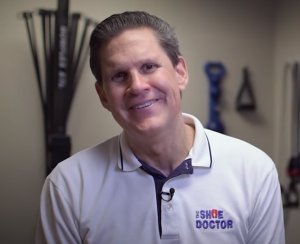
With over 20 years of experience, Russell combines precise technology with hands-on expertise to deliver heel pain solutions that go beyond temporary relief. Our approach helps correct alignment, improve movement, and prevent the pain from coming back. Through our partnership with the Spine and Injury Medical Center in San Jose, we also evaluate gait and posture to support full-body recovery and long-term results.
If heel pain is slowing you down, now’s the time to fix it. Schedule your free consultation today, and let The Shoe Doctor help you get back to walking comfortably and confidently.
Disclaimer
The materials available on this website are for informational and entertainment purposes only and are not intended to provide medical advice. You should contact your doctor for advice concerning any particular issue or problem. You should not act or refrain from acting based on any content included in this site without seeking medical or other professional advice. The information presented on this website may not reflect the most current medical developments. No action should be taken in reliance on the information contained on this website, and we disclaim all liability for actions taken or not taken based on any or all of the contents of this site to the fullest extent permitted by law.