
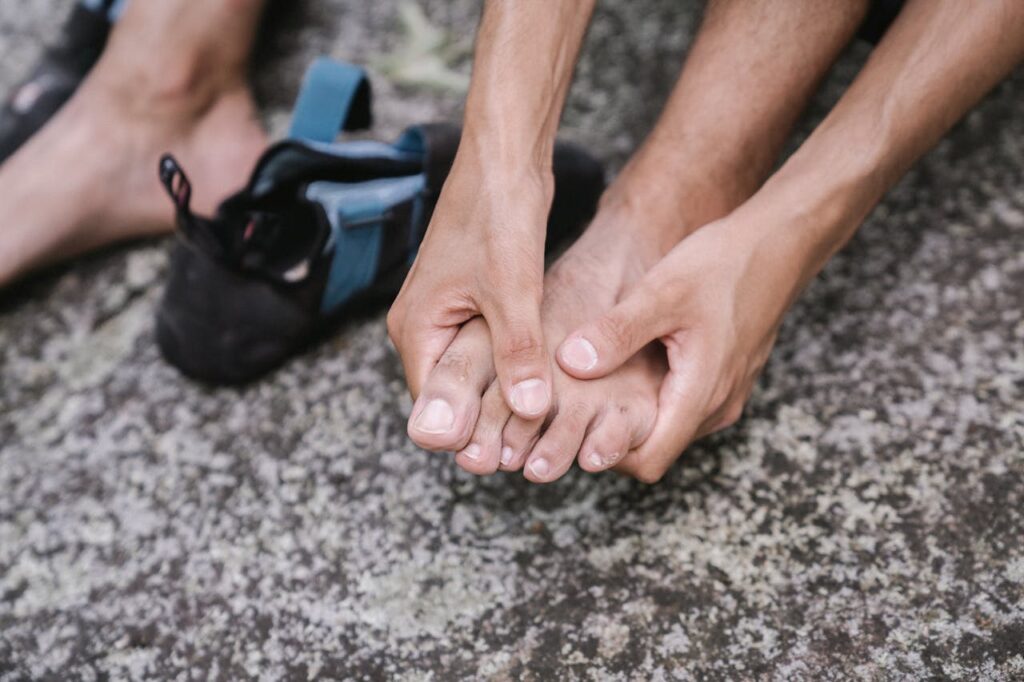
For people with plantar fasciitis, heel pain tends to be worse in the morning because the plantar fascia contracts while you’re immobilized during sleep. When you first stand up, this sudden stretch on the band causes sharp pain at the bottom of the heel. This pain can dissipate with movement as the tissue warms and loosens, but it may return after long periods of sitting or rest during the day. Most individuals experience the worst pain with those initial steps after rising from sleep. It is this pattern of pain that aids physicians in differentiating plantar fasciitis from other causes of heel pain. In the following sections, understand what’s going on inside the foot and why this pain pattern is typical for this disorder.
Key Takeaways
- Morning heel pain in plantar fasciitis is often caused by overnight contraction of the plantar fascia, lack of movement, and fluid buildup. All of these factors can increase tension and stiffness upon waking.
- The body’s inherent repair and inflammatory process while we sleep causes the pain to be worse in the morning. Those first several steps place unexpected weight on newly inflamed tissue.
- Some light stretching before bed and after waking can minimize overnight contraction and stiffness.
- Taking it slow initially and donning shoes immediately after rising can go a long way in lessening heel impact shock, thereby reducing pain.
- Long-term management with regular stretching, appropriate shoes, and possibly night splints can improve prognosis and prevent recurrence.
- Consulting with a medical professional for personalized assessment, gait analysis, and tailored treatment plans is recommended for persistent or severe cases to ensure comprehensive care and recovery.
Why Morning Heel Pain?
Morning heel pain is a classic symptom of plantar fasciitis, a condition in which the thick band of tissue that connects your heel to your toes becomes inflamed. Why does this heel pain wake you up so often in the morning? That is, why is it most painful with those first steps out of bed? This consistent timing isn’t accidental; it arises from what occurs to your feet overnight and your body’s response to rest and movement.
Overnight Contraction
When you sleep, your foot is frozen for hours, allowing the plantar fascia to contract. Sleeping with your toes pointed or your feet in a relaxed position can exacerbate this contraction. In the morning, when you step and put weight on your foot, the tissue stretches rapidly, leading to sharp pain. If your sleep position places your ankle at a downward angle, this can further increase the tension and compound your agony. Stretching the foot and calf prior to sleep or wearing a night splint to keep the foot flexed can help keep the tissue from shortening too much while you sleep.
Healing Cycle
As you sleep, your body attempts to heal the microtears in the plantar fascia produced by activity during the day. This repair process frequently boosts swelling, which can stiffen the region by morning. Because healing isn’t always completed overnight, the tissue can continue to feel weak and painful. Rest is good, but in plantar fasciitis, it allows the tissue to stiffen, which is why the first steps in the morning are the most difficult.
Fluid Buildup
With your feet hanging in the air all night, gravity does not drain fluid down as it does in the daytime. This can result in some fluid retention in your heel and foot tissues. Upon waking, this additional fluid can compound the sensation of pressure and pain as you begin to get moving. Elevating your feet at night or making light ankle movements before arising can reduce this swelling.
First Step Shock
The sharp stretch of the plantar fascia as you take your first steps sends a wave of pain. The inflamed tissue simply isn’t prepared for it, which is why heel pain is typically at its worst first thing in the morning or after prolonged sitting. Easing into your morning with slow steps or even the act of putting on supportive shoes before you stand up can reduce this shock.
Circulation Decrease
Blood flow to the feet decreases during sleep, causing the tissue to become stiffer and more likely to hurt upon waking. Some easy foot and ankle stretches while you’re still in bed will get the blood flowing before you stand. Light stretching in the morning may increase circulation, which can make those initial steps less painful.
Understanding Plantar Fasciitis
Plantar fasciitis is a prime culprit behind heel pain, impacting close to two million individuals annually. This foot ailment revolves around inflammation of the plantar fascia, a thick band of connective tissue that supports the arch. Early diagnosis is important as it provides an opportunity for early treatment and improved prognosis. If untreated, chronic plantar fasciitis can lead to additional issues such as ongoing pain and gait abnormalities.
The Fascia Band
The plantar fascia is a tough, fibrous band that extends from the heel to the toes, functioning as an important support system for the foot’s arch. Its primary role is to absorb shock with each step, particularly when running or jumping. Too much use or too much strain causes tiny tears in the fascia that lead to inflammation and pain. When that same fascia tightens overnight, the sudden stretch during those initial morning steps can cause stabbing pain. This tightness, which is frequently associated with calf stiffness, exacerbates morning pain and emphasizes the value of stretching to decrease tension.
Common Causes
Repetitive stress and overuse are among the primary causes of plantar fasciitis. Wrong shoes compound the danger, especially those with flimsy arch support or thin soles. Anything that causes your feet to be subjected to new stresses can increase your risk, such as beginning a running regimen or spending more time standing.
- Wearing unsupportive shoes or walking barefoot on hard floors
- Long hours standing or walking, especially on concrete
- Rapid increases in running or physical activity
- High-impact sports like basketball or tennis
- Jobs that require a lot of walking or standing.
Certain activities and occupations require repetitive pounding or standing, which boosts the fascia’s workload and likelihood of inflammation.
Risk Factors
Age is often associated with an increased risk of plantar fasciitis, especially for individuals aged 40 to 60. Unusual foot mechanics, like flat feet or high arches, alter weight distribution and stress the fascia. Jobs that keep you on your feet all day, like teaching, nursing, or retail work, may stress out the fascia over time. Old foot injuries factor in as well, as prior trauma can lower the tissue’s resilience and elasticity, leaving it more susceptible to inflammation and tears.
Alleviating Morning Pain
Morning heel pain, common in plantar fasciitis, is typically most acute right after waking because the plantar fascia tightens during the night while your foot is in a pointed-down position. It lessens as you walk because walking stretches the fascia, making it more pliable. Tackling this pain requires a combination of pragmatic tactics and steady routines emphasizing stretching, slow-motion mobilization, and good support.
- Stretching your calves, achilles, and plantar fascia before bed and when you wake helps lengthen these tissues and reduce tension and stiffness.
- Wearing supportive shoes or orthotics immediately after getting out of bed pads the heel and reduces abrupt tension on the fascia.
- Cold therapy, such as rolling a frozen bottle under the foot, can reduce inflammation and pain.
- A night splint keeps the plantar fascia stretched while you sleep and reduces morning stiffness.
- About mitigating morning pain. Slow, mindful movement when waking helps the body adjust and defend the fascia from sudden strain.
Pre-Bed Stretches
Calf and foot stretches before bed can relax the plantar fascia. One good stretch involves positioning one leg behind the other, keeping the back knee straight, and holding for 30 to 60 seconds. This targets your calves and Achilles tendon, which link to the plantar fascia. Performing a plantar fascia stretch, like pulling your toes toward your shin, can help to loosen the region. Regularity, repeated every day, makes you more limber and could prevent pain and stiffness in the morning.
Bedside Stretches
Morning stretches at the bedside edge can relieve pain before standing up. While sitting, softly dorsiflex your toes by pulling them towards you and holding the stretch for 20 seconds each. A towel or strap around the ball of your foot can help you get a deeper stretch. Regular bedside stretching makes you a little more supple and can reduce the impact of those initial steps.
First Steps
Slow, careful movement is essential upon waking. Before you get up, move your ankle in circles or up and down for a minute. Always wear supportive shoes before walking. This helps cushion the heel and regulate pressure.
- Sit up slowly and stretch your foot before standing
- Use shoes with good arch support right away
- Roll a frozen bottle under your foot for a few minutes.
- Small, slow steps help you transition into full weight bearing.
Long-Term Management
A full-scale plan is crucial for plantar fasciitis since most sufferers heal within a few months. Some contend with symptoms for much longer. Continuing care and daily modifications avoid flare-ups and minimize your chances of long-term pain. Little shifts, like improved shoes, daily stretching, and expert guidance, do big things in the long run. Long-term management keeps symptoms at bay, and guidance from a specialist makes sure the strategy aligns with your individual requirements.
Supportive Footwear
Proper shoes are one of the simplest ways to manage plantar fasciitis. Good shoes provide strong arch support and sufficient padding, which alleviates tension on the plantar fascia and dampens blow whenever your foot hits the ground. Old or flat shoes lose support quickly, so rotate frequently, particularly if the soles flatten or the interior wears down. Others require custom orthotics, which mold to the shape of each foot and correct walking patterns that could exacerbate pain. Supportive house shoes can do the trick, particularly if you’re a floor-stoic at home.
Therapeutic Exercises
These daily exercises maintain the strength and flexibility of the foot and calf muscles, relieving tension on the plantar fascia. Calf and Achilles stretches are one of the most prescribed routines because tightness in these areas frequently exacerbates symptoms. Flexibility drills for the foot itself can enhance performance and feel. Non-impact activities such as swimming, biking, or power walking keep you going without pounding your heels further. Staying consistent is what counts. Exercising daily, even once the pain subsides, keeps symptoms at bay.
Therapeutic habits must be easy and habitual. Brief bouts, quite frequently, tend to prove ideal for numerous individuals.
Night Splints
Night splints hold the plantar fascia stretched while you’re asleep. Wearing one can reduce morning pain and stiffness, a common complaint. These splints keep your foot in a fixed position, preventing the fascia from contracting while you sleep. It’s crucial to have a splint that actually fits you, so consult a podiatrist to make sure you know what type and size to get.
Treatment Option | Morning Pain Relief | Need for Professional Fitting | Suitable for Daily Use |
Night Splint | High | Yes | Yes |
Stretching Exercises | Moderate | No | Yes |
Supportive Footwear | Moderate | Sometimes | Yes |
Custom Orthotics | Moderate | Yes | Yes |
Professional Help
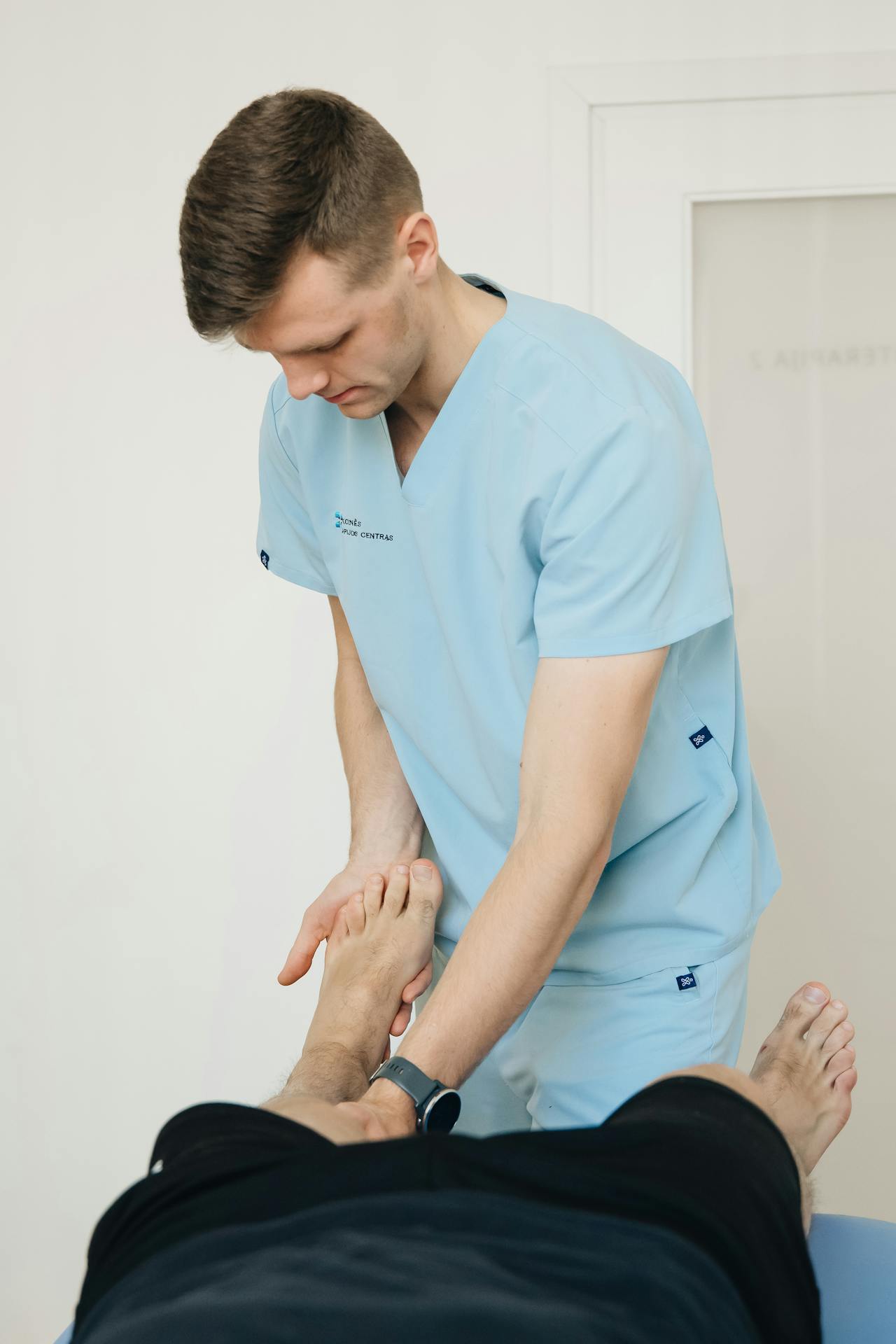
If heel pain persists beyond a few weeks, visit a podiatrist. They can test for alternative culprits and provide a treatment plan that suits your situation. A complete check-up might involve physical examinations and occasionally imaging, such as an ultrasound or an MRI, to eliminate other disorders. Physical therapy is frequently recommended, as it provides supervised exercise and manual treatment for accelerated recovery. Surgery for rare, recalcitrant cases can be considered after a year, either gastrocnemius recession, which lengthens a calf muscle, or releasing part of the plantar fascia.
The Biomechanical Connection
Here’s how biomechanics explains heel pain from plantar fasciitis being worse in the morning. The plantar fascia is a dense band of connective tissue that travels along the sole, connecting the calcaneus to the phalanges. Overnight, this tissue tightens and shortens, particularly if calves and the Achilles tendon are stiff. As you get out of bed in the morning, the plantar fascia experiences an abrupt and intense stretch. This stretch rapidly places inflamed fibers under tension, triggering the classic “first-step” pain that many people experience. The pain diminishes as the fascia warms up and stretches with continued motion, but the deep biomechanical problems persist.
Your Gait
Bad biometrics—your gait—can add stress to the fascia. Overpronation or an uneven gait can place extra stress on the heel and arch. Over time, this repeated strain causes microtears and inflammation to the fascia, exacerbating the pain. Where your feet land with each step counts—especially if you’re a long-distance walker or runner. Even minor foot placement mistakes compound. It’s useful to have a professional gait analysis, which employs video or pressure-sensitive mats to scan for unusual movement patterns. Repairing these, frequently with specific exercises or even modifications to how you walk, can stop the progression of injury. Sports and daily good form prevent plantar fasciitis and aid recovery.
Foot Structure.
The biomechanical link is another important factor in plantar fasciitis. Flat-footers or high-arched footers place their weight unevenly across the foot. Flat feet can contribute to overstretching of the plantar fascia, while high arches can over-concentrate pressure on the heel and toes. Both leave the tissue more susceptible to irritation, particularly after a night of deflation. Simply selecting shoes that complement your foot shape can do wonders. With custom orthotics, which fit your precise foot, they can correct your alignment and alleviate pain by distributing weight more evenly. If you have access to a podiatrist, he or she can check your foot type and recommend the best options. You want to address biomechanical problems for long-term alleviation, not just short-term hacks.
Biomechanical Issue | Impact on Plantar Fascia | Example |
Tight Calf/Achilles | Increases morning pain | Stiffness after sleeping |
Flat Feet | Overstretching of fascia | Pronation during walking |
High Arches | Concentrated heel pressure | Pain after standing for a long time |
Poor Gait Pattern | Uneven load, microtears | Limping or overstriding |
Beyond The Obvious
Morning heel pain is not just about simple overuse or heel spurs. Plantar fasciitis, which affects some two million Americans, often takes the starring role. The pain generally stings the most during those initial morning steps after sleep, sometimes subsiding as you walk and then flaring again after extended periods of sitting or standing. This rhythm goes all the way back to foot healing and biomechanics, as the plantar fascia stiffens overnight, and the very first steps in the morning are painfully achy. Other things creep in, like tight calves, extra pounds, or work that has you standing on concrete for hours. From a broader foot health perspective, daily habits and lifestyle changes are important in symptom management and recovery.
Hydration
Tissue health in your feet is dependent on how well-hydrated you are. The plantar fascia, as with other connective tissues, depends on water to maintain its pliable and resilient form. If you’re not hydrating enough, tissues can lose some of that elasticity, leading to greater stiffness and greater susceptibility to small tears. Dehydration exacerbates inflammation, and that can increase pain, particularly in the morning when blood flow and tissue movement are low. Maintaining hydration throughout the day promotes recovery and alleviates pain. Shoot for sips, not gulps. Even a little dehydration will set back plantar fasciitis recovery.
Diet
Good nutrition is important for your feet. A healthy diet reduces inflammation and supports tissue healing. Certain foods stand out for their anti-inflammatory effects and healing support:
- Leafy greens (spinach, kale, arugula)
- Berries (blueberries, strawberries, raspberries)
- Nuts and seeds (almonds, chia, flaxseed)
- Fatty fish (salmon, sardines, mackerel)
- Olive oil
Maintaining a healthy weight translates to less tension on your feet and plantar fascia, which can reduce pain and help accelerate healing. Just small shifts to what you consume can reverberate through how your feet feel each morning.
Sleep Position
How you sleep changes how your feet feel upon arising. Sleeping with your feet pointed down or twisted can contribute to morning stiffness. This position overnight shortens the plantar fascia and Achilles tendon, making those first steps painful. A pillow under your knees or between your legs can keep your feet in a more neutral position. Others benefit from wearing a night splint that keeps the foot in a light stretch, decreasing tightness and pain. Tweaking your sleep arrangement is a minor action with the potential to give you more comfort and more mornings.
Conclusion
Morning heel pain is brutal for most with plantar fasciitis. Stiff tissue post-sleep, tight calves, and microtears all contribute. They impede healing and make mornings hard. Small tweaks go a long way. Stretch your feet before rising, wear supportive shoes, and apply ice after long days. These actions relieve pain and assist healing. Being proactive, staying active, and being mindful of foot health make a huge difference in the long term. Posting your own tips or questions benefits others as well. Stay consistent with what works best for your feet and let the little victories accumulate. Got morning pain relief tricks or stories? Chime in below and assist a fellow pain sufferer in discovering some respite.
Frequently Asked Questions
1. Why Does Plantar Fasciitis Cause More Heel Pain In The Morning?
Why is heel pain worse in the morning with plantar fasciitis? That’s when you get up from bed. That stretch comes on too fast, and it hurts.
2. What Can I Do To Reduce Morning Heel Pain From Plantar Fasciitis?
Stretch your feet and calf muscles prior to rising out of bed. Supportive shoes and orthotic inserts can help alleviate pain.
3. How Long Does Morning Heel Pain From Plantar Fasciitis Usually Last?
Morning pain typically persists for a few minutes or even up to an hour. It typically gets better as you begin exercise and the tissue warms.
4. Should I Rest Or Stay Active If I Have Plantar Fasciitis?
Easy activity and stretching may help. Skip high-impact pursuits, but don’t lie down and play dead since this will only lead to more stiffness and discomfort.
5. Can Plantar Fasciitis Heal On Its Own?
Most respond to rest, exercises, and footwear adjustments. It can take months. Get a doc if pain persists.
6. Are There Long-Term Solutions For Plantar Fasciitis?
Long-term management includes stretching, strengthening, proper shoes, and maintaining a healthy weight. Severe cases may need medical treatment.
7. Does Plantar Fasciitis Only Affect Athletes?
No, plantar fasciitis is something anyone can get. It is prevalent in individuals who stand for extended periods, possess a high body mass, or use footwear lacking proper support.
Move With Comfort And Confidence Using Orthotics For Seniors From The Shoe Doctor
Foot, knee, hip, or back pain can make everyday activities harder as we age. Walking, standing, or maintaining balance often becomes uncomfortable when your feet lack proper support. Small alignment issues can increase strain on joints, raise the risk of falls, and limit independence over time.
At The Shoe Doctor, we specialize in orthotics for seniors who want to stay active, stable, and comfortable. Using advanced 3D foot-mapping technology, we evaluate how your feet move, bear weight, and absorb impact during daily activities. This detailed insight allows us to create custom orthotics that improve balance, support alignment, and reduce pressure on sensitive areas.
With over 20 years of experience, Russell combines precise technology with hands-on craftsmanship to design orthotics that do more than feel good. They help improve posture, ease joint stress, and support safer, more confident movement. Through our partnership with the Spine and Injury Medical Center in San Jose, we also look at gait and posture to support whole-body balance and long-term mobility.
If you want to stay independent and comfortable in the South Bay Area, schedule your free consultation today. Let The Shoe Doctor help you move with stability, ease, and confidence every day.
Disclaimer
The materials available on this website are for informational and entertainment purposes only and are not intended to provide medical advice. You should contact your doctor for advice concerning any particular issue or problem. You should not act or refrain from acting based on any content included in this site without seeking medical or other professional advice. The information presented on this website may not reflect the most current medical developments. No action should be taken in reliance on the information contained on this website, and we disclaim all liability for actions taken or not taken based on any or all of the contents of this site to the fullest extent permitted by law.