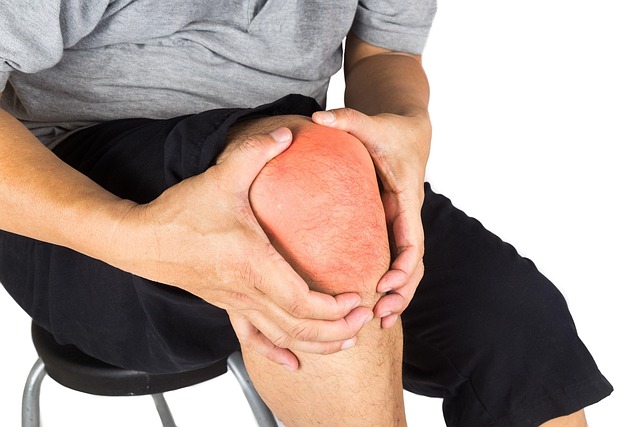
If you’re dealing with persistent discomfort, you’ve likely asked yourself how long it will take to feel real relief. When it comes to chronic knee pain and foot alignment, orthotics are often recommended as a non-invasive solution—but they’re not an instant fix. Instead, they work gradually by correcting the underlying biomechanical issues that contribute to knee stress, inflammation, and improper joint movement. This means that rather than simply masking pain, orthotics help retrain how your body moves, creating a more stable and efficient foundation from the ground up.
Because your body needs time to adapt to improved alignment, the results from orthotics typically develop over days, weeks, and sometimes months. Your muscles, ligaments, and joints must adjust to new positioning, which can initially feel unfamiliar. The exact timeline depends on factors such as the severity of your condition, how long you’ve had chronic knee pain, your daily activity level, and whether you combine orthotics with other treatments like physical therapy, stretching, or strengthening exercises. Understanding this process is essential for setting realistic expectations and staying consistent, which ultimately leads to better long-term outcomes.
Key Takeaways: Chronic Knee Pain And Foot Alignment
- Orthotics are a proven, non-invasive solution for addressing chronic knee pain and foot alignment issues by correcting biomechanical imbalances, improving gait mechanics, and reducing excessive stress placed on the knee joint over time rather than delivering immediate results.
- The timeline for orthotics to improve chronic knee pain varies widely, with some individuals experiencing early relief within days while others may require several weeks or months to see measurable improvements in pain reduction, mobility, and joint stability.
- Proper foot alignment is critical for knee health, and orthotics help stabilize the foot, control overpronation or supination, and promote better lower body alignment that directly influences knee tracking and load distribution.
- Consistent daily use of orthotics—paired with supportive footwear, physical therapy, and targeted strengthening exercises—can significantly accelerate recovery and improve long-term outcomes for individuals dealing with chronic knee pain.
- Temporary discomfort during the initial adjustment phase is normal and often indicates that your body is adapting to corrected alignment, which is necessary for long-term pain relief and improved biomechanics.
- Chronic knee pain linked to flat feet, high arches, or abnormal gait patterns responds particularly well to properly fitted orthotics that provide customized support and alignment correction.
- Professional evaluation through gait analysis and biomechanical assessment ensures that orthotics are tailored to your specific needs, maximizing their effectiveness in relieving chronic knee pain and restoring proper alignment.
Why Chronic Knee Pain And Foot Alignment Are Closely Connected
Chronic knee pain is frequently the result of underlying alignment issues that begin in the feet. Your feet are the first point of contact with the ground, and they play a critical role in absorbing shock and distributing weight. When your foot alignment is off, even slightly, it disrupts the way force travels through your body. This creates a chain reaction that places additional stress on your knees, often leading to inflammation, discomfort, and long-term joint problems.
The Role Of The Kinetic Chain
The concept of the kinetic chain explains how different parts of your body work together during movement. When your feet are not properly aligned, your ankles and lower legs compensate to maintain balance. This compensation changes how your knees move and bear weight, often causing them to track improperly. Over time, this leads to increased wear and tear on the joint, contributing to chronic knee pain.
Common Alignment Issues That Affect The Knees
Several common foot conditions can disrupt alignment and contribute to knee pain. Overpronation causes the foot to roll inward excessively, while supination causes it to roll outward. Flat feet lack proper arch support, and high arches reduce shock absorption. Each of these issues alters how force is distributed, increasing stress on the knees and surrounding structures.
How Orthotics Begin To Improve Knee Pain
Orthotics are designed to address the root causes of knee pain by improving how your feet function. This process is gradual, as your body must adapt to the corrected alignment and new movement patterns.
Immediate Changes In Support
From the moment you start wearing orthotics, your feet receive enhanced support and stability. This can make standing and walking feel more balanced, even if pain relief is not immediate. The improved foundation helps reduce unnecessary strain on your knees right away.
Gradual Correction Of Movement Patterns
As you continue using orthotics, your body begins to adjust to better alignment. Your gait becomes more efficient, and the abnormal stress placed on your knees is gradually reduced. This retraining process is essential for achieving long-term improvements.
Long-Term Joint Protection
Over time, consistent use of orthotics helps protect your knee joints from further damage. By maintaining proper alignment and reducing repetitive stress, orthotics support healing and prevent the progression of chronic conditions.
Timeline: How Long It Takes For Orthotics To Work
The timeline for improvement varies depending on individual factors, but most people experience progress in stages as their body adapts.
First Few Days: Adjustment Phase
During the initial phase, you may feel increased awareness in your feet or mild discomfort as your body adjusts to the new support. This is completely normal and typically temporary. It’s important to gradually increase wear time to allow your body to adapt comfortably.
1–3 Weeks: Early Improvements
Within a few weeks, many individuals begin to notice subtle changes. These may include reduced foot fatigue, improved stability, and slight decreases in knee pain during daily activities. While progress may be gradual, these early signs indicate that your body is adapting.
4–8 Weeks: Noticeable Pain Relief
By this stage, improved alignment and movement patterns often lead to more consistent pain relief. Activities that once caused discomfort may become easier, and overall mobility typically improves.
2–3 Months And Beyond: Long-Term Results
With continued use, orthotics can provide lasting relief and improved joint function. At this point, your body has adapted to proper alignment, resulting in more efficient movement and reduced stress on the knees.
Factors That Affect How Quickly You See Results
Several factors influence how quickly orthotics can improve chronic knee pain, and understanding these can help you manage expectations.
Severity Of Chronic Knee Pain
More severe or long-standing conditions often take longer to improve, as the body needs time to heal from prolonged stress and inflammation.
Consistency Of Use
Wearing orthotics regularly is one of the most important factors in achieving results. Inconsistent use can delay progress and limit the benefits.
Footwear And Lifestyle
Supportive footwear enhances the effectiveness of orthotics, while poor-quality shoes can reduce their impact. Additionally, high-impact activities or long periods of standing may influence recovery time.

Breaking In Orthotics: What To Expect During The Adjustment Period
Before you experience full benefits, your body must go through an adjustment phase. This “break-in” period is a normal and important part of adapting to improved foot alignment.
Gradual Wear Time Is Key
Most professionals recommend starting with just a few hours per day and gradually increasing wear time. This allows your muscles and joints to adapt without becoming overly strained.
Temporary Discomfort Is Normal
You may feel mild soreness in your feet, ankles, or even knees during the first week or two. This is a sign that your body is adjusting to a new alignment and activating muscles that may not have been used properly before.
When Discomfort Isn’t Normal
Sharp pain, persistent discomfort, or worsening symptoms may indicate that your orthotics need adjustment. In such cases, it’s important to consult a specialist to ensure proper fit and function.
Custom Vs Over-The-Counter Orthotics: Does It Affect Results?
The type of orthotics you choose can influence how quickly and effectively they relieve chronic knee pain and improve foot alignment.
Custom Orthotics For Targeted Support
Custom orthotics are designed specifically for your foot structure, gait, and condition. Because they are tailored to your needs, they often provide more precise correction and may lead to faster, more noticeable improvements—especially for complex or severe cases.
Over-The-Counter Options For Mild Conditions
High-quality over-the-counter orthotics can still be effective for individuals with mild to moderate alignment issues. While they may not offer the same level of customization, they can provide adequate support and relief when used consistently.
Choosing The Right Option
The best choice depends on your specific condition, budget, and level of discomfort. Consulting a professional can help you determine which type of orthotic will deliver the best results for your situation.
Maximizing Results With Orthotics
To achieve the best results, orthotics should be part of a comprehensive approach to improving knee health.
Combine With Physical Therapy
Physical therapy helps strengthen the muscles that support your knees, improving stability and reducing strain. This works in combination with orthotics to accelerate recovery.
Maintain Proper Footwear
Wearing shoes with good arch support, cushioning, and stability ensures that your orthotics function effectively and provide maximum benefit.
Stay Active But Mindful
Engaging in low-impact activities helps maintain mobility without placing excessive stress on your knees. Being mindful of posture and movement patterns also supports recovery.
Signs Your Orthotics Are Working
As your body adapts, you’ll begin to notice improvements that indicate your orthotics are effective.
Reduced Pain During Activity
One of the earliest signs is a decrease in discomfort during everyday movements such as walking or standing.
Improved Balance And Stability
Better alignment leads to more stable and controlled movement, reducing the risk of further injury.
Less Foot Fatigue
As your feet become properly supported, you’ll likely experience less fatigue, which often correlates with reduced knee strain.
Conclusion: Patience And Consistency Lead To Lasting Relief
Improving chronic knee pain and foot alignment with orthotics is a gradual process that requires patience and consistency. While some individuals may notice early improvements within a few weeks, meaningful and lasting relief typically develops over several months as the body adapts to corrected alignment and improved movement patterns. Orthotics address the root cause of knee pain, making them a powerful tool for long-term recovery rather than a quick fix.
For optimal results, orthotics should be used alongside supportive footwear, strengthening exercises, and professional guidance when needed. This comprehensive approach not only enhances effectiveness but also helps prevent future issues. By committing to consistent use and giving your body the time it needs to adjust, you can significantly reduce chronic knee pain, improve mobility, and support overall joint health.
Frequently Asked Questions About Chronic Knee Pain And Foot Alignment
1. How Quickly Can Orthotics Relieve Chronic Knee Pain?
Some individuals notice mild improvements within a few days, but most experience noticeable relief within 2–8 weeks, depending on the severity of their condition and consistency of use.
2. Is It Normal To Feel Discomfort When Starting Orthotics?
Yes, mild discomfort is common during the adjustment phase as your body adapts to improved alignment.
3. Can Orthotics Completely Eliminate Chronic Knee Pain?
They can significantly reduce or eliminate pain caused by alignment issues, but results vary depending on the underlying cause.
4. Do Custom Orthotics Work Faster Than Over-The-Counter Options?
Custom orthotics are typically more effective for complex issues, but high-quality over-the-counter inserts can still provide relief for mild conditions.
5. Should I Wear Orthotics All Day?
It’s best to gradually increase wear time until you can comfortably use them throughout the day.
6. Can I Exercise While Wearing Orthotics?
Yes, orthotics can improve stability and reduce pain during physical activity.
7. When Should I Consult A Specialist?
If your knee pain does not improve after several weeks of consistent orthotic use, it’s advisable to seek professional evaluation.
Find Real Relief From Chronic Knee Pain By Fixing Your Foot Alignment
Chronic knee pain has a way of creeping into everything. Walking, working, even just getting through the day can start to feel like a chore. What most people don’t realize is this: your knees might not be the real problem. When your feet are out of alignment, every step sends extra stress up into your knees, and over time, that adds up to pain that won’t go away.
At The Shoe Doctor, we take a different approach. Instead of chasing symptoms, we look at how your body moves from the ground up. Using advanced 3D foot-mapping technology, we pinpoint exactly where your alignment is breaking down, how your gait is affecting your knees, and where pressure is building with every step.
From there, we create custom orthotics designed specifically for your feet and your movement. The goal is simple: restore proper alignment, reduce strain on your knees, and help your body move the way it was meant to. When your foundation is right, everything above it starts to improve.
With over 20 years of experience, Russell has helped countless people get out of chronic pain and back to living normally again. Working alongside Spine and Injury Medical Center, we also look at posture and full-body mechanics so your results last, not just for now, but long term.
If knee pain has been limiting you, don’t settle for temporary fixes. Get to the source of the problem and finally feel the difference. Book your free consultation today and take the first step toward moving better, feeling stronger, and living without constant knee pain.
Disclaimer
The materials available on this website are for informational and entertainment purposes only and are not intended to provide medical advice. You should contact your doctor for advice concerning any particular issue or problem. You should not act or refrain from acting based on any content included in this site without seeking medical or other professional advice. The information presented on this website may not reflect the most current medical developments. No action should be taken in reliance on the information contained on this website, and we disclaim all liability for actions taken or not taken based on any or all of the contents of this site to the fullest extent permitted by law.