
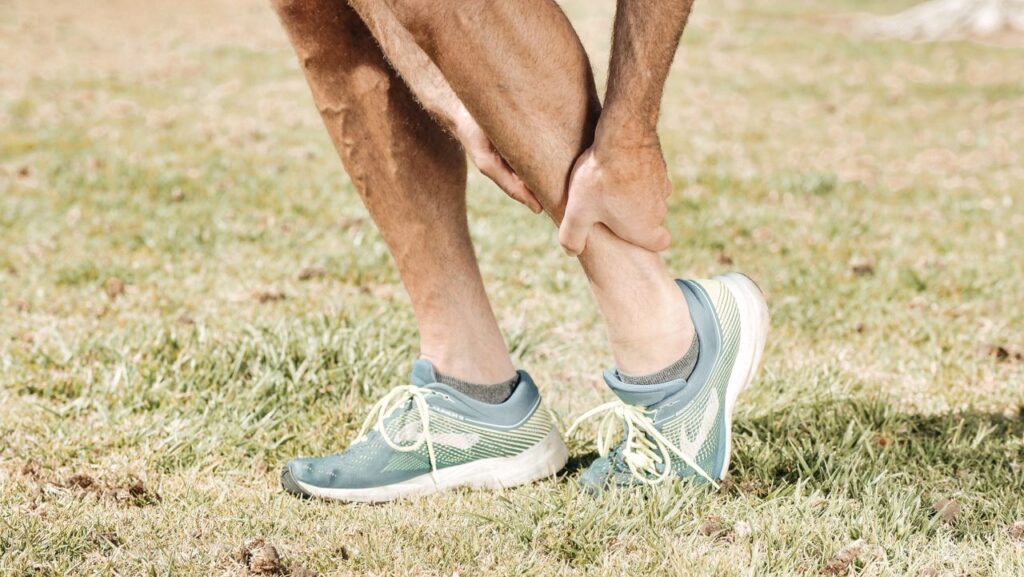
Foot alignment problems can contribute to plantar fasciitis, but they are rarely the only reason the condition develops. Plantar fasciitis is usually a load-related problem influenced by several interacting factors, including foot structure, joint mobility, muscle strength, footwear, activity level, work demands, body weight, recovery, and sudden changes in exercise.
The plantar fascia is a strong band of connective tissue that runs along the bottom of the foot. It begins near the heel bone and extends toward the toes, helping support the arch and stabilize the foot during walking and running. Every time the foot accepts body weight, the plantar fascia helps manage tension and transfer force.
When the foot moves in a way that repeatedly places more stress on the plantar fascia than it can tolerate, the tissue may become irritated. Certain alignment patterns can influence where pressure travels, how the arch changes under load, and how efficiently the foot absorbs and releases energy. For example, a very flexible flat foot may place the fascia under repeated tension, while a high, rigid arch may concentrate pressure under the heel and reduce shock absorption.
However, having flat feet, high arches, pronation, or another alignment difference does not guarantee that a person will develop plantar fasciitis. Many people have these characteristics without pain. Likewise, some people with apparently neutral foot alignment still develop plantar fasciitis after increasing their activity too quickly, wearing unsuitable shoes, standing for long hours, or losing ankle flexibility.
The important question is not simply whether a foot looks perfectly aligned. Instead, a useful evaluation considers how the foot moves, whether the movement causes symptoms, what activities load the tissue, and whether the entire lower limb is functioning effectively.
This article explains how foot alignment may contribute to plantar fasciitis, which alignment patterns are commonly associated with heel pain, how healthcare professionals evaluate foot mechanics, and what treatment options may help.
Key Takeaways
- Foot alignment problems can contribute to plantar fasciitis by changing how pressure and tension move through the foot.
- Flat feet, high arches, excessive or prolonged pronation, limited ankle mobility, and certain walking patterns may increase plantar fascia stress in some people.
- Pronation is a normal and necessary movement. It becomes clinically relevant only when its amount, timing, or interaction with other factors contributes to symptoms.
- Foot alignment is only one possible factor. Training errors, prolonged standing, tight calf muscles, inadequate recovery, unsuitable footwear, and reduced tissue capacity may also contribute.
- A person can have visibly imperfect foot alignment without pain, so appearance alone should not determine treatment.
- Treatment may include supportive footwear, orthotics, stretching, strengthening, activity modification, and gradual reloading.
- Orthotics can help manage forces, but they do not permanently “correct” every alignment difference.
- Persistent or unusual heel pain should be professionally assessed because not all heel pain is plantar fasciitis.
What Does Foot Alignment Mean?
Foot alignment describes how the bones, joints, arches, and soft tissues are positioned and how they interact during standing and movement.
Alignment can be assessed while a person is sitting, standing, walking, running, or performing a functional movement. A foot may appear relatively neutral without weight on it but change considerably when body weight is applied.
Healthcare professionals may examine:
- Arch height
- Heel position
- Ankle mobility
- Forefoot alignment
- Toe function
- Foot flexibility
- Pronation and supination
- Weight distribution
- Shoe-wear patterns
- Walking or running mechanics
- Alignment of the knees, hips, and lower legs
Foot alignment is not limited to whether someone has flat feet. It includes the way the entire foot and lower limb respond to load.
Static Alignment Versus Dynamic Movement
Static alignment refers to how the feet look while a person is standing still. Dynamic alignment refers to what happens while walking, running, squatting, climbing stairs, or performing another movement.
This distinction is important because a foot that looks flat while standing may function efficiently during movement. Conversely, an apparently neutral foot may move in a way that increases plantar fascia stress.
A complete assessment should not rely only on a footprint, wet-foot test, or photograph of the arch. These methods may provide limited information about shape but do not fully explain how the foot functions.
How Can Foot Alignment Contribute to Plantar Fasciitis?
Foot alignment can change how the plantar fascia is loaded. It may influence arch movement, pressure distribution, shock absorption, and the timing of movement throughout the walking cycle.
Changes in Arch Length and Shape
When the foot bears weight, the arch naturally lowers slightly. This controlled movement helps absorb force. As the arch lowers, the distance between the heel and forefoot can increase, placing tension on the plantar fascia.
If the arch changes excessively or remains lowered for too long, the plantar fascia may experience increased repetitive tension. Over thousands of daily steps, even a modest increase in strain may become significant.
The opposite pattern can also cause problems. A very high or rigid arch may not lower enough to distribute impact effectively. This can concentrate force beneath the heel and forefoot.
Uneven Pressure Distribution
Alignment affects where the foot contacts the ground and which areas receive the greatest pressure.
A flexible foot may shift more pressure toward its inner edge. A rigid high-arched foot may concentrate pressure along the heel, outside border, and forefoot. Either pattern can contribute to discomfort if the plantar fascia and surrounding tissues cannot tolerate the repeated load.
Altered Shock Absorption
Pronation helps the foot adapt to the ground and absorb force. Supination helps it become more stable for push-off. The foot needs both movements at appropriate times.
If the foot is excessively rigid, shock may not be absorbed efficiently. If it remains excessively flexible during push-off, it may not create a sufficiently stable lever. Both situations can increase the workload placed on muscles and connective tissues.
Compensations Elsewhere in the Lower Limb
The foot does not function independently of the ankle, knee, hip, and pelvis. Restricted motion or reduced strength in one area can create compensation elsewhere.
For example, limited ankle mobility may cause the foot to roll inward more to allow the body to move over it. Weakness around the hip may affect the position of the leg during walking or running. These changes can alter plantar fascia loading even when the foot itself has no obvious structural abnormality.
Can Flat Feet Cause Plantar Fasciitis?
Flat feet are often associated with plantar fasciitis, but the relationship is more complicated than it may initially seem.
A flat foot has a low medial arch. In some people, the arch is structurally low but stable. In others, it is flexible and lowers substantially when weight is applied.
People with very flat feet may be more prone to plantar fasciitis. However, high arches can also be a risk factor, demonstrating that no single arch type explains every case.
How Flexible Flat Feet May Increase Strain
When a flexible arch lowers under load, the plantar fascia may lengthen and experience tension. If this happens excessively or repeatedly, the tissue may become overloaded.
The amount of arch movement is only part of the equation. The speed of movement, the duration of loading, footwear, muscle control, and total activity volume also matter.
A person with flexible flat feet may remain completely comfortable until something changes, such as:
- Starting a new exercise program
- Increasing running distance
- Gaining weight
- Changing jobs
- Wearing less supportive shoes
- Spending more time barefoot
- Developing calf tightness
- Returning to activity after a period of rest
The alignment characteristic may create susceptibility, while the change in loading triggers symptoms.
Flat Feet Do Not Always Require Correction
A low arch is not automatically abnormal or unhealthy. Many people with flat feet walk, run, and work without pain.
Treatment should be based on symptoms and function rather than appearance alone. Attempting to force every flat foot into a higher arch may cause unnecessary discomfort.
Can High Arches Cause Plantar Fasciitis?
High arches can also contribute to plantar fasciitis. A high-arched foot is often less flexible and may not distribute pressure as evenly as a more adaptable foot.
Reduced Shock Absorption
A rigid high arch may absorb less impact through controlled arch motion. As a result, more force can be concentrated beneath the heel and forefoot.
The plantar fascia may remain under greater baseline tension because of the shape of the foot. Repeated impact from walking or running can then irritate the tissue near the heel.
Pressure Concentration
People with high arches may notice calluses or wear patterns beneath the heel, forefoot, or outside edge of the shoe. These patterns can suggest that pressure is being concentrated in limited areas.
Cushioning, an appropriately contoured insole, and footwear with good shock absorption may help distribute pressure. However, an extremely firm orthotic may be uncomfortable for a rigid foot. The device should be selected according to individual needs.
Associated Tightness
High arches may be associated with tight calf muscles or reduced ankle mobility in some individuals. These restrictions can further increase the forces passing through the foot.
The solution is not always to push the arch downward or attempt to reshape the foot. Treatment may focus on cushioning, mobility, strength, and better pressure distribution.

Does Overpronation Cause Plantar Fasciitis?
Pronation is frequently blamed for foot pain, but it is a normal part of walking and running. During pronation, the foot rolls inward, the arch lowers, and the foot becomes more flexible. This helps the body adapt to the ground and absorb force.
The issue is not whether pronation occurs. It is whether the amount, speed, or timing of the movement contributes to plantar fascia overload in a particular person.
When Pronation May Become Relevant
Pronation may be clinically relevant when:
- The arch lowers substantially under weight
- The heel rolls inward considerably
- The foot remains flexible when it should become stable for push-off
- The movement is associated with heel pain
- One foot behaves very differently from the other
- The pattern appears after an injury or loss of strength
- Support or taping produces meaningful symptom relief
Even in these situations, pronation is only one part of the assessment.
Why Visual Observation Is Not Enough
Someone may appear to overpronate but have no symptoms. Another person may show only mild pronation yet experience pain due to high activity loads, poor recovery, or limited ankle movement.
Treatment should not be based solely on the idea that inward rolling is harmful. The goal is to identify whether modifying a specific movement improves symptoms and function.
Can Supination Contribute to Plantar Fasciitis?
Supination describes movement in the opposite direction, when the foot rolls outward and becomes more rigid. Like pronunciation, it is a normal part of walking.
A person whose foot remains relatively supinated may place more pressure on the heel and outside edge of the foot. A rigid pattern can reduce shock absorption and concentrate loading.
Signs sometimes associated with a supinated pattern include:
- A high arch
- Wear along the outside edge of the shoe
- Calluses under the heel or outer forefoot
- Difficulty adapting to uneven surfaces
- Recurrent ankle sprains
- Limited inward foot movement
These signs do not prove that supination caused plantar fasciitis. A professional must consider the entire movement pattern and symptom history.
How Can Ankle Alignment and Mobility Affect the Plantar Fascia?
The ankle must bend upward as the body travels over the foot during walking. This motion is called dorsiflexion.
When dorsiflexion is limited, the body must find another way to move forward. The heel may lift early, the foot may turn outward, the arch may lower more, or the stride may change.
Each compensation can affect plantar fascia loading.
Tight Calf Muscles
The calf muscles connect to the heel through the Achilles tendon. Tightness in this system may restrict ankle movement and increase stress on structures beneath the foot.
Tight calf muscles that limit upward ankle movement may contribute to plantar fasciitis. Calf and plantar-fascia stretching are also commonly included in conservative treatment plans.
Calf stretching may be particularly helpful when ankle restriction is present, but stretches should be controlled and should not produce sharp pain.
Achilles Tendon Tension
The Achilles tendon and plantar fascia are separate structures, but they both attach around the heel and are mechanically connected through the rearfoot.
Increased tension in the calf-Achilles system may influence plantar fascia stress. This helps explain why calf flexibility is often evaluated during plantar fasciitis treatment.
Can Toe Alignment Affect Plantar Fasciitis?
The toes, especially the big toe, contribute to normal arch function during push-off.
As the big toe bends upward, it helps tighten the plantar fascia and raise the arch. If the big toe has limited motion, the foot may compensate by turning outward, rolling differently, or shifting pressure to another area.
Limited Big-Toe Mobility
Restricted motion at the big-toe joint may result from arthritis, previous injury, joint stiffness, or structural alignment. This limitation can interfere with the normal push-off phase.
Possible compensations include:
- Rolling over the inside edge of the big toe
- Shifting weight to the smaller toes
- Turning the foot outward
- Lifting the heel early
- Shortening the stride
These changes may affect plantar fascia loading.
Bunions and Toe Deformities
A bunion changes the alignment of the big-toe joint. Hammer toes and other deformities may also influence pressure distribution.
These conditions do not automatically cause plantar fasciitis, but they may form part of a larger mechanical pattern. Treatment should consider footwear width, toe mobility, strength, and the way the individual walks.
Can Leg-Length Differences Cause Plantar Fasciitis?
A measurable or functional leg-length difference can alter the way each foot contacts the ground. One side may experience increased impact, prolonged loading, or compensatory pronation.
However, small differences are common and frequently cause no symptoms. A simple observation that one hip or leg appears higher is not enough to justify a heel lift.
Leg-length assessment can be complex because pelvic position, joint mobility, muscle tightness, and spinal alignment can create the appearance of a difference even when bone lengths are similar.
Adding a lift without an appropriate evaluation may create new symptoms. A professional assessment is advisable when a significant difference is suspected.
Can Knee and Hip Alignment Affect the Feet?
The position and movement of the knee and hip influence the direction in which the leg travels over the foot.
For example, inward movement of the knee may be accompanied by inward rotation of the lower leg and increased foot pronation. Reduced hip strength or control may contribute to this pattern during running, squatting, or stair climbing.
That does not mean every person with plantar fasciitis needs to “correct” their knees or hips. It means that treatment may need to extend beyond the painful area when movement elsewhere is contributing to the load.
A rehabilitation program may include:
- Hip strengthening
- Calf strengthening
- Balance exercises
- Foot-muscle exercises
- Walking or running retraining
- Ankle-mobility work
- Gradual exposure to impact
The most useful exercises depend on the individual assessment.
Foot Alignment Is Usually Only One Part of the Problem
It is tempting to search for a single cause of plantar fasciitis. In reality, the condition frequently develops when several risk factors combine.
Sudden Increases in Activity
A foot may tolerate a certain amount of walking or running without difficulty. If the workload suddenly increases, the plantar fascia may not have enough time to adapt.
Common examples include:
- Starting a running program
- Increasing mileage quickly
- Adding hills or speed training
- Returning to exercise after a break
- Taking a vacation involving extensive walking
- Beginning a job that requires prolonged standing
- Increasing sports practices or competitions
In these situations, alignment may influence how the load is distributed, but the sudden workload change may be the more immediate trigger.
Prolonged Standing on Hard Surfaces
Standing or walking for hours on concrete or tile can expose the foot to repetitive loading. Symptoms may appear when occupational demand exceeds tissue capacity.
Supportive footwear, cushioned flooring, movement breaks, and task rotation may help.
Unsuitable or Worn-Out Footwear
Shoes influence stability, cushioning, toe movement, and pressure distribution. A poorly fitting shoe can magnify an existing mechanical issue.
Potential concerns include:
- Compressed cushioning
- Excessive flexibility
- A narrow toe box
- Poor heel stability
- Uneven sole wear
- An inappropriate shoe for the activity
- A sudden transition to minimally supportive footwear
Footwear does not have to be extremely rigid, but it should fit properly and match the intended activity.
Reduced Strength
The muscles of the foot, ankle, and lower leg help control motion and absorb force. When these muscles fatigue or lack sufficient capacity, passive tissues such as the plantar fascia may experience greater load.
This is why long-term treatment often includes progressive strengthening rather than relying only on stretching and support.
Inadequate Recovery
Repeated loading without adequate recovery can prevent irritated tissue from settling. Poor sleep, closely spaced workouts, long work shifts, and attempts to push through pain may contribute.
Recovery does not always require complete rest. It often means temporarily reducing aggravating activity and gradually rebuilding tolerance.
How Are Foot Alignment Problems Evaluated?
A clinician may begin by asking about symptoms, daily activities, work requirements, exercise, footwear, and recent changes in routine.
Medical and Activity History
Useful questions may include:
- When did the pain begin?
- Was there a recent increase in activity?
- Is pain worse in the morning?
- What type of work do you perform?
- Which shoes do you wear most often?
- Have you had previous foot or ankle injuries?
- Is the pain present in one foot or both?
- Do you have numbness, burning, or tingling?
- What makes the pain better or worse?
This history often provides more useful information than arch shape alone.
Physical Examination
The examination may include:
- Locating the area of tenderness
- Assessing arch height while sitting and standing
- Observing heel alignment
- Testing ankle and big-toe mobility
- Evaluating calf flexibility
- Checking foot and lower-leg strength
- Examining balance
- Looking for swelling or skin changes
- Observing a squat, heel raise, walk, or run
- Comparing the two sides
The clinician may also inspect footwear for wear patterns and fit.
Gait Analysis
Gait analysis can range from simple clinical observation to video recording or specialized pressure measurement.
The purpose is not to identify every deviation from an imagined perfect walking style. It is to determine whether a movement pattern plausibly contributes to symptoms and whether modifying it improves comfort or function.
Are Imaging Tests Necessary?
Plantar fasciitis is often diagnosed through history and physical examination. Imaging may be considered when symptoms are unusual, severe, persistent, or suggest another condition.
An X-ray may help evaluate bone-related concerns, while ultrasound or MRI may be used in selected cases. Imaging findings should be interpreted with symptoms because structural changes do not always correlate directly with pain.
Do Orthotics Permanently Fix Foot Alignment?
Orthotics generally modify how forces act on the foot while the devices are being worn. They do not usually rebuild the bones or permanently convert a flat or high-arched adult foot into a neutral one.
That does not make them ineffective. Glasses do not permanently change the eyes, yet they can improve function while worn. Similarly, an orthotic can reduce symptoms and improve pressure distribution without permanently changing anatomy.
The important measure is whether the device:
- Reduces heel pain
- Improves walking tolerance
- Fits comfortably
- Works with the person’s shoes
- Supports rehabilitation
- Does not cause new symptoms
Orthotics should not replace strengthening, mobility work, or appropriate load management when those measures are needed.
Can Foot Alignment Be Corrected With Exercise?
Exercise may improve strength, control, endurance, and movement options. It may also help the foot respond more effectively to load.
However, exercise does not necessarily change a person’s underlying bone structure or permanently raise a structurally low arch. Promising to “rebuild” every arch through exercise alone oversimplifies the issue.
A more realistic goal is to improve function. This might involve:
- Better calf strength
- Greater ankle mobility
- Improved balance
- More controlled foot motion
- Increased tolerance for walking
- Better hip and knee control
- Reduced pain during daily activity
Structural alignment and functional capacity are related but not identical.
Common Myths About Alignment and Plantar Fasciitis
All Flat Feet Cause Plantar Fasciitis
Many people with flat feet never develop heel pain. Flat feet may contribute in some cases, particularly when combined with excessive loading or limited strength, but they are not automatically a problem.
Pronation Is Always Harmful
Pronation is a normal shock-absorbing movement. The amount and timing may matter in an individual case, but eliminating pronation is neither possible nor desirable.
Heel Pain Means the Foot Is Out of Place
Plantar fasciitis is generally an overload condition, not evidence that the foot has slipped out of position. Claims that a simple manipulation can permanently “realign” the foot should be viewed cautiously.
The Firmest Orthotic Provides the Best Correction
An excessively firm or high device can cause pressure, pain, and poor adherence. The right orthotic balances support, fit, cushioning, and comfort.
Alignment Is the Only Issue That Needs Treatment
Even when alignment contributes, activity load, footwear, mobility, strength, and recovery may require attention. Treating only the arch may produce incomplete or temporary relief.
Conclusion
Foot alignment problems can contribute to plantar fasciitis by changing how the arch moves, how pressure is distributed, and how the plantar fascia is loaded during standing, walking, or running. Flexible flat feet, high or rigid arches, prolonged pronation, restricted ankle movement, limited big-toe mobility, and lower-limb compensations may all be relevant in certain individuals.
However, alignment is rarely the complete explanation. Many people with flat feet, high arches, or noticeable pronation never experience plantar fasciitis. The condition more often develops when a structural or movement characteristic is combined with excessive activity, unsuitable footwear, limited mobility, reduced strength, prolonged standing, or inadequate recovery.
Effective treatment should focus on the person rather than an idealized version of perfect alignment. Supportive footwear, over-the-counter or custom orthotics, taping, stretching, strengthening, and activity modification may all help. The appropriate combination depends on symptoms, movement, daily demands, and treatment response.
The purpose of treatment is not always to change how the foot looks. It is to reduce painful loading, improve function, rebuild tissue capacity, and help the person return safely to normal activity.
Frequently Asked Questions
Can misaligned feet cause plantar fasciitis?
Foot alignment can contribute to plantar fasciitis by changing plantar fascia tension and pressure distribution. However, it is usually one factor among several rather than the only cause.
Are flat feet the main cause of plantar fasciitis?
No. Flat feet may increase susceptibility in some people, but many individuals with low arches never develop heel pain. Activity changes, calf tightness, prolonged standing, footwear, and recovery also matter.
Can high arches cause plantar fasciitis?
Yes. A high, rigid arch may absorb force less effectively and concentrate pressure under the heel. People with high arches may benefit from cushioning, appropriate arch support, mobility work, and progressive strengthening.
Does overpronation always cause heel pain?
No. Pronation is a normal movement that helps absorb force. It may contribute to symptoms when its amount or timing increases tissue stress, but many people who pronate significantly remain pain-free.
How do I know whether I overpronate?
Shoe wear, arch movement, and heel position may provide clues, but they do not provide a complete diagnosis. A clinician can observe how your foot moves during standing, walking, and functional tasks.
Can supination contribute to plantar fasciitis?
A relatively rigid or supinated foot may concentrate pressure beneath the heel and reduce shock absorption. This can contribute to plantar fascia stress, particularly during high-impact activity.
Can poor ankle alignment cause plantar fasciitis?
Ankle position and mobility can affect foot mechanics. Limited upward ankle motion may cause compensations that increase stress beneath the foot. Calf tightness is a common factor considered during assessment.
Can knee or hip problems affect plantar fasciitis?
Yes. Hip and knee movement can influence the direction of force through the lower leg and foot. When these areas contribute to an inefficient movement pattern, rehabilitation may include exercises above the ankle.
Can orthotics correct foot alignment?
Orthotics can modify pressure and movement while they are worn. They do not normally change adult bone structure permanently, but they may reduce symptoms and make standing or walking more comfortable.
Do I need custom orthotics?
Not necessarily. Many people do well with supportive shoes and appropriately fitted store-bought inserts. Custom orthotics may be considered when symptoms persist or more complex foot mechanics require individualized modifications.
Can wearing the wrong arch support worsen plantar fasciitis?
Yes. A support that is too high, rigid, narrow, or poorly positioned can create pressure and change walking mechanics. Stop using it if it causes sharp pain, numbness, blistering, or steadily worsening symptoms.
Can exercises correct flat feet?
Exercises may improve foot strength, control, and endurance, but they may not permanently change a structurally low arch. Improved function and reduced symptoms are more realistic goals than achieving a visually perfect arch.
Should I try to stop my feet from pronating?
No. Pronation is a normal part of movement. Treatment may sometimes moderate excessive or poorly timed motion, but attempting to eliminate pronation completely can interfere with normal shock absorption.
Can changing my walking style treat plantar fasciitis?
Gait changes may help selected individuals, but they should be introduced carefully. Forcing an unnatural walking pattern without guidance can shift stress elsewhere. A physical therapist or qualified clinician can determine whether gait retraining is appropriate.
Can a leg-length difference cause heel pain?
A significant leg-length difference may affect loading, but small differences are common and often harmless. Do not add a heel lift based only on appearance; an accurate assessment is needed.