Key Takeaways
- They work by correcting faulty foot alignment to reduce abnormal forces traveling up the leg and lower the mechanical load on your knee joint, thereby preventing or reducing knee pain and osteoarthritis progression.
- Orthotics offload stressed knee compartments and reduce focal joint irritation from walking and standing by redistributing pressure across the foot and using targeted wedges or support.
- Additional cushioning and shock-absorbing materials in orthotics dampen impact forces, shielding knee cartilage and soft tissues from repetitive microtrauma and reducing pain during activity.
- Custom orthotics alter your gait and limit abnormal foot and lower-leg rotation. This makes your movements more efficient and eliminates compensatory knee stresses that fuel chronic symptoms.
- A proper biomechanical assessment, including gait analysis, foot structure evaluation, and joint testing, is essential to design effective custom orthotics and to track improvements in pain and function.
- With sustained use, custom orthotics support long-term alignment and stability improvements that can lower inflammation, minimize injury potential to adjacent joints, and enhance mobility and quality of life.
How can custom orthotics minimize stress to the knee joint? Custom orthotics are shoe inserts custom-tailored to your feet and gait, and they decrease knee load by modifying how force is transmitted up your leg. Custom orthotics reduce knee joint stress by realigning the foot to shift pressure away from overloaded knee compartments and reduce peak joint moments during walking or running. You gain measurable benefits: lower medial knee contact force, reduced pain scores in trials, and steadier gait patterns on force-plate testing. To clinicians and engineers, orthotic design variables such as arch height, posting angle, and material stiffness are important for knee load outcomes. The remainder of this post describes practical fitting decisions, easy evaluation techniques, and research-backed design adjustments you can employ.
The Foot-Knee Connection
The foot and knee are a mechanical chain that propels you and carries your body weight. Bones, joints, and soft tissue from the foot to the tibia to the femur work in sequence, so forces flow without interruption. When your foot isn’t working properly, those forces shift, and the knee absorbs additional load. That shifted load increases strain on cartilage, ligaments, and the patellofemoral joint, raising the risk of pain and degenerative breakdown like knee osteoarthritis.
Overpronation is a prime example of how foot mechanics can impact knee function. If your foot over-pronates during stance, the tibia follows and rotates inward with it. This inward tibial rotation causes the kneecap to shift from its optimal path, increasing compression on the lateral and medial surfaces of the joint. Repeatedly loading the knee this way creates joint pain and, over the years, can accelerate degenerative change. Ironically, the same is true if you have high arches; a super stiff arch is less effective in shock absorption, causing impact forces to conduct upward and increase peak loads at the knee while ambulating and jogging.
Consider the foot to be your base. If the foundation leans, the walls above lean. Bad feet can lead to poor alignment, changes in posture, and leg alignment. An abducted or adducted knee, increased valgus stress, or altered hip motion all emanate from the foot. Foot abnormalities, such as flat feet or certain foot conditions, can significantly alter how ground reaction forces course through the limb. These changes are measurable. A comprehensive pain assessment through gait analysis and careful observation allows you to see timing, range, and rotation differences that point to a foot-origin problem and guide treatment.
Orthotics, particularly custom orthotic devices, work by reshaping contact and controlling motion at the foot so the chain functions more in line with its natural template. A good pair of orthopedic insoles restricts over-roll, reduces tibial internal rotation, and therefore realigns the tracking of the kneecap. Evidence supports this: prefabricated anti-pronation orthoses can improve lower-limb alignment during tasks like step-ups. In a laboratory study of 18 participants, these orthoses decreased peak hip adduction by 1.56 degrees and knee internal rotation by 1.3 degrees, which are minor angular adjustments that result in significant decreases in joint stress over thousands of cycles of loading.
Custom orthotics take it a step further by mimicking your unique foot structure, load pattern, and gait. If fitted correctly, they redistribute plantar pressures, control unwanted motion, and reduce knee moments. Clinical reports show a 70 to 90 percent success rate in reducing knee pain with properly fitted custom devices. Expect adaptation time: orthotics can feel odd at first, and it may take several weeks to see consistent improvement. Occasional reevaluation, however, is crucial—your activity, weight, or shoe changes can shift how effectively an orthotic works.
Practical steps: Get a gait analysis if you have persistent knee pain, document foot posture and ankle range, try a trial of anti-pronation insoles for activity-specific needs, and consult a clinician for custom orthotics when prefabs fail.
How Orthotics Reduce Knee Stress
Custom orthotics, such as orthopedic insoles, work at the foot to alter forces sent up the kinetic chain, ensuring your knee doesn’t receive abnormal loads. These custom foot orthotics provide focused support that corrects alignment deficiencies, distributes weight more uniformly over the plantar surface, supplements impact-absorbing material, and changes gait mechanics to minimize tensile stress. Here are the mechanisms in detail and how they map to the practical solutions you can anticipate from a good-quality orthotic.
1. Correcting Alignment
Custom orthotics realign the foot and ankle in three planes, encouraging a more neutral tibiofemoral position and minimizing knee varus or valgus overload. With your hindfoot stabilized, the tibia tracks better under the femur, so the knee steers clear of inward (valgus) or outward (varus) collapse during stance. That change reduces abnormal transverse and frontal plane moments that drive cartilage wear.
By keeping you better aligned, it reduces the number and force of maladaptive knee rotations as you walk or run, which reduces the microtrauma that over the years leads to chronic pain and osteoarthritis. For instance, a medial post can correct a collapsing arch and reduce valgus stress, while a lateral wedge can shift load away from a varus-loaded compartment, thereby slowing the degenerative change.
Condition | Description | Common Orthotic Corrections |
Pes Planus | Flat feet, leading to overpronation | Arch supports, rigid insoles |
Pes Cavus | High arches, leading to underpronation | Cushioned insoles, arch fillers |
Excessive Forefoot Varus | Inward turning of the forefoot | Forefoot wedges, custom orthotics |
2. Redistributing Pressure
Orthotics alter plantar pressure distribution so joint contact forces at the knee shift in a beneficial direction. Offloading of the medial compartment is a frequently pursued therapeutic goal. Whether by transferring load laterally or by increasing surface area under the foot, orthotics reduce peak pressures that propagate upward to the knee. This aids in decreased localized cartilage stress and synovial irritation.
Even pressure distribution stops new hotspots from forming and pain from jumping to nearby tissues. Devices like medial arch supports, medial or lateral wedges, and custom-molded shells are selected according to where that overload lies: tibiofemoral medial compartment, patellofemoral joint, or lateral structures.
- Arch support
- Medial wedge
- Lateral wedge
- Forefoot posting
Typical indications:
3. Absorbing Shock
Materials such as EVA, polyurethane, and technical foams in orthotics introduce cushioning that dampens impact peaks during heel strike and push-off. Reduced peak force decreases cyclic loading on cartilage, ligaments, and menisci, which reduces microtrauma and inflammation.
This shock absorption is super useful if you’ve got osteoarthritis or a previous knee injury. Less mechanical insult translates to lower pain scores and slower degeneration. A material chart comparing durometer, energy return, and clinical pain effects helps you pick the right compound.
4. Modifying Gait
Custom orthotics address overpronation or supination, returning a healthier gait cycle. Once your foot position at contact and midstance is normalized, you no longer compensate with hip or knee motions that create additional stress.
A steadier stance phase keeps support consistent and diminishes the erratic loading patterns that trigger knee pain. Previous research has demonstrated how gait modification, which can be induced by orthotics, can lower pain scores in knee OA by enhancing step symmetry and decreasing peak knee adduction moments.
5. Reducing Rotation
Orthotics prevent the hyper-torsion of the foot and lower leg that twists the knee. By controlling these rotational inputs, they stabilize the knee and protect ligaments from shear forces, a crucial advantage for athletes and those with ligament laxity.
It addresses the key rotational problems that cause pain, such as excessive tibial internal rotation, rearfoot eversion, and forefoot abduction. They correct these issues, which decreases the instability and likelihood of re-injury over time.
Beyond The Knee
Custom orthotics, also known as custom foot orthotics, alter forces throughout your body, not just your knee. A screw-up in one part of the kinetic chain is usually going to cause pain elsewhere. This chain connects the joints in your feet, ankles, knees, hips, pelvis, and lower back. When your foot sits askew, it can tilt your tibia and femur, rotate your hip, and shift the pelvis. That shift puts strain on muscles and ligaments further up. When you get orthotics created specifically for your unique foot structure and motion, you return to a more neutral foundation. This realignment decreases abnormal torsion and uneven loading that would otherwise transmit stress to the knee, and then to the hip and spine.
You will sense this from several joints. Fallen arches, overpronation, or uneven weight on one side can cause ankle pain, leg injuries, and repeated knee pain, as well as hip and low back pain. Custom orthotics, particularly those designed to provide foot support, help support the medial arch and control pronation or supination, which balances force distribution through stance and gait. When force is more equally distributed, contact stress in the knee joint decreases. With less knee stress, the muscles surrounding the hip and lower back do not compensate as much anymore, ultimately reducing fatigue, spasm, and the danger of overuse injuries in adjacent tissues.
Orthotics significantly reduce hip and back pain associated with leg length discrepancy and arthritic knee problems. If one leg functions as if it is a bit longer, your pelvis tilts, and the hip gets overburdened. Custom orthotics can incorporate lift elements to address small leg length discrepancies, returning the pelvis to neutral. This decreases pathologic hip joint contact and torsion into the lumbar spine. For floor-bound human beings, the impact-dampening features of premium orthotic materials minimize shocks transmitted up the leg to the hip and spine. Softer heel pads and density gradients in the shell lower peak forces with every step, staving off overuse-related hip pain.
You need orthotics to avoid secondary leg and spine injuries caused by chronic knee issues. Long-term uneven joint strain can develop into osteoarthritis in the knee due to years of focal abrasion. By mitigating peak pressures and restoring early alignment through the use of orthotics, degenerative loading patterns are slowed. That reduces the likelihood you’ll develop compensatory gait patterns that result in tendinopathy, stress fractures, or facet irritation in the spine.
Anticipate a brief calibration phase and realistic schedules. Orthotics typically take from a couple of days to a couple of weeks for full comfort as muscles re-learn movement, and most devices last one to three years, depending on activity and material. When you allow your body to rest, you will notice less foot pain, ankle discomfort, hip pain, and lower back pain, leading to more fluid, less painful movement in your everyday life.
Custom Versus Off-The-Shelf
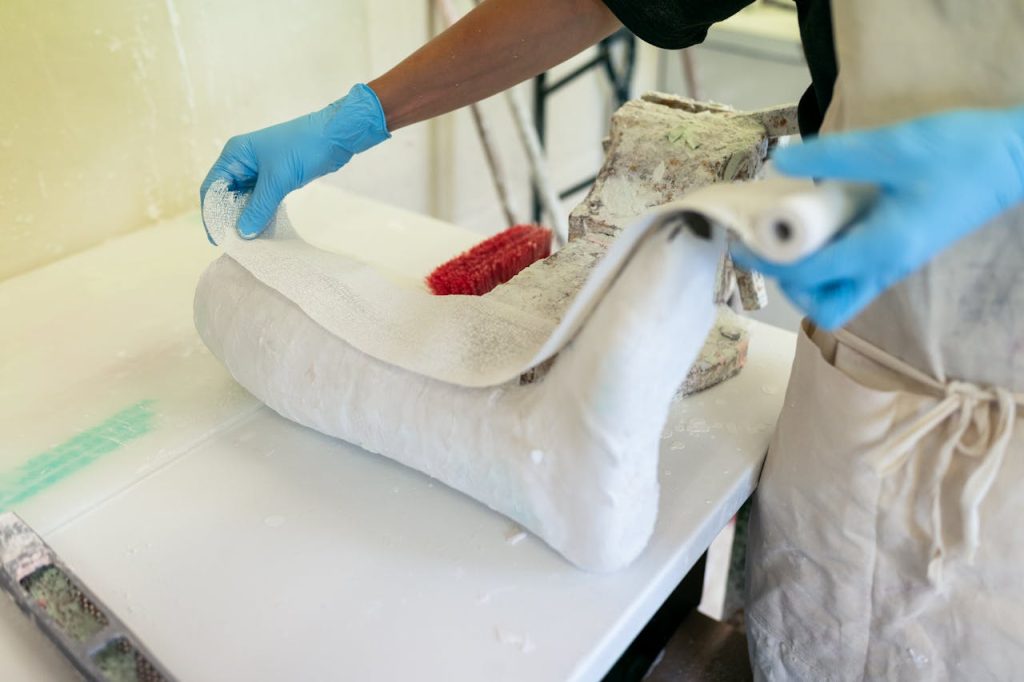
Custom vs. Off-the-shelf Custom orthotics are constructed from a scan or cast of your foot and modified for your gait, alignment, and any diagnosed condition. Off-the-shelf insoles are available in pre-defined sizes and shapes that fit many feet with a one-size-fits-most mindset. That fundamental difference determines how they each alter loading at the knee, how long they persist, and how much they cost.
Custom orthotics provide precise support where you require it. They can fix too much pronation or supination, redistribute plantar pressures, and adjust tibial rotation in a manner that decreases medial or lateral knee load. For instance, if you’re a runner with overpronation, your custom orthotic with a built-up medial arch and slight varus wedge can reduce internal rotation of your tibia in stance, thereby reducing stress on your medial knee compartment. Custom devices are constructed from superior materials and can, when cared for, last a few years. The price is somewhere around USD 400 to 800, accounting for the clinical evaluation, casting or scanning, and custom manufacturing.
Off-the-shelf insoles provide generic, inexpensive support. They’re good for generic cushioning, light arch support, and avoidance of mild foot pain, which usually costs around USD 10 to 150. They can alleviate mild arch tiredness or heel pain and act as a first-round, low-risk choice. Since they’re not molded to your anatomy, they tend to provide temporary relief and can otherwise alter foot mechanics in unpredictable ways. You might have to swap them out every few months to a year, and wearing them without a fitting can actually cause additional stress to your knees or feet by promoting misalignment.
Pros and cons for common foot and knee problems:
Plantar fasciitis.
- Off-the-shelf: Short-term relief for mild cases, low cost. May lack targeted support.
- Custom: Strong pain relief, targeted heel cup and arch support, durable. Higher cost.
Overpronation knee pain.
- Custom: Corrects tibial rotation, reduces medial knee load. Requires professional fitting.
- Off-the-shelf: May reduce symptoms initially. Inconsistent control of pronation.
Patellofemoral pain.
- Custom: Can include forefoot or rearfoot posting to change patellar tracking. Better outcomes with diagnosis-led fitting.
- Off-the-shelf: May offer cushioning and mild alignment help. Limited effect on tracking.
General abrasion or protection.
- Custom: Long-term investment, durable materials, several years of use.
- Off-the-shelf: Cost-effective for prevention, but has a short lifespan and variable efficacy.
How to choose: If you have a diagnosed structural issue, recurring knee pain linked to gait, or failed prefabricated insoles, a custom orthotic is more likely to deliver lasting change and pain reduction. For primary cushioning, for exploratory support, or if you have no obvious structural deformity, begin with a good off-the-shelf insert. Consult a professional if your symptoms continue.
The Biomechanical Assessment
A biomechanical assessment is the baseline step that reveals how your body moves and identifies knee stress origins. This evaluation examines your walking or running mechanics to uncover movement faults responsible for joint pain or injury. The findings are crucial for designing custom orthotic solutions that adjust loading patterns across the knees, ankles, and hips.
Gait Analysis
Professional gait analysis measures your stride, foot strike, and joint angles to identify abnormal motion patterns that increase knee joint loads. With video capture, pressure mats, and sometimes force plates, a clinician can observe excessive knee valgus, overpronation, or prolonged ground contact that increases stress to the medial or lateral knee compartments. Gait data allows the orthotic to be shaped to push your foot into a safer trajectory, reduce twisting at the knee, and optimize walking efficiency. Clinicians will typically compare barefoot versus shod gait to isolate the shoe’s role in your mechanics.
Checklist of common gait issues and implications for knee health:
- Overpronation is connected to greater internal tibial rotation and medial knee stress.
- Supination (high lateral loading) increases the risk of lateral knee stress and peroneal overload.
- Long stance phase raises cumulative joint load and can exacerbate cartilage wear.
- Knee valgus during single-leg stance is linked to patellofemoral and ACL risk.
- Asymmetric step length leads to uneven load and chronic overuse on one knee.
Foot Structure
Knowing your foot shape, arch height, and alignment is key to crafting orthotics that fit both your biomechanics and your shoes. Flat feet and high arches alter the force transfer up the chain, and each requires a distinct support plan. Structural traits establish the shell stiffness, posting, and contouring necessary to manage motion and unweight the knee while walking or running.
Factors considered during orthotic customization for knee pain relief:
- Arch type: low, neutral, high
- Heel alignment: varus or valgus
- Forefoot alignment: metatarsal position, ab/adduction
- Calcaneal inclination and rearfoot width
- Soft tissue flexibility: plantar fascia, intrinsic muscle tone
- Limb length discrepancy or tibial torsion
Joint Evaluation
A joint evaluation checks knee, ankle, and hip range of motion, stability, and pain provocation to capture the complete biomechanical snapshot. If stiffness, ligament laxity,y or cartilage issues are identified, it guides which orthotic features,s such as medial posts or cushioning, will work or won’t work alone. They’ll obtain baseline pain and mobility scores so the clinician can monitor improvements once you begin using orthotics. This is how you know the device actually reduces knee stress, not just masks symptoms.
Key joint parameters measured and their relevance:
- Knee flexion/extension range — affects shock absorption and load timing.
- Varus/valgus laxity determines whether lateral or medial control is necessary.
- Ankle dorsiflexion restricted motion here can push compensations up to the knee.
- Hip internal/external rotation — influences femoral tracking and patellar stress.
Long-Term Adaptations
Long-term adaptations from consistent use of custom orthotic devices can lead to significant improvements in knee alignment, function, and pain over five and a half months. When you wear orthotics on an ongoing basis, they alter the forces up the kinetic chain from the foot, which is crucial for managing foot pain. This shift decreases irregular rotational or frontal-plane loads at the knee, allowing irritated tissues to subside, permitting joint surfaces to distribute loading more evenly, and providing you with more stable control through stance and gait.
These long-term adaptations not only reduce inflammation but also contribute to increased joint stability and injury prevention. As joint mechanics normalize, synovial irritation and periarticular swelling tend to decrease, which directly reduces pain and facilitates movement. Better foot control translates into a more stable tibiofemoral relationship, and that stability decreases shear and repetitive microtrauma to cartilage and ligaments. Research indicates that foot orthotics can lower general injury risk by about 28 percent and stress fractures by roughly 41 percent, suggesting secondary protective benefits for the knee when upstream loads are effectively managed.
Long-term use of orthotics can induce musculature adaptations in strength and flexibility, leading to changes in your gait. Muscles around the ankle, calf, and hip adapt to a new foot position, which significantly affects overall body alignment. Some muscles may strengthen as they operate in a new length-tension range, while others might shorten or weaken if underutilized. These shifts can alter movement patterns and joint alignment, which can be beneficial when orthotics optimize lower-limb alignment during running or walking, but may also create new imbalances if the orthotic pressures are misaligned with your body or exercise routines.
Customization, fit, and consistent use are critical for long-term effectiveness. Custom orthotics that are shaped to your unique foot structure and gait decrease the likelihood of maladaptive patterns forming. The materials and wear of the orthotics are also important; they commonly last one to three years, depending on activity level. It’s essential to replace them when the shell or cushioning thins or when you notice shifts in comfort or stride. Regular follow-up, including gait checks and strength or flexibility tests, helps catch unwanted adaptations early, allowing for timely adjustments to orthotic prescriptions or exercises.
Continual orthotic relief facilitates long-term repair and living well with chronic knee issues through iterative healing. With pain reduced and alignment improved, you can more consistently do strengthening and mobility work that solidifies good movement habits. Where adaptations cause undesired modifications, a hybrid strategy of orthotic intervention combined with specialized exercises avoids permanent damage. Expect a rough timeline: initial symptom relief in weeks, measurable gait and alignment changes in months, and consolidated neuromuscular adaptation over six to twelve months, with maintenance thereafter.
Conclusion
You’re beginning to see how custom orthotics reduce stress on the knee. They mold foot movement, distribute pressure, and redirect joint force to less risky tracks. A properly fabricated orthotic supports the arch, realigns the ankle, and decreases medial knee joint forces in walking and running. Clinical trials demonstrate reduced pain and more stable walking after weeks of use. For most patients, orthotics accelerate rehabilitation, decrease flares, and allow them to remain active with less concern. Take a gait exam that charts pressure and joint angles. Select a system constructed from accurate scans and fine-tune it as time passes. Pair them with basic strength and mobility work for optimal results. Schedule a consultation if knee pain constrains your daily activities.
Frequently Asked Questions
1. How Do Custom Orthotics Reduce Knee Joint Stress?
Custom orthotics, designed to correct alignment issues, position your foot to hypercorrect irregular motion. By aligning the leg properly, they alleviate joint pain in the knees, redistributing stress away from painful locations and providing targeted relief as you walk or run.
2. Will Orthotics Eliminate My Knee Pain Completely?
Orthotics frequently reduce knee pain and improve knee function, but they don’t completely eliminate it. They are most effective when combined with exercise and activity modifications for targeted relief.
3. How Long Before I Feel The Benefits From Custom Orthotics?
Most individuals observe results in days to weeks with custom orthotic inserts. Complete adaptation can take four to twelve weeks as muscles and joints adapt to improved foot mechanics. Adhere to a slow break-in schedule from your clinician.
4. Are Custom Orthotics Better Than Off-The-Shelf Inserts?
Since custom orthotic insoles are designed to fit your unique foot structure and address specific biomechanical issues, they typically deliver more accurate correction and longer-lasting effects compared to generic shoe inserts that may only assist with minor foot problems.
5. Do Orthotics Change My Gait Or Muscle Use Long-Term?
Yes. Custom orthotic insoles alter your foot mechanics, which in turn changes muscle activation and joint loading, reducing foot pain and improving movement patterns over months.
6. Can Orthotics Prevent Knee Osteoarthritis Progression?
Orthotics, such as custom orthotic shoe inserts, can slow symptom progression by reducing abnormal joint stresses, especially in conditions like knee osteoarthritis. They are one piece of a prevention strategy that should encompass strengthening and activity modification.
7. Do I Need A Gait Analysis Before Getting Orthotics?
A biomechanical assessment provides the best results by identifying the root causes of knee stress, which is essential for effective pain assessment and guiding the prescription of custom orthotic solutions.
Find Real Relief From Chronic Knee Pain By Fixing Your Foot Alignment
Chronic knee pain has a way of creeping into everything. Walking, working, even just getting through the day can start to feel like a chore. What most people don’t realize is this: your knees might not be the real problem. When your feet are out of alignment, every step sends extra stress up into your knees, and over time, that adds up to pain that won’t go away.
At The Shoe Doctor, we take a different approach. Instead of chasing symptoms, we look at how your body moves from the ground up. Using advanced 3D foot-mapping technology, we pinpoint exactly where your alignment is breaking down, how your gait is affecting your knees, and where pressure is building with every step.
From there, we create custom orthotics designed specifically for your feet and your movement. The goal is simple: restore proper alignment, reduce strain on your knees, and help your body move the way it was meant to. When your foundation is right, everything above it starts to improve.
With over 20 years of experience, Russell has helped countless people get out of chronic pain and back to living normally again. Working alongside Spine and Injury Medical Center, we also look at posture and full-body mechanics so your results last, not just for now, but long term.
If knee pain has been limiting you, don’t settle for temporary fixes. Get to the source of the problem and finally feel the difference. Book your free consultation today and take the first step toward moving better, feeling stronger, and living without constant knee pain.
Disclaimer
The materials available on this website are for informational and entertainment purposes only and are not intended to provide medical advice. You should contact your doctor for advice concerning any particular issue or problem. You should not act or refrain from acting based on any content included in this site without seeking medical or other professional advice. The information presented on this website may not reflect the most current medical developments. No action should be taken in reliance on the information contained on this website, and we disclaim all liability for actions taken or not taken based on any or all of the contents of this site to the fullest extent permitted by law.