They use a molded shell and foam cushioning layers to distribute load across the sole, reducing peak force at the heel. Built-in arch support aligns the rearfoot, which reduces tension on the plantar fascia and surrounding soft tissues. Materials like firm thermoplastic under the arch and softer foam at the heel provide the perfect mix of control and shock absorption. How do custom orthotics relieve pressure on painful heels? Results can include less pain on first steps, extended walking endurance, and fewer flare-ups during activity. The bulk of the text covers fitting techniques, material decisions, and maintenance.
Key Takeaways
- Custom orthotics reduce peak heel pressure by redistributing force across the entire foot. They use deep heel cups, arch load sharing, and motion control features to protect inflamed tissues and improve walking efficiency.
- A precision fit based on dynamic pressure mapping and multi-segment foot modeling targets specific biomechanical faults such as overpronation and tibial torsion, preventing compensatory injuries in the ankles, knees, hips, and lower back.
- Cutting-edge targeted offloading elements and next-generation shock-attenuating materials take pressure off painful heel sites without sacrificing durability and reliable support across the life of the orthotic.
- They tend to flatten out with use, cannot be made to realign structure, and cannot be made to accommodate and correct complicated gait faults. Custom is truly a better investment for long-term heel pain relief.
- This state-of-the-art evaluation integrates objective gait analysis data with 3D foot modeling to inform orthotic design, monitor pressure shifts before and after intervention, and optimize care for quantifiable results.
- For optimal outcomes, pair custom orthotics with footwear modifications, strengthening and mobility exercises, and clinical follow-up to return to function and avoid recurrence.
Mechanics Of Heel Pressure
The mechanics of heel pressure are crucial for proper foot health, as the heel absorbs and controls the body’s weight during stance and loading during gait. When this order is disrupted by factors such as anatomy, footwear, or walking style, it can lead to common foot conditions. This results in pressure focusing on smaller heel zones and tissues, which may cause discomfort and chronic pain. Proper foot care, including the use of custom orthotics, can help address these issues effectively.
Force Redistribution
Custom orthotics are an effective solution for foot pain as they alter the way your foot hits the ground to distribute forces over a broader area. By including contoured support under the arch and heel, the orthotic transforms the foot, increasing contact area and reducing peak pressure per square centimeter. This transfer eases tension where bone, fat pad, and the plantar fascia become inflamed, addressing the root cause of discomfort.
Orthotics also change foot-ground contact timing. They decelerate hard heel strike in certain wearers and promote a more fluid roll-through, shifting maximum stresses to more resilient segments of the foot. This adjustment is particularly beneficial for those with high arches or flat feet, as it directs force away from local lesions, assisting the Achilles tendon by better aligning the rearfoot position. This alignment reduces tendon strain and may relieve coexisting Achilles pain.
Pragmatically, this translates into more even pressure under the heel, less stabbing pain on those initial post-resting steps, and a decreased risk of skin or soft-tissue breakdown. Users frequently experience increased comfort following a days-to-weeks-long adaptation period as the muscles and nervous control recalibrate to new loading patterns, ultimately enhancing foot health.
Kinetic Chain Faults
Faulty heel loading alters motion at proximal joints and can initiate compensations. When the heel over-pronates or carries a high localized load, it can cause the ankle to rotate, changing the knee alignment, hip mechanics, and leading to low back strain.
- Increased tibial rotation causing knee valgus or tracking problems
- Modified ankle dorsiflexion causes calf tightness and Achilles overload.
- Hip internal rotation to compensate for foot collapse
- Pelvic tilt and lumbar strain from unequal leg length mechanics.
Taking care of the heel alleviates these downstream consequences. By correcting rearfoot position, orthotics help normalize ankle motion, reduce abnormal forces at the knee and hip, and minimize the risk of secondary injuries. It’s about fit and breaking them in properly. Some people take weeks to break a pair in, and lingering heel pain should be seen by a clinician.
How Custom Orthotics Work
Custom orthotics begin with a 3D representation of the foot that captures the unique foot structure, detailing contour, pressure distribution, and joint alignment. From this model, clinicians design devices that correct specific biomechanical issues, reduce strain on the plantar fascia, and limit long-term injury to feet, ankles, knees, hips, and low back. Generally, designs fall into functional orthotics, made from rigid materials like carbon fiber to control gait mechanics, and accommodative orthotics, crafted from softer foams to cushion sensitive tissues like diabetic ulcers. The materials used are top-of-the-line polymers, carbon fiber, and foams that retain shape and performance for years.
1. Deep Heel Cups
Deep heel cups stabilize the rearfoot, anchoring the calcaneus for proper foot health while ensuring the heel remains in a neutral alignment. This design attenuates strain on the plantar fascia, which is a common cause of heel pain, and absorbs vertical shock to reduce discomfort. By providing support through proper heel containment, these cups prevent lateral and medial slippage inside the shoe, enhancing overall alignment and decreasing compensatory motions at the subtalar and ankle joints with each step.
2. Arch Load Sharing
Arch load sharing distributes body weight across the midfoot and forefoot to unburden the heel, which is crucial for foot health. This relieves peak pressure beneath the calcaneal tuberosity, where stabbing morning pain commonly originates. By providing support for collapsed or low arches, custom orthotics act as a treatment option to prevent excess tension on the plantar fascia attachment and slow the progression of associated deformities, including bunions, by correcting mechanics that push the big toe joint outward. Balanced arch support enhances energy return in gait, helping walking become more efficient and reducing repetitive strain on the plantar fascia.
3. Dynamic Shock Attenuation
Dynamic shock attenuation uses layers that compress and rebound with each step, providing support and absorbing the repetitive impact forces that fuel chronic heel pain. These zones shield soft tissues from microtrauma while running or standing for long periods, addressing the root cause of foot and ankle pain and maintaining their damping properties over time. Materials are chosen so that cushioning does not dissipate after a few thousand gait cycles, ensuring lasting relief.
4. Motion Control Wedges
They do so with motion control wedges, which correct for excessive pronation or supination by guiding the heel along a more physiologic path during walking, thereby decreasing abnormal twisting forces on the heel and ankle. This treatment option operates at two significant foot joints under the ankle to control motion and enhance stability, ultimately improving foot health. This corrected motion reduces compensatory stress at the knee and hip, helping to slow injury progression.
5. Tissue Offloading Recesses
Tissue offloading uses precision cut-outs or softer areas underneath sore locations to eliminate immediate pressure on swollen tissues and encourage recovery. These recesses are located according to detailed pain maps, addressing the root cause of discomfort, while permitting motion with reduced aggravation. Offloading not only reduces inflammation to the plantar fascia but also provides support to regions susceptible to common foot conditions like calluses and corns.
Overpronation And Plantar Strain
Overpronation aggravates plantar strain and is a common cause of heel pain, as it boosts medial collapse of the foot in stance, thereby increasing tension of the plantar fascia and load-at-heel concentration. This added tension can irritate the fascia and create the hallmark first-morning stabbing pain of plantar fasciitis. The poor arch support permits excessive flattening, leading to discomfort as the heel takes abnormal shear and compressive forces that should be evenly distributed across the foot.
Identifying Plantar Strain From Poor Arch Support
- Morning heel pain and stiffness involve a sharp or sore sensation under the heel on the first steps after rest. Pain eases with activity but may return after long standing.
- Tenderness at the medial calcaneal tubercle is focal pain where the plantar fascia inserts. Palpation recreates symptoms and frequently connects to overpronation.
- Visible arch collapse and uneven shoe wear indicate poor support. Flattened arches on standing, inner sole wear patterns, and inward roll of the ankle during gait are signs of this issue.
- Tightness or pain in the Achilles and calf results from increased load on the posterior chain due to a collapsed arch. Stretching gives temporary relief.
- Failure of over-the-counter inserts to help results in short-term symptom change, but persistent strain suggests a need for custom support that matches geometry and tissue stiffness.
The earlier in the process, the better. If not controlled, overpronation can lead to chronic foot and ankle pain, such as plantar fasciitis, which occurs when the plantar fascia becomes inflamed. Mixing orthotic intervention with foot care, stretching, and shoe changes helps address the root cause.
Windlass Mechanism Failures
The windlass mechanism tightens the plantar fascia as the toes dorsiflex in toe-off, raising the arch and creating a rigid lever for propulsion. Overpronation doesn’t allow full arch re-elevation, so the windlass underperforms, and the fascia remains stretched during push-off. This resulting inefficiency shifts propulsion demand and repetitive strain on the plantar fascia to the heel, causing discomfort and weaker push-off. Custom orthotics for plantar fasciitis re-establish arch geometry at rest and during gait, providing support for appropriate toe dorsiflexion tensioning of the fascia, enhancing foot health and reducing strain.
Tibial Torsion Effects
Tibial torsion is a rotational variance of the tibia that changes foot alignment and heel loading, often leading to common foot conditions such as plantar fasciitis. Internal tibial torsion encourages medial loading and overpronation, while external torsion shifts load outside. These rotations generate ill-distributed heel pressure and localized pain. Custom orthotics for plantar fasciitis can combat these rotational moments, redistributing pressure and providing support to decrease compensatory tendon strain. By mitigating rotational forces, orthotics prevent pain progression and reduce the risk of chronic degeneration.
Custom Devices Versus Inserts
Custom foot orthotics are designed to mimic an individual’s unique foot structure and gait patterns, while OTC insoles are manufactured for wide size ranges. This distinction impacts fit, biomechanical issues, and durability. Custom devices provide support by redistributing pressure based on measured pressure maps, while generic inserts offer minimal arch support with no structural correction.
Material Memory Limits
Off-the-shelf inserts often use cheap foams and gels that squash and creep under repeated loading, leading to discomfort and deformity within weeks to months. In contrast, custom orthotics for plantar fasciitis employ engineered materials such as high-density polymers and specialized closed-cell foams that resist compression and maintain their shape for years. A well-designed custom device should last at least five years, with many users experiencing eight to ten years of wear with proper foot care. By selecting quality components, you can eliminate slippage of the corrective force. These materials provide support where needed, ensuring that pressure redistribution is effective. For those with high arches or flat feet, a custom device will keep the heel off high-pressure zones far longer than an OTC insert that compresses quickly.
True Structural Alignment
Custom orthotics position the foot, ankle, and lower limb into exact alignment by means of contours and wedging calibrated to the individual’s anatomy and gait. This fixes the biomechanical deficiencies, such as over-pronation or a stiff heel spur load pattern, that perpetuate chronic heel pain. By restoring alignment, it cuts down compensatory strain on the knee, hip, and lower back, minimizing your risk for secondary pain.
Checklist benefits of precise alignment with custom orthotics:
- Measured Correction: Tailored contours match plantar pressure maps and gait data for accurate load shift.
- Reduced Peak Pressure: Targeted support lowers stress under the calcaneus and plantar fascia.
- Improved Gait Mechanics: Normalized foot motion shortens harmful loading phases.
- Secondary Joint Relief: Less compensatory torque at the knee and hip reduces cascading pain.
- Lifestyle Fit: Devices can be adapted for sport, work boots, or dress shoes to keep function across activities.
Limitations of OTC inserts:
- Short lifespan, compress within months
- Generic arch shape, poor fit for atypical feet
- Limited materials, little structural correction
- Inconsistent pressure redistribution
- Not tailored to activity or footwear
Custom devices are a more upfront investment but provide superior long-term value compared to buying multiple OTC inserts every year.
The Modern Assessment Process
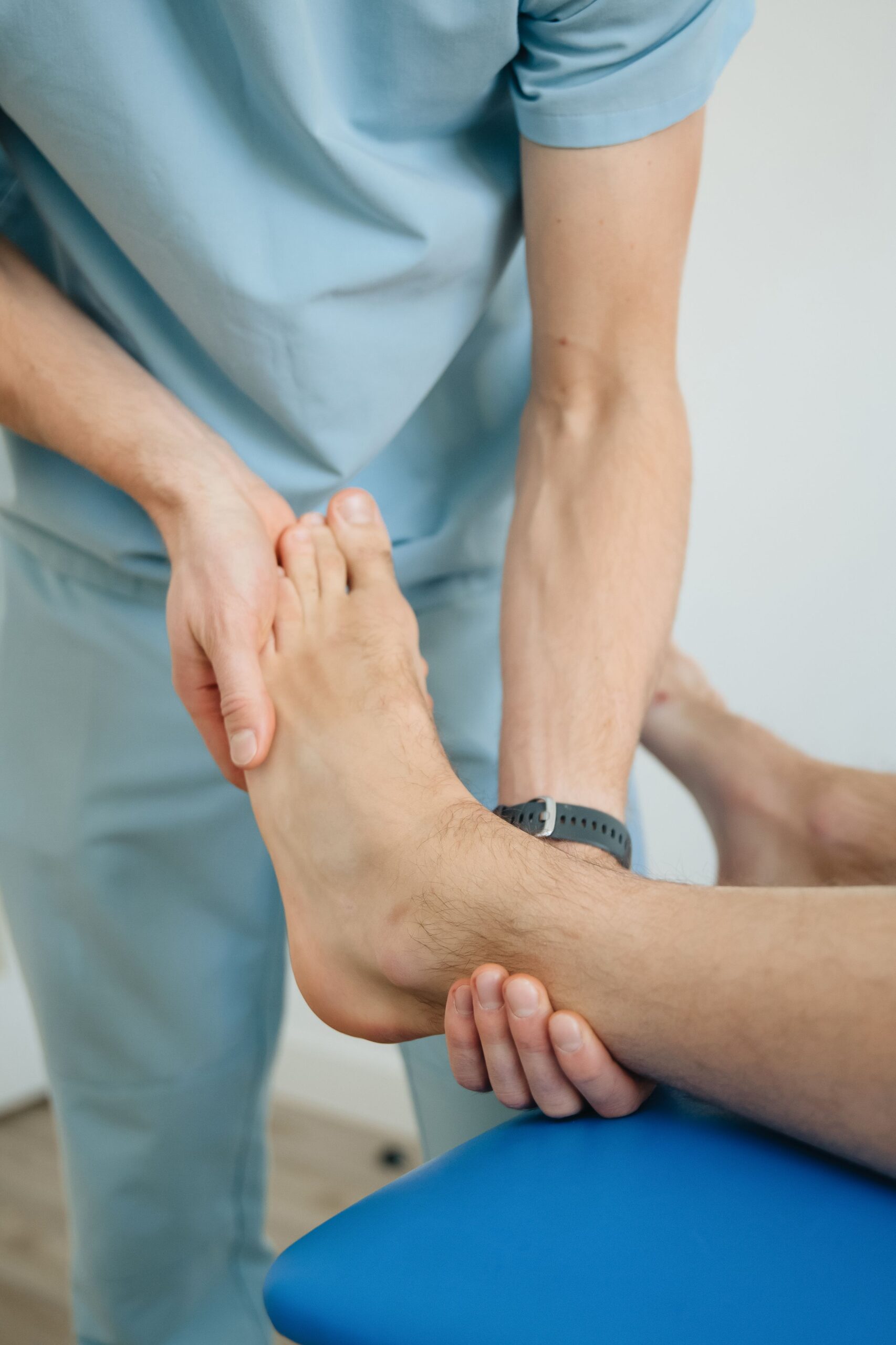
A modern assessment starts with a focused clinical intake and physical exam, then swiftly transitions into instrumented measurement to create a comprehensive understanding of heel pain drivers. Medical history, symptom timelines, and prior treatments provide context for the objective testing that follows. The aim is to identify whether pain arises from common causes like plantar fasciitis, tendon overload, or altered alignment, ensuring the orthotic solution can be effectively targeted.
Dynamic Pressure Mapping
Dynamic pressure mapping measures actual pressures over the plantar surface in real time as a patient walks or runs. Sensors in a pressure plate or in-shoe system capture force, timing, and center of pressure trajectories.
Metric | What it shows |
Peak pressure (kPa) | Where load concentrates during stance |
Pressure-time integral | Cumulative load on regions like the heel |
COP path | How load shifts through gait cycle |
Contact area (cm²) | Distribution of load across forefoot/midfoot/rearfoot |
These visual maps guide orthotic shaping. A high peak pressure in the posteromedial heel suggests adding localized cushioning or a heel cup, while a broad high-pressure midfoot may require arch support redistribution. Baseline maps are then compared to post-fit recordings to measure change. Repeated measures indicate whether the orthotic decreases peak loads, decreases pressure duration under the sore site, or transfers load to other less sensitive areas.
Multi-Segment Foot Modeling
Multi-segment models separate the foot into rearfoot, midfoot, and forefoot units and monitor their relative motion in three dimensions. Motion-capture markers or 3D scans provide joint angles, inversion and eversion ranges, and intersegmental timing into the model.
Segmental analysis exposes interactions that simple single-segment models miss. Excessive rearfoot pronation persists into midstance, delayed forefoot loading raises heel shear, or midfoot collapse increases plantar fascia strain. Detecting these subtleties changes prescription. A stiffer medial rearfoot shell limits pronation, a contoured medial arch supports the midfoot, or a forefoot cut-out allows normal toe function.
This data is merged with digital scans and 3D models to generate a custom orthotic that addresses the measured defects. Multidisciplinary review, including podiatry, physiotherapy, and orthotist input, polishes the plan. Subsequent follow-up echoes map and modeling confirm results and tweak the device.
Beyond The Shoe Insole
Custom orthotics are not just an insert in your shoe. They are one component of a comprehensive treatment plan that starts with accurate evaluation and continues into maintenance. Fabrication leverages foot molds, gait analysis, or 3D scanning to capture foot shape, joint motion, and dynamic pressure points. These inputs inform design decisions, including contours, stiffness, and materials like polymers, carbon fiber, and specialized foams. This ensures the device maintains its shape and function over years while conforming to an individual’s biomechanics.
Bracing, Footwear Modifications, And Rehab Exercises
Custom orthotics fare best when combined with bracing for acute support, strategic shoe alterations, and progressive rehab. A quick ankle brace can restrict damaging motion after sprains, and the orthotic provides mid- and long-term control. Footwear modifications, such as deeper toe boxes, stiffer midsoles, or rocker soles, enhance orthotic function by modifying the platform the foot uses. Rehab exercises focus on calf strength, plantar fascia mobility, and intrinsic foot muscle activation. For instance, eccentric calf loading and toe curls with resistance bands both decrease tendon load and enhance shock absorption, making orthotics feel more impactful and decreasing dependence on passive support.
Whole-Body Alignment And Movement Habits
The foot is connected to 26 bones and 33 joints and connects to the ankle, knee, hip, and spine. It can reduce overpronation, which lowers rotational stress at the knee and hip and can ease low back strain. Lasting results require addressing gait patterns: cadence, stride length, and lateral balance. A clinician, for example, might employ video gait analysis to identify compensations, such as excessive hip internal rotation or asymmetrical step length, then pair orthotics with cueing and drills to retrain movement habits over weeks.
Integrating Orthotics Into A Broader Mobility And Prevention Plan
For athletics or high-load occupations, orthotics spread out forces to avoid repeating injury and neuroma flare-ups. Patients can experience some initial discomfort as the tissues adjust. Symptoms often abate after a few days of incremental wear. Things that were aided: flat feet, fallen arches, arthritis, neuromas, and consistent ankle sprains. Beyond the Shoe Insole. As a full-service provider, the clinic pairs custom devices with follow-up tuning, material upgrades, and functional training so pain relief in the heel translates to better whole-body function.
Conclusion
How exactly do custom orthotics cut pressure on painful heels? They lift and cup the heel, distribute force over a larger area, and position the foot into a more controlled line. Lab scans and gait checks allow doctors to tailor each device to the precise shape and movement of the foot. For overpronators, orthotics decelerate inward roll and alleviate tension on the plantar fascia. For heel spur points, orthotics shift load away from the sore point. Simple inserts bought off the shelf help some, but custom devices match arch height, stiffness, and material to each case.
Take a mini-pilot to a provider that uses digital scans. Measure pain and activity in meters walked and time on feet to witness real transformation.
Frequently Asked Questions
1. How Do Custom Orthotics Reduce Pressure On Painful Heels?
Custom orthotics provide support to relieve stress from painful heels by supporting your arch and heel, redistributing pressure and minimizing strain on the plantar fascia while standing and walking, ultimately addressing the root cause of discomfort.
2. Are Custom Orthotics Better Than Over-The-Counter Shoe Inserts?
YES for most people. Custom orthotics provide support specifically tailored to your unique foot structure and gait pattern, offering precision support and alleviating pressure that generic inserts cannot.
3. Can Custom Orthotics Correct Overpronation To Relieve Heel Pain?
Yes. Custom orthotics can control overpronation and provide support for common foot conditions. By stabilizing the foot structure, they help reduce plantar strain and alleviate discomfort on the heel.
4. How Long Before I Feel Relief From Heel Pain With Custom Orthotics?
Most people experience relief from foot pain within days to weeks. It can take four to eight weeks for you to adjust completely to custom orthotics for plantar fasciitis.
5. What Assessment Methods Ensure The Orthotic Will Reduce Heel Pressure?
A modern assessment includes gait analysis, foot pressure mapping, and 3D foot scans, which help address common foot conditions. Clinical evaluation by a podiatrist or orthotist ensures a precise fit and provides support for targeted pressure relief.
6. Can Custom Orthotics Stop Heel Pain Permanently?
When combined with supportive shoes, stretching, and activity modification, custom orthotics can greatly reduce symptoms of foot and ankle pain and prevent recurrence. They’re a long-term treatment solution, not necessarily a cure.
7. Are Custom Orthotics Suitable For All Types Of Heel Pain?
They work well for numerous culprits such as plantar fasciitis, a common cause of heel pain, and overpronation strain, providing support for foot health. They are less useful for pain from systemic conditions or severe nerve disorders, making a clinical diagnosis essential for addressing the root cause.
Is Overpronation Affecting The Way You Walk?
Overpronation is more than just a foot issue. When your feet roll inward too much with each step, it can affect your entire body. This imbalance places added stress on your ankles, knees, hips, and lower back, often leading to foot pain, fatigue, poor posture, and recurring discomfort that may seem unrelated to your feet.
At The Shoe Doctor, we identify the root cause of overpronation through advanced 3D foot-mapping technology and detailed gait analysis. By evaluating how your feet move and how your body responds during every step, we gain a clear understanding of your biomechanics. This allows us to pinpoint abnormal movement patterns and determine the best solution to improve your gait and overall alignment.
Once we’ve completed your assessment, we design custom orthotics that provide the right level of support for your unique foot structure and walking pattern. Proper gait correction helps distribute pressure more evenly, improves stability, reduces stress on your joints, and encourages more efficient movement throughout your daily activities.
With more than 20 years of experience, Russell has helped countless people walk with greater comfort, confidence, and stability. If you’re experiencing foot pain, recurring injuries, or discomfort that may be linked to overpronation, schedule your free consultation with The Shoe Doctor today and discover how personalized gait correction can help you move better every day.
Disclaimer
The materials available on this website are for informational and entertainment purposes only and are not intended to provide medical advice. You should contact your doctor for advice on any particular issue. You should not act or refrain from acting based on any content included in this site without seeking medical or other professional advice. The information presented on this website may not reflect the most current medical developments. No action should be taken in reliance on the information contained on this website, and we disclaim all liability for actions taken or not taken based on any or all of the contents of this site to the fullest extent permitted by law.