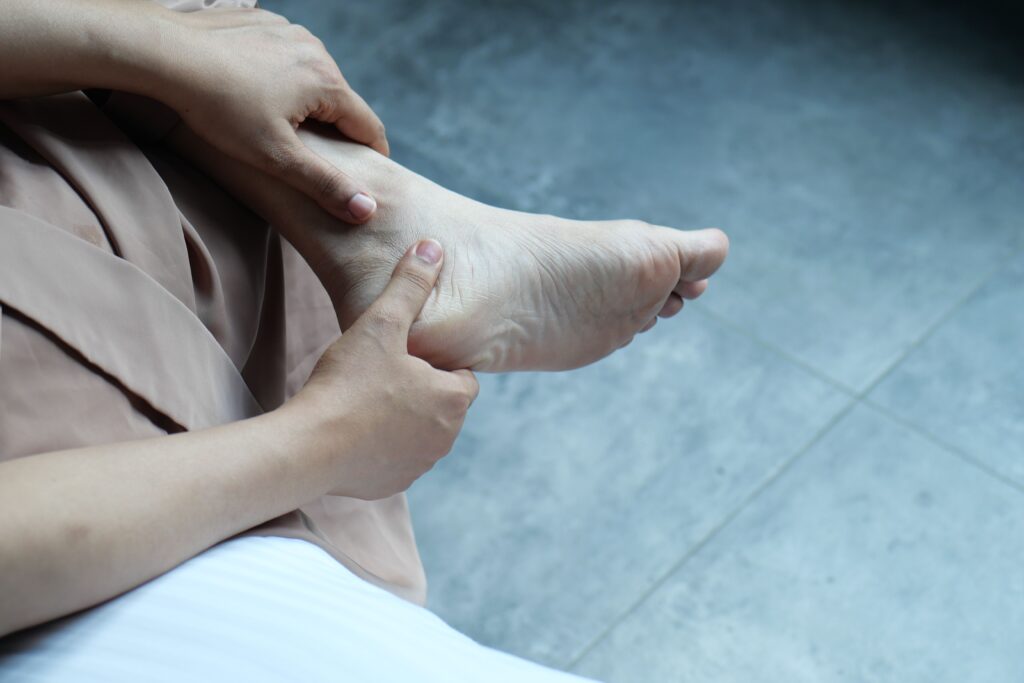
What causes heel pain when you stand or walk? The disease originates from recurrent strain on the plantar fascia, a dense band of tissue beneath the foot that connects the heel to the toes. Typical culprits are overuse, tight calf muscles, weak foot support, abrupt increases in activity, and excess weight. Symptoms typically include sharp heel pain with initial steps after rest that eases as you move around or aching pain following prolonged standing. Less common causes are heel bruisitis, stress fracture, nerve entrapment, and tendinitis, which require different approaches. The sections below dissect causes, quick tests, and actionable steps for relief and prevention.
Key Takeaways
- Plantar fasciitis, heel spurs, Achilles tendon stress, and nerve entrapment are the most common causes of heel pain and are often driven by repetitive stress, abnormal foot mechanics, or unsupportive footwear. Evaluate symptoms like morning stiffness, burning, and localized tenderness to guide initial self-care and clinical assessment.
- Improper foot mechanics such as overpronation and arch collapse increase load on the plantar fascia and Achilles tendon and can be treated with gait analysis, corrective exercises, and custom orthotics to reduce recurrence.
- Conservative first-line treatments include activity modifications, targeted PT, calf and plantar fascia stretching, supportive shoes or insoles, night splints, and stepwise return-to-activity plans. Consider ESWT, corticosteroid or PRP injections only for recalcitrant cases.
- Leverage modern diagnostics to increase treatment precision by pairing a targeted history and exam with dynamic gait analysis, 3D digital foot mapping, and imaging when necessary to differentiate soft tissue injury from bone spurs or nerve entrapment.
- Real-world prevention measures are to keep the calf and plantar fascia flexible, wear shoes with the right cushioning and arch support, maintain body weight, and have routine gait analyses to catch biomechanical issues early.
- Tips for someone with heel pain: Cut back on high-impact activity, start daily calf and plantar fascia stretches, get a professional gait evaluation if pain lasts more than a few weeks, try supportive insoles or well-fitting footwear, and consult a clinician for persistent or severe symptoms.
What Causes Heel Pain
Heel pain results from a few specific but sometimes overlapping processes involving bone, tendon, ligament, and nerve structures in the foot. Common causes include plantar fasciitis, which develops when the plantar fascia attaches to the heel bone, heel spurs, nerve entrapment, and Achilles tendon strain. We’ll explain each main culprit, how they pivot, and what symptoms to look out for to help you narrow down probable sources of plantar heel pain when you stand or walk.
1. Plantar Fascia Strain
Plantar fasciitis develops when the plantar fascia, a thick band that connects the heel bone to your toes, becomes overstretched or incurs microtears, leading to local inflammation and plantar heel pain. The injury is mechanical in nature. Repetitive loading, long hours of standing, sudden jumps in activity, or being overweight increases tensile stress and causes small tears that worsen with use. Pain is classically worst with the first steps after sleep or after a long rest. Stiffness eases slightly with movement but flares after prolonged standing. Risk factors include rapid weight gain, repetitive impact exercise like running, and unsupportive shoes. Rotating between two pairs of shoe inserts helps reduce strain and allows the materials to rebound effectively.
2. Faulty Foot Mechanics
Overpronation, excessive supination, or irregular gait patterns can shift forces across the heel and plantar fascia, potentially causing chronic stress and leading to conditions like plantar fasciitis pain. When your foot is out of alignment, it may affect your walking pattern, causing your ankle and subtalar joint to compensate, which can lead to tendon overload and decreased shock absorption. Such biomechanical problems increase the risk for tendinitis and stress fractures, making it essential to address any gait abnormalities to prevent further complications.
3. Heel Bone Spur
Heel spurs are bony protrusions at the calcaneus where the plantar fascia attaches to the heel bone. They develop from chronic strain and inflammation, often aggravated by conditions like plantar fasciitis. Calcium deposits build up over time, and while many spurs are asymptomatic, they can exacerbate plantar heel pain when accompanied by soft-tissue inflammation.
4. Achilles Tendon Stress
Excessive load, tight calves, or fast training ramps can lead to conditions like Achilles tendonitis and painful heel symptoms, particularly in athletes. Activities such as running or jumping increase the risk, making it essential to incorporate an exercise program that includes stretching and progressive strengthening to relieve tension and promote healing.
5. Nerve Entrapment
Tarsal tunnel syndrome occurs when there is compression of the tibial nerve under the flexor retinaculum, leading to symptoms such as burning, tingling, and numbness in the heel. Factors like swelling or anatomical variations can contribute to this condition, potentially affecting athletes who may experience altered sensation and weakness. Understanding these foot conditions is crucial for effective nonsurgical treatment options.
The Overpronation Connection
Overpronation is the excessive inward roll of the foot while walking or running, which can lead to plantar fasciitis pain. Your foot inherently pronates to absorb shock and conform to surfaces, but when that movement is exaggerated, it places additional strain on your plantar fascia and Achilles tendon. This excessive inward roll can displace the force that lands on the heel, predisposing you to microtrauma and chronic inflammation, ultimately resulting in painful heel symptoms.
Arch Collapse
Arch collapse, commonly referred to as flat feet or low arches, diminishes the foot’s built-in shock absorption and concentrates force on the heel. When the arch flattens, the plantar fascia attaches to the heel bone is pulled beyond its resting length, leading to micro-tearing and inflammation. Factors such as genetics, obesity, and repetitive stress from long hours on your feet or high-mileage running increase the likelihood of developing plantar fasciitis pain or worsening symptoms. Supportive insoles or custom orthotics that restore arch height can help spread load more evenly across the sole, significantly reducing peak pressure under the heel and alleviating pain for most individuals.
Kinetic Chain Strain
Overpronation changes the angle of the tibia and knee tracking, as well as the position of the hip and lower back posture. This kinetic chain strain is why issues originating at the foot can present as knee pain, hip tightness, or lumbar discomfort, and why addressing just the heel often comes up short. Biomechanical abnormalities, such as overpronation and collapsed arches, are common culprits of plantar fasciitis pain, particularly in individuals who engage in repetitive high-load activity across uneven surfaces. A comprehensive gait analysis, including foot pressure mapping and strength testing, helps identify where compensation arises. Addressing foot posture, improving ankle and intrinsic foot muscle strength, and correcting shoe choice offer a more long-lasting solution than shoe inserts alone because they alter the chain rather than covering up one symptom.
Beyond Bad Footwear Choices
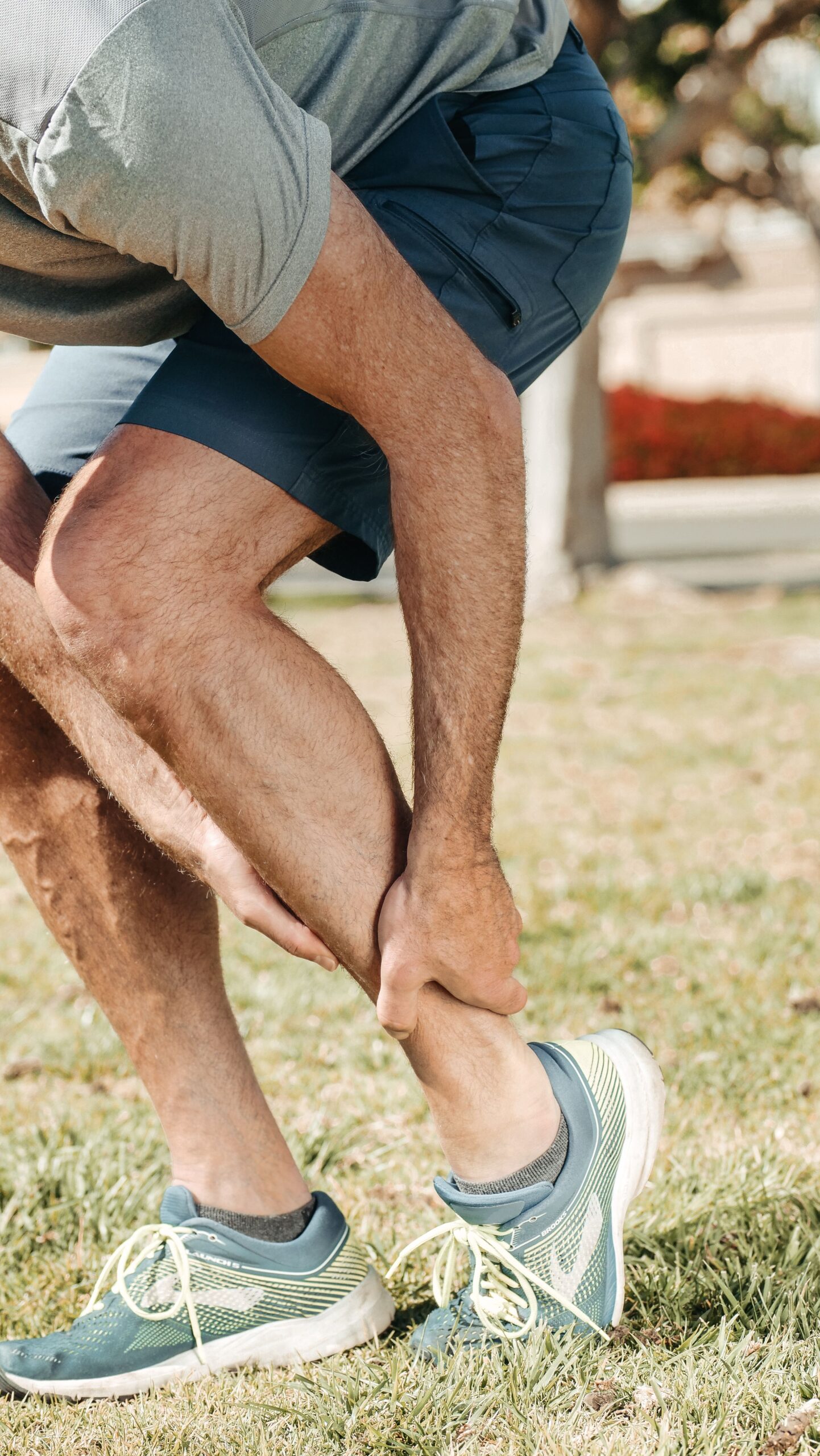
Shoes count, but they’re not often the sole cause of heel pain. While bad or old shoes can exacerbate symptoms, persistent heel pain usually originates from the foot’s anatomy, gait, and repetitive stress. The human foot is complex: 26 bones, about 30 joints, and over 100 muscles, ligaments, and tendons. This complexity implies that minor alignment shifts or tissue overload can induce chronic pain, even in proper shoes, leading to conditions such as plantar fasciitis.
Gait patterns and foot shape determine load paths. Overpronation, in which the foot excessively rolls inward, causes additional shear and tensile stress to the plantar fascia and medial structures with every step. High arches load the heel and lateral column, whereas flat feet flatten the arch and elongate soft tissues. Tight calf muscles increase tension through the Achilles tendon and the plantar fascia, putting you at a higher risk for injury. Repetitive stress from standing or walking long hours on hard surfaces, common in teaching, factory, or healthcare jobs, compounds microdamage and impedes healing, making effective treatment for plantar fasciitis crucial.
Medical causes of heel pain are many. Plantar fasciitis, the most common form, manifests as a sharp, stabbing heel pain that is worst with the first steps taken in the morning. It affects over 2 million people and can become chronic if not treated. Achilles tendinitis generates pain higher on the back of the heel and is exacerbated by activity. Heel pad irritation results in bruising under the calcaneus. Children can get Sever’s disease, or calcaneal apophysitis, during growth, which is another cause of heel pain. Overuse and poor load management can make any of these conditions linger, necessitating medical attention.
Evaluation must address both footwear and foot mechanics. A thorough exam looks at foot shape, calf flexibility, gait analysis, and activity patterns and may include imaging when needed. Treatment is more effective when shoes are optimized and mechanics corrected through stretching, strengthening, orthotics, or gait retraining, which can include physical therapy.
Footwear features for optimal support, cushioning, and stability:
- Sturdy heel counter to cradle the rearfoot and prevent too much movement.
- Light to moderate medial arch support to alleviate pronation and plantar fascia offloading.
- Adequate midsole cushioning, roughly 8 to 12 millimeters drop depending on condition, to soften impact.
- Wide toe box to permit natural toe splay and load distribution.
- Firm sole with torsional rigidity to inhibit extra twisting.
- Change shoes every 600 to 800 kilometers or when midsoles compress.
Modern Diagnostic Protocols
Modern diagnostic protocols for heel pain, particularly plantar fasciitis pain, combine concentrated clinical evaluation with directed technology to generate a specific diagnosis and a definitive treatment direction. A typical workflow starts with a well-designed patient history and physical exam that documents pain onset, activity trends, occupation-related load, previous injury, and responsiveness to previous treatment. Clinical tests evaluate point tenderness at the calcaneal insertion, range of motion at the ankle and subtalar joints, and provocative maneuvers for the plantar fascia and Achilles tendon. Corticosteroid injections can serve as both therapeutic and diagnostic measures when brief pain relief helps confirm the treatment for plantar fasciitis. Imaging supplements rather than replaces the exam, ruling out bony causes with weight-bearing X-rays, while ultrasound and MRI visualize soft-tissue changes and tendon pathology when the presentation is ambiguous.
Dynamic Gait Analysis
Dynamic gait analysis is an on-the-fly examination of a patient’s ambulation or running, recording joint angles, timing, and pressure under load. It identifies abnormal pronation, excessive rearfoot eversion, premature or delayed heel strike, and plantar pressure shifts that can cause plantar heel pain. The tool connects observed mechanics to tissue stress patterns so clinicians can aim interventions, such as shoe changes, supervised exercise, or orthotic prescriptions, at the root cause and not just the symptom. Gait labs will often combine video with force plate data to provide a more comprehensive overview of motion.
Key gait parameters evaluated:
- Temporal-spatial: step length, cadence, stance and swing times
- Kinematic: ankle dorsiflexion/plantarflexion, subtalar motion, knee and hip angles
- Kinetic: ground reaction forces, loading rate, pressure-time integrals
- Plantar pressure includes peak pressure zones, medial-lateral load shift, and heel-to-toe roll.
3D Digital Mapping
3D digital mapping scans the foot’s surface geometry to capture exact shape, volume, and contour in both standing and non-weight-bearing positions. These scans serve as the basis for modern diagnostic protocols, enabling highly customized orthotic and insole fabrication, which is crucial for addressing conditions like plantar fasciitis pain. By transforming scan data into CAD models for milling or 3D printing, a better fit decreases shear and peak pressures, increases comfort, and, combined with gait analysis and a thorough physical examination, delivers better clinical outcomes. Displaying before-and-after maps of pressure redistribution often convinces patients of the benefits.
Proven Conservative Treatment Pathways
Conservative care for plantar heel pain aims to reduce load, restore tissue flexibility, and provide a roadmap for a safe return to activity. The majority will respond to nonoperative measures, and treatment regimens often combine multiple modalities customized to the pain generator, which can include plantar fascia overload, tight calf-Achilles units, or biomechanical defects in gait and footwear. Treatment for plantar fasciitis often incorporates physical therapy, night splints, and custom orthotics, all proven conservative treatment pathways that offer significant long-term benefits.
First-line nonsurgical treatments:
- Rest and Activity Modification: Short-term reduction of high-impact tasks and protected weight-bearing. Use crutches or supportive shoes if pain is severe. Gradual return to activity follows symptom control to avoid recurrence.
- Stretching and Strengthening: Daily calf and plantar fascia stretches plus eccentric calf loading. This targets tight gastrocnemius-soleus and weak intrinsic foot muscles that raise plantar stress.
- Manual Therapy and Self-Massage: gentle hands-on massage, rolling a ball under the arch, or using a frozen water bottle to reduce sensitivity and improve fascia flexibility. These interventions ease pain and allow better participation in rehab.
- Footwear and Orthoses: stable shoes with firm heel counters, rocker soles, or prefabricated inserts reduce strain. Custom orthotics are indicated when foot alignment or leg-length asymmetry drives symptoms.
- Night Splints: maintain the ankle in slight dorsiflexion overnight to prevent morning stiffness and microtears. This is effective when calf tightness is present.
- Analgesics and Anti-Inflammatories: short courses of NSAIDs for pain control while rehabilitation proceeds.
- Protected Weight-Bearing Progression: start with limited load, then graded increases over weeks. Most patients notice improvement within two to four weeks, with continued healing over months.
PT, night splints, and custom orthotics are proven conservative treatment pathways of significant long-term benefit. PT tackles the why, tight calves or Achilles inputs, with targeted exercises, gait retraining, and load-management plans. Proven conservative treatment pathways, such as night splints and orthotics, which alter tissue loading during rest and stance, facilitate durable recovery. In general, approximately 95% of patients escape surgery, and the success in recalcitrant cases is reported at 70 to 90%.
Further conservative options for persistent symptoms include extracorporeal shockwave therapy and directed cortisone injections. These treatments are used sparingly after sufficient rehab and load management when imaging or symptom chronicity warrant escalation, ensuring comprehensive care for those experiencing pain worse than usual.
Treatment | Benefits | Indications |
Stretching/PT | Improves flexibility, strength | Early plantar fasciitis, calf tightness |
Night splint | Reduces morning pain | Stiffness on waking |
Custom orthotic | Corrects alignment, offloads fascia | Biomechanical causes |
Shockwave/PRP | Stimulates healing | Recalcitrant pain after rehab |
Steroid injection | Rapid pain relief | Severe focal pain, short-term use |
Prevention Through Biomechanical Support
Through biomechanical support, it prevents pain by alleviating load on the heel by altering the way forces travel through the foot and ankle. A combination of supportive shoes, orthotics, and targeted exercise programs can effectively prevent initial injury and stop recurrent plantar fasciitis pain. For those who pound pavement for extended periods, such as runners, educators, and assembly line workers, the correct arch support and cushioning distribute force throughout the foot, reducing maximum strain at the plantar fascia and Achilles attachment. Custom orthotics assist by custom-fitting the device to foot shape and gait, rectifying minor abnormalities that otherwise focus force and result in microtears.
Supportive shoes function as the triad of sole stiffness, heel cushioning, and medial support to control motion. A shoe with a firm heel counter and moderate arch support restricts overpronation or supination that can stress the fascia. Pronation, the natural flattening of the arch, must take place in a controlled manner. Shoes and orthotics direct that movement so the foot absorbs impact rather than funneling it to the heel. While off-the-shelf insoles assist in the short term, custom orthotics win out when foot shape, activity level, and gait patterns demand tailored fixes for plantar fasciitis treatment options.
Stretching and strengthening maintain the integrity of these soft tissues. Daily stretching of the calves, tight Achilles tendon, and plantar fascia keeps these tissues limber and helps improve range of motion, reducing tensile load during walking. These simple stretches, performed every day, reduce the native stiffness that otherwise increases heel stress when standing or walking. By strengthening the intrinsic foot muscles and posterior chain muscles, we give the foot increased ability to control load and reduce the risk of recurrence.
Monitor body weight and activity for load management. Even modest weight loss reduces peak plantar pressure and reduces symptoms. Modify high-impact tasks when possible. Substitute standing breaks, anti-fatigue mats, or task rotation to cut repeated heel loading. Periodic gait assessments reveal subtle biomechanical faults before pain becomes chronic. A clinician can measure stride length, heel strike pattern, and pressure distribution, then prescribe orthotics or therapy to correct deviations. Small biomechanical changes often produce large symptom relief. Solutions can be tailored to lifestyle, whether urban commuting, desk work, or active training.
Conclusion
Heel pain has obvious, curable sources. Plantar fasciitis, tendon strain, nerve pinch, and joint wear reveal themselves with steps and load. Overpronation and bad shoe support just add insult to injury. Basic exams, a gait screen, and focused imaging identify the culprit. Begin with rest, ice, directed stretching, and footwear with rigid heel cup support. Supplement with orthotics or night splints for enduring relief. Rehabilitation that builds foot and calf strength reduces flare-ups and restricts future pain. For persistent cases, image-guided steroid shots or targeted shockwave assist numerous patients before surgery.
Select one change. Give firmer shoes, a quick calf stretch series, or a lone pair of custom orthotics a shot. Monitor pain on a 0 to 10 scale for 2 weeks. If pain remains above 4, consult a specialist.
Frequently Asked Questions
1. What Is The Most Common Cause Of Heel Pain When I Stand Or Walk?
Plantar fasciitis is the number one cause of plantar heel pain. It is inflammation of the tissue along the foot’s arch and typically aches hardest with the initial steps in the morning.
2. Can Heel Pain Be Caused By How My Foot Moves?
Yes. Overpronation (excessive inward rolling) changes foot mechanics and loads the heel in a way that can play a role in plantar fasciitis and Achilles tendinopathy.
3. Could My Shoes Be The Reason For My Heel Pain?
Badly cushioned, flat, or old shoes add to heel pressure, worsening plantar fasciitis pain. Supportive footwear that provides good arch support and shock absorption alleviates pain and prevents recurrence.
4. When Should I See A Doctor Or Specialist For Heel Pain?
See a clinician if plantar fasciitis pain is severe, persistent beyond six weeks, follows an injury, or limits daily activities. Early evaluation avoids chronic problems and guides targeted treatment options.
5. What Tests Confirm The Cause Of Heel Pain?
Clinicians use a history exam, gait and foot mechanics assessment, and targeted imaging, such as ultrasound or MRI, when diagnosis is unclear or conservative care fails.
6. What Conservative Treatments Work Best For Heel Pain?
Effective treatments for plantar fasciitis pain include stretching with structure, supportive shoes, orthotic insoles, strengthening in the right spots, night splints, and guided short-term anti-inflammatories.
7. How Can I Prevent Heel Pain From Returning?
Wear the right shoes and consider custom or over-the-counter orthotics to support the arch, while engaging in a regular exercise program to strengthen the foot.
Is Overpronation Affecting The Way You Walk?
Overpronation is more than just a foot issue. When your feet roll inward too much with each step, it can affect your entire body. This imbalance places added stress on your ankles, knees, hips, and lower back, often leading to foot pain, fatigue, poor posture, and recurring discomfort that may seem unrelated to your feet.
At The Shoe Doctor, we identify the root cause of overpronation through advanced 3D foot-mapping technology and detailed gait analysis. By evaluating how your feet move and how your body responds during every step, we gain a clear understanding of your biomechanics. This allows us to pinpoint abnormal movement patterns and determine the best solution to improve your gait and overall alignment.
Once we’ve completed your assessment, we design custom orthotics that provide the right level of support for your unique foot structure and walking pattern. Proper gait correction helps distribute pressure more evenly, improves stability, reduces stress on your joints, and encourages more efficient movement throughout your daily activities.
With more than 20 years of experience, Russell has helped countless people walk with greater comfort, confidence, and stability. If you’re experiencing foot pain, recurring injuries, or discomfort that may be linked to overpronation, schedule your free consultation with The Shoe Doctor today and discover how personalized gait correction can help you move better every day.
Disclaimer
The materials available on this website are for informational and entertainment purposes only and are not intended to provide medical advice. You should contact your doctor for advice on any particular issue. You should not act or refrain from acting based on any content included in this site without seeking medical or other professional advice. The information presented on this website may not reflect the most current medical developments. No action should be taken in reliance on the information contained on this website, and we disclaim all liability for actions taken or not taken based on any or all of the contents of this site to the fullest extent permitted by law.