Can poor arch support cause chronic heel pain? Yes, inadequate arch support can lead to ongoing heel pain by changing foot mechanics and increasing stress on the plantar fascia and heel bone. Over time, fallen or high arches shift load patterns, raise tissue strain, and invite microtears that produce persistent pain, especially after rest or prolonged standing. Clinical studies link arch collapse to plantar fasciitis and heel spur formation. Simple measures like orthotic inserts, supportive shoes, and targeted stretching often reduce symptoms. For people with recurrent heel pain, assessing arch height, gait, and footwear provides clear diagnostic value. The main body that follows reviews causes, assessment steps, evidence, and practical care options to relieve chronic heel pain.
Key Takeaways
- Poor arch support throws off foot mechanics and adds stress to your plantar fascia and heel, which can spark chronic heel pain and intensify with activity. Give support early to decrease load and inflammation.
- Collapsed or flat arches can overstretch the plantar fascia and speed up structural damage such as microtears, tendon irritation, and potential bone spur formation. Intervene to avoid long-term mobility loss.
- Biomechanical problems from weak arches plague the entire kinetic chain, causing knee, hip, and lower back symptoms. Evaluate and adjust foot alignment to prevent compensatory injuries.
- Diagnostic evaluation using physical exam, gait analysis, pressure mapping, and targeted imaging clarifies the cause of heel pain and guides personalized treatments like custom orthotics.
- Custom orthotics usually provide better and more specific arch support than generic insoles and are advised for stubborn or complicated conditions like plantar fasciitis and overpronation.
- Conservative recovery involves symptom relief and biomechanical correction through supportive functional footwear, daily restorative exercises, progressive strengthening, and reassessment.
The Biomechanical Connection
The biomechanical connection explains how the foot’s structure and function influence the remainder of your body. Your foot has 26 bones and 33 joints that play off one another to provide stability and flexibility. Little differences in arch shape or joint motion alter load paths up the leg. Studies find foot issues can lead to problems at the ankle, knee, and lower back. Common causes of this include inadequate arch support, which can lead to significant arch pain, affecting overall mobility.
Bad arch support throws off foot biomechanics and overloads the plantar fascia and heel. When the medial arch falls, the plantar fascia has to stretch further to support the arch. That additional stretch increases tension at its heel attachment, generating micro-tears and inflammation over time. For people with high arches, the opposite occurs. Reduced foot flexibility concentrates pressure on the heel and ball, stressing the fascia and surrounding tissue, which can lead to painful conditions like Achilles tendinitis.
As your gait changes due to weak or unsupported arches, this increases stress on your heel bone and connective tissue. Over-pronation twists the tibia internally and strains the plantar fascia with every step. Supination shifts load to the lateral foot, creating compensatory motion at the ankle and knee. Each alters the location and timing of forces impacting the heel in stance and push-off. Repeated abnormal loading causes chronic strain, not temporary muscle soreness, and symptoms often track with gait and foot strike.
Biomechanical imbalances can instigate chronic heel pain and worsen with activity. Prior injuries or years in unsupportive shoes can change your walking mechanics forever. Those changes create chronic micro-tears in tendons and ligaments, like the Achilles and plantar fascia, establishing a cycle of pain and compensatory movement that radiates up the kinetic chain to calves, knees, and lower back.
Good arch support is crucial for absorbing shock and keeping you aligned when walking and running. Properly fitted insoles or custom orthotics redistribute pressure across the foot, control pronation and supination, and retrain lower limb alignment. Together with strengthening exercises and physical therapy, support helps to reduce peak loads on the heel and decreases the risk of chronic conditions like plantar fasciitis and Achilles tendinitis, making it essential to see a podiatrist for advanced treatment options when symptoms persist.
Structural Damage From Weak Arches
Collapsed or weak arches can significantly affect how load is distributed through the foot. When the arch collapses, the plantar fascia, a thick band of tissue beneath the foot, stretches beyond its healthy range. This can lead to arch pain, often caused by overuse and repetitive activities. Over time, microtears and inflammation can result in chronic pain that often begins in the heel and radiates to other areas of the foot and lower extremity.
1. Plantar Fascia Tension
Weak arches can lead to structural damage, making it essential to see a podiatrist for effective treatment options. The fascia isn’t elastic enough to withstand constant overstrain, resulting in microtears near its insertion on the calcaneus, generating sharp, stabbing pain, often worst with the first steps in the morning. Chronic tension keeps the tissue in a low-grade inflammatory state, where pain is stubborn and poorly responsive to short periods of rest. Symptoms like point tenderness at the heel, swelling along the arch, and post-activity pain are red flags of plantar fascia strain, indicating the need for advanced treatment.
2. Calcaneal Spur Formation
Continued tissue inflammation can provoke periosteal response and calcium deposits on the heel bone, known as calcaneal spurs. These spurs frequently accompany arch pain as the tendon and fascia continuously pull on the bone. While spurs aren’t always symptomatic, they can worsen pain when soft tissue is inflamed. Plain X-ray or advanced imaging may be used when heel pain persists beyond conservative care to confirm spur presence and exclude other common causes.
3. Lower Body Alignment Issues
Fallen arches can significantly affect foot and ankle alignment, leading to misalignment that modifies tibial rotation and knee loading. This condition can result in knee, hip, and low-back pain, as well as muscle fatigue and posture changes. To effectively address arch pain, evaluations must examine the entire kinetic chain, including the role of a podiatrist in identifying common causes and treatment options to avoid compensatory injuries.
4. Reduced Heel Padding
Added pressure due to weak arch support speeds thinning in the heel’s fat pad, leading to common causes of chronic heel pain. The absence of this natural shock absorber increases impact forces, resulting in bruising and point tenderness. Supportive shoes and custom orthotics that align with your arch type are essential treatment options to redistribute pressure and protect the pad. When we ignore signs of pain and continue walking on injured feet, these structural changes can worsen permanently.
Diagnostic Evaluation Methods
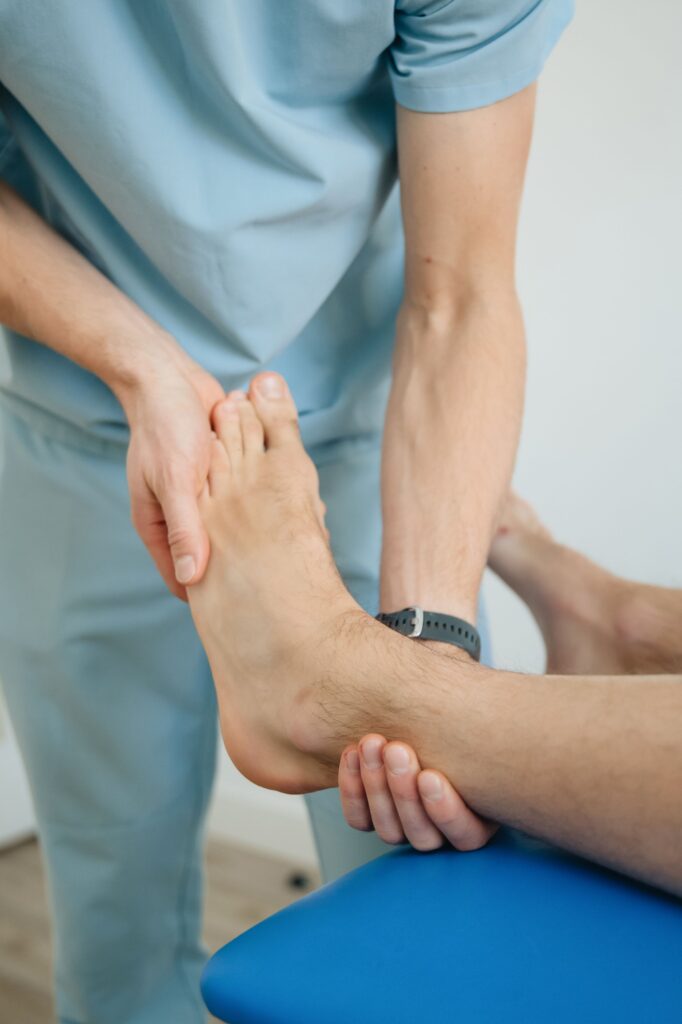
An accurate diagnosis from a podiatrist is essential to distinguish general arch pain from plantar fasciitis and other heel disorders. A thorough evaluation includes a detailed history, targeted physical exam, and biomechanical assessment to pinpoint the source of pain and inform a specific treatment plan. Regular re-assessment is crucial for persistent or worsening pain to track response and adjust treatment options accordingly.
Gait Analysis
Gait analysis is a systematic observation and measurement of walking and running to identify abnormal foot mechanics that strain the heel. Clinician observation, high-speed video, or instrumented treadmill data show the timing of heel strike, midstance behavior, and toe-off.
Overpronation, excessive supination, or lateralized loading manifest as changed foot rollover and step length or stance time asymmetry. These patterns can be associated with chronic heel pain when the medial arch buckles under load. Detection allows for specific measures such as motion-control shoes or posting in orthotics to address the abnormality.
Advantages are objective baseline information, more focused orthotic prescriptions, and quantifiable follow-up differences post-shoe or therapy, which aids in customizing strength and mobility exercises for the tibialis posteriors, peroneals, and calves.
Metric | Before Intervention | After Intervention |
Peak medial arch collapse (mm) | 8.5 | 4.2 |
Stance time asymmetry (%) | 12 | 3 |
Medial forefoot pressure (kPa) | 320 | 210 |
Pressure Mapping
Pressure mapping illustrates plantar load distribution when standing and during gait using sensor mats or in-shoe devices. It emphasizes localized high-pressure areas at the heel or along the arch that indicate poor support and possible locations of tissue overload.
Maps can highlight increased heel peak pressure and concentrated medial forefoot load when an arch doesn’t ‘share’ load. These results connect directly to deficient arch support as a cause of persistent heel pain and inform unloading strategies.
Pressure data backs orthotic surgeons with custom shaping and material selection to redistribute force away from the complaint site and rapidly prototype tests.
Region | Peak Pressure (kPa) | Note |
Central heel | 480 | High peak, target for offload |
Medial arch | 150 | Low contact, supports needed |
Lateral midfoot | 200 | Compensatory load |
Physical exam and ultrasound supplement these tests. Diagnostic evaluation with palpation, calcaneal compression, and passive dorsiflexion reproduces pain in plantar fasciitis. Ultrasound using a 5 to 10 MHz linear probe reliably measures plantar fascia thickness. Intra-rater limits of agreement of approximately -0.7 mm to 0.5 mm support repeat use. Subcalcaneal spurs are more common in chronic plantar heel pain at 45% compared to 2%. Radiographs are often normal but may display sclerosis or fragmentation if present. Ultrasound remains a helpful, convenient diagnostic method.
Custom Orthotics Versus Insoles
Custom orthotics are specifically designed to fit an individual’s foot shape and gait mechanics, making them a vital option for those experiencing arch pain. Unlike generic insoles, which are mass-manufactured to fit an “average” foot that doesn’t exist, custom devices are fitted using foot molds, gait analysis, or 3D scanning. This process records arch height, pressure, and motion to create a shell or insert that attempts to correct particular misalignments. While generic insoles may attempt to relieve general foot fatigue and provide cushioning, they do not address the structural forces that generate chronic heel pain.
Custom orthotics offer precise arch support that can realign biomechanics and reduce tension on tendons and ligaments. By returning your feet to a more neutral alignment, orthotics help alleviate pain associated with conditions like plantar fasciitis and Achilles tendinitis. For individuals with flat feet, high arches, overpronation, or persistent arch pain, this specialized support often provides relief that general padding cannot. These alignment shifts can also relieve related knee, hip, or lower back symptoms by adjusting the kinetic chain from the foot upward.
There is a well-defined role for over-the-counter insoles, which serve as a first line of defense for minor to moderate foot fatigue, particularly for those who stand for long periods. Insoles that provide extra cushioning and mild arch lift can alleviate temporary discomfort. Very soft insoles may feel nice initially but tend to compress quickly and do not address alignment issues or reduce long-term strain.
Key differences at a glance: custom orthotics are recommended for stubborn or complicated issues like plantar fasciitis, pronounced overpronation, severe flat feet, high arches, or persistent knee, hip, or back pain. An over-the-counter insole can be a good starting point for minor problems, but if pain persists, it may be time to see a podiatrist for a custom solution that addresses your specific condition.
- Materials: Custom orthotics use semi-rigid plastics, carbon fiber, or layered composites. Insoles use foam, gel, or basic EVA.
- Fit: Custom devices are molded to foot contours. Insoles are available in standard sizes and trim-to-fit shapes.
- Effectiveness: Custom orthotics can change foot mechanics and reduce chronic pain. Insoles mainly provide cushioning and temporary relief.
- Longevity: Custom orthotics last roughly 2 to 5 years with normal use. Insoles wear out and must be replaced every 6 to 24 months.
- Adjustment period: Both may cause mild discomfort during the first one to two weeks as the foot adapts.
When dealing with arch pain or other foot-related issues, understanding the importance of custom orthotics can lead to significant improvements in comfort and mobility. The right support not only alleviates pain but also enhances overall foot health, making it essential to choose the appropriate treatment options based on individual needs.
The Kinetic Chain Perspective
The kinetic chain is the concept that the body functions as an interconnected system of joints, muscles, and connective tissue, where motion at one joint influences others. In foot health, this is particularly relevant since the arch of your foot is the first dynamic chain meeting ground forces. Poor arch support can change load paths through the foot and redirect forces up the kinetic chain. This shift can decrease shock absorption at the foot and increase impact at the ankle, knee, hip, and spine, leading to various foot pain issues.
A small issue at the arches can trigger a cascade of problems. Imagine a train car wobbling and passing energy down the line. An overcollapsed arch can generate excessive foot roll inward or overpronation, which twists the tibia and alters knee tracking. This modified tracking can increase medial knee stress and change hip muscle activation. Over time, these adaptations can manifest as sore muscles, calf pain, and greater susceptibility to stress fractures. Common causes of discomfort like plantar fasciitis and Achilles tendinitis arise because the connective tissues absorb these abnormal loads, highlighting the importance of proper treatment options.
Abnormal movement in one link tends to cause compensations that render one side of the body abnormally weak or tight. For instance, a patient with low medial arch support may prefer external hip rotation to land in a stable foot position, resulting in asymmetry. This imbalance can disrupt balance and increase fall risk, particularly in older adults or runners recovering from injury. By applying the kinetic chain perspective, we can shift the focus from treating heel pain in isolation to understanding how foot posture impacts ankle dorsiflexion, knee flexion angles, hip extension, and spine alignment during gait and running mechanics.
Assessment should be holistic. Gait analysis, joint range testing, and strength screening of the posterior chain and hip stabilizers reveal where compensations occur. Imaging and foot orthotic trials add data but do not replace dynamic testing. Interventions must combine local support with system-level work. This includes custom or prefabricated orthoses to restore arch height, targeted strengthening exercises for intrinsic foot muscles, and gait retraining to correct timing and alignment, ensuring effective treatment for conditions like arch pain and Achilles tendinitis.
Clinical Recovery Protocol
A clinical recovery protocol frames the path from acute pain control to long-term biomechanical correction in plantar heel pain. It integrates activity modification, focused therapy, and treatment options to both treat symptoms and target common causes.
Step-By-Step Recovery Plan
- Initial phase, pain control and inflammation: Reduce load, apply ice, use compression and elevation, begin analgesics as appropriate, and consider short-term immobilization.
- Assessment and baseline measurement: Collect validated patient-reported outcome measures (PROMs) to record pain, function, and activity limits. Use these scores to set goals and track progress.
- Manual therapy and mobility work include soft-tissue mobilization, joint mobilization to improve ankle and foot mobility, and pain-guided stretching to restore range of motion.
- Restorative exercise introduction: Start low-load, pain-informed stretching and strengthening focusing on plantar fascia, intrinsic foot muscles, and calf complex.
- Footwear and orthotic intervention: Fit supportive shoes and consider custom orthotics or shoe modifications to unload the plantar fascia during daily and athletic tasks.
- Progressive loading and conditioning: Advance exercise intensity as PROMs and pain response allow. Add balance, single-leg work, and functional strengthening.
- Adjuncts for chronic cases: For symptoms beyond six months, consider night splints and review adherence to prior steps before escalating care.
- Regular reassessment and plan adjustment: repeat PROMs and objective tests at set intervals. Tweak the plan if progress stalls or new deficits emerge.
Restorative Exercises
- Towel stretch (seated, pull toes and ankle into dorsiflexion with towel around forefoot).
- Calf raises (double-leg to single-leg, with slow eccentric emphasis).
- Toe curls and marble pickups (intrinsic muscle activation).
- Plantar fascia-specific stretch, such as cross-legged toe pull or wall stretch.
- Ankle dorsiflexion mobilization and resisted band work for the tibialis anterior.
Every day, stretching and strengthening exercises should be performed, holding for 30 to 60 seconds, 3 to 4 times. Start your treatment options with low reps and a slow tempo, 1 to 2 sessions per day for early recovery, then progress to 3 sessions per week as your load tolerance increases. Advance by incorporating sets, range, or unilateral work when pain is less than 3 out of 10 and when PROMs improve.
Corrective Footwear
Choose shoes that offer good arch support and a firm heel counter to prevent common causes of arch pain. Avoid high heels and flip-flops, as they can contribute to inflammation of the plantar fascia. Incorporating custom orthotics into both your day and athletic shoes can provide advanced treatment options for foot pain. Reevaluate fit regularly for optimal comfort and support.
Conclusion
Indeed, it can, as poor arch support can result in persistent strain on the heel and surrounding tissues. Over time, that stress wears down the plantar fascia, strains tendons, and shifts how the lower limb moves. Symptoms include heel pain on first steps, pain after activity, and uneven shoe wear. A few quick checks and gait tests identify a lot of things sooner rather than later. Custom orthotics fit foot shape and weight load. Over-the-counter insoles save some folks time and are cheap. Rehab that combines load management, specific exercise, and a slow resumption of activity accelerates recovery and prevents relapse. For chronic cases, combine imaging and biomechanical review with customized devices. Try a short self-check: compare shoe wear, test single-leg balance, and note pain timing. If the pain persists beyond four weeks, visit a specialist for a targeted treatment plan.
Frequently Asked Questions
1. Can Weak Or Fallen Arches Cause Chronic Heel Pain?
Yes. Poor arch support changes foot mechanics and often stresses the plantar fascia ligament, causing chronic heel pain and inflammation of the plantar fascia.
2. How Does Poor Arch Support Create Structural Damage?
Without support, bones and soft tissues overload, leading to arch pain and conditions like tendinitis and ligament strain that fuel chronic pain.
3. What Tests Can Confirm Arch-Related Heel Pain?
Clinicians, particularly podiatrists, rely on physical exams, gait analysis, and imaging like ultrasound or X-ray to quickly identify common causes of arch pain.
4. Do Custom Orthotics Work Better Than Over‑The‑Counter Insoles?
Custom orthotics, designed to support the arch of your foot, tend to offer a better fit and more specific correction than OTC insoles, which aid mild cases of arch pain.
5. Can Strengthening And Therapy Reduce Heel Pain From Poor Arches?
Yes. These targeted therapies from a podiatrist help improve arch function, reduce arch pain, and accelerate recovery while minimizing the risk of recurrence.
6. When Should I See A Specialist For Heel Pain?
If pain lasts more than six weeks, worsens, limits activity levels, or doesn’t improve with rest and simple measures, see a podiatrist for advanced treatment options.
7. Can Poor Arch Support Affect Other Joints?
Yes. Therefore, altered foot mechanics can lead to increased stress on your ankles, knees, hips, and lower back, which may cause secondary pain and injury, including arch pain.
Is Overpronation Affecting The Way You Walk?
Overpronation is more than just a foot issue. When your feet roll inward too much with each step, it can affect your entire body. This imbalance places added stress on your ankles, knees, hips, and lower back, often leading to foot pain, fatigue, poor posture, and recurring discomfort that may seem unrelated to your feet.
At The Shoe Doctor, we identify the root cause of overpronation through advanced 3D foot-mapping technology and detailed gait analysis. By evaluating how your feet move and how your body responds during every step, we gain a clear understanding of your biomechanics. This allows us to pinpoint abnormal movement patterns and determine the best solution to improve your gait and overall alignment.
Once we’ve completed your assessment, we design custom orthotics that provide the right level of support for your unique foot structure and walking pattern. Proper gait correction helps distribute pressure more evenly, improves stability, reduces stress on your joints, and encourages more efficient movement throughout your daily activities.
With more than 20 years of experience, Russell has helped countless people walk with greater comfort, confidence, and stability. If you’re experiencing foot pain, recurring injuries, or discomfort that may be linked to overpronation, schedule your free consultation with The Shoe Doctor today and discover how personalized gait correction can help you move better every day.
Disclaimer
The materials available on this website are for informational and entertainment purposes only and are not intended to provide medical advice. You should contact your doctor for advice on any particular issue. You should not act or refrain from acting based on any content included in this site without seeking medical or other professional advice. The information presented on this website may not reflect the most current medical developments. No action should be taken in reliance on the information contained on this website, and we disclaim all liability for actions taken or not taken based on any or all of the contents of this site to the fullest extent permitted by law.