Athletes constantly push their bodies to perform at a high level. Whether competing in endurance sports, team athletics, strength training, or recreational fitness activities, success often depends on efficient movement patterns and proper biomechanical function. Even small imbalances within the body can influence how an athlete runs, jumps, pivots, lands, and generates force.
One biomechanical issue that frequently goes unnoticed is a leg length discrepancy (LLD). Many people assume both legs are the same length, but research and clinical observations suggest that slight differences are actually very common. In many cases, these differences are so minor that they cause no noticeable symptoms. However, when a discrepancy becomes larger or when an athlete’s body struggles to compensate effectively, the imbalance may contribute to pain, movement inefficiencies, and recurring injuries.
Athletes often ask whether it is safe to continue participating in sports with uneven leg lengths. The answer depends on several factors, including the severity of the discrepancy, the athlete’s biomechanics, the sport being played, and how the body adapts to the imbalance. Some athletes compete successfully for years without knowing they have a leg length discrepancy, while others experience chronic discomfort that affects both performance and recovery.
The good news is that having a leg length discrepancy does not automatically prevent someone from participating in sports. Through proper assessment, gait analysis, 3D foot mapping, and personalized treatment recommendations, many athletes can continue training and competing comfortably while minimizing injury risk.
Understanding how leg length discrepancies affect athletic performance is the first step toward making informed decisions about long-term health, mobility, and success in sports.
Key Takeaways
- Many athletes successfully compete despite having a leg length discrepancy.
- Uneven leg lengths may affect posture, movement efficiency, and force distribution.
- Symptoms can include lower back pain, hip discomfort, knee pain, foot fatigue, and recurring injuries.
- Structural and functional leg length discrepancies require different treatment approaches.
- Compensation patterns often play a larger role in symptoms than the discrepancy itself.
- Gait analysis and 3D foot mapping help identify biomechanical imbalances.
- Custom orthotics may help improve alignment, stability, and movement efficiency.
- Early evaluation can help reduce injury risk and support long-term athletic performance.
Understanding Leg Length Discrepancy In Athletes
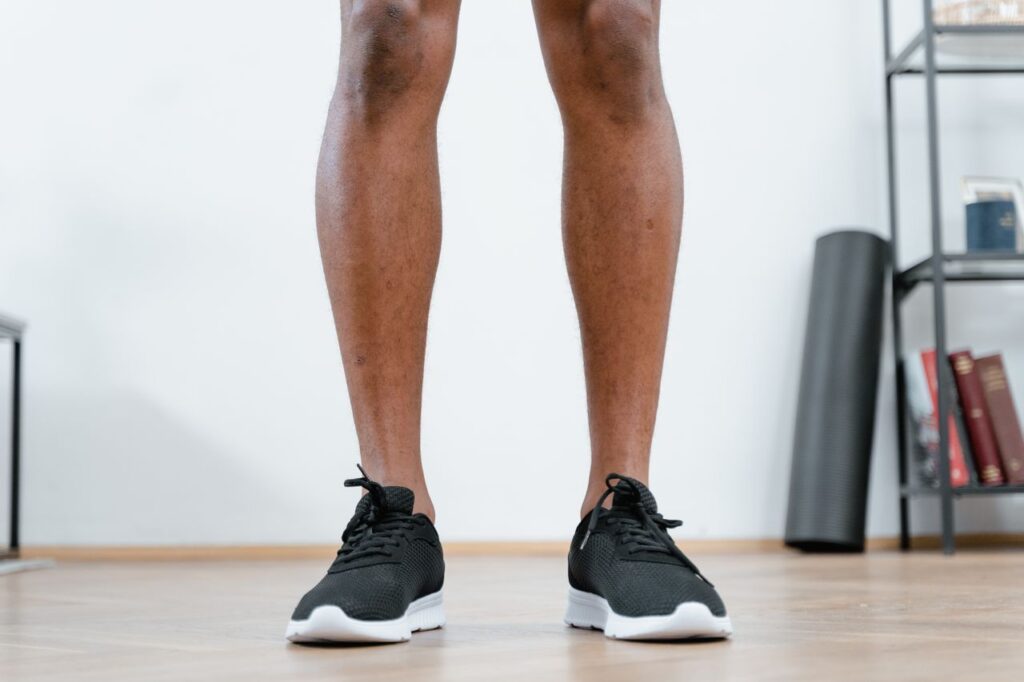
A leg length discrepancy occurs when one lower limb is longer or shorter than the other. The difference may be extremely small or more substantial, ranging from a few millimeters to several centimeters.
For athletes, even small differences can become important because of the repetitive nature of training and competition. Every stride, jump, squat, sprint, and change of direction places forces on the body. When those forces are distributed unevenly, certain muscles and joints may absorb more stress than others.
The body naturally attempts to maintain balance when a discrepancy exists. To accomplish this, compensation can occur throughout the kinetic chain, including the feet, ankles, knees, hips, pelvis, and spine. These adjustments often allow athletes to continue functioning effectively, but they may also create movement patterns that increase stress on specific tissues over time.
Many athletes remain unaware of a discrepancy until they begin experiencing symptoms such as chronic tightness, recurring injuries, or persistent discomfort. Others discover the issue during a biomechanical evaluation performed to investigate a seemingly unrelated problem.
Understanding how the body compensates is often more important than simply measuring the difference between the legs. Two athletes with identical measurements may experience completely different outcomes depending on their strength, flexibility, movement mechanics, and training demands.
How Common Is Leg Length Discrepancy Among Athletes?
Leg length discrepancies are surprisingly common in both athletes and non-athletes. Studies suggest that a majority of the population has at least some measurable difference between the right and left leg. Perfect symmetry is actually relatively uncommon.
For most individuals, these differences are small and never become problematic. However, athletes often place significantly greater demands on their bodies than the average person. High training volumes, repetitive movement patterns, and intense physical stress can magnify biomechanical imbalances that might otherwise go unnoticed.
Many professional and elite athletes have competed successfully despite having measurable leg length differences. What often determines whether symptoms develop is not simply the size of the discrepancy but how the athlete’s body responds to it.
Several factors influence symptom development, including training intensity, recovery habits, previous injuries, muscular strength, flexibility, sport-specific demands, and foot structure. An athlete with excellent movement mechanics may tolerate a discrepancy remarkably well, while another athlete with a similar difference may experience recurring injuries.
This is one reason why comprehensive biomechanical assessments are so valuable. They provide insight into how the athlete’s body functions during movement rather than focusing solely on static measurements.
Structural Vs. Functional Leg Length Discrepancies
Not all leg length discrepancies are the same. Understanding the distinction between structural and functional discrepancies is essential because treatment approaches may differ significantly.
Structural Leg Length Discrepancy
A structural leg length discrepancy occurs when the actual bones of one leg are physically longer or shorter than those of the opposite leg. The difference exists within the skeletal structure itself.
Structural discrepancies may result from congenital conditions, developmental abnormalities, growth plate injuries, fractures, or surgical procedures. Because the difference is built into the skeletal framework, the body must continually compensate during standing, walking, and athletic activity.
Depending on the size of the discrepancy, athletes may experience altered posture, asymmetrical loading patterns, and increased stress on specific joints.
Functional Leg Length Discrepancy
A functional discrepancy occurs when the legs are anatomically similar in length, but biomechanical factors create the appearance of uneven legs.
Common contributors include pelvic tilt, foot pronation, arch collapse, muscle imbalances, joint restrictions, and postural abnormalities. In these cases, the discrepancy is not caused by differences in bone length but by how the body moves and aligns itself.
Because functional discrepancies originate from movement dysfunction, treatment often focuses on correcting biomechanical issues and improving overall movement quality.
Proper evaluation is critical because treating a functional discrepancy as though it were structural may not address the underlying cause of symptoms.
Can Athletes Compete Safely With Uneven Leg Length?
The short answer is yes. Many athletes continue to participate safely and successfully in sports despite having a leg length discrepancy.
However, the degree of safety and performance often depends on how effectively the body manages the imbalance. Some athletes develop highly efficient compensation strategies that allow them to perform without significant limitations. Others experience pain, fatigue, and recurring injuries that interfere with training and competition.
The size of the discrepancy is certainly important, but it is only one piece of the puzzle. An athlete’s strength, flexibility, movement mechanics, sport-specific demands, and injury history also play major roles in determining whether problems develop.
For example, a recreational golfer may tolerate a mild discrepancy with few issues, while a competitive distance runner performing thousands of repetitive strides each week may experience greater biomechanical stress. Similarly, a basketball player who frequently jumps and lands may encounter different challenges than a cyclist whose movement patterns are more controlled and repetitive.
Athletes experiencing recurring symptoms should not assume discomfort is simply a normal part of sports participation. Persistent pain often indicates that compensation patterns are creating excessive stress somewhere within the body.
Rather than focusing solely on the discrepancy itself, a comprehensive evaluation examines how the athlete moves, where compensation occurs, and whether interventions may improve function and reduce injury risk.
Many athletes find that addressing underlying biomechanical issues allows them to continue participating comfortably while improving overall movement efficiency.
How Leg Length Discrepancy Affects Athletic Performance
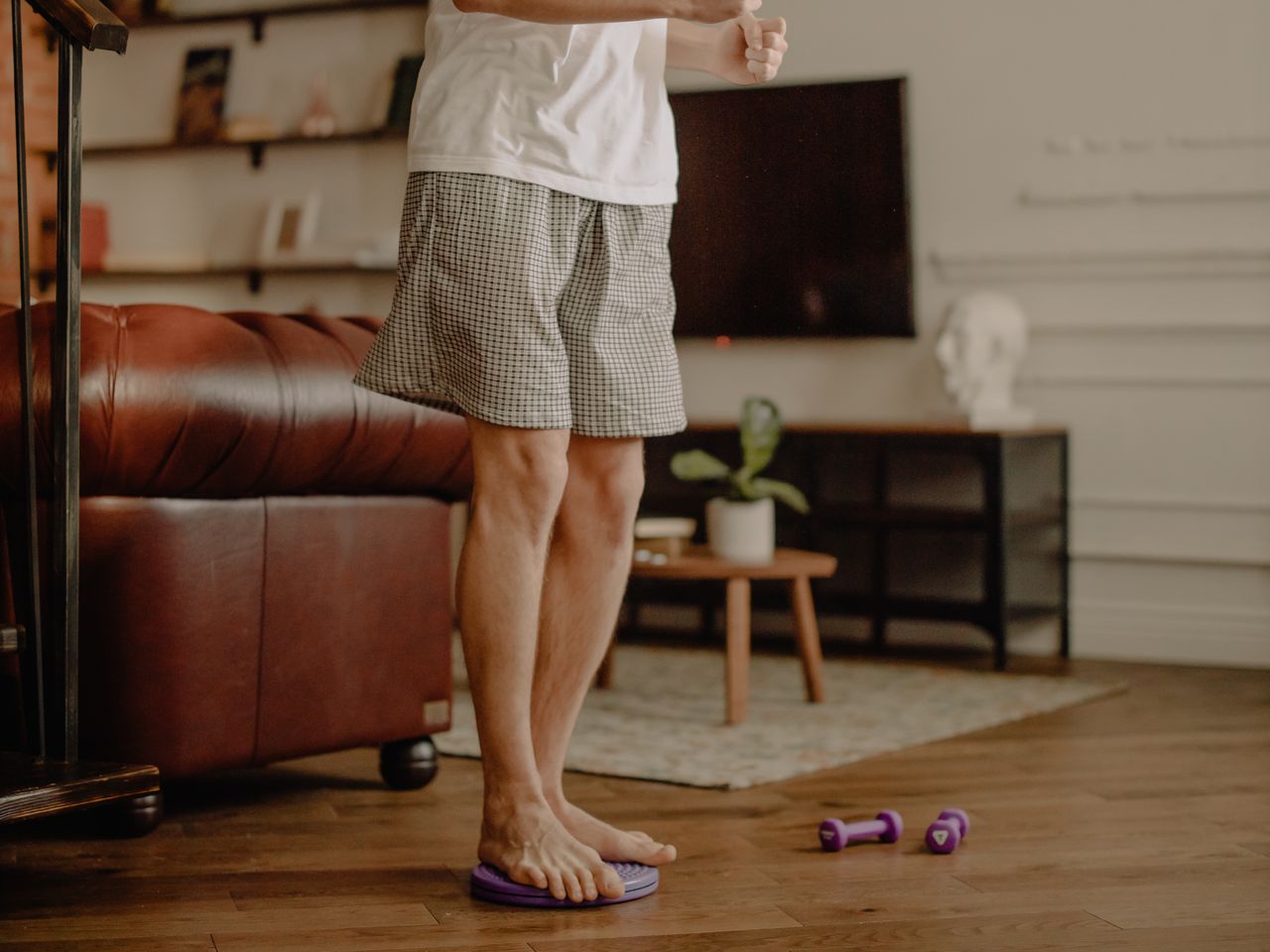
Athletic performance depends heavily on efficient movement. Small biomechanical inefficiencies may seem insignificant initially, but they can become increasingly important when repeated thousands of times during training and competition.
One of the most common ways a leg length discrepancy affects performance is through altered running mechanics. Running requires coordinated movement between the feet, ankles, knees, hips, pelvis, and spine. When one leg is longer than the other, the body may adjust stride length, foot strike patterns, and force production to maintain forward movement.
These adjustments can reduce efficiency and increase energy expenditure. Over time, athletes may notice earlier fatigue, decreased endurance, or difficulty maintaining consistent performance.
Force distribution may also become uneven. Every athletic movement generates forces that travel through the body. Ideally, those forces are distributed efficiently across muscles, tendons, and joints. When asymmetry is present, certain tissues may absorb greater stress than others, increasing the likelihood of overuse injuries.
Common Injuries Associated With Leg Length Discrepancy
Not every athlete with a leg length discrepancy develops injuries. However, uneven loading patterns and long-term compensation strategies can increase stress on specific tissues throughout the body. Over time, this added stress may contribute to recurring pain and overuse injuries that interfere with training and competition.
Lower back pain is one of the most common complaints. When one leg is longer than the other, the pelvis often tilts to accommodate the difference. Because the spine sits directly on top of the pelvis, it may develop compensatory curves that increase stress on the lower back. Athletes frequently describe stiffness, recurring soreness, or discomfort that worsens after prolonged activity.
Hip pain is another common issue. The hips play a major role in stabilizing the body during movement, and uneven loading can place additional strain on the muscles and joints surrounding the pelvis. Athletes may experience tight hip flexors, gluteal discomfort, reduced mobility, or pain during running and jumping activities.
Knee problems are also frequently associated with biomechanical asymmetries. Uneven force distribution can alter how the knee tracks during movement, potentially contributing to runner’s knee, patellofemoral pain syndrome, tendon irritation, and chronic joint discomfort.
The feet and ankles often absorb significant compensation forces as well. Some athletes develop plantar fasciitis, Achilles tendon irritation, arch pain, or chronic foot fatigue. Because the feet serve as the foundation of movement, abnormal mechanics at ground level can influence the entire kinetic chain.
These injuries often develop gradually rather than suddenly. Athletes may spend months treating symptoms without realizing that an underlying biomechanical imbalance is contributing to the problem.
Signs An Athlete May Need Evaluation
Athletes are often conditioned to push through discomfort. While temporary soreness is a normal part of training, persistent symptoms should not be ignored.
Recurring injuries are one of the strongest indicators that a comprehensive biomechanical evaluation may be beneficial. If the same problem continues returning despite appropriate treatment, it may be necessary to investigate whether movement dysfunction is contributing to the issue.
Other warning signs include chronic lower back pain, recurring hip discomfort, knee pain that develops during activity, persistent foot fatigue, uneven shoe wear, balance problems, and excessive muscle tightness that never seems to fully resolve.
Athletes may also notice declining performance, reduced endurance, or difficulty recovering from training sessions. These issues are sometimes attributed to conditioning or age when the true cause may involve inefficient movement patterns.
The earlier these symptoms are evaluated, the easier it may be to address compensation patterns before they become deeply ingrained.
Why Proper Evaluation Matters
Many athletes spend years focusing exclusively on symptom management. They stretch tight muscles, strengthen weak areas, receive massage therapy, or modify their training programs. While these strategies may provide temporary relief, they do not always address the root cause of the problem.
A proper biomechanical evaluation examines how the body functions as a complete system. Rather than focusing on isolated symptoms, clinicians evaluate posture, alignment, movement quality, force distribution, and compensation patterns.
This process helps answer several important questions:
- Is a leg length discrepancy present?
- Is it structural or functional?
- How is the athlete compensating?
- Which tissues are experiencing excessive stress?
- What interventions may improve movement efficiency?
By identifying the underlying factors contributing to discomfort, athletes can pursue treatment strategies that target the source of the problem rather than simply masking symptoms.
The Role Of Gait Analysis In Athletic Performance
Gait analysis is one of the most valuable tools available for evaluating athletic movement.
While static measurements provide useful information, many biomechanical issues become more apparent when the body is in motion. Watching how an athlete walks or runs often reveals compensation patterns that cannot be identified while standing still.
A comprehensive gait analysis may evaluate stride length, cadence, weight transfer, foot positioning, joint motion, pelvic movement, and balance strategies. These observations provide important insight into how forces move through the body during activity.
For athletes, even small inefficiencies can become significant because of the repetitive nature of training. A runner may take thousands of strides during a single workout. A soccer player may perform countless accelerations, decelerations, and directional changes throughout a season.
If inefficient movement patterns are present, the cumulative effect can increase fatigue, reduce performance, and elevate injury risk.
Gait analysis helps identify these issues and provides valuable information that can guide treatment planning, orthotic design, and movement retraining strategies.
The Importance Of 3D Foot Mapping
The feet serve as the foundation for every athletic movement. Whether sprinting down a track, jumping for a rebound, changing direction on a soccer field, or performing a heavy squat, the feet are the body’s primary point of contact with the ground.
Modern 3D foot mapping technology provides detailed information about foot structure and function. Unlike traditional visual assessments, advanced mapping systems can measure pressure distribution, arch characteristics, weight-bearing patterns, and areas of excessive stress.
For athletes with leg length discrepancies, this information is especially valuable because compensation often begins at ground level.
An athlete may unknowingly shift weight toward one side, place excessive pressure on certain areas of the foot, or develop movement patterns that increase strain throughout the lower extremities.
By identifying these issues, clinicians can gain a clearer understanding of how the athlete’s body adapts to asymmetry. This information often plays an important role in developing personalized treatment recommendations and custom orthotic solutions.
Can Custom Orthotics Help Athletes With Leg Length Discrepancies?
Custom orthotics are frequently recommended as part of a comprehensive biomechanical treatment plan.
Unlike generic inserts purchased from a store, custom orthotics are designed specifically for the individual’s anatomy, movement patterns, activity level, and performance goals.
Depending on the athlete’s needs, custom orthotics may help improve alignment, enhance stability, support efficient movement mechanics, and distribute pressure more evenly throughout the foot.
In cases involving structural leg length discrepancies, orthotics may incorporate modifications such as heel lifts or other adjustments designed to compensate for measurable differences in leg length. These modifications can help improve pelvic alignment and reduce excessive compensation throughout the body.
For functional discrepancies, custom orthotics may focus on correcting biomechanical issues such as overpronation, arch collapse, or foot instability. Improving foot function can often have positive effects throughout the knees, hips, pelvis, and spine.
Although orthotics are not performance-enhancing devices, they may help create a more efficient biomechanical environment. Athletes often report improved comfort, better balance, reduced fatigue, and greater confidence during training when movement inefficiencies are addressed.
Sport-Specific Considerations
The impact of a leg length discrepancy often depends on the specific sport being played.
Distance runners are particularly susceptible to repetitive stress injuries because they perform thousands of strides each week. Even minor biomechanical inefficiencies may become magnified over time, potentially contributing to shin splints, Achilles tendon irritation, plantar fasciitis, and runner’s knee.
Basketball players place substantial demands on their bodies through jumping, landing, sprinting, and rapid directional changes. Stability and force distribution are critical, making efficient biomechanics especially important.
Soccer players must repeatedly accelerate, decelerate, pivot, and kick. Asymmetrical loading patterns can increase stress on the hips, knees, and lower legs, particularly during long seasons.
Golfers may not experience the same impact forces as runners, but they rely heavily on balanced rotational movement. A leg length discrepancy may influence weight transfer, swing mechanics, and overall consistency.
Strength athletes such as powerlifters and weightlifters depend on proper alignment to generate force efficiently. Imbalances may affect squat mechanics, deadlift positioning, and overall movement quality under heavy loads.
Each sport presents unique challenges, which is why individualized assessment remains so important.
Why A Root-Cause Approach Matters
Many athletes become trapped in a cycle of treating symptoms without addressing the factors contributing to those symptoms. They may receive temporary relief from pain-management strategies, only to have the problem return weeks or months later.
A root-cause-focused approach seeks to identify why symptoms are occurring in the first place.
Rather than simply treating a sore knee or tight hip, clinicians evaluate the movement patterns, alignment issues, and biomechanical factors that may be increasing stress on those areas.
This approach often leads to more sustainable results because it addresses the source of dysfunction rather than only its consequences.
For athletes who want to remain active and competitive over the long term, understanding the root cause of movement problems can be invaluable.
How The Shoe Doctor Helps Athletes With Leg Length Discrepancies
At The Shoe Doctor, athletes receive individualized evaluations designed to uncover the biomechanical factors affecting movement, comfort, and performance.
Rather than relying on generalized recommendations, the assessment process focuses on understanding the athlete’s unique anatomy, movement patterns, training demands, and performance goals.
Services may include comprehensive biomechanical assessments, advanced gait analysis, 3D foot mapping, orthotic evaluations, and personalized treatment recommendations.
By examining how the entire body functions during movement, THE SHOE DOCTOR helps athletes identify compensation patterns that may contribute to pain, recurring injuries, and reduced performance efficiency.
This detailed, root-cause-focused approach allows athletes to gain valuable insight into how their bodies move and explore solutions tailored specifically to their needs.
Conclusion
Many athletes successfully train, compete, and perform at high levels despite having a leg length discrepancy. However, uneven leg lengths can influence posture, balance, force distribution, movement efficiency, and injury risk. The impact varies significantly depending on the severity of the discrepancy, the athlete’s biomechanics, and the demands of their sport.
Recognizing symptoms early and understanding how the body compensates can help athletes make more informed decisions about their health and performance. Comprehensive evaluations, gait analysis, and 3D foot mapping provide valuable insights into movement patterns that may otherwise go unnoticed.
Whether a discrepancy is structural or functional, identifying the root cause of dysfunction is often the first step toward improving comfort, reducing injury risk, and supporting long-term athletic success.
Frequently Asked Questions
1. Can Athletes Compete At A High Level With A Leg Length Discrepancy?
Yes. Many athletes successfully compete at recreational, collegiate, and professional levels despite having measurable leg length differences.
2. Does A Leg Length Discrepancy Always Cause Injuries?
No. Some athletes experience no symptoms at all. Problems typically develop when compensation patterns place excessive stress on specific tissues.
3. Can Custom Orthotics Improve Athletic Performance?
Custom orthotics are designed to improve alignment, comfort, and biomechanics. While they are not performance-enhancing devices, improved movement efficiency may support athletic performance.
4. How Do I Know If A Leg Length Discrepancy Is Affecting My Sport?
Recurring injuries, chronic discomfort, balance problems, abnormal fatigue, and declining performance may indicate that biomechanical factors are influencing athletic function.
5. Is Gait Analysis Useful For Athletes?
Absolutely. Gait analysis provides valuable information about movement mechanics, compensation strategies, and potential injury risks that may affect performance.
6. What Does 3D Foot Mapping Reveal?
3D foot mapping evaluates foot structure, pressure distribution, arch characteristics, and weight-bearing patterns to help identify biomechanical imbalances.
Could A Leg Length Discrepancy Be The Hidden Cause Of Your Pain?
You may not think about the length of your legs, but even a small difference can have a big impact on how you feel every day. A leg length discrepancy can throw your body out of balance, forcing your feet, knees, hips, and back to compensate with every step. Over time, that extra strain can lead to chronic pain, poor posture, fatigue, and movement problems that seem to have no clear cause.
At The Shoe Doctor, we help uncover the source of these issues by looking at how your body functions from the ground up. Using advanced 3D foot-mapping technology, we analyze your foot structure, gait, and overall alignment to see how a leg length discrepancy may be affecting your movement. Many people are surprised to learn that correcting this imbalance can improve comfort throughout their entire body.
Once we identify the problem, we create custom orthotics tailored to your unique needs. These orthotics help promote better balance, improve alignment, and reduce the stress that uneven leg lengths can place on your joints and muscles. The result is smoother movement, better stability, and less pain with everyday activities.
With more than 20 years of experience, Russell has helped countless people regain comfort and confidence in the way they move. If you’ve been dealing with unexplained pain or feeling off balance, now is the time to find out why. Schedule your free consultation today and take the first step toward a stronger, more balanced body.
Disclaimer
The materials available on this website are for informational and entertainment purposes only and are not intended to provide medical advice. You should contact your doctor for advice concerning any particular issue or problem. You should not act or refrain from acting based on any content included in this site without seeking medical or other professional advice. The information presented on this website may not reflect the most current medical developments. No action should be taken in reliance on the information contained on this website, and we disclaim all liability for actions taken or not taken based on any or all of the contents of this site to the fullest extent permitted by law.