Every step you take relies on a coordinated system of bones, muscles, joints, ligaments, and nerves working together. When everything moves as intended, walking feels natural and effortless. However, even small changes in the way your feet strike the ground or how your body distributes weight can gradually affect your comfort and mobility. These changes are often referred to as gait misalignment.
Recognizing gait misalignment symptoms early can help you address minor problems before they become more significant. Many people assume occasional foot pain, sore knees, or an aching back are simply part of getting older or spending long hours on their feet. In reality, these issues may be signs that your walking pattern is placing unnecessary stress on your body.
Your gait influences much more than your feet. It affects your ankles, knees, hips, pelvis, spine, and even your posture. If one area is not functioning properly, your body often compensates by changing how it moves. Over time, these compensations may lead to discomfort, reduced efficiency, and an increased risk of injury.
Fortunately, gait misalignment is not something you have to guess about. Modern gait assessments, including digital pressure analysis and 3D foot mapping, can provide detailed information about how you move. Combined with personalized treatment options such as custom orthotics, footwear recommendations, strengthening exercises, and mobility training, many people experience improved comfort and confidence with every step.
Understanding the warning signs is the first step toward protecting your long-term mobility. The earlier you recognize potential problems, the sooner you can work toward a healthier, more balanced gait.
Key Takeaways
- Gait misalignment affects how your entire body moves, not just your feet.
- Foot pain, knee discomfort, hip soreness, and lower back pain can all be related to an inefficient walking pattern.
- Uneven shoe wear often provides one of the earliest clues that your gait is abnormal.
- Overpronation and other biomechanical issues may increase stress on joints throughout your body.
- Professional gait analysis can identify movement patterns that are difficult to notice on your own.
- Personalized treatment plans often combine custom orthotics, supportive footwear, exercises, and ongoing monitoring.
- Addressing gait problems early may reduce discomfort and improve long-term mobility.
Why Your Gait Matters More Than You Think
Your Gait Reflects How Your Body Functions As A Whole
Walking is one of the most repetitive movements you perform every day. Whether you are working, exercising, shopping, or simply moving around your home, your body repeats thousands of steps. Each step transfers force through your feet and upward into your joints.
A healthy gait distributes these forces evenly. When alignment changes, certain muscles and joints work harder than they should. Over weeks, months, or years, this additional stress may contribute to pain, fatigue, and reduced movement efficiency.
Your gait is not just about foot placement. It also includes stride length, walking speed, joint motion, balance, posture, and weight distribution. Because these elements work together, a problem in one area often affects several others.
Small Movement Changes Can Create Larger Problems.
Many gait issues develop gradually. You may not notice that your foot rolls inward slightly more than before or that one leg carries more weight than the other.
Your body naturally adapts to these changes. Muscles tighten to stabilize unstable joints, while other muscles become weaker because they are no longer being used efficiently. These compensations can eventually contribute to discomfort throughout your lower body.
Ignoring early gait changes allows these movement patterns to become habits that are more difficult to correct later.
Every Person Has Unique Biomechanics.
No two people walk the same way. Factors such as foot structure, flexibility, muscle strength, previous injuries, age, and daily activities all influence your movement.
This is why personalized assessments are valuable. Rather than relying on generalized advice, a gait evaluation measures how your body specifically moves during standing and walking.
Understanding your individual biomechanics helps identify solutions that fit your unique needs instead of applying one-size-fits-all recommendations.
Common Gait Misalignment Symptoms You Should Not Ignore
Persistent Foot Discomfort
Foot pain is often the first sign that something is affecting your gait. The discomfort may appear in the heel, arch, ball of the foot, or toes. Some people notice soreness after long walks, while others feel pain immediately upon standing.
Pain does not always indicate a serious injury. Sometimes it simply reflects repeated stress caused by uneven pressure distribution during walking.
If the discomfort consistently returns despite rest or changing shoes, it may be worth evaluating your gait.
Pain That Travels Beyond Your Feet
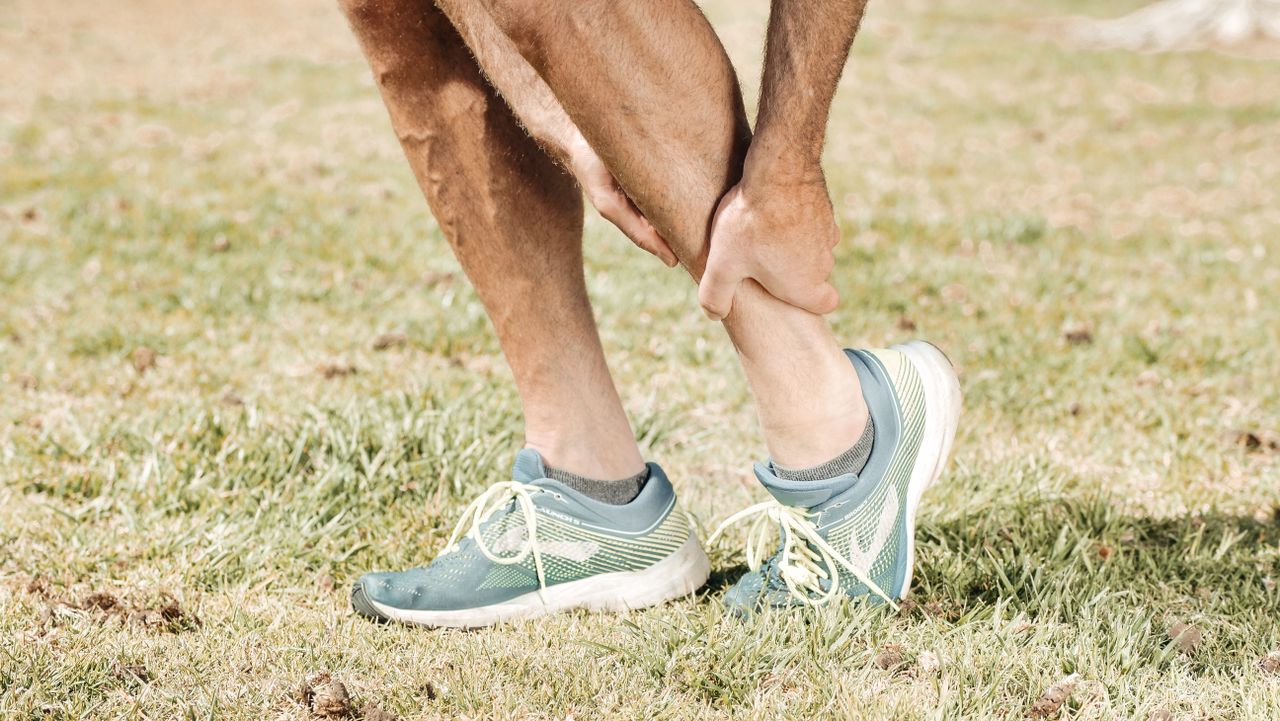
One of the defining characteristics of gait misalignment is that symptoms often extend beyond the feet.
You may experience:
- Knee pain when climbing stairs
- Hip tightness after walking
- Lower back soreness at the end of the day
- Shin discomfort during exercise
- Ankle fatigue after standing
Because every joint works together in a kinetic chain, misalignment in your feet can influence movement throughout your body.
Treating only the painful area without addressing the underlying gait issue may provide temporary relief but often does not resolve the root cause.
Uneven Shoe Wear Patterns
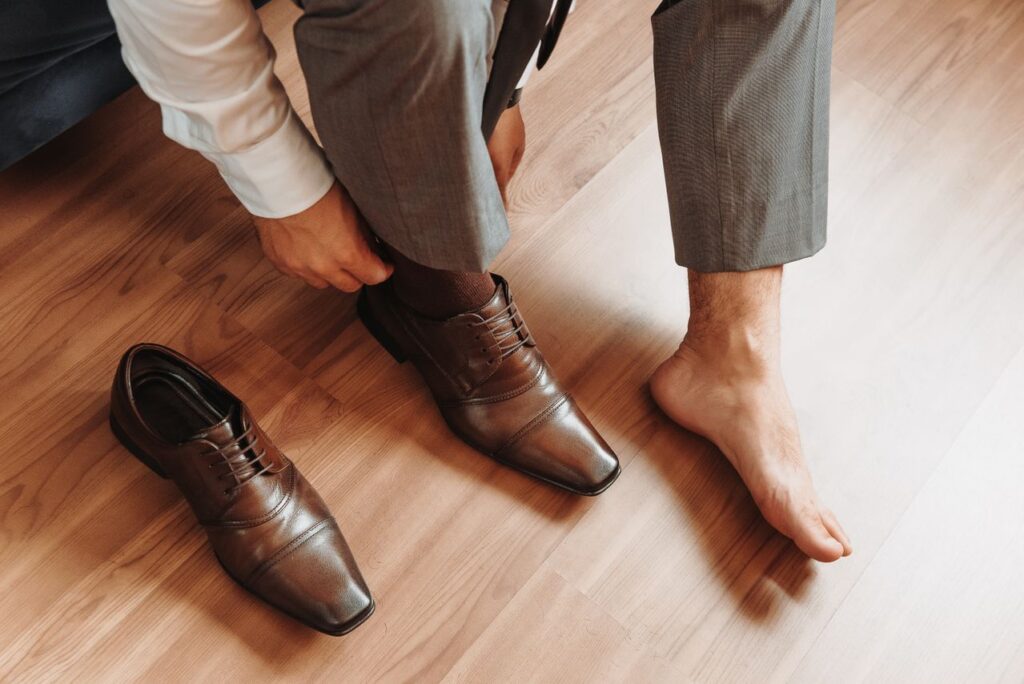
Your shoes can reveal valuable information about how you walk.
If one heel wears down significantly faster than the other or the inside edge of your shoe shows excessive wear, your walking mechanics may be uneven.
Different wear patterns can suggest different movement tendencies, including excessive inward rolling, outward rolling, or uneven weight distribution between your left and right foot.
While shoe wear alone cannot diagnose gait problems, it often serves as a helpful clue that further evaluation could be beneficial.
How Overpronation Changes Your Walking Mechanics
Excessive Inward Rolling Can Affect Your Entire Body
One of the most common contributors to gait misalignment is overpronation. Pronation itself is a normal part of walking. As your foot lands, it naturally rolls inward slightly to absorb impact and help your body adapt to different surfaces.
Problems arise when the foot rolls inward more than it should. This excessive movement can change how weight travels through your feet and legs. Instead of distributing force evenly, certain muscles and joints work harder to maintain stability.
Over time, this additional stress may contribute to a range of gait misalignment symptoms, including foot fatigue, knee discomfort, hip pain, and lower back soreness.
Not everyone with overpronation experiences pain immediately. Some people notice symptoms only after increasing their activity level or spending more time standing. Others may develop discomfort gradually over several years.
Understanding whether overpronation plays a role in your gait requires more than looking at your feet. A comprehensive assessment examines how your ankles, knees, hips, and pelvis move together during walking.
Overpronation May Influence Balance And Efficiency.
When your feet do not provide a stable foundation, the rest of your body often compensates. You may unknowingly shorten your stride, change your posture, or shift more weight to one side.
These adjustments can make walking less efficient. Instead of moving smoothly from heel strike to toe-off, your muscles expend extra energy trying to stabilize each step.
You might notice:
- Feeling unusually tired after walking moderate distances
- Difficulty maintaining balance on uneven surfaces
- Reduced confidence when walking quickly
- Increased muscle soreness after everyday activities
These changes do not necessarily happen overnight. They often develop gradually as your body adapts to altered mechanics.
Improving foot stability can help restore a more natural walking pattern and reduce unnecessary strain throughout your lower body.
Not Everyone Experiences The Same Symptoms.
Although overpronation is common, its effects vary from person to person.
Some individuals experience mostly foot-related discomfort, while others develop symptoms higher up the kinetic chain. Previous injuries, muscle strength, flexibility, body weight, occupation, and activity level all influence how your body responds.
For example, someone who spends most of the day standing on hard surfaces may notice heel pain first. A recreational runner may develop shin discomfort, while an office worker could experience increasing lower back stiffness after long periods of walking.
Because symptoms differ, treatment should always focus on your specific biomechanics rather than assuming every person with overpronation needs the same solution.
Everyday Habits That May Contribute To Gait Misalignment
Wearing Unsupportive Footwear
Your shoes influence how your feet interact with the ground every day. While no single shoe causes gait misalignment, footwear that lacks adequate support or no longer provides cushioning may allow existing biomechanical issues to become more noticeable.
Shoes naturally wear down over time. Even if they still look acceptable from the outside, the midsoles may have compressed enough to reduce shock absorption and stability.
Depending on your activities, replacing worn footwear at appropriate intervals may help maintain better support. Choosing shoes that match your foot type, walking style, and intended use can also contribute to more comfortable movement.
If you frequently experience discomfort despite trying different shoes, professional guidance may help determine whether footwear alone is enough or whether additional support is appropriate.
Muscle Weakness And Limited Mobility
Walking depends on more than healthy feet. Your calves, ankles, hips, glutes, and core all play important roles in maintaining proper alignment.
Weak muscles may struggle to stabilize your joints during each step. At the same time, tight muscles can restrict normal movement, causing your body to compensate elsewhere.
Common contributors include:
- Tight calf muscles that limit ankle flexibility
- Weak hip muscles that reduce pelvic stability
- Limited ankle mobility affecting stride mechanics
- Reduced core strength leading to poor posture
- Stiff hamstrings altering walking efficiency
Addressing these issues often involves targeted strengthening and flexibility exercises recommended by a healthcare professional.
Improving overall movement quality supports healthier walking patterns and may reduce recurring discomfort.
Previous Injuries Can Leave Lasting Effects.
Even after an injury has healed, your walking pattern may not immediately return to normal.
An ankle sprain, knee injury, stress fracture, or hip problem can lead you to unconsciously protect the affected side. These altered movement patterns sometimes persist long after pain has resolved.
For example, you may continue placing less weight on one foot or shortening your stride without realizing it.
Over months or years, these subtle compensations may contribute to additional stress on other joints.
A gait assessment can help identify lingering movement changes and guide a rehabilitation plan focused on restoring balanced mechanics.
How Professionals Evaluate Your Gait
Observation Provides Valuable Information.
A professional gait assessment usually begins with a detailed discussion about your symptoms, activity level, medical history, and daily routines.
Next, a clinician observes how you stand, walk, and sometimes run. They evaluate factors such as:
- Foot placement
- Walking speed
- Stride length
- Joint movement
- Weight transfer
- Balance
- Posture
Even experienced clinicians may notice movement patterns that are difficult to recognize on your own.
These observations provide important clues about potential causes of your symptoms.
Advanced Technology Offers Deeper Insight
Modern gait analysis often goes beyond visual observation.
Many clinics use advanced tools such as pressure mapping systems and 3D foot scanners to gather objective measurements. These technologies help evaluate how pressure is distributed across your feet and how your arches and foot structure influence movement.
Digital assessments may identify subtle imbalances that are not obvious during routine observation alone.
Rather than relying on assumptions, clinicians can use measurable data to better understand your unique biomechanics and recommend more personalized interventions.
These assessments are particularly valuable for people experiencing recurring discomfort despite trying different shoes or home remedies.
Personalized Recommendations Lead To Better Outcomes.
After completing your evaluation, the next step is developing a treatment plan tailored to your needs.
Recommendations may include:
- Custom orthotics designed specifically for your feet
- Footwear guidance based on your walking mechanics
- Stretching routines to improve mobility
- Strengthening exercises for key muscle groups
- Activity modifications during recovery
- Follow-up evaluations to monitor progress
The goal is not simply to relieve symptoms temporarily but to improve the way your body moves over time.
Because gait patterns are highly individual, personalized care often provides more effective long-term results than generic solutions.
Treatment Options For Improving Gait Alignment
Custom Orthotics Provide Personalized Support.
If your gait assessment identifies biomechanical issues such as overpronation, custom orthotics may be recommended as part of your treatment plan. Unlike over-the-counter inserts, custom orthotics are designed using measurements of your feet, walking mechanics, and pressure distribution.
Their purpose is not to force your feet into an unnatural position. Instead, they support your unique foot structure and encourage more efficient movement. By improving how your feet interact with the ground, custom orthotics can help reduce excessive stress on your ankles, knees, hips, and lower back.
Many people notice gradual improvements rather than immediate changes. Your body often needs time to adjust to a new walking pattern, especially if you have been compensating for years. Following your provider’s recommendations for wearing orthotics consistently can help you achieve the best results.
Regular follow-up appointments also allow adjustments if your needs change over time.
Strengthening And Mobility Exercises Support Lasting Improvements
Orthotics alone are rarely the entire solution. Strong, flexible muscles help maintain proper alignment during everyday activities.
A personalized exercise program may focus on:
- Improving foot and ankle stability
- Strengthening the calf muscles
- Building hip and glute strength
- Increasing core stability
- Improving ankle flexibility
- Enhancing balance and coordination
These exercises work together to improve the way your body controls movement during each step.
For example, stronger hip muscles can reduce excessive inward movement of the knees, while improved ankle mobility allows smoother weight transfer during walking.
Performing exercises consistently is often more beneficial than doing occasional intensive workouts. Small improvements accumulated over time can significantly influence your gait and overall comfort.
Lifestyle Changes Can Reinforce Healthy Movement.
Simple changes to your daily habits may also help support better walking mechanics.
You can start by paying attention to how your body feels throughout the day. If prolonged standing causes discomfort, taking short movement breaks may reduce stress on your joints. If you spend long hours sitting, regular stretching can help maintain flexibility.
Other helpful habits include:
- Replacing worn athletic shoes before support breaks down
- Gradually increasing walking or exercise intensity
- Maintaining a healthy body weight to reduce joint stress
- Warming up before physical activity
- Allowing adequate recovery after strenuous exercise
These strategies may seem small individually, but together they contribute to healthier movement patterns and long-term joint health.
Working with a healthcare professional ensures these recommendations are tailored to your specific needs rather than based on general advice.
Protecting Your Long-Term Mobility
Early Intervention May Prevent Future Problems.
One of the greatest benefits of recognizing gait misalignment symptoms early is the opportunity to address them before they become more severe.
Minor discomfort today may develop into persistent pain if the underlying movement pattern remains unchanged. While not every gait issue leads to chronic problems, identifying concerns early often provides more treatment options and may reduce the likelihood of secondary injuries.
Seeking an evaluation when symptoms first appear can help determine whether your discomfort is related to footwear, muscle imbalances, overpronation, previous injuries, or another factor affecting your gait.
The sooner you understand the cause, the sooner you can begin working toward a more efficient walking pattern.
Monitor Changes In Your Symptoms.
Your body provides valuable feedback over time. Paying attention to changes can help you recognize whether your current approach is working.
Consider noting:
- When pain occurs
- Which activities increase discomfort
- Whether one side feels different than the other
- Changes in balance or walking speed
- New areas of soreness
Keeping a simple record of these observations may help your healthcare provider identify patterns and make more informed treatment recommendations.
Remember that improvements are often gradual. Consistent progress over several weeks is generally more meaningful than expecting overnight results.
Personalized Care Supports Lasting Results.
Because every person’s biomechanics are different, there is rarely a single solution that works for everyone.
A personalized treatment plan considers factors such as your foot structure, activity level, occupation, age, medical history, and personal goals. Someone training for a marathon may require different support than someone who spends long hours standing at work or someone simply looking to walk each day comfortably.
Comprehensive gait assessments, 3D foot mapping, and custom orthotic evaluations provide valuable information that helps guide individualized care.
When treatment is based on objective findings rather than guesswork, it becomes easier to target the underlying causes of gait misalignment symptoms instead of only managing the discomfort they create.
Conclusion
Your gait is one of the foundations of healthy movement. Every step you take affects the way your feet, ankles, knees, hips, and spine work together. When your walking pattern becomes misaligned, the effects often extend far beyond occasional foot discomfort.
Learning to recognize gait misalignment symptoms—such as uneven shoe wear, recurring foot pain, knee discomfort, hip tightness, lower back soreness, balance problems, or frequent fatigue while walking—can help you take action before these issues interfere with your daily life.
Fortunately, gait problems are often manageable with the right approach. A professional gait assessment can identify the movement patterns contributing to your symptoms, while technologies such as 3D foot mapping and pressure analysis provide detailed insight into your biomechanics. Combined with personalized treatment options, including custom orthotics, supportive footwear, strengthening exercises, and mobility training, you can work toward more efficient movement and greater comfort.
If you’ve noticed ongoing discomfort or suspect your walking pattern has changed, seeking a comprehensive evaluation is a proactive step toward protecting your long-term mobility. Investing in your gait today can help you move with greater confidence, reduce unnecessary strain on your joints, and support an active lifestyle for years to come.
Frequently Asked Questions
1. What Are The Most Common Gait Misalignment Symptoms?
Common gait misalignment symptoms include recurring foot pain, uneven shoe wear, ankle instability, knee discomfort, hip pain, lower back soreness, muscle fatigue, balance issues, and changes in the way you walk. Symptoms vary depending on the underlying cause and the severity of the misalignment.
2. Can Gait Misalignment Cause Knee And Hip Pain?
Yes. Because your feet serve as the foundation for movement, changes in your gait can alter how force travels through your knees and hips. Over time, these changes may contribute to discomfort or place additional stress on surrounding muscles and joints.
3. How Do I Know If I Have Overpronation?
Signs of overpronation may include excessive wear along the inside edge of your shoes, flattened arches, recurring foot fatigue, or pain in your feet, knees, or lower legs. A professional gait assessment provides the most accurate way to determine whether overpronation is affecting your movement.
4. Can Custom Orthotics Correct Gait Problems?
Custom orthotics are designed to support your individual foot structure and improve walking mechanics. While they do not permanently change your anatomy, they can help reduce excessive stress, improve alignment, and work alongside strengthening exercises and other treatments to improve gait.
5. Is Gait Analysis Only For Athletes?
No. People of all ages and activity levels can benefit from gait analysis. Whether you walk for exercise, spend long hours standing at work, or simply want to reduce recurring discomfort, a gait assessment can identify movement patterns that may be affecting your mobility.
6. How Long Does It Take To Improve Gait Alignment?
The timeline varies depending on the underlying cause, the severity of the problem, and your treatment plan. Some people notice improvements within a few weeks, while others may require several months of consistent use of orthotics, exercise, and follow-up care.
7. When Should I Schedule A Professional Gait Assessment?
You should consider scheduling a gait assessment if you experience persistent foot pain, recurring joint discomfort, uneven shoe wear, balance problems, frequent walking fatigue, or symptoms that continue despite changing footwear or resting. Early evaluation can help identify the underlying cause and guide personalized treatment before the problem progresses.
Is Overpronation Affecting The Way You Walk?
Overpronation is more than just a foot issue. When your feet roll inward too much with each step, it can affect your entire body. This imbalance places added stress on your ankles, knees, hips, and lower back, often leading to foot pain, fatigue, poor posture, and recurring discomfort that may seem unrelated to your feet.
At The Shoe Doctor, we identify the root cause of overpronation through advanced 3D foot-mapping technology and detailed gait analysis. By evaluating how your feet move and how your body responds during every step, we gain a clear understanding of your biomechanics. This allows us to pinpoint abnormal movement patterns and determine the best solution to improve your gait and overall alignment.
Once we’ve completed your assessment, we design custom orthotics that provide the right level of support for your unique foot structure and walking pattern. Proper gait correction helps distribute pressure more evenly, improves stability, reduces stress on your joints, and encourages more efficient movement throughout your daily activities.
With more than 20 years of experience, Russell has helped countless people walk with greater comfort, confidence, and stability. If you’re experiencing foot pain, recurring injuries, or discomfort that may be linked to overpronation, schedule your free consultation with The Shoe Doctor today and discover how personalized gait correction can help you move better every day.
Disclaimer
The materials available on this website are for informational and entertainment purposes only and are not intended to provide medical advice. You should contact your doctor for advice concerning any particular issue or problem. You should not act or refrain from acting based on any content included in this site without seeking medical or other professional advice. The information presented on this website may not reflect the most current medical developments. No action should be taken in reliance on the information contained on this website, and we disclaim all liability for actions taken or not taken based on any or all of the contents of this site to the fullest extent permitted by law.